
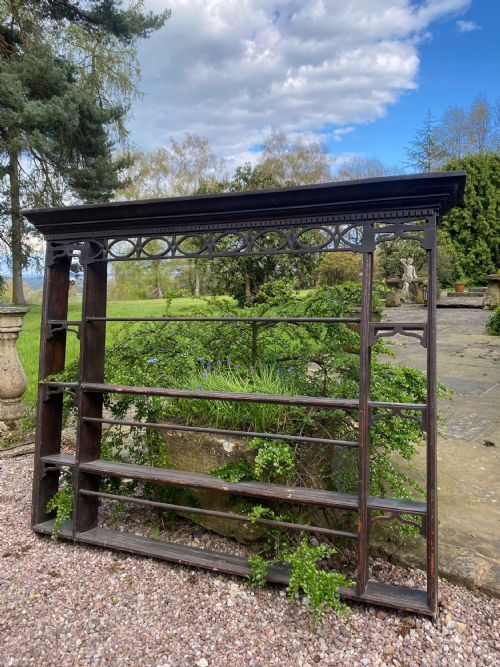
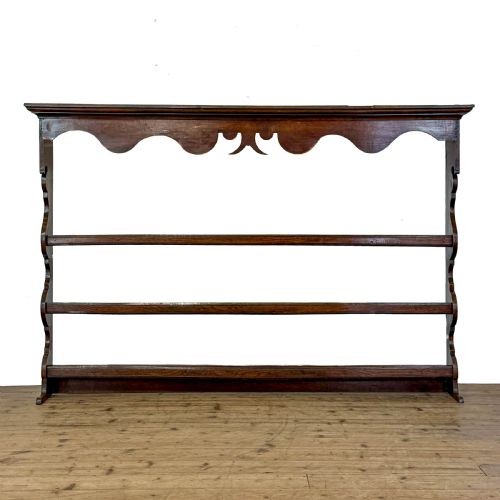


Oak Delft Wall Shelf
An oak delft wall shelf offers practical display for earthenware plates, bringing rustic warmth and historic character straight into your kitchen.
Oak Delft Wall Shelf
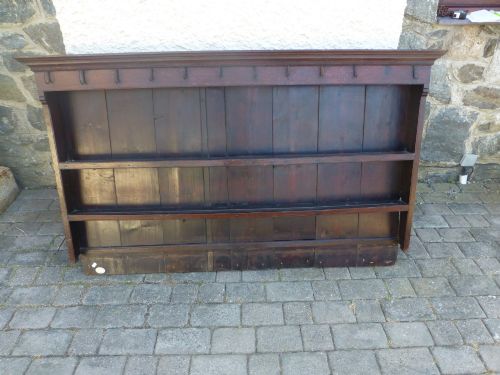
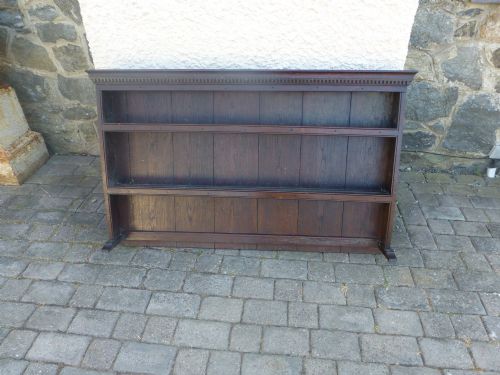
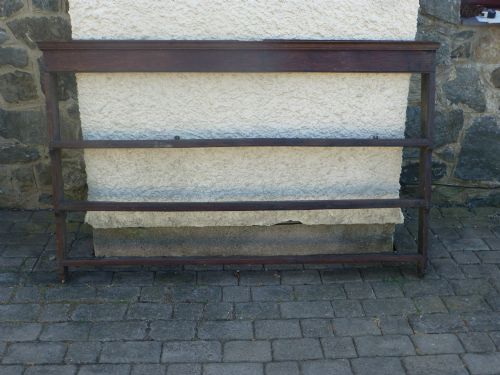
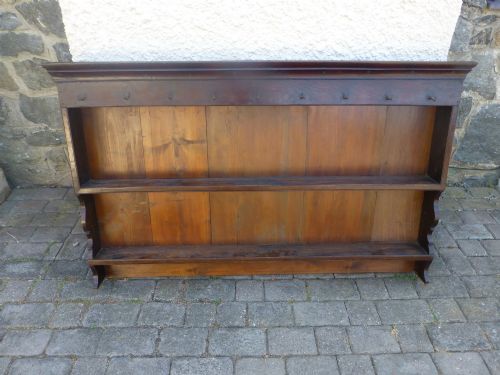
An oak delft wall shelf displays plates and ceramics securely against domestic walls, serving kitchens and dining spaces across centuries. When you search for an oak delft wall shelf, you encounter sturdy plate racks and dresser racks designed for everyday utility. These wall-hanging storage pieces emerge chiefly from the eighteenth century and the Georgian period, embodying robust English country traditions.
The inventory on this page ranges from simple seventeenth-century carved wall shelves to architectural eighteenth-century formats. You will find pieces featuring traditional timber combinations, including examples incorporating pine alongside primary oak structures. Certain items display distinct stylistic revivals such as Gothic and Renaissance influences, whilst others retain pure Georgian proportions.
How they were made
Cabinetmakers constructed these wall shelves predominantly using solid oak, often pairing the hardwood with secondary timbers like pine for backing or internal elements. Traditional joinery methods secure the plate racks and hanging frames, ensuring durable wall mounting for heavy ceramic vessels. Selected pieces incorporate iron hardware and decorative hand-carving to enhance the structural framework.
Makers utilised simple hand tools to shape the timber boards, forming grooves and rails specifically sized to hold early delftware plates safely upright. Stained oak finishes appear alongside natural patinated surfaces, reflecting centuries of domestic use and polishing by generation after generation.
Early plate grooves collected stray crumbs and kitchen dust long before dishwashers existed.
What varies in quality
Quality in an oak delft wall shelf rests upon the balance of original timber, proportion, and regional craftsmanship. Superior examples display crisp architectural details, such as carved mouldings or refined column supports, rather than purely utilitarian assembly.
The depth of patination and the survival of original hanging mechanisms elevate certain pieces above standard domestic shelving. Integration of decorative elements, including period carved woodwork or distinctive proportions, distinguishes exceptional country furniture from simpler workshop iterations.
The Oak Delft Wall Shelf Glossary
- Delft rack
- A wall-mounted or dresser-top rack specifically slotted and railed to display ceramic plates and platters upright. These functional boards kept everyday earthenware visible and accessible in historic kitchens.
- Georgian
- The period spanning the reigns of the first four Georges, characterised by classical symmetry, balanced proportions, and refined joinery. Furniture from this era often combines formal elegance with practical domestic utility.
- Patina
- The deep, lustrous surface sheen developed on old wood over centuries through handling, waxing, and atmospheric exposure. This aged finish signals genuine antique character and untouched historical surfaces.
Oak Delft Wall Shelf: Frequently Asked Questions
What is an oak delft wall shelf?
An oak delft wall shelf is a traditional hanging rack designed to display ceramic plates and platters upright against a kitchen or dining room wall. These pieces provide both open storage and decorative display.
Originating primarily in the seventeenth and eighteenth centuries, they form an essential part of English country furniture heritage. They range from unpretentious rustic boards to architectural Georgian formats.
How were these shelves used historically?
Historic households utilised these wall racks in kitchens and dining parlours to store and exhibit prized earthenware plates safely. The grooved shelves kept dishes upright and visible for daily use.
Beyond simple storage, the displayed ceramics added colour and domestic pride to cottage and country house interiors alike. The upper ledges occasionally accommodated small mugs, jugs, or decorative ornaments.
Are these racks suitable for modern walls?
These robust wooden shelves mount successfully onto modern walls provided you locate appropriate structural studs or utilise heavy-duty fixings. Their solid oak construction carries considerable weight, especially when loaded with ceramics.
Ensuring secure installation protects both the antique timber frame and your display items. Professional fitting is recommended given the substantial weight of old hardwood furniture.
How do I care for antique oak furniture?
Preserve antique oak by positioning shelves away from direct heat sources, radiators, and strong sunlight which can dry out the timber. Maintain stable indoor humidity levels to prevent wood movement.
Apply occasional natural beeswax and buff gently with a soft cloth to nourish the historic patina. Avoid modern silicone polishes that build up sticky residues on aged surfaces.