
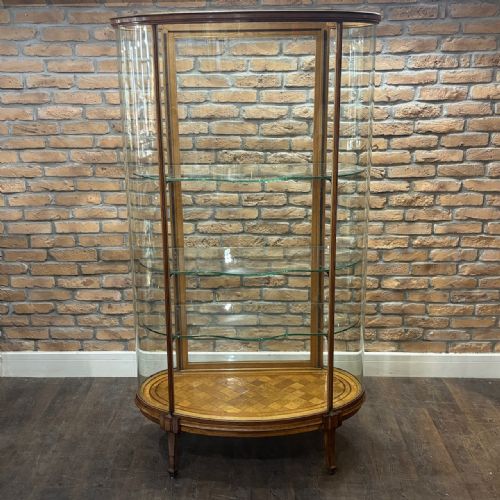
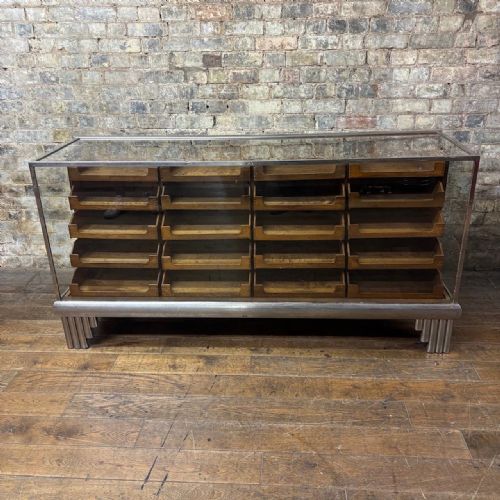


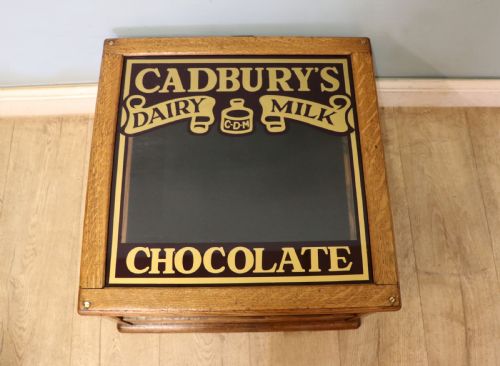

Oak Counter Showcase
These oak counter showcases are trade furniture built to display goods on shop counters, combining timber frames with glazed viewing panels.
Oak Counter Showcase
An oak counter showcase is a shop fitting designed to sit upon a counter and display small merchandise under glass. Buyers seeking an oak counter showcase will find pieces originating from the Victorian and Edwardian periods, as well as the 1920s and 1930s.
The most common forms on this page include countertop display cabinets and larger haberdashery counters. These pieces served commercial spaces, museums, and shops requiring secure visibility for stock.
Origins span English commercial workshops to French museum cases. Styles range from Victorian and Edwardian to Art Deco and commercial designs.
What varies in quality
The standard of timber selection and joinery determines the refinement of the cabinet. Finer examples display precise framing and well-fitted glazed panels without warping.
Hardware choice distinguishes utilitarian fittings from higher-status shop counters. The retention of original brass or chrome mounts and operational drawers affects the integrity of the piece.
The listings span the Victorian period through to the 1930s, utilising oak, glass, brass, chrome, and velvet.
F Sage And Co·Dudley And Co
The Oak Counter Showcase Glossary
- Haberdashery counter
- A commercial shop fixture fitted with multiple drawers or glass compartments for small textiles and notions. These counters formed the centrepiece of drapery and general stores.
- Countertop display cabinet
- A smaller glazed showcase designed to sit upon existing shop furniture. It raised merchandise to eye level for customers.
- Museum display case
- A specialised cabinet built with tighter seals and often larger glass expanses for exhibition pieces. French examples frequently exhibit distinct moulding and proportions.
- Sign-written
- Painted lettering applied to glass or wood surfaces for commercial advertising. Chocolate brands such as Frys and Cadburys commonly utilised this method on shop cabinets.
Oak Counter Showcase: Frequently Asked Questions
What were oak counter showcases used for?
These cabinets served retailers and merchants as secure display units for valuable or delicate merchandise placed upon shop counters. They kept goods visible to customers while preventing handling.
Later adaptations included chocolate advertising sign-writing on the glass panels for brand promotion in stores.
How do I date an oak counter showcase?
Dating relies upon architectural styles, construction methods, and materials such as the transition from brass to chrome hardware. Victorian and Edwardian pieces exhibit traditional joinery and timber moulding.
Later 1920s and 1930s examples often incorporate Art Deco geometric lines and metal framing details.
Where should I place a counter showcase at home?
These cabinets suit tabletops, sideboards, or kitchen counters where their glazed panels can display collections. Their original commercial depth allows them to sit comfortably on standard furniture.
Positioning them away from direct sunlight protects both the oak timber and any interior velvet lining.
What is the difference between a cabinet and a counter?
Cabinets are smaller glazed enclosures designed to sit on top of existing furniture for eye-level viewing. Counters are larger, floor-standing shop fittings that incorporate display space into the main sales desk.
Both utilise oak framing and glass panels to showcase goods within retail environments.