

Oak Commode Storage Chest
An oak commode storage chest brings honest timber and dependable proportions to a room, offering deep drawers built to last centuries.
Oak Commode Storage Chest
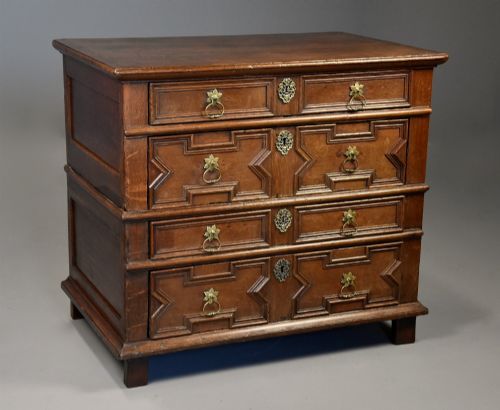
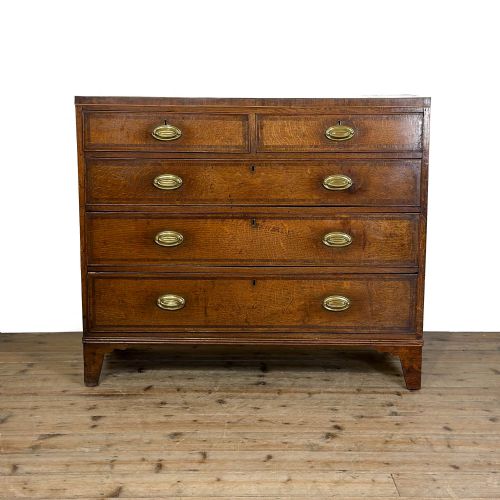
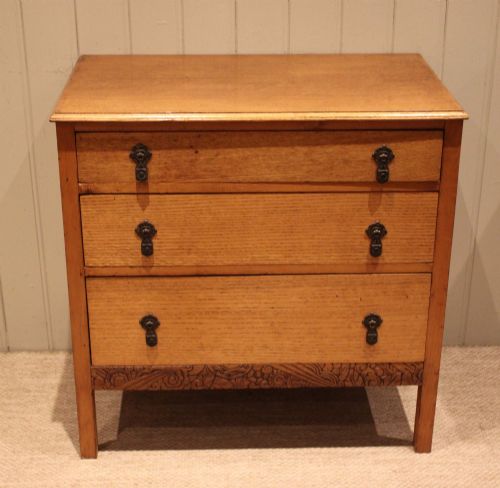
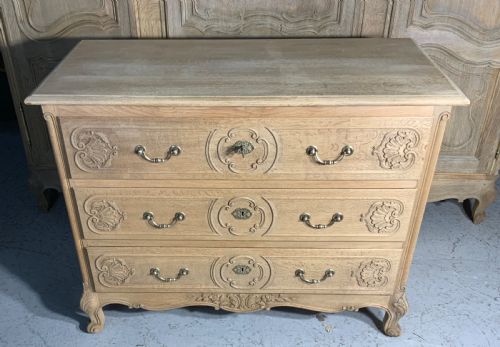
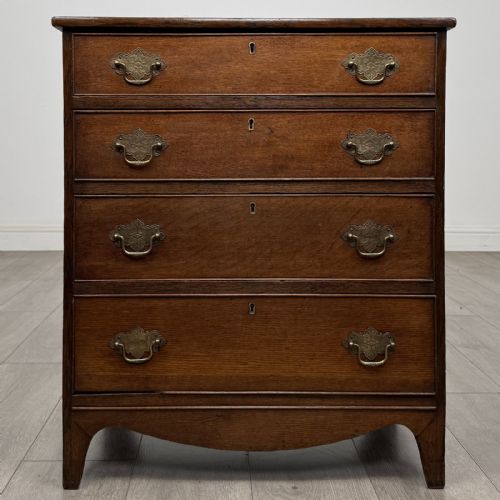
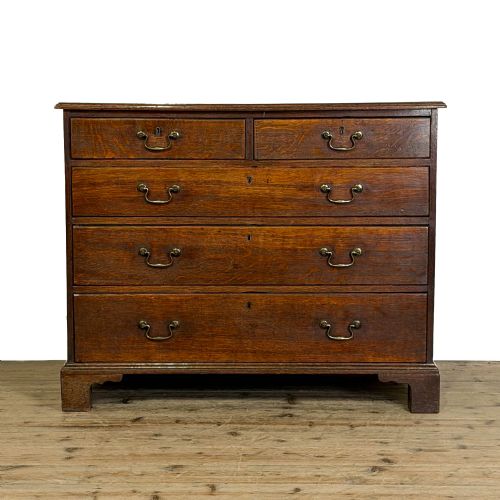
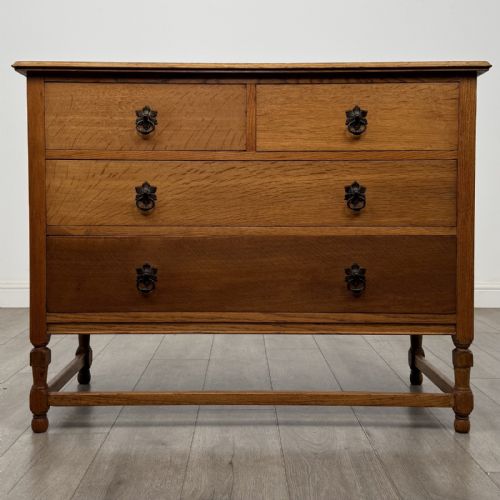
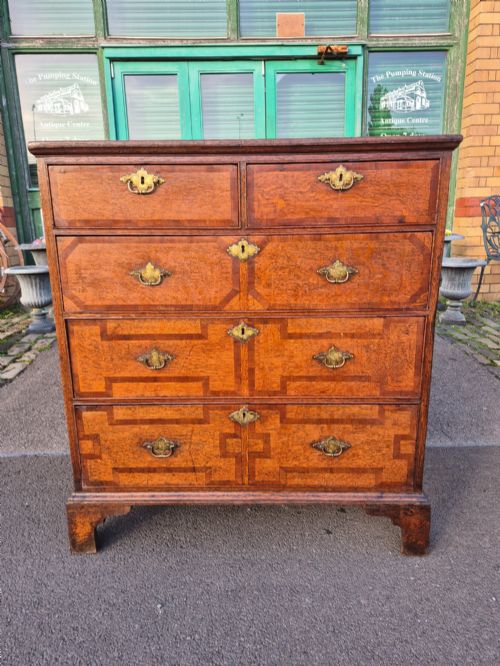
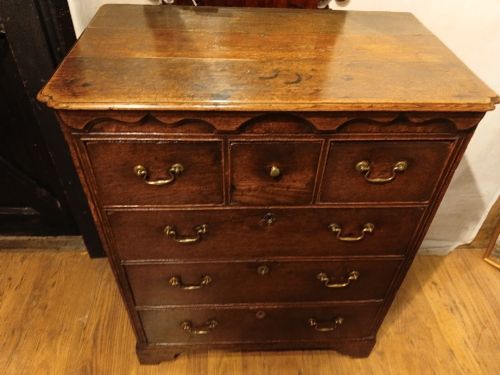
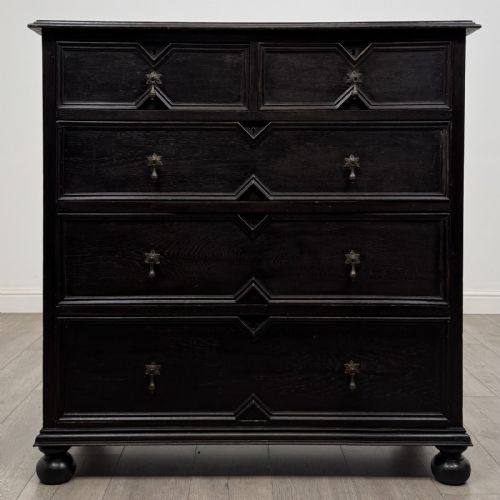
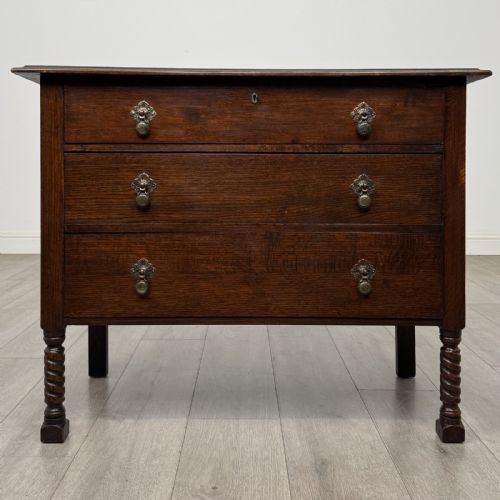
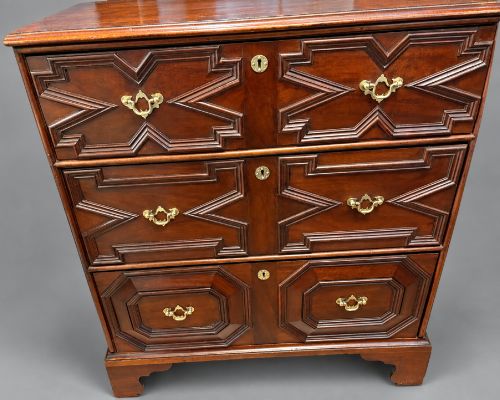
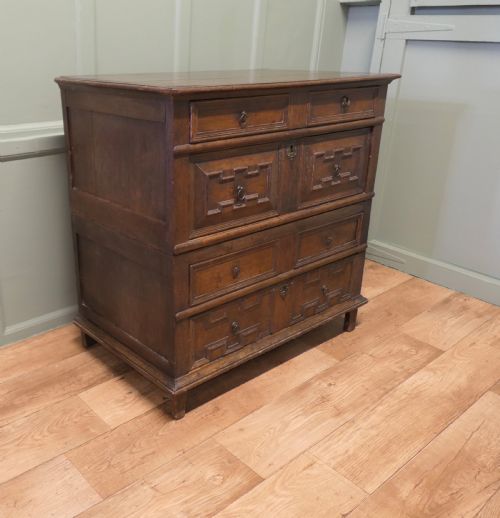
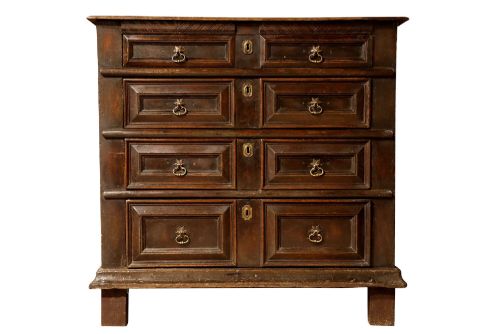
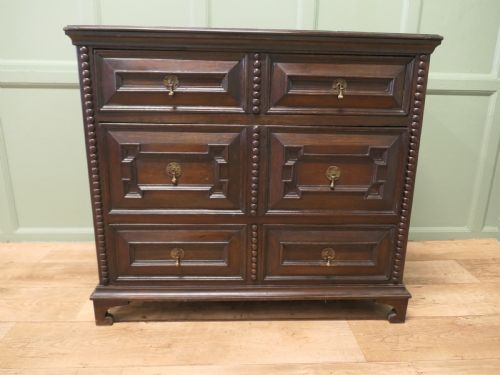
An oak commode storage chest is a sturdy timber storage piece designed to hold garments and household goods, appearing most frequently in Georgian and eighteenth-century formats on this page. These sturdy chests of drawers also emerge in seventeenth-century, Victorian, Edwardian, and twentieth-century variations, ranging from grand geometric designs to small proportions.
The material palette centres firmly on oak, often paired with walnut, mahogany, pine, and ash, complemented by brass and iron hardware. Surviving examples span simple country workshop builds to refined period pieces with raised galleries, bun feet, and carved details.
How they were made
Joiners constructed these chests using solid oak timbers, frequently employing panelled construction for stability and durability across seasonal humidity shifts. Drawers were hand-dovetailed and fitted tightly into frames, ensuring smooth sliding action without modern mechanical runners.
Surface finishing relied on natural waxes, oils, and polished grains, while secondary timbers such as pine or walnut appeared in linings and secondary surfaces. Iron and brass handles were secured by hand, matching the heavy structural fixings inside.
Oak Commode Storage Chest Retail Price Guide 2026
Typical asking prices for oak commode storage chest among the pieces listed under this phrase on Sellingantiques today, from the lower quarter to the upper quarter. They describe what is for sale here now, not the wider market.
Materials recorded across the inventory include solid oak, walnut, mahogany, ash, pine, painted wood, brass, and iron.
What varies in quality
Proportion and scale dictate much of the desirability, with smaller proportions and garret chests commanding particular attention from collectors seeking neat footprints. The crispness of geometric mouldings, raised galleries, and carved top edges separates standard utilitarian storage from superior cabinet work.
Timber selection also drives distinction, where figured burr oak, rich grain patterns, and untouched original surfaces elevate a piece far above simpler painted wood or heavily altered carcases.
The Oak Commode Storage Chest Glossary
- Commode storage chest
- A cabinet or chest of drawers designed for holding clothes and valuables. It provides deep horizontal storage within a domestic setting.
- Geometric moulding
- Raised wooden profiling applied to drawer fronts in repeating patterns. This technique defined seventeenth-century case furniture joinery.
- Bun feet
- Spherical or slightly flattened ball feet supporting the base of a chest. They lift the carcase cleanly off damp floors.
- Raised gallery
- A low decorative railing or upstand fixed around the top surface of a chest. It prevents items from sliding off the timber top.
Oak Commode Storage Chest: Frequently Asked Questions
How do I date an oak chest?
Dating relies on observing construction methods, handle types, and secondary timbers used in the drawer linings. Hand-cut dovetails and pegged frame joints generally point towards earlier eighteenth or seventeenth-century origins.
Later Edwardian and twentieth-century pieces introduce machine assistance, lighter pine backs, and standardised iron or brass hardware fittings.
Where should I place a commode chest?
These chests fit well in bedrooms, hallways, or living spaces where substantial horizontal timber surfaces and deep drawer storage are useful. Their neutral oak tones blend easily with various interior decorating schemes.
Keep them away from direct heat sources and strong sunlight to protect the polish and prevent the solid timber from drying out.
What is a garret chest?
A garret chest is a smaller, simpler storage chest traditionally kept in upper attic rooms or smaller chambers. They offer compact proportions while retaining standard drawer configurations.
These pieces suit modern homes needing scaled-down furniture with genuine historical character.
Are walnut and oak mixed?
Cabinet makers frequently combined oak structural carcases with decorative walnut veneers or secondary drawer timbers. This practice highlighted contrasting wood grains and richer colour tones across the front elevation.
Examining the sides and interior carcase helps identify the primary oak framing beneath the decorative surface veneers.