






Oak Collectors Chest
An oak collectors chest gathers small treasures into orderly drawers, offering sturdy timber housing for specimens, coins or miniatures.
Oak Collectors Chest
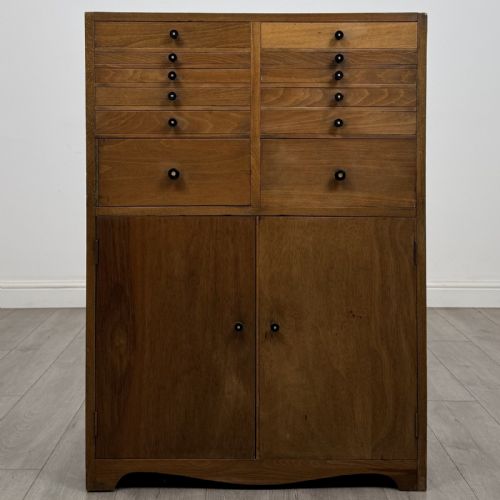
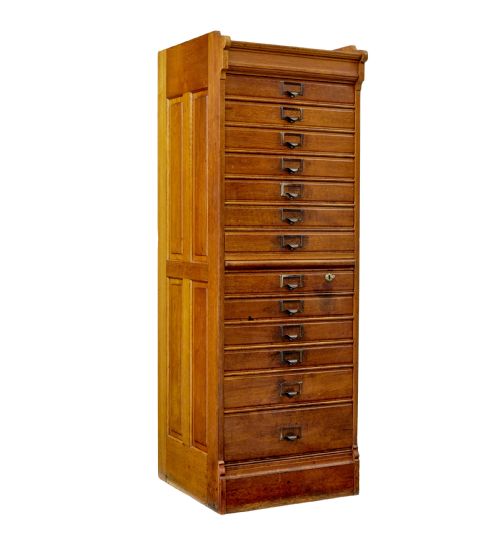
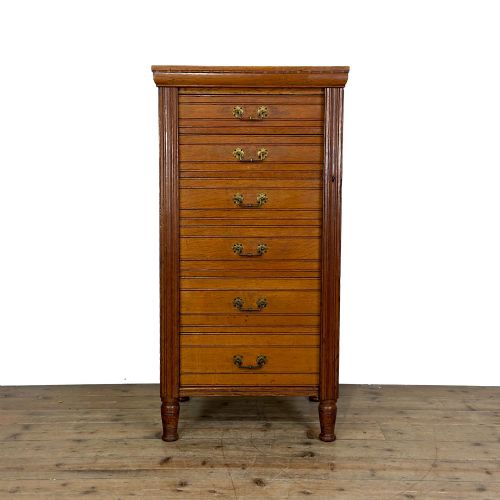
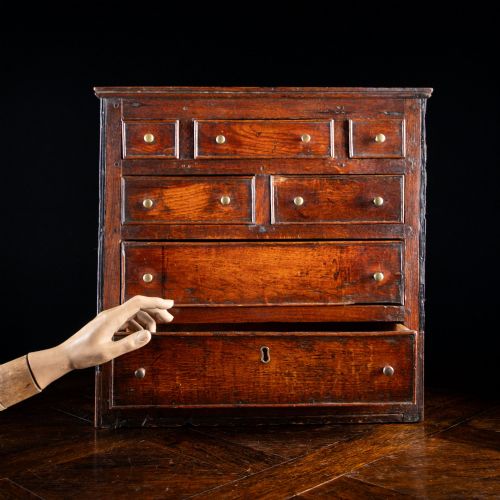
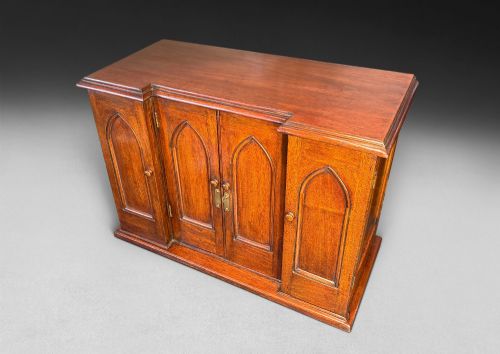
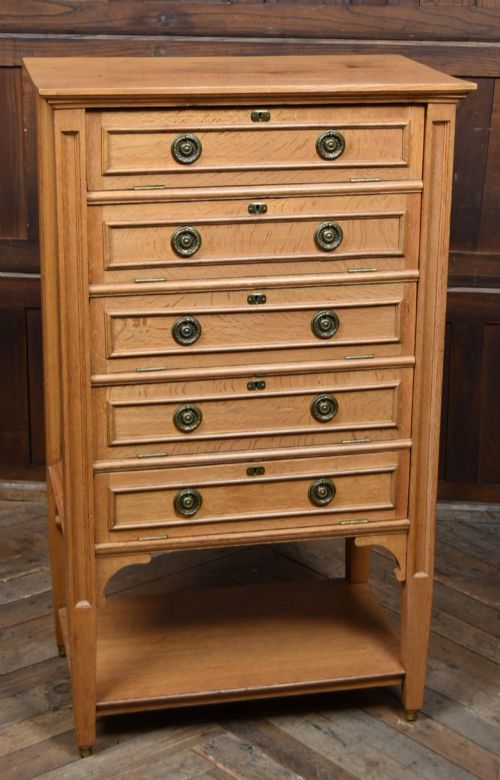
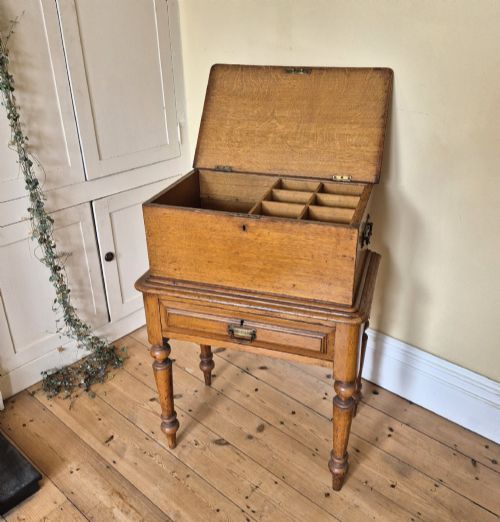
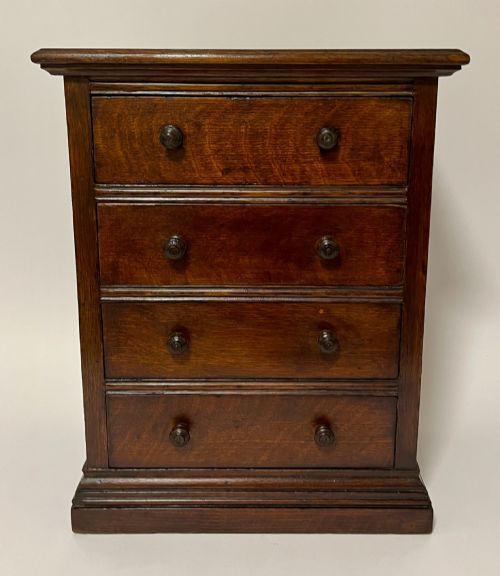
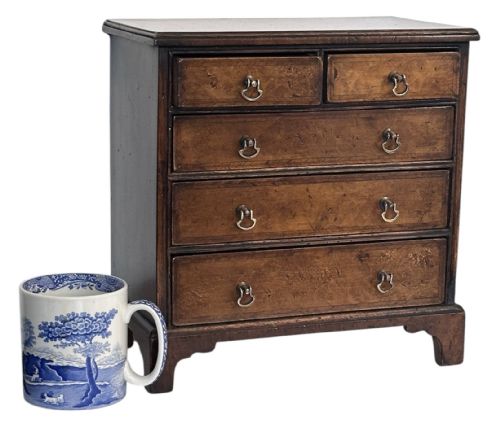
An oak collectors chest brings together small-scale drawer units designed for specialist storage, spanning table-top cabinets, miniature chests, and taller filing or medical formats. When searching for an oak collectors chest, a buyer encounters pieces originating from the eighteenth century through to the interwar period.
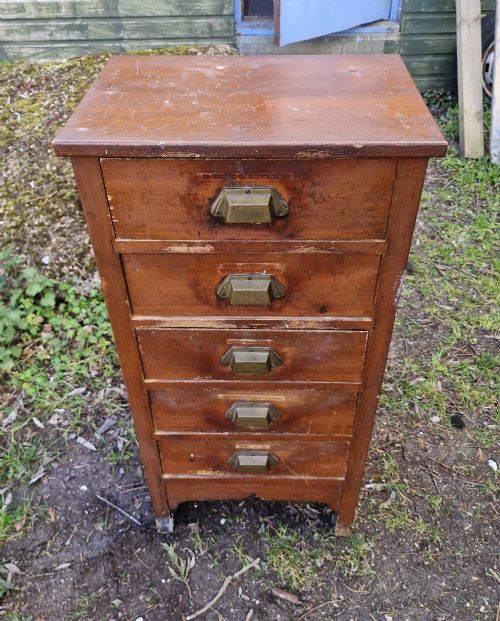
The domestic and commercial functions vary widely across the selection, incorporating spice cabinets, apprentice pieces, watchmaker cases, and office filing systems. Eighteenth-century examples often display regional Welsh or Georgian vernacular craftsmanship, whilst Victorian and Edwardian iterations tend toward specialised trades like dentistry, specimen gathering, and railway administration.
Miniature tallboys, Wellington chests, and multi-drawer drawer banks dominate the physical formats. These pieces utilise dense timber frames to protect contents, appearing frequently in proportions suited for tabletops or dedicated stands.
Quality distinctions
Quality rests upon the selection of timber and the precision of the internal drawer fit. Figured oak and burr oak veneers demand superior joiner skill compared to plain utility planks, altering the visual presence of the exterior significantly.
The integrity of original brass hardware, working locks with keys, and smooth drawer operation separate standard commercial filing units from fine cabinet-maker pieces. Proportion, restrained decorative carving, and intact backing boards further distinguish higher grade examples.
Oak Collectors Chest Retail Price Guide 2026
Typical asking prices for oak collectors chest among the pieces listed under this phrase on Sellingantiques today, from the lower quarter to the upper quarter. They describe what is for sale here now, not the wider market.
Current listings span periods from the eighteenth century to the 1930s, utilising oak, brass, glass, pine, and steel across domestic and industrial forms.
Manoah Rhodes & Sons Ltd·Roberson & Co·Maple & Co
The Oak Collectors Chest Glossary
- Wellington chest
- A tall, vertical chest of drawers featuring a locking side pilaster that secures all drawers simultaneously. This form originates in the nineteenth century and suits secure storage.
- Apprentice piece
- A miniature item demonstrating a craftsman's skill to attain master status. These small chests replicate full-size joinery techniques precisely.
- Specimen case
- A shallow-drawer cabinet built for holding natural history samples, coins, or insects. They protect delicate items behind tight-fitting glazed or panelled doors.
- Tallboy
- A stacked chest of drawers configuration where a smaller chest rests upon a taller base unit. This form maximises vertical storage capacity.
Oak Collectors Chest: Frequently Asked Questions
What fits inside an oak collectors chest?
These pieces accommodate small items ranging from geological specimens and coins to watch parts, stamps, and medical instruments.
The shallow drawers protect delicate objects by keeping them flat and organised within felt-lined or plain wooden compartments.
How do I identify an eighteenth-century piece?
Eighteenth-century examples often display hand-cut dovetails, pegged joints, and regional vernacular characteristics such as those found in Welsh pieces.
The timber surfaces show deeper patination and simpler, sturdier structural lines compared to later mass-produced alternatives.
Were these chests used in offices?
Many later iterations served commercial environments, acting as ticket dispensers, dentist storage, and multi-drawer office filing cabinets.
Industrial and tradesman versions prioritize functional efficiency, utilising numerous small drawers for paperwork and small components.
How do I care for antique oak?
Keep timber pieces away from direct heat sources and fluctuating humidity to prevent wood shrinkage and drawer sticking.
Apply traditional wax polish sparingly to maintain the natural finish without building up heavy chemical layers.