
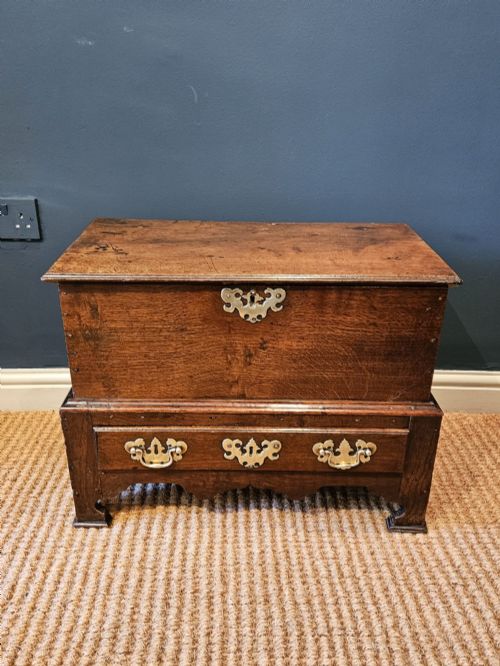


Oak Coffer Bach
An oak coffer bach is a small Welsh miniature chest that holds precious papers or linens with enduring charm.

What an Oak Coffer Bach Is
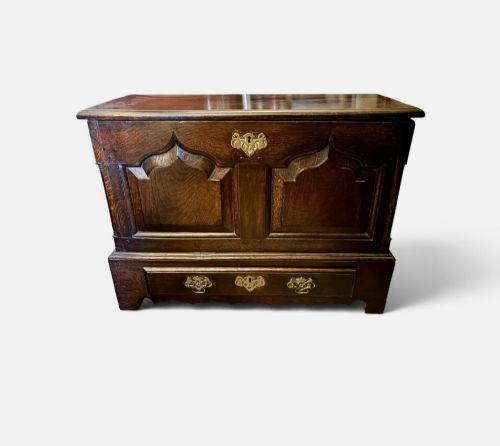
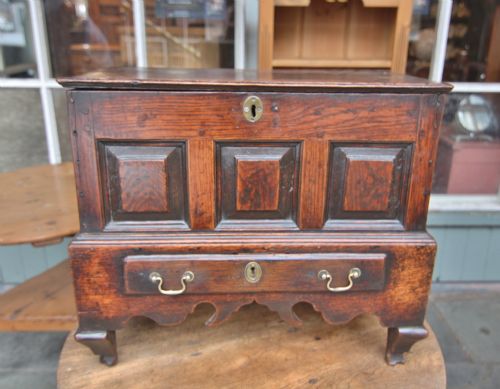
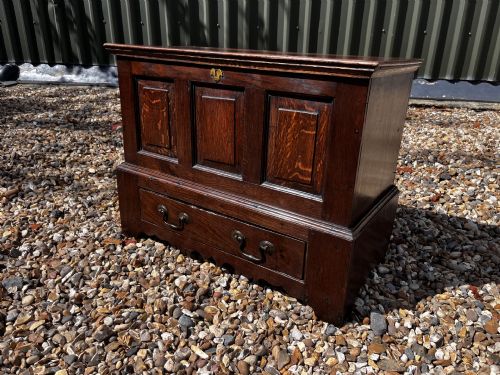
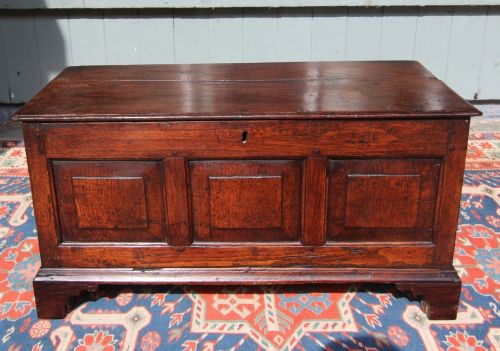
An oak coffer bach is a diminutive Welsh chest designed for domestic use, frequently featuring a lidded compartment or small drawers below. These miniature coffers emerge primarily from the seventeenth, eighteenth, and nineteenth centuries.
Makers shaped these pieces within the Georgian vernacular and Welsh country traditions, scaling down full-size chests for intimate household settings. The versions most commonly met on this page span the seventeenth century to the Georgian era.
Collectors encounter descriptions varying from miniature chests to marriage coffors, reflecting their traditional role in Welsh domestic life. Their compact proportions make them versatile focal points on tabletops or sideboards.

How They Were Made
Craftsmen built these miniature coffers using native oak timber, often selecting boards with pronounced grain patterns. Iron and brass components such as hinges and escutcheons secure the lids and drawers.
Joiners employed traditional framing techniques alongside panelled construction to ensure durability in small formats. Carved details occasionally adorn the front panels, reflecting regional vernacular styles.
Retail Price Guide 2026
Typical UK retail prices for oak coffer bach, calculated from the Sellingantiques database of over a million retail prices indexed since 2003. This retail price guide relies exclusively on Sellingantiques data; no external sources or auction records are used, so the figures do not describe the wider market.
Some miniature chests served as marriage gifts, perfectly sized to hold tiny tokens of affection and domestic contracts.
What Varies in Quality
The sophistication of the joinery and the presence of period carving distinguish finer examples from standard workshop production. Proportions also play a role, as miniaturisation requires careful balance between the main body and any lower drawers.
Surface paturation and the retention of original brass or iron hardware determine the visual depth of the piece. Untouched timber surfaces with deep colour reflect careful preservation over the centuries.
The Oak Coffer Bach Glossary
- Coffer bach
- A traditional Welsh miniature chest, literally translating to little chest, used for storing valuables or documents.
- Vernacular
- Regional building or cabinet-making traditions using local materials and practical designs rather than formal academic styles.
- Panelling
- Construction method using framed wooden stiles and rails to enclose thin central boards, preventing warping.
- Escutcheon
- A protective plate surrounding a keyhole, often made from brass or iron on these chests.
- Paturation
- The natural ageing and surface alteration of oak timber over centuries of handling and exposure.
Frequently Asked Questions
What was an oak coffer bach used for?
These small chests served families as secure receptacles for important documents, family Bibles, or valuable textiles and lace.
Their portable size allowed them to sit upon tables or larger pieces of furniture within the main rooms of a home.
How do I date an oak coffer bach?
Dating relies upon construction methods, such as hand-cut dovetails, framing styles, and the evolution of hardware like iron or brass hinges.
Stylistic cues like Georgian vernacular details or seventeenth-century panel configurations also point towards specific decades.
Where were these miniature chests made?
The evidence points firmly to Welsh workshops, where local cabinet makers produced these smaller scaled items for domestic storage.
Country makers adapted standard chest designs into miniature formats using native oak timber.
How should I care for an antique coffer bach?
Keep the piece away from direct heat sources and sudden humidity changes to prevent the oak timber from splitting or warping.
Applying a light microcrystalline wax occasionally helps maintain the surface sheen and nourishes the historic wood.