

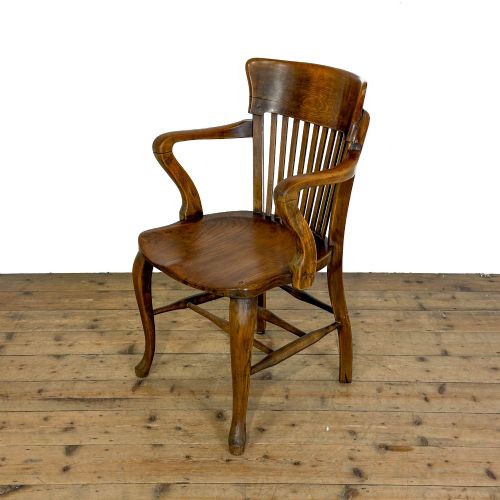
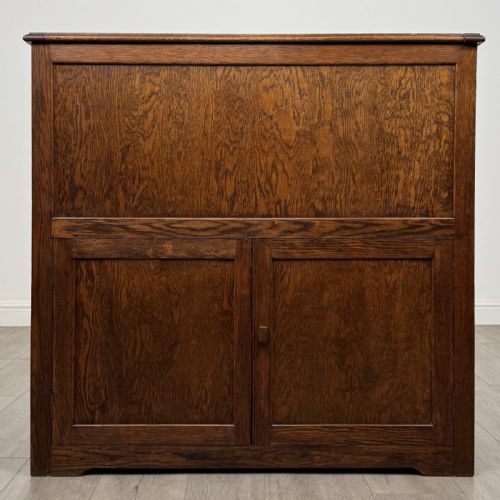


Oak Clerk Desk
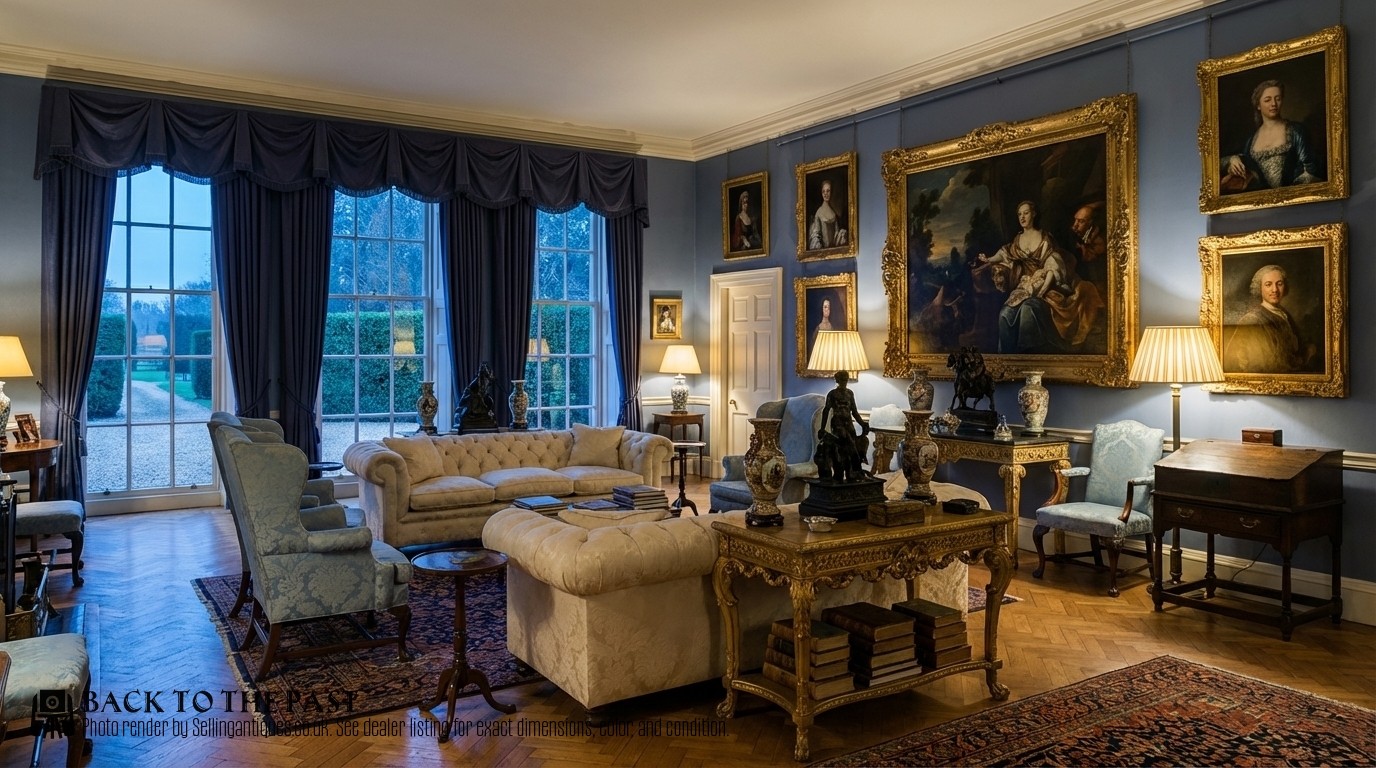
An oak clerk desk brings practical workspace and robust utility into a room, rooted in centuries of working tradition.
Oak Clerk Desk
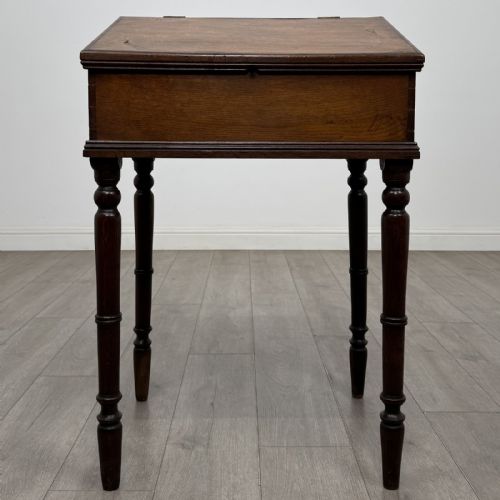
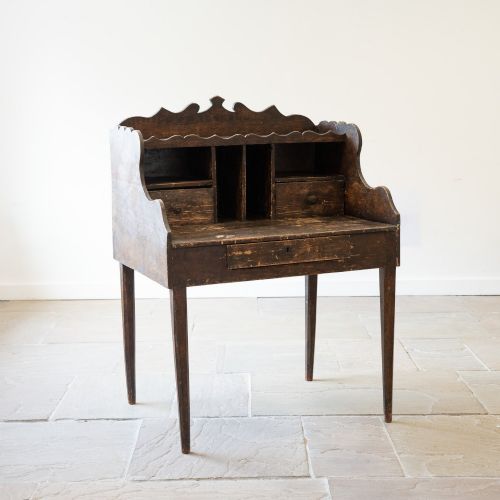
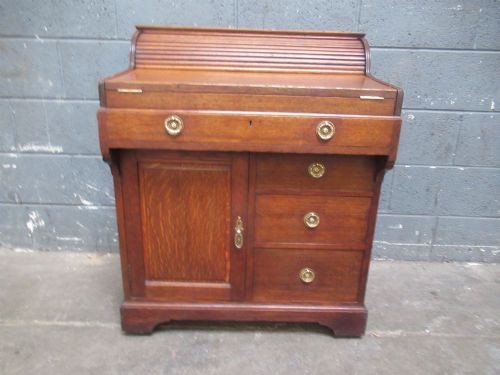
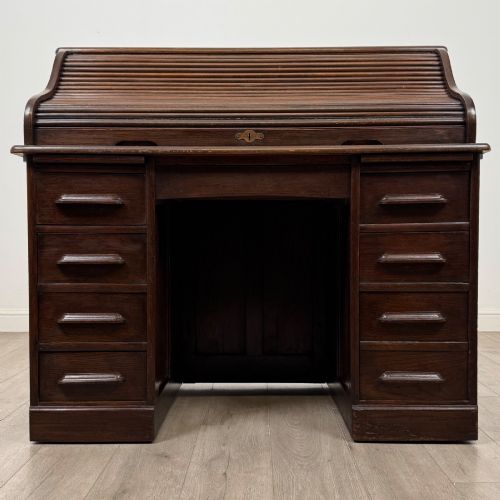
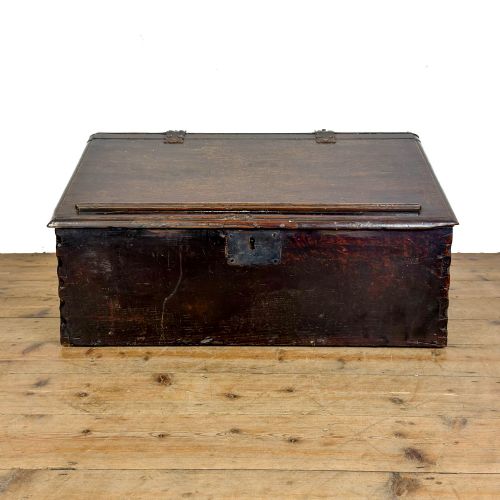
An oak clerk desk spans centuries of practical workspace design, appearing in formats ranging from table-top bible boxes and writing slopes to tall standing pedestals and roll-top cabinets. When exploring this selection, buyers frequently encounter pieces from the Georgian, Victorian, and Edwardian periods, as well as earlier 17th-century examples.
The objects served administrative functions in diverse environments, including estate offices, town halls, churches, and taverns. Alongside traditional desks, the evidence reveals related functional forms such as reception stations, desk tidies, and bureau cabinets.
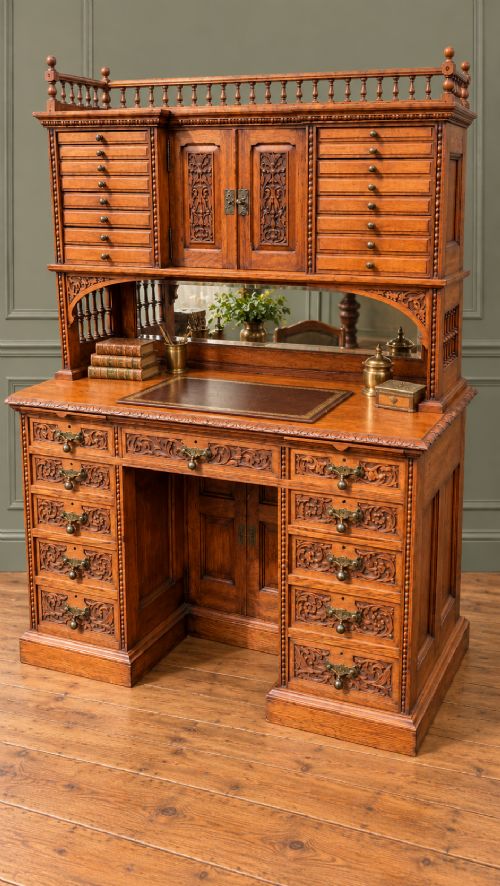
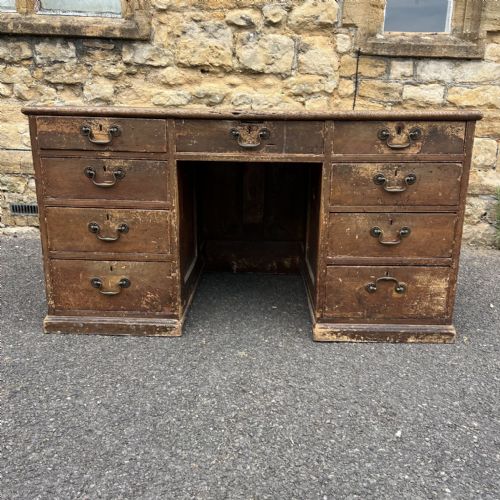
Construction varies from compact table models resting on stands to substantial twin-pedestal writing tables and fitted bureau formats. Solid oak remains the dominant material, often paired with secondary woods like pine or elm.
Materials and Construction
Joinery relies heavily on solid oak, selected for durability and sturdy construction in busy working environments. Secondary timbers such as pine and elm appear in internal components and structural framing.
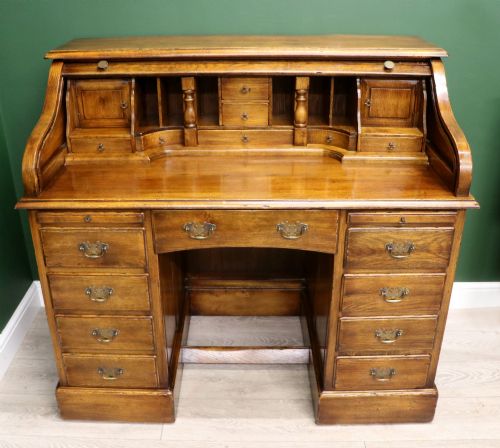
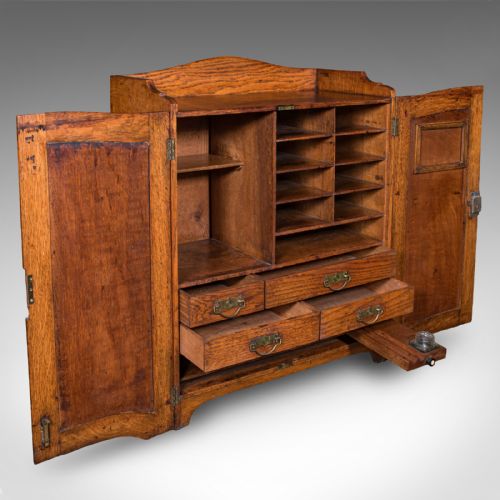
Hardware incorporates brass and iron for hinges, handles, and locking mechanisms, while writing surfaces frequently utilise inset leather or leatherette. Carved friezes and panelled tambour or roll-top mechanisms demonstrate specialised cabinet-making techniques across different periods.
Oak Clerk Desk Retail Price Guide 2026
Typical asking prices for oak clerk desk among the pieces listed under this phrase on Sellingantiques today, from the lower quarter to the upper quarter. They describe what is for sale here now, not the wider market.
Listings feature oak clerk desks spanning the Georgian, Victorian, and Edwardian periods, incorporating materials such as brass, iron, and leather.
Distinctions in Standard
The standard of a piece is evident in the selection of solid timber and the precision of the joinery, particularly in panelled doors, tambour slats, and internal drawer construction. Finer examples display thoughtful integration of hardware, such as original brass or iron fittings, alongside well-proportioned stands or pedestals.
Originality of surface and structure heavily influences the standing of an item, distinguishing pieces retained on their original bases from those adapted onto later stands. The sophistication of internal storage, from fitted letter racks to secret compartments, separates standard utility furniture from superior workshop output.
Pairs MFG Co·Simpsons of Kendall
The Oak Clerk Desk Glossary
- Bible Box
- A small portable wooden box with a sloping lid, used for storing books and writing materials before evolving into dedicated desk forms.
- Tambour Top
- A flexible surface composed of narrow strips of wood glued to canvas, allowing a sliding closure over a desk's pigeonholes and drawers.
- Writing Slope
- A portable box featuring an angled lid that opens to reveal a flat or sloped surface for correspondence and document storage.
- Kneehole Desk
- A compact desk configuration featuring a central recess for the user's legs, flanked by pedestals of drawers.
- Bureau
- A desk form featuring a sloping lid that drops down to create a writing surface, typically concealing internal drawers and pigeonholes.
Oak Clerk Desk: Frequently Asked Questions
What is an oak clerk desk?
An oak clerk desk is a utilitarian workspace traditionally used for accounting, writing, and administrative tasks in offices, institutions, and commercial spaces. These pieces are built predominantly from solid oak and range from compact table-top boxes to large pedestal desks.
Surviving examples reflect the specific operational needs of past centuries, incorporating sloping lids, internal pigeonholes, and secure storage compartments. Their sturdy construction ensures they continue to serve as functional furniture in modern homes.
How do I date an oak clerk desk?
Dating an oak clerk desk involves examining the construction methods, hardware, and stylistic details characteristic of periods like the Georgian era or the Victorian period. Hand-cut dovetails, timber selection, and the presence of original brass or iron fittings provide key chronological indicators.
Changes in office requirements over time also help determine age, as earlier centuries favoured simple bible boxes and sloping desks on stands, while later Victorian and Edwardian periods introduced roll-tops and complex twin-pedestal arrangements.
Where were clerk desks used?
Clerk desks were historically utilised in environments that required standing or seated administrative work, such as merchant offices, banks, town halls, and estate rooms. Specialised versions also appeared in ecclesiastic settings, taverns, and hotel reception areas.
Because they were designed for heavy daily use, their construction prioritized durability and practical document storage over decorative excess, making them reliable pieces for working spaces today.
How do I care for an antique oak desk?
Caring for an antique oak desk involves protecting the timber and any leather writing surfaces from direct sunlight, excessive heat, and moisture fluctuations. Regular dusting with a soft, dry cloth helps maintain the finish without damaging the patina.
Applying a traditional beeswax polish occasionally can nourish the oak and preserve its grain, while avoiding harsh chemical cleaners ensures the historical surface remains intact.