

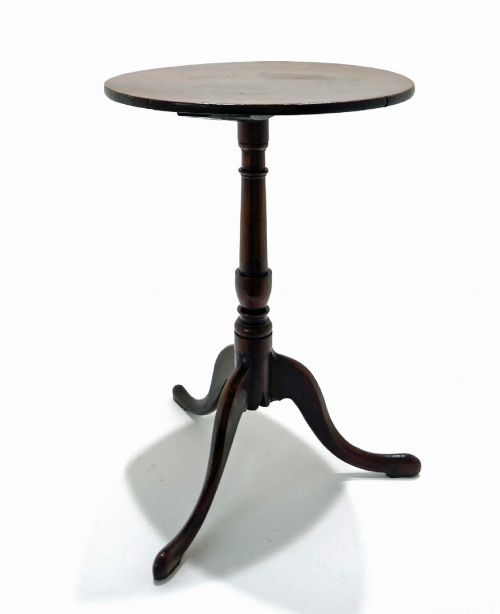
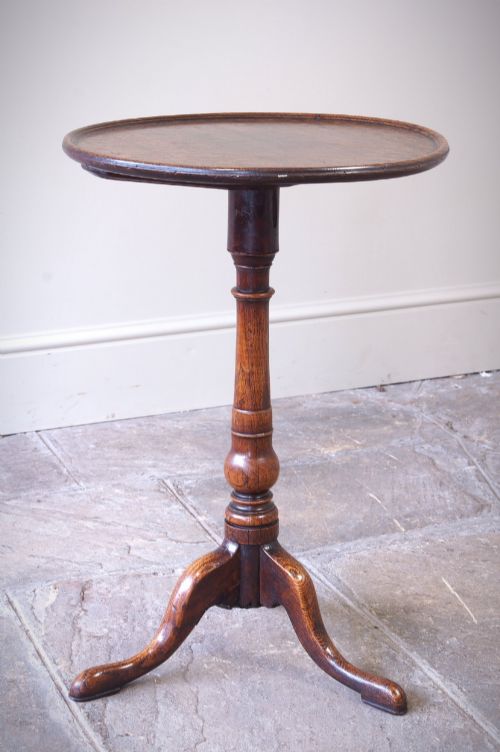
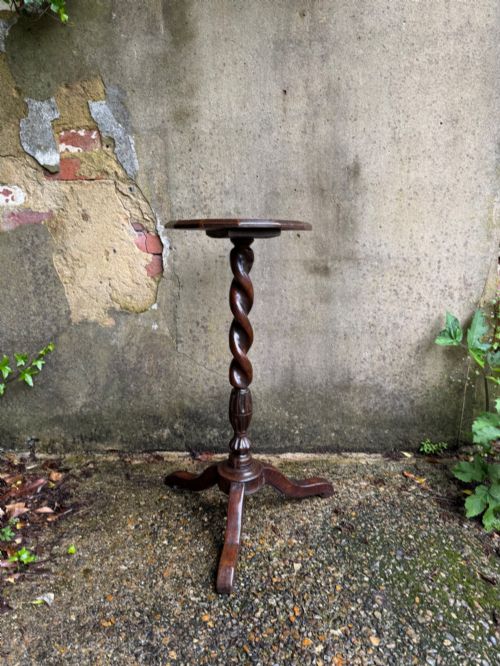
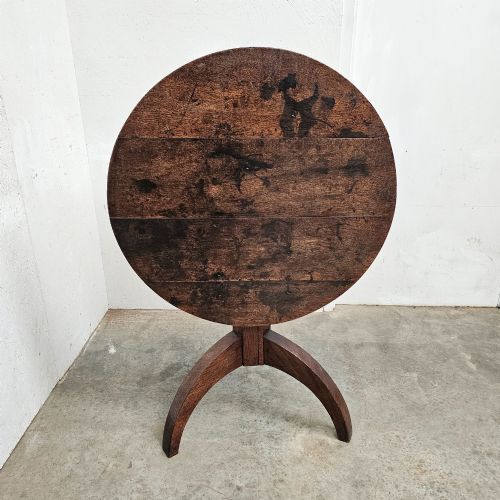
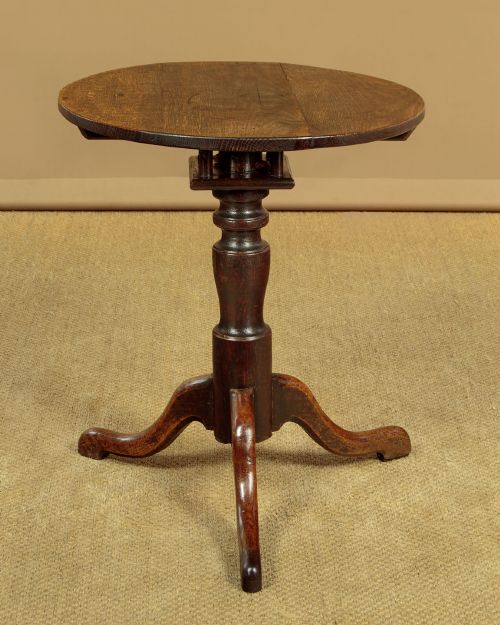


Oak Candle Stand
An oak candle stand is a compact table designed to hold a light source, valued for its rich timber and versatile pillar-and-tripod form.
The Form and Period
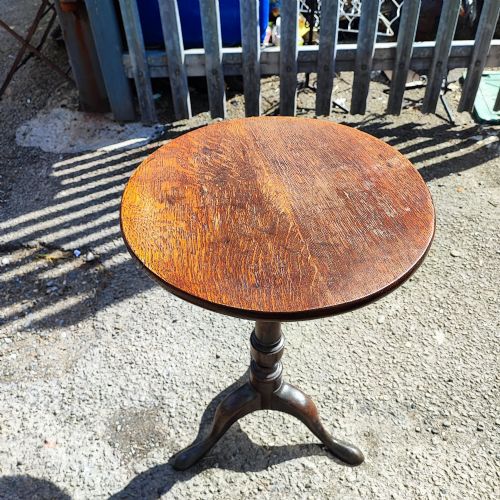
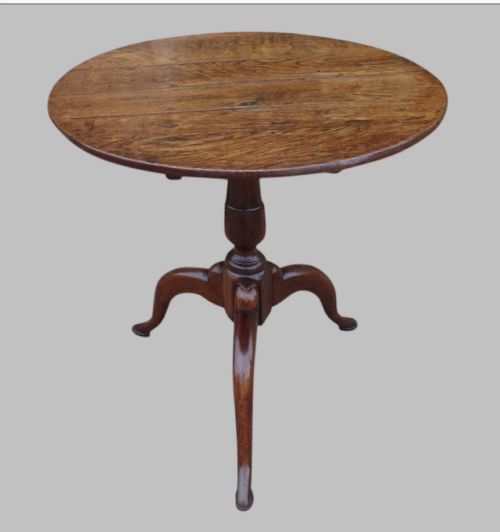
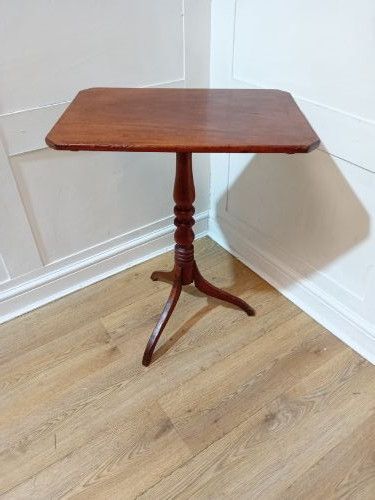
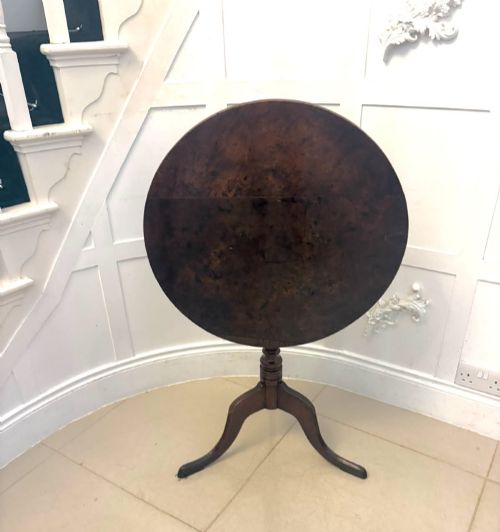
An oak candle stand brings sturdy country craftsmanship to domestic lighting, appearing primarily in Georgian, 18th century and Victorian inventories. When searching for an oak candle stand, buyers encounter distinct regional variations including Welsh and Irish examples alongside English pieces.
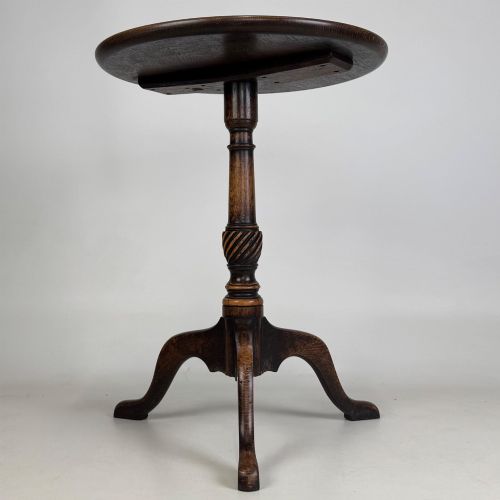
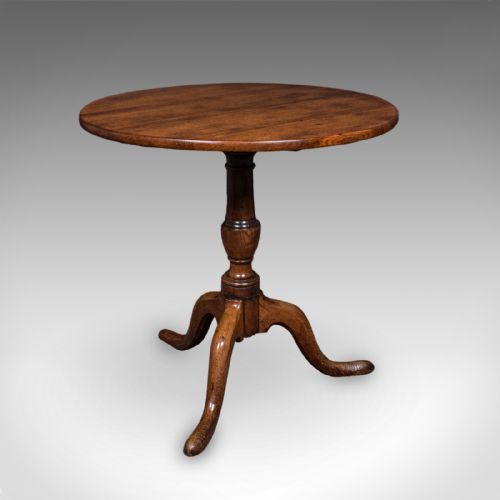
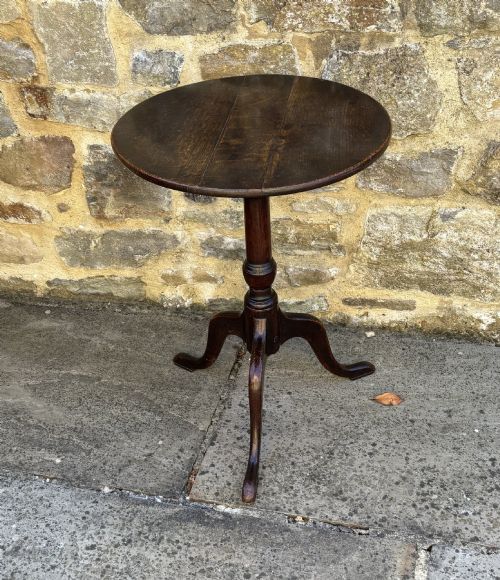
These stands typically take the form of small tripod tables, occasional tables, or slender pedestals designed to elevate a single candle. Surviving pieces range from plain 18th century formats to later Arts and Crafts interpretations and specialised meeting room stands.
Materials and Construction
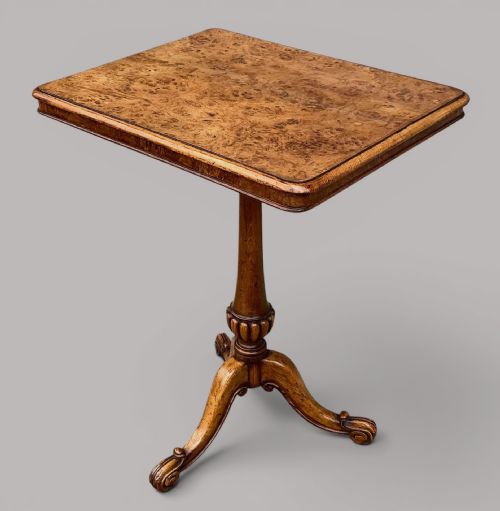
The primary material across these pieces is solid oak, frequently selected for its durability and prominent grain. Cabinet makers also utilised burr oak to introduce striking natural figuring to the top surfaces.
Secondary timbers such as elm and pine appear in country furniture pieces, particularly for structural supports or hidden components. Tripod legs and turned stems are shaped by hand or lathe, joining cleanly to circular or shaped tops.
Retail Price Guide 2026
Typical UK retail prices for oak candle stand, calculated from the Sellingantiques database of over a million retail prices indexed since 2003. This retail price guide relies exclusively on Sellingantiques data; no external sources or auction records are used, so the figures do not describe the wider market.
The surviving pieces span Georgian, Victorian and 18th-century periods, constructed primarily in solid oak and burr oak.
Judging the Range
Quality in these stands rests upon the depth of patination and the integrity of the timber. Examples exhibiting rich, untouched surface colour and figuring sit at the upper end of the range.
Proportion and stability separate standard utility pieces from finer country workshop items. Slender turned columns and well-balanced tripod bases demonstrate superior execution by the maker.
The Oak Candle Stand Glossary
- Tripod table
- A small circular table supported by three legs radiating from a central pillar. This construction prevents wobbling on uneven floorboards.
- Patination
- The lustrous surface sheen and deep colour developed by timber over centuries of handling and exposure to light. It serves as a primary indicator of genuine age.
- Torchere
- A tall, slender stand or pedestal originally intended to carry a torch or heavy candlestick. Later examples often accommodate plants or decorative vases.
- Burr oak
- A specialised timber growth yielding highly figured, swirling wood grain. Cabinet makers prized this material for decorative table tops.
- Country furniture
- Domestic items produced by regional makers using local timber rather than urban guild workshops. These pieces emphasise functional utility and robust construction.
Frequently Asked Questions
What was an oak candle stand used for?
These stands held single candles or small lamps to provide localized illumination in dark rooms before electric lighting. They were easily moved beside a chair or bed as needed.
Over time, many of these versatile pieces also functioned as small wine tables or display surfaces for decorative items in domestic interiors.
How do I identify an 18th century stand?
Eighteenth-century stands typically feature hand-turned central columns, pegged joints, and heavy oak timbers showing natural wear and rich patination. Tool marks and subtle irregularities in the wood indicate manual shaping.
Later Victorian and 19th-century reproductions or variants often display more uniform machine turning and standardised joint construction.
Can these stands support heavy items today?
Most surviving stands possess sturdy tripod bases and solid oak construction capable of supporting lamps, small plants, or decorative vessels safely. Their compact footprint keeps them stable when placed on level floors.
Care should be taken with exceptionally slender stems or antique joints when positioning heavier modern objects on the top surface.
Where should I place a candle stand at home?
Their compact dimensions make these stands ideal for filling awkward corners, serving as a bedside perch, or standing beside an armchair. They require minimal floor space while offering a useful surface.
Placing them away from direct heat sources and strong sunlight protects the historic oak timber and preserves the natural surface finish.