



Oak Buffet with Mirror
An oak buffet with mirror brings solid timber and reflective glass together to anchor a dining room or hallway.
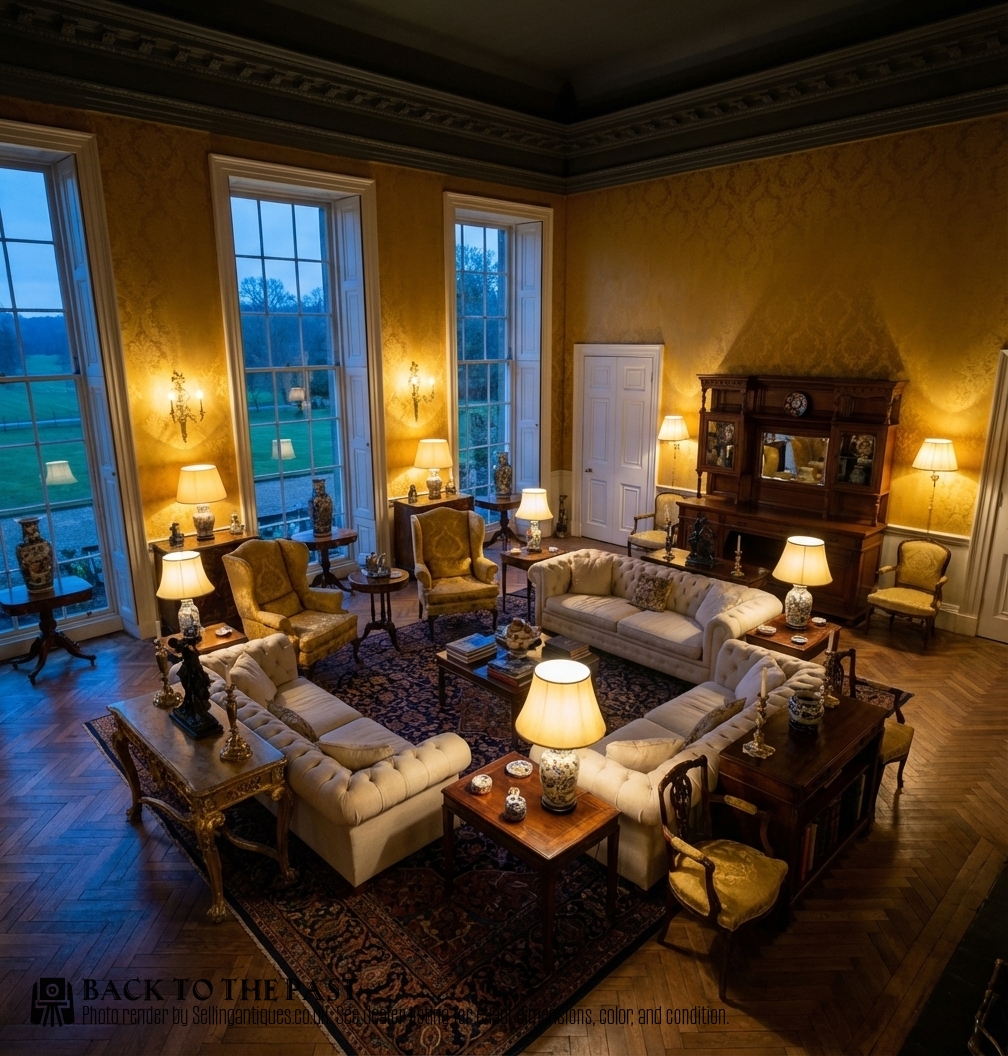
Oak Buffet with Mirror
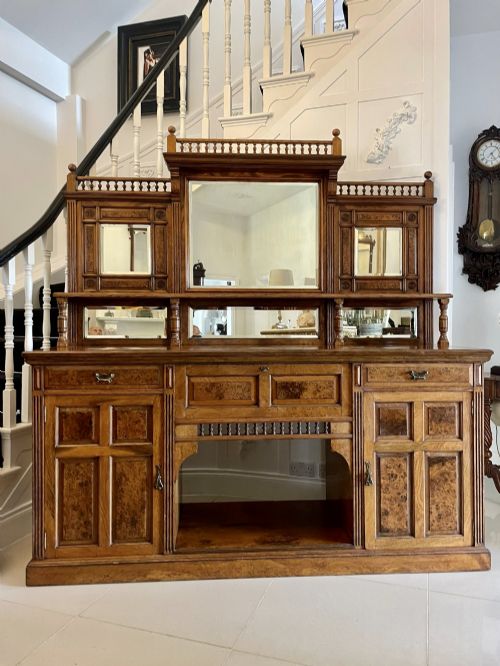
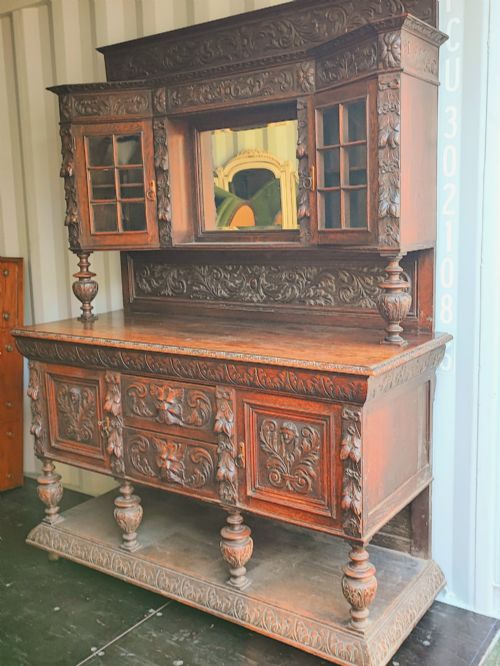
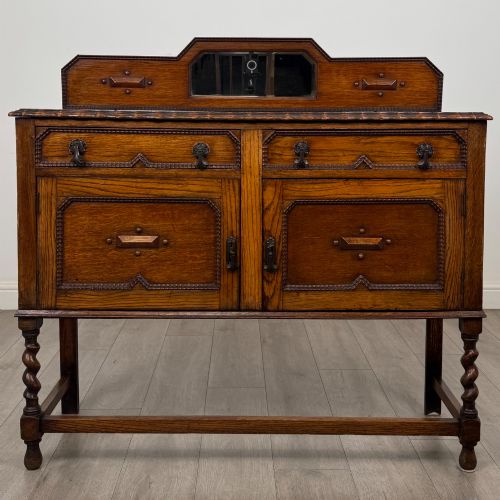
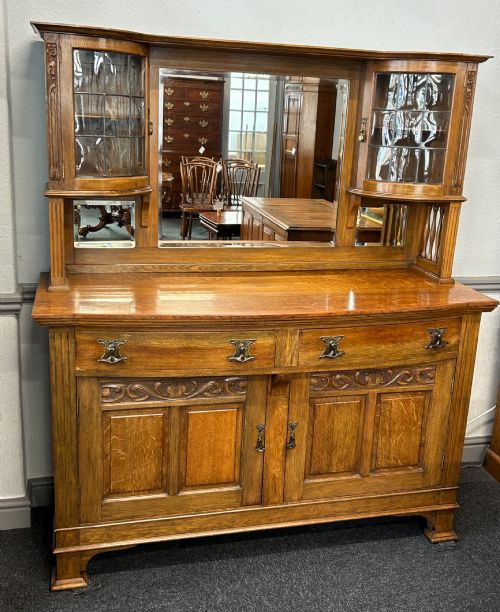
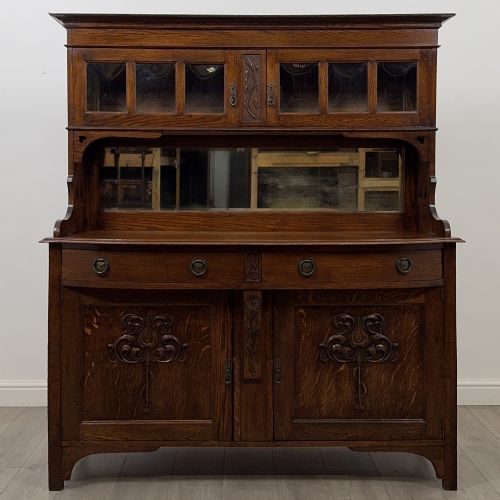
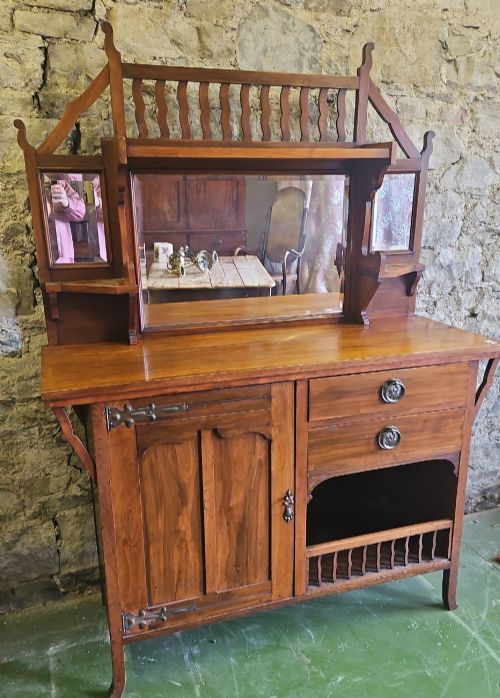
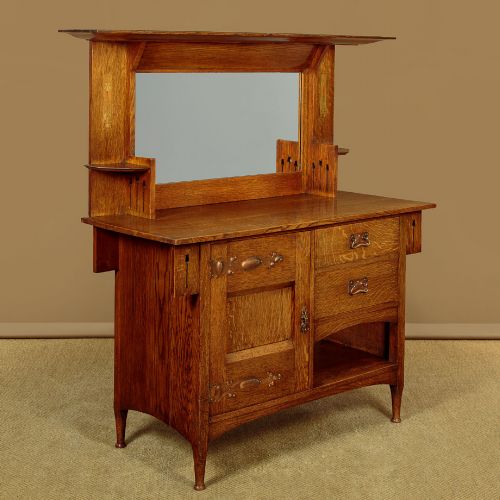
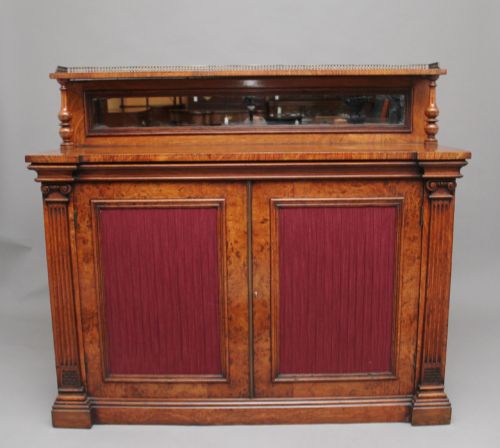
An oak buffet with mirror takes the form of a heavy sideboard or cabinet topped by an integrated looking glass. These substantial furniture items provide generous storage behind wooden doors alongside display space on their broad surfaces.
Most examples date from the Victorian and Edwardian periods, stretching from the late nineteenth century into the early twentieth century. Makers of this era often drew inspiration from Jacobean Revival and Arts and Crafts design principles to shape their heavy timber carcases.
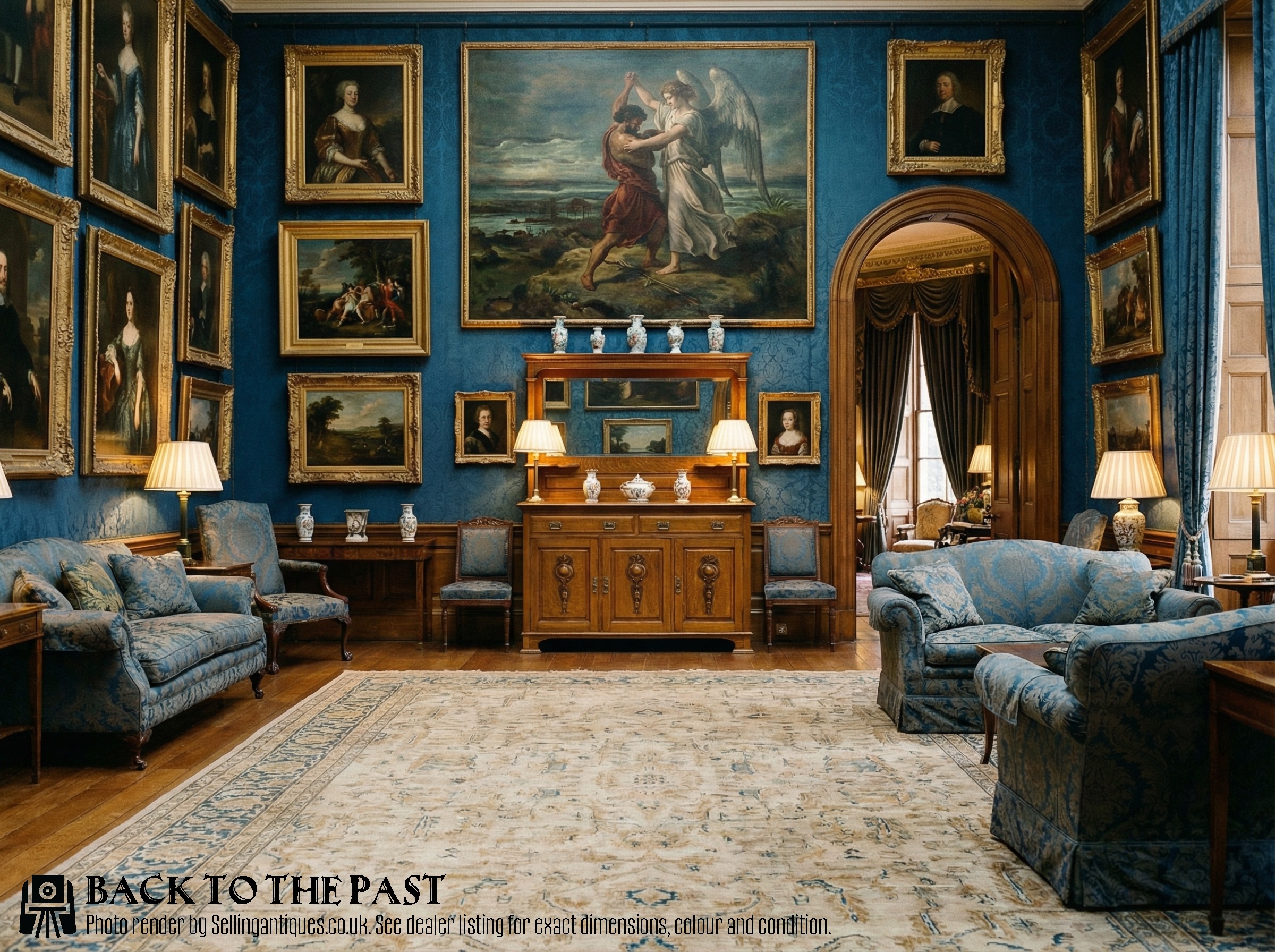
How they were made
Cabinet makers built these pieces using solid oak and pollard oak, sometimes incorporating pine for secondary structural parts. They added brass hardware such as drop handles and drawer pulls to complete the heavy wooden construction.
The decorative surfaces frequently feature deep hand carving alongside bevelled mirror glass fitted into wooden frames. Some examples incorporate glazed doors featuring leaded glass panels to hold crockery and glassware.
Oak Buffet with Mirror Retail Price Guide 2026
Typical asking prices for oak buffet with mirror among the pieces listed under this phrase on Sellingantiques today, from the lower quarter to the upper quarter. They describe what is for sale here now, not the wider market.
The documented pieces demonstrate a stylistic bridge from elaborate Victorian Renaissance Revival carvings to simpler Arts and Crafts forms.
What varies in quality
The depth and execution of the carved ornamentation separate standard production from superior workshops. Crisp, intricate foliage and linenfold panels demand skilled hand work that elevates the overall presence of the furniture.
The choice of timber grain also dictates the visual hierarchy of the piece. Selected pollard oak sections and heavily figured quartersawn oak display striking natural patterns that mark out the better examples.
The Oak Buffet with Mirror Glossary
- Pollard Oak
- Timber harvested from trees that were pruned above the height of grazing animals, producing a dense and highly figured grain pattern. This decorative wood was frequently selected for prominent door panels and drawer fronts.
- Leaded Glass
- Small panes of glass held together by strips of lead came to form geometric or decorative patterns. This technique appeared frequently in the doors of late nineteenth and early twentieth century cabinets.
- Jacobean Revival
- A nineteenth century design movement that reinterpreted seventeenth century English furniture styles. Pieces in this manner typically feature heavy proportions, geometric moulding, and turned supports.
- Mirror Back
- An upright wooden frame containing a large glass mirror attached to the rear of a sideboard or buffet. This feature reflected light into dining spaces and created an illusion of greater room depth.
Oak Buffet with Mirror: Frequently Asked Questions
How do I care for antique oak?
Feed the timber periodically with a traditional beeswax polish to prevent the grain from drying out over time. Avoid placing heavy wooden furniture near direct heat sources or in strong sunlight.
Keep the bevelled mirror glass clean using a simple dry cloth or a minimal amount of glass cleaner applied to a rag rather than directly onto the silvered backing.
Where should I place a mirror back sideboard?
These large pieces suit dining rooms, grand hallways, or spacious living areas where their considerable height and depth can be accommodated safely. The reflective glass works well to bounce natural light around darker corners.
Ensure the wall behind the sideboard is sturdy enough to support the heavy frame if additional wall fixings are required for stability.
How do I distinguish Victorian from Edwardian styles?
Victorian examples generally lean towards heavier carved decoration, darker timber tones, and Renaissance or Jacobean revival influences. They prioritize formal presence and dense ornamentation.
Edwardian pieces often show the lighter influence of the Arts and Crafts movement with simpler lines, brighter oak finishes, and more restrained geometric detailing.
What is pollard oak?
Pollard oak comes from trees that were repeatedly cut back at the trunk to encourage dense branch growth, which creates a distinctive clustered knot pattern in the sawn timber. Cabinet makers prized this figured wood for high status furniture.
On a sideboard, pollard oak veneer or solid sections appear on drawer fronts and door panels to create strong visual contrast against plain framing timber.