

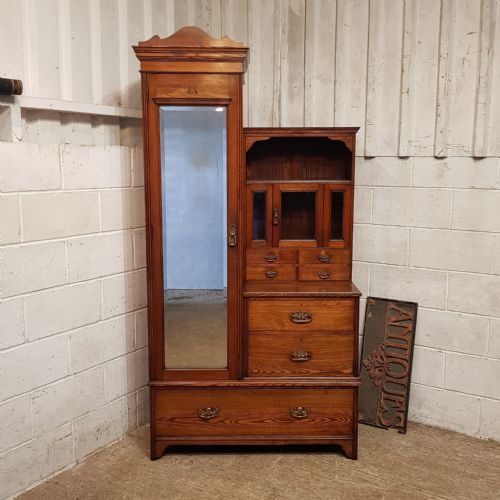


Edwardian Mirrored Dresser
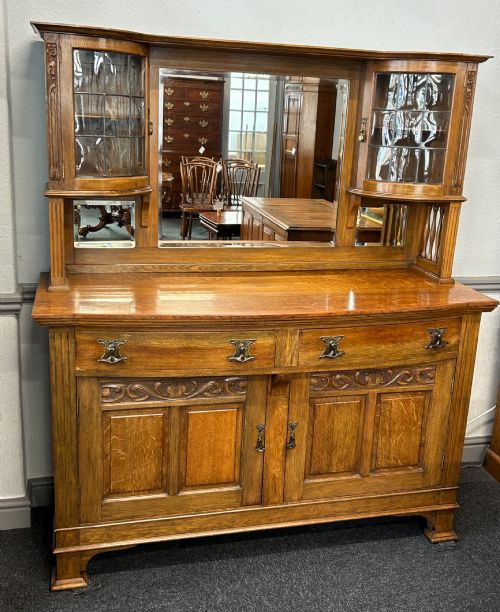
An Edwardian mirrored dresser brings practical storage and a reflective glass back together in solid oak, mahogany, or walnut.
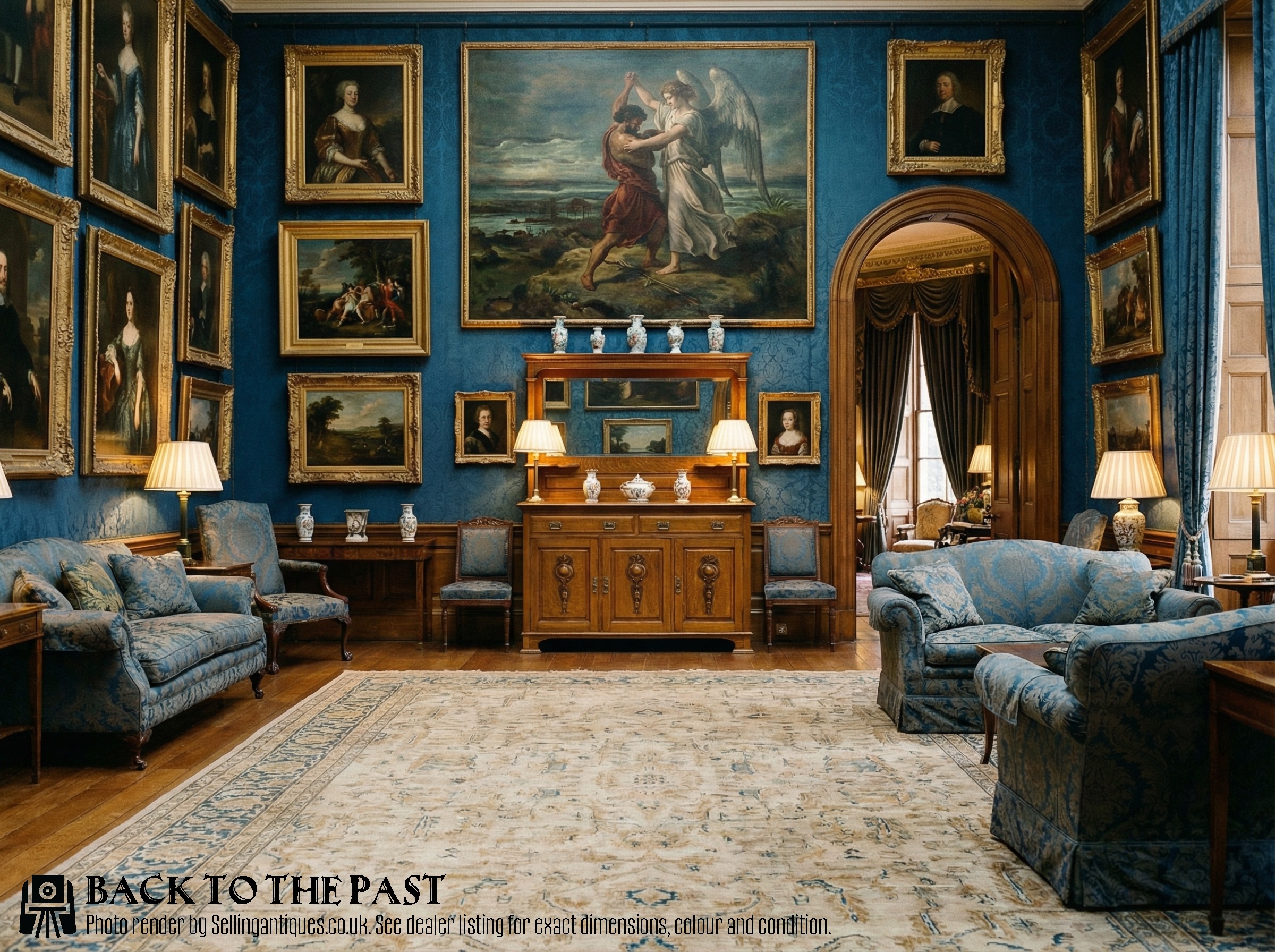
Edwardian Mirrored Dresser
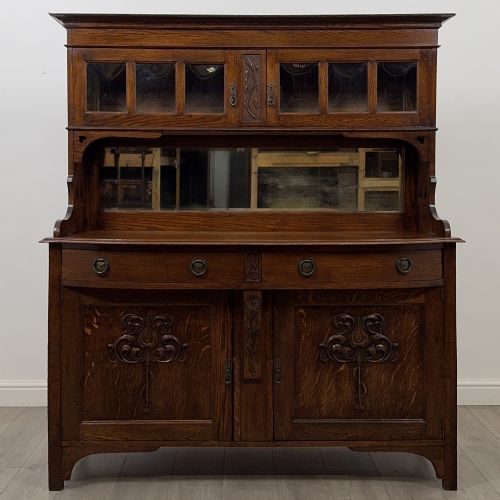
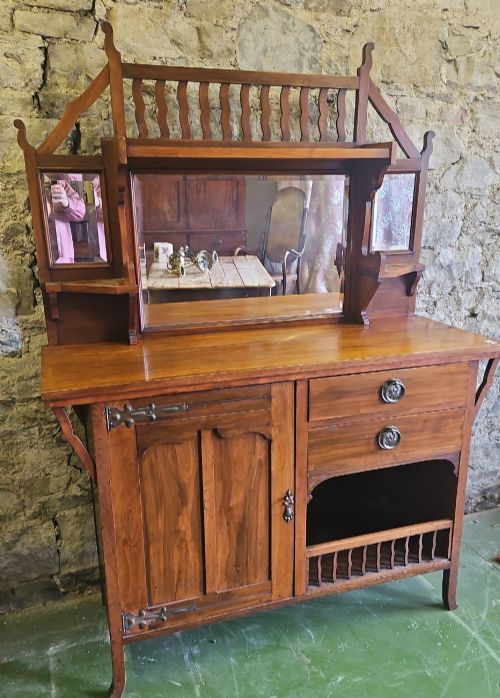
When you search for an edwardian mirrored dresser, you encounter large timber cabinets combining a polished wood base with an integrated mirror back. The examples on this page span the late nineteenth century through to the early twentieth century, taking the form of sideboards, dressing tables, and display cabinets.
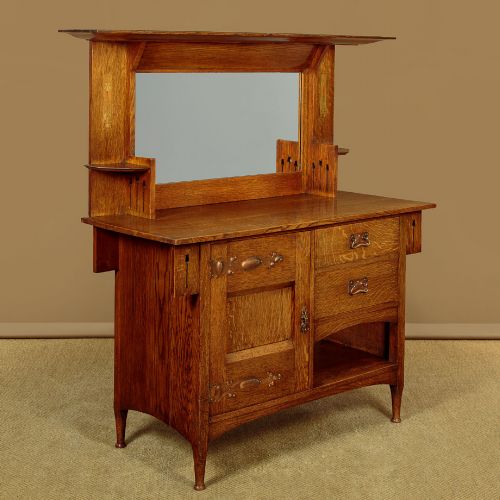
Oak and mahogany dominate these pieces, alongside variants in ash, rosewood, and walnut. Many feature the distinctive linear designs of the Arts and Crafts movement or the flowing curves of Art Nouveau.
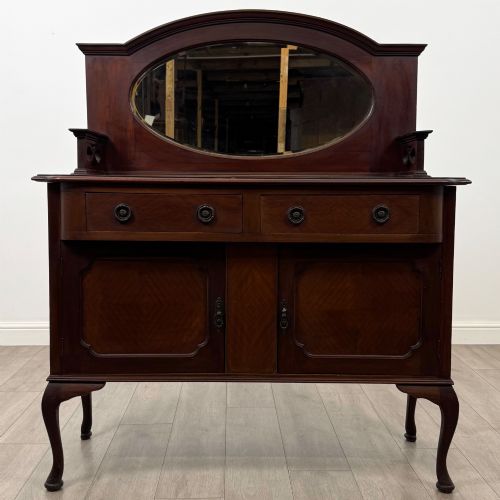
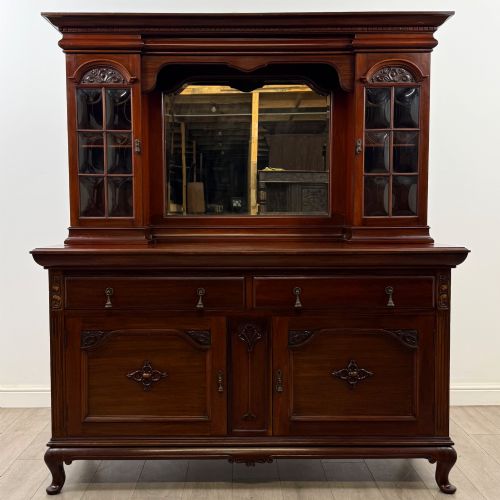
The mirror glass itself sits securely within a carved or plain wooden frame above the main counter or drawers. Buyers find both compact dressing tables with oval mirrors and expansive sideboards featuring large rectangular glass plates.
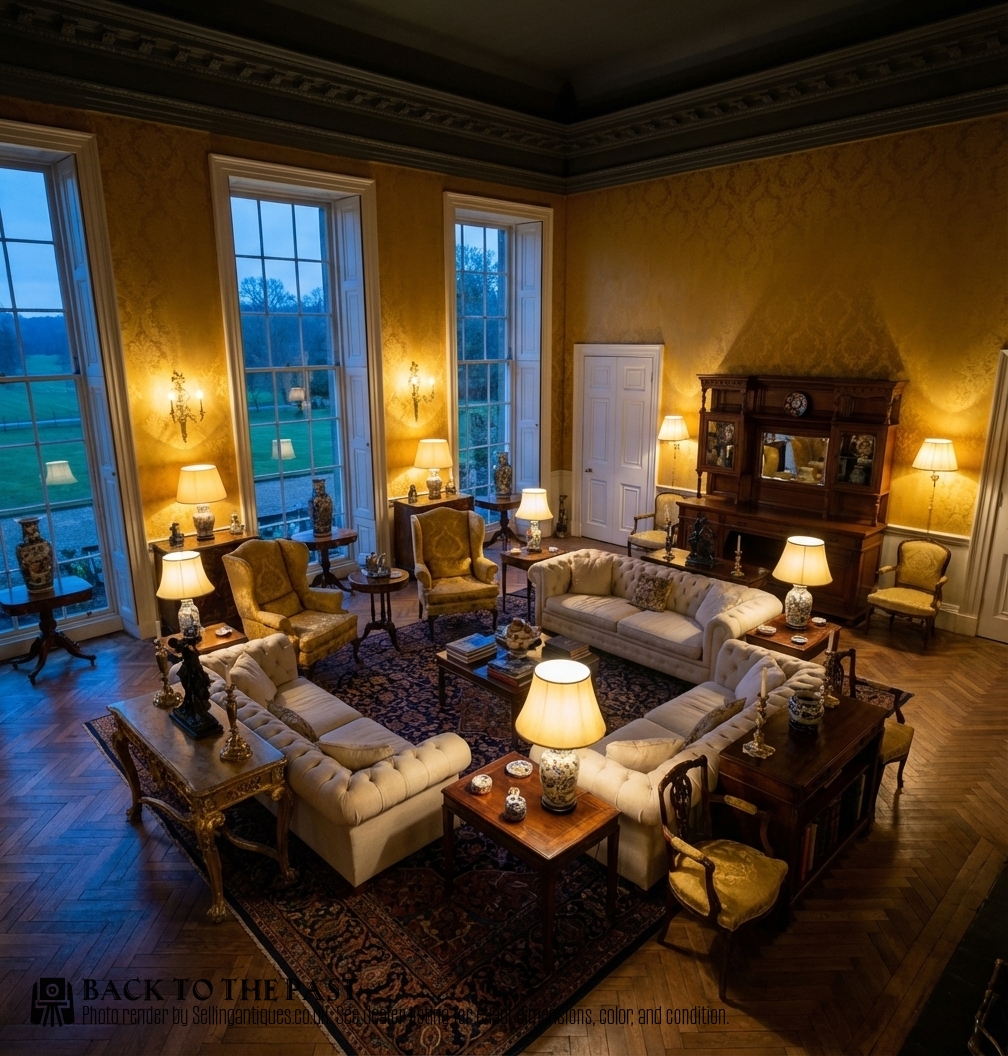
Materials and Construction
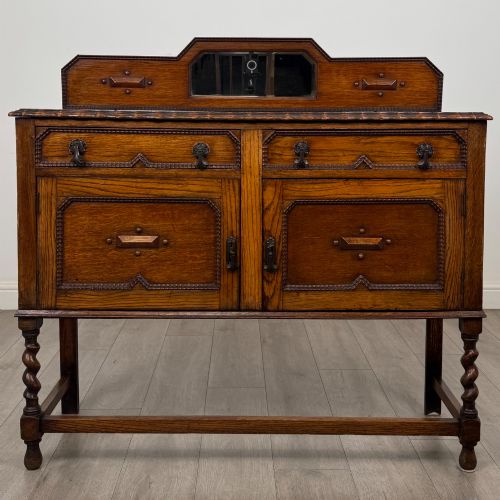
Cabinet makers utilised solid timbers like oak and mahogany for the main structures, frequently employing golden oak and pollard oak for distinct grain patterns. Brass and copper hardware, including handles and hinges, provide functional contrast to the dark and light wood surfaces.
Glass forms the central mirror backs and occasional cabinet doors, sometimes accompanied by leaded glass panels or decorative majolica tiles. Joinery relies on traditional methods to support heavy mirror frames above sideboard bases and dressing tables.
Edwardian Mirrored Dresser Retail Price Guide 2026
Typical asking prices for edwardian mirrored dresser among the pieces listed under this phrase on Sellingantiques today, from the lower quarter to the upper quarter. They describe what is for sale here now, not the wider market.
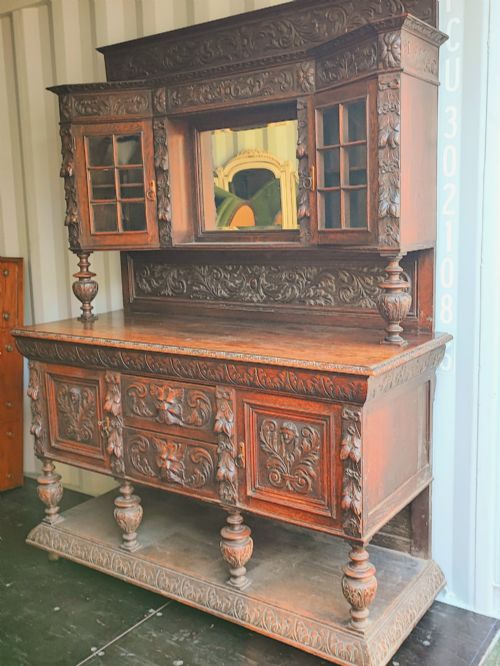
Some solid oak sideboards feature fierce green man carvings watching over the dining room.
Assessing Craftsmanship
The depth and precision of hand carving separate standard production furniture from superior workshop pieces. Heavy relief work, such as green man motifs or intricate floral panels, requires skilled hand labour that elevates the status of a sideboard.
The choice of timber and veneer grading determines the visual richness of the grain. Selected quartersawn oak and figured mahogany display a depth of figure that plain timber lacks.
T Simpson and Son·Shapland & Petter
The Edwardian Mirrored Dresser Glossary
- Mirror Back
- A wooden superstructure holding a glass mirror plate attached to the rear of a sideboard or dressing table. It serves to reflect light and display decorative items on the surface below.
- Arts and Crafts
- A design movement valuing handcraftsmanship and simple forms over mass production. Pieces from this style often display exposed joinery and honest use of materials.
- Art Nouveau
- A decorative style characterised by fluid, organic lines and stylised plant motifs. It appears frequently on cabinet hardware and carved panels of this era.
- Pollard Oak
- Timber taken from trees that have been pollarded, resulting in a dense, highly figured grain pattern. Cabinet makers prize this wood for feature panels.
- Dressing Table
- A low table fitted with a mirror and drawers used for personal grooming. Edwardian examples often include tilting oval or rectangular mirror plates.
Edwardian Mirrored Dresser: Frequently Asked Questions
How do I clean the mirror glass safely?
Use a soft microfiber cloth with a mild glass cleaner sprayed onto the cloth rather than directly onto the glass. This prevents moisture from seeping behind the silvered backing.
Avoid harsh chemical ammonia sprays that can damage the antique silver coating and the surrounding wooden frame.
Where should I place this furniture at home?
Position the piece against a sturdy interior wall away from direct sunlight to protect the timber polish and mirror silvering. Placing it opposite a window helps the mirror reflect natural light into the room.
Ensure the floor is level so the heavy timber doors and drawers operate smoothly.
How do I tell Edwardian pieces from Victorian ones?
Edwardian furniture generally exhibits lighter timber tones, cleaner lines, and less heavy ornamentation than earlier Victorian items. The influence of Arts and Crafts and Art Nouveau appears more frequently in the later period.
Victorian pieces often feature darker finishes, heavier carvings, and more ornate Renaissance revival details.