





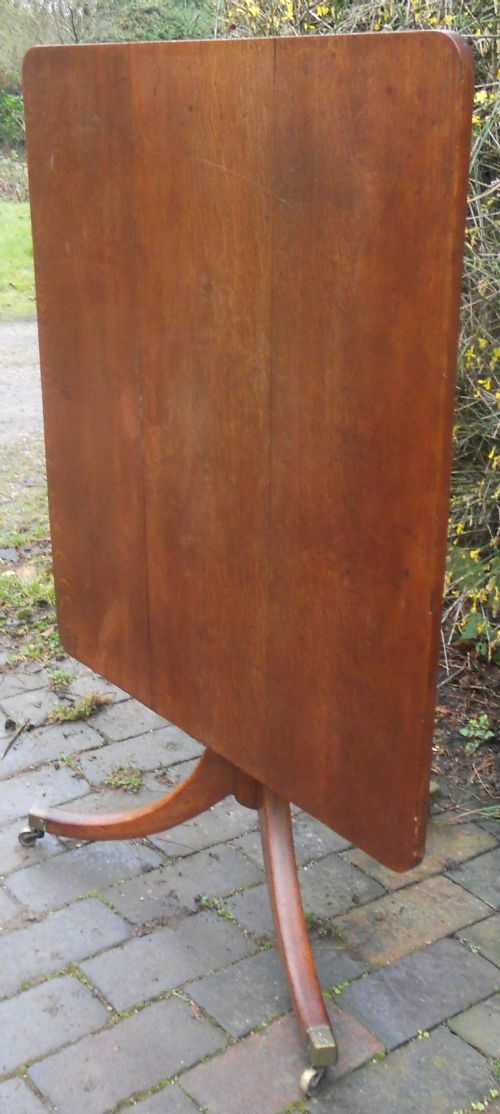
Oak Brass Top Table
These oak brass top table pieces combine robust timber and metalwork, offering practical surface space with a distinctive metallic sheen.
Oak Brass Top Table
An oak brass top table brings together durable structural wood and a metallic surface, forming a functional item for everyday use. When searching for an oak brass top table, buyers encounter examples from periods such as the Victorian and Edwardian eras, alongside Arts and Crafts designs.
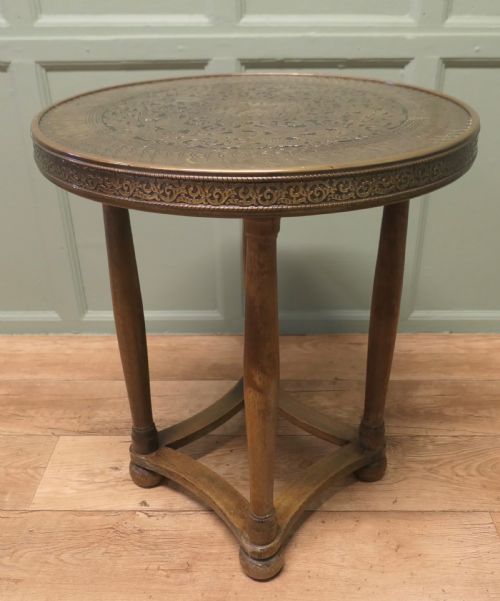
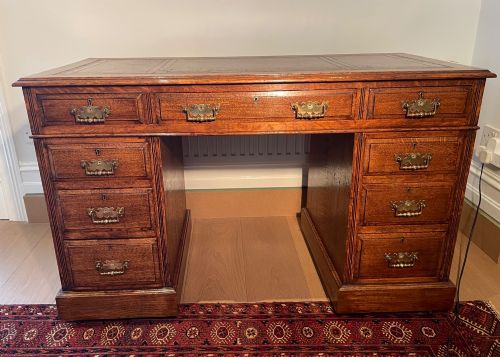
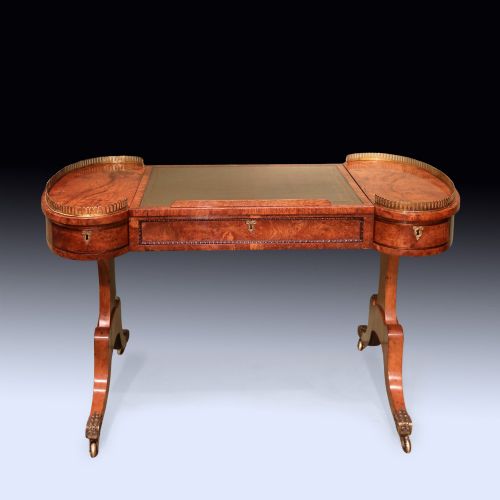
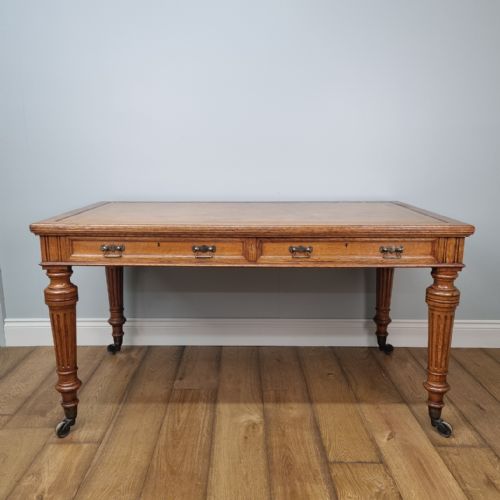
The selections span various forms incorporating oak construction paired with brass elements. Pieces range from specific occasional tables to broader desks and writing tables featuring metal accents.
Originating largely from nineteenth and early twentieth century workshops, these items reflect historical stylistic shifts from ornate Victorian revivals to simpler Arts and Crafts principles.
Evaluating Craftsmanship and Finish
The standard of timber selection heavily influences the overall quality of a piece. Finer examples feature carefully chosen burr oak veneers or selected solid oak boards with consistent grain alignment.
The execution of the metalwork and its integration with the wood separates superior items from simpler utilitarian versions. Precise fitting of brass tops and clean joins demonstrate higher artisan skill.
Stylistic cohesion and the fidelity of revival periods, such as Jacobean or Regency styles, indicate the original workshop's competence. Well-executed decorative elements reflect the care taken during initial manufacture.
Oak Brass Top Table Retail Price Guide 2026
Typical asking prices for oak brass top table among the pieces listed under this phrase on Sellingantiques today, from the lower quarter to the upper quarter. They describe what is for sale here now, not the wider market.
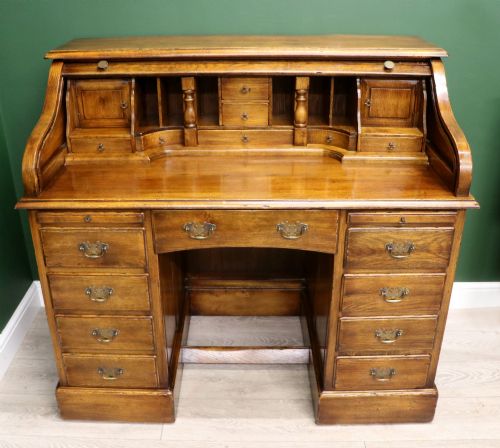
Some items hid the daily bookkeeping behind clever roll tops and revolving bookcases.
Blyth & Son·Gillow & Co·Negretti & Zambra·Johnstone Jeanes & Co·Howard & Sons
The Oak Brass Top Table Glossary
- Oak
- A dense, durable hardwood utilised extensively in period furniture making. Its prominent grain structure accepts various finishes and supports robust construction.
- Brass
- A copper and zinc alloy prized for its bright golden appearance and corrosion resistance. It is commonly employed for decorative tops, handles, and mounts.
- Burr Oak
- A specialised timber cut from tree growths containing clustered bud marks. This wood yields highly figured veneer patterns favoured in luxury furniture.
- Arts and Crafts
- A design movement prioritising traditional craftsmanship and simple forms over mass production. Pieces from this style often emphasise honest construction and visible materials.
- Victorian
- A historical period spanning the nineteenth century characterised by diverse stylistic revivals. Furniture from this era ranges from ornate Gothic designs to Aesthetic Movement pieces.
Oak Brass Top Table: Frequently Asked Questions
What periods do these tables come from?
The available pieces originate primarily from the nineteenth and early twentieth centuries. Common eras represented include the Victorian and Edwardian periods.
Additional examples reflect specific design movements like Arts and Crafts and the Aesthetic Movement. Dates span from the late nineteenth century through to the 1930s.
How should I clean a brass top?
Maintenance requires gentle cleaning to preserve the metal surface without stripping its historical patina. Use a soft, dry cloth to remove dust regularly.
Avoid harsh chemical polishes that might damage the surrounding oak timber. Consult a professional restorer if the metal requires deeper intervention.
Are these pieces suitable for daily use?
These tables and desks were constructed for practical environments, from offices to country houses. Their solid oak frames provide sturdy support for daily tasks.
Care should be taken to protect both the wood and metal surfaces from excessive moisture and heat. Using coasters and desk pads helps maintain the original finish.
How do I identify an Arts and Crafts style?
Arts and Crafts pieces focus on visible construction methods and honest use of materials. They typically eschew excessive ornamentation in favour of clean, functional lines.
Items from this tradition often feature solid oak construction paired with hand-beaten brass details. Makers from this movement valued traditional artisan techniques over industrial uniformity.