
Carved Brass Table
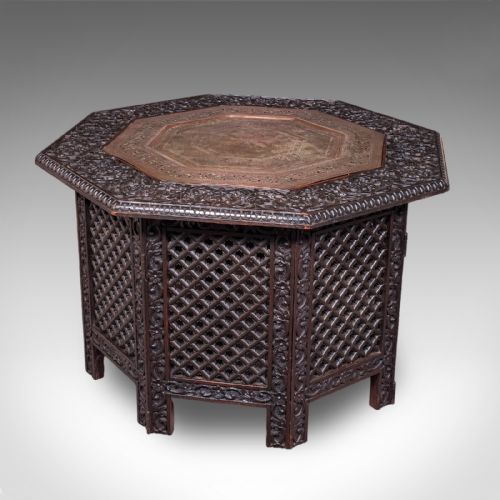
A carved brass table brings together the weight of beaten metal and the warmth of carved hardwoods across eras from the nineteenth century onward.
Carved Brass Table
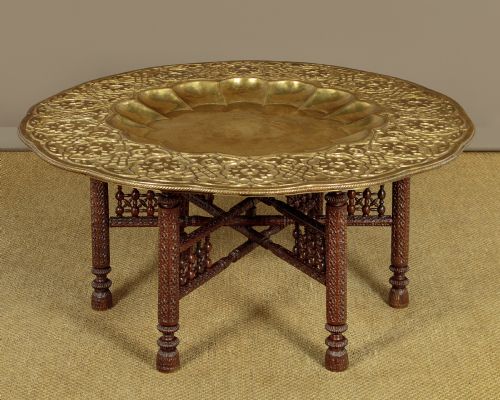
The most common examples on this page are occasional tables, folding tray tables, and side tables dating from the late nineteenth century to the Edwardian period.
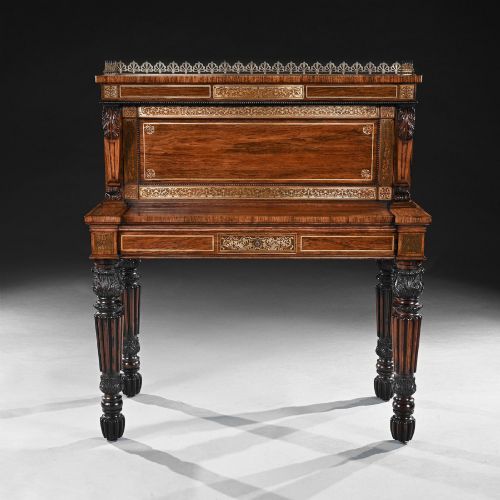
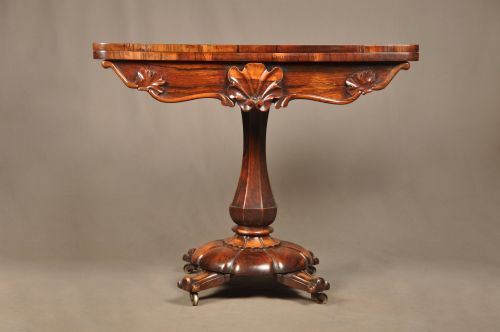
These items combine decorative metalwork with structural timbers such as teak, rosewood, and oak, often designed for portability with collapsible stands.
How they were made
Makers shaped the brass through beating, embossing, and intricate chasing, creating dense surface patterns of foliage and geometric motifs.
The wooden components - often hardwood like teak or shesham - were hand-carved with pierced fretwork and folding mechanisms to support the heavy metal tops.
Several tables arrive with folding stands designed to pack flat, proving that Victorian travel convenience had a remarkably portable charm.
What varies in quality
Depth and clarity in the metal chasing distinguish superior examples from flatter, mass-produced stampings.
The precision of the joinery in the folding wooden bases and the weight of the brass indicate the standard of production.
Brockbanks And Atkins·Walker And Hall·Winterhalder·Lenzkirch·Ellicott And Smith
The Carved Brass Table Glossary
- Anglo-Indian
- A style of furniture produced in India during the British period, combining British forms with traditional local carving.
- Hoshiarpur
- A North Indian centre known for intricate brass and copper wire inlay set into carved wooden furniture.
- Chasing
- A metalsmithing technique where the design is hammered into the front of the brass rather than cut away.
- Occasional table
- A small, movable table designed for specific, intermittent use in a principal room.
Carved Brass Table: Frequently Asked Questions
How do I clean a carved brass table?
Dust the surface regularly with a soft cloth to prevent dirt settling into the recessed chased details of the brass.
Avoid harsh chemical dips that strip the aged patina, opting instead for gentle, non-abrasive cleaning suitable for historic metalwork.
Are these tables sturdy enough for daily use?
Many examples feature folding wooden stands designed for practical mobility, which require careful handling when moving.
Heavier fixed-base tables offer greater stability, though the brass tops should still be protected from heavy impacts and moisture.
Where were these tables made?
The pieces originate from diverse workshops, with many traditional brass-inlaid examples coming from Indian centres like Hoshiarpur.
Others reflect European interpretations of Eastern styles popular during the late Victorian and Edwardian eras.
How do I date a carved brass table?
Examine the construction of the wooden base, the type of timber used, and the style of the hand-carved motifs.
Late nineteenth and early twentieth-century pieces often display specific colonial trade characteristics and distinct fastening methods.