

Oak Armoire Cabinet
When you search for an oak armoire cabinet, you enter a tradition of large storage furniture spanning centuries from French provincial workshops to English country houses.
Oak Armoire Cabinet
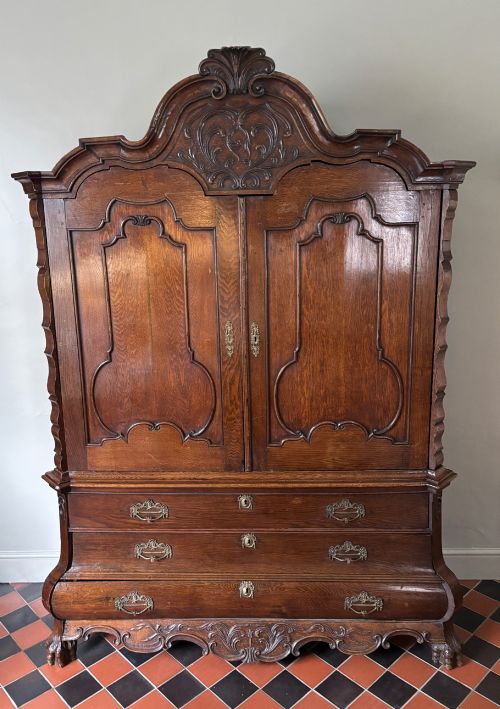
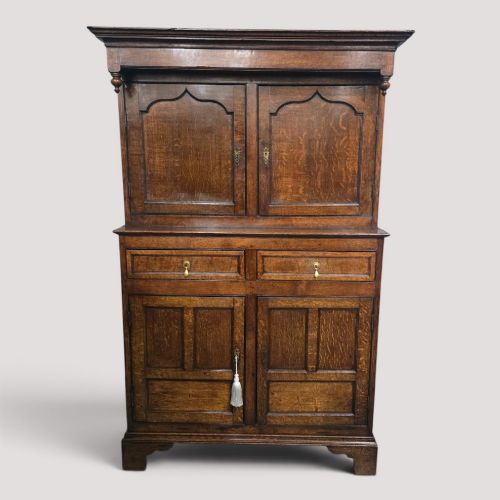
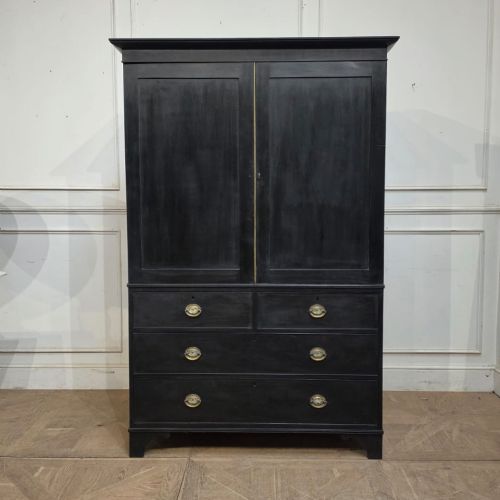
An oak armoire cabinet combines the functions of a wardrobe, linen press, and general storage cupboard within a substantial wooden frame. You will encounter pieces ranging from seventeenth-century Dutch and Flemish designs to eighteenth-century French regional models and later Victorian and Edwardian iterations.
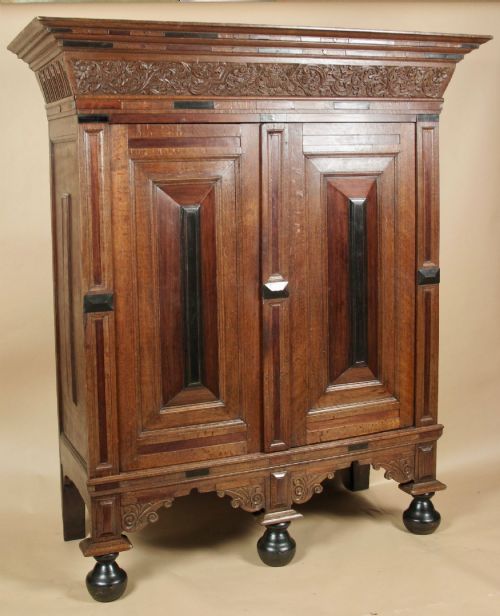
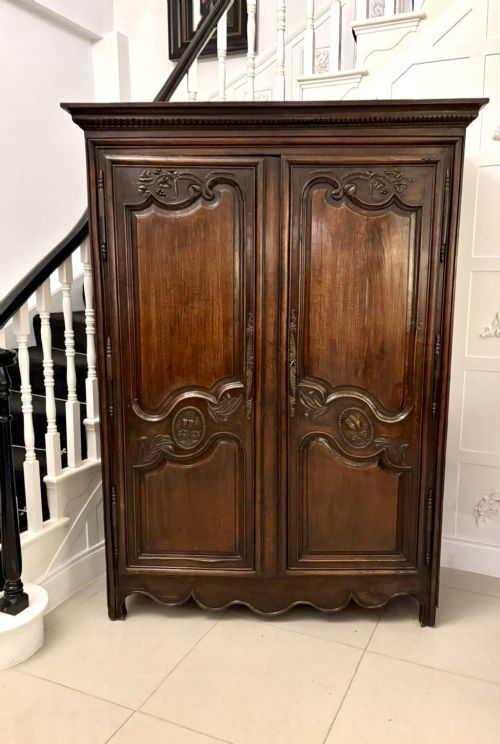
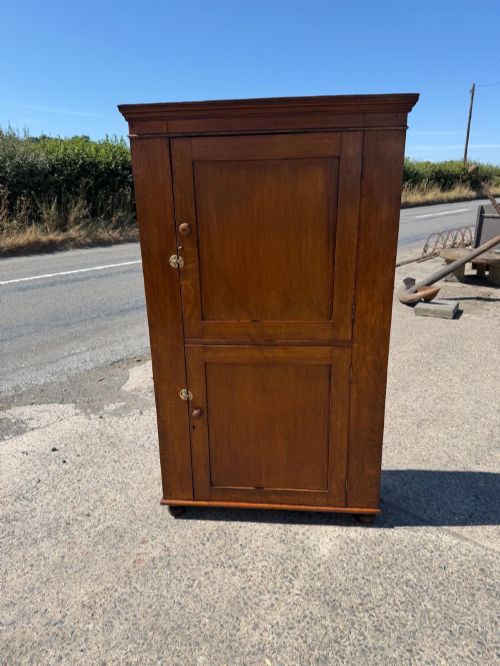
The form stretches across various domestic contexts, appearing as court cupboards, housekeeper storage units, larder cupboards, and tall hall wardrobes. Regional pieces often bear specific local characteristics, such as the distinctive panel work on Dutch examples or the carved detailing found on French provincial items.
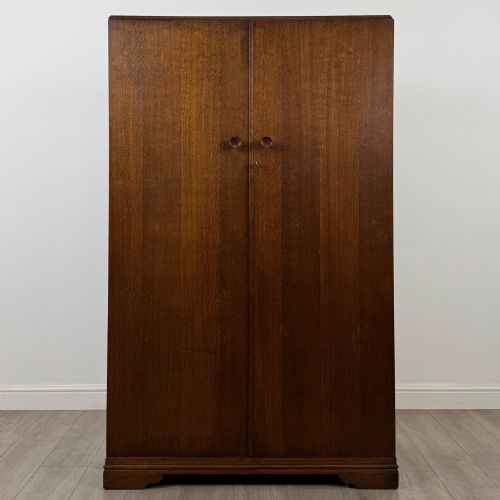
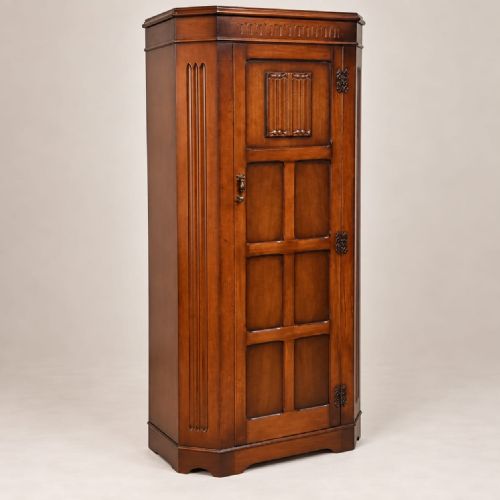
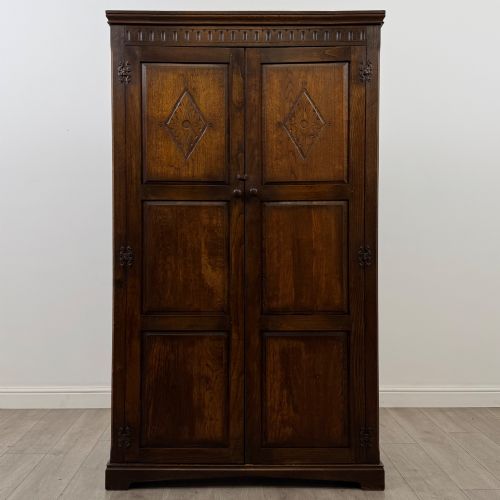
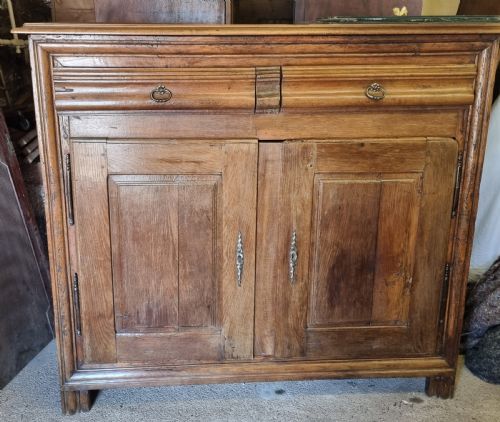
While the search term specifies an armoire, the market groups several related storage forms together under this heading. Buyers frequently select between two-door cupboards, tall linen presses, and large wardrobe cabinets depending on their spatial requirements and period preferences.
How they were made
Cabinet makers constructed these pieces primarily from solid oak, often utilising frame and panel techniques to accommodate the natural expansion and contraction of the timber. Secondary woods such as fruitwood, walnut, or exotic veneers appear in specific regional styles alongside rosewood and ebony details.
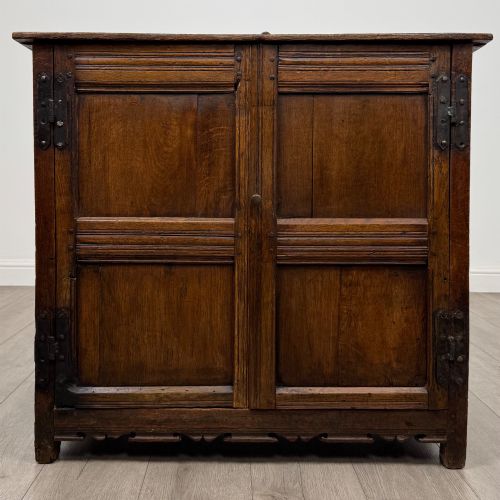
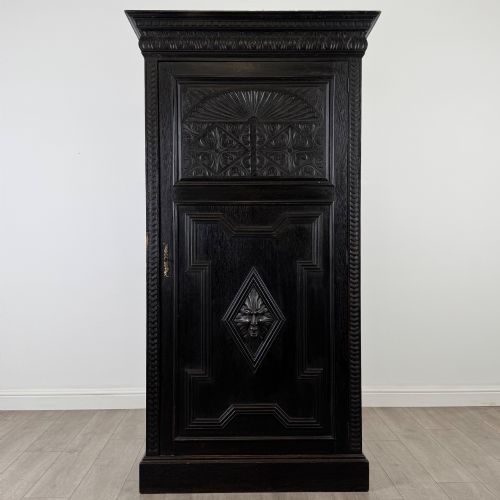
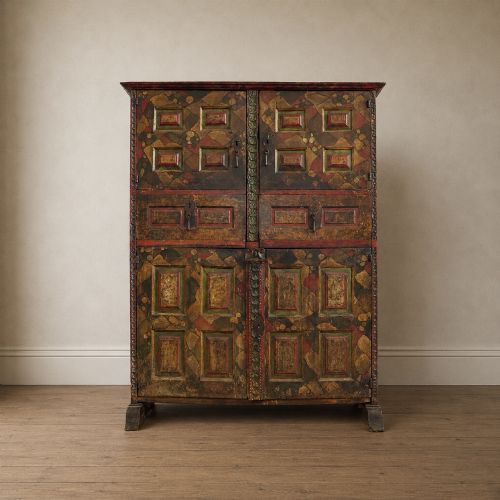
Iron and brass hardware played a structural and decorative role, featuring forged blacksmith hinges, locks, and handles that secured heavy doors. Surface finishes ranged from plain waxed timber and ebonised treatments to polychrome painted details found on specific continental examples.
Listings feature oak storage pieces spanning from the 16th century through the Edwardian era, alongside imported walnut, iron, and glass elements.
What varies in quality
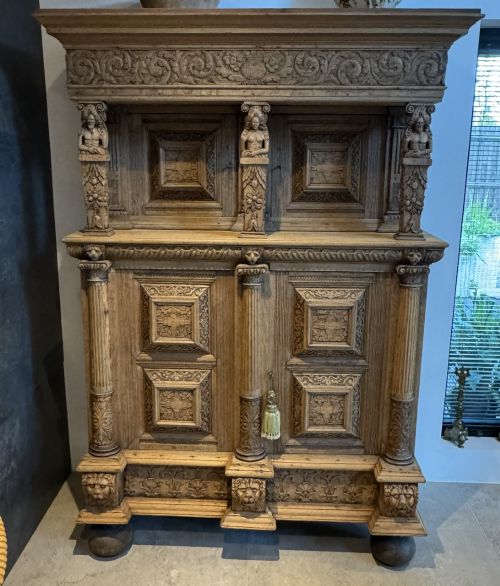
The calibre of a piece rests heavily on the depth and execution of its carved ornamentation, ranging from simple geometric mouldings to elaborate figures, caryatids, and lions. Superior examples display crisp joinery where panels fit tightly within pegged frames without relying on modern fasteners.
Proportion and originality dictate the standing of individual cabinets within the market. Pieces retaining their original wrought iron locks, hinges, and patinated surfaces hold greater integrity than those altered or stripped of their historical finish.
The Oak Armoire Cabinet Glossary
- Armoire
- A tall wardrobe or cupboard used primarily for storing clothes and textiles. Traditional versions feature large double doors opening to hanging space or shelving.
- Linen Press
- A tall piece of furniture designed for storing bed linen and folded garments, typically featuring sliding trays or shelves behind the upper doors.
- Court Cupboard
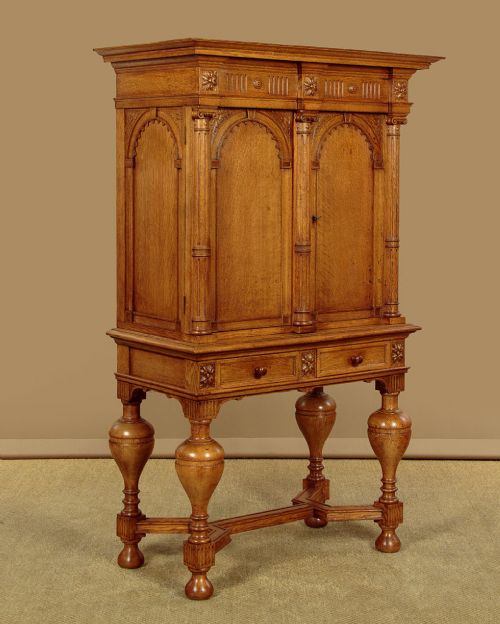
- An antique English storage unit, often standing on lower supports, used historically for displaying plate and storing food or valuables.
- Vitrine
- A glass-fronted cabinet or display case designed to showcase porcelain, books, or curiosities. These pieces often sit atop a solid wooden commode base.
- Kussenkast
- A heavy Dutch cupboard style characterised by prominent cushion-moulded panels on the doors. These pieces frequently incorporate contrasting woods such as ebony and rosewood.
Oak Armoire Cabinet: Frequently Asked Questions
What is the difference between an armoire and a wardrobe?
An armoire is traditionally a continental storage cupboard with doors enclosing shelves or hanging space, while a wardrobe is specifically designed for hanging garments.
Over time, these terms became interchangeable in the antiques market, and many pieces originally built as linen presses or cupboards now function as wardrobes.
How do I date an old oak cabinet?
Dating relies on observing construction methods, joinery types, hardware, and stylistic motifs. Hand-cut peg joints, wrought iron hinges, and deeply carved panels typically indicate earlier periods.
Later Victorian and Edwardian pieces often employ machine-cut elements and standardised internal fittings while retaining traditional exterior forms.
Can I use an antique cupboard in a modern bedroom?
These cabinets provide substantial storage capacity suitable for modern clothing, bedding, or general household items. Many historical interiors adapt well to contemporary living spaces when measured carefully for height and depth clearance.
Internal configurations can sometimes accommodate modern hanging rails or shelving without altering the external historic structure.
Why do continental armoires dismantle?
Many large French and Dutch armoires were constructed to be completely dismantled into flat panels and corner posts for ease of transport between houses.
Pegs and wooden wedges secure the heavy framework together without permanent glue joints, allowing owners to move these massive pieces through standard doorways.