




Nursery Fire Fender
A nursery fire fender keeps children safe from open hearths, combining protective wire mesh with sturdy metal frames.
Nursery Fire Fender
A nursery fire fender provides a physical barrier around an active fireplace to protect children in the home. The pieces found here date from the nineteenth century, including the Regency, Victorian, and Edwardian periods.
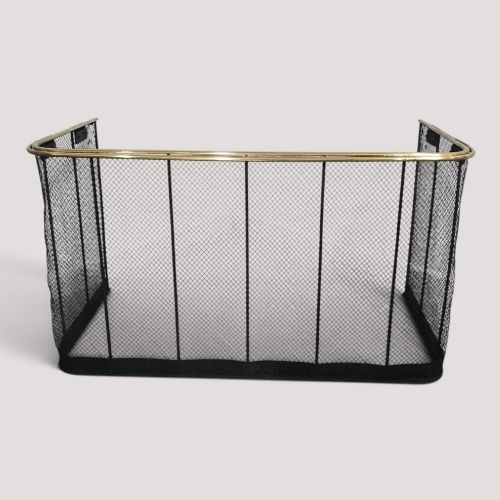
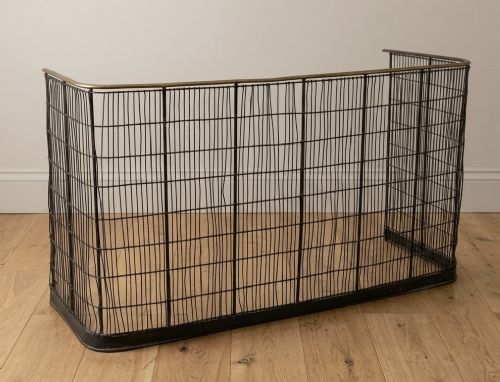
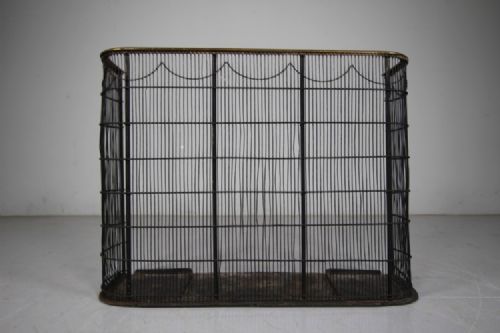
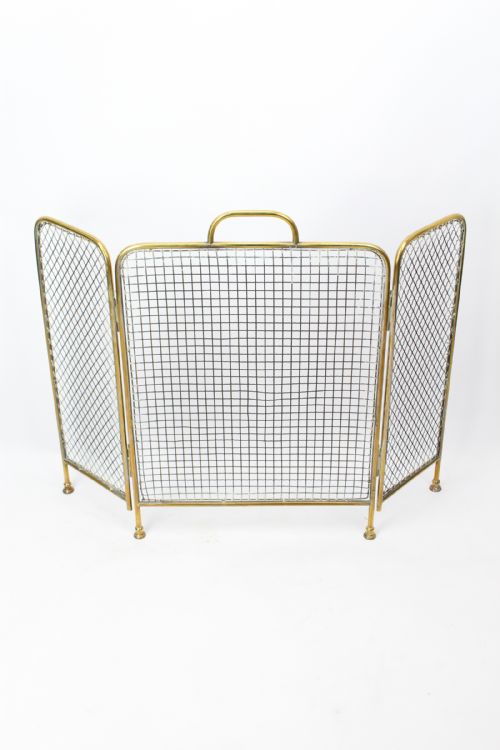
Most examples combine a solid metal frame with fine wire mesh or woven iron wire to contain sparks while maintaining visibility of the fire. Certain variants include upper rails for drying clothes or folding mechanisms for storage.
The domestic interior required robust protection against open hearths, leading to the widespread production of these guards in iron, steel, and brass.
Materials and Construction
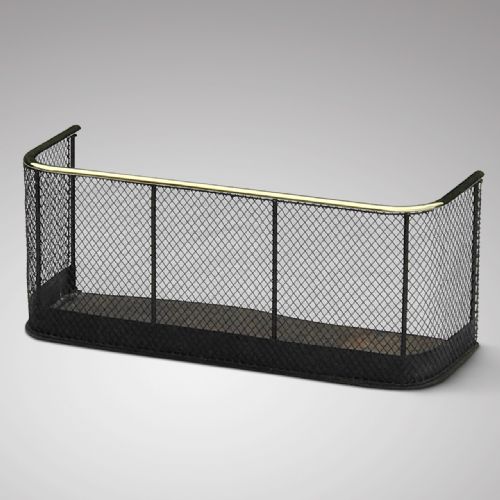
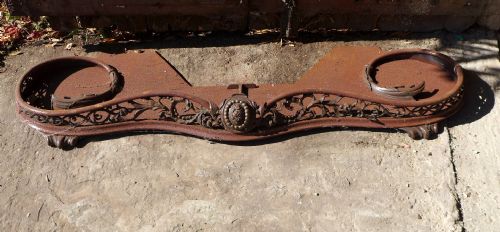
Craftsmen built these guards using heavy iron and steel for the structural frames, providing stability around the hearth. Wrought iron and steel wire were shaped into durable mesh panels to block embers and sparks.
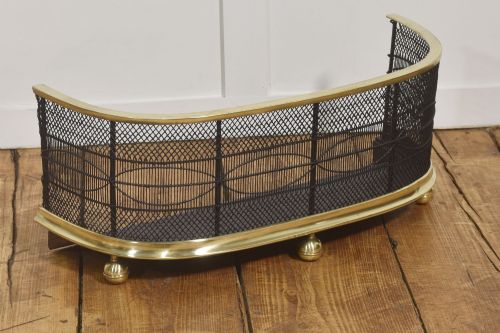
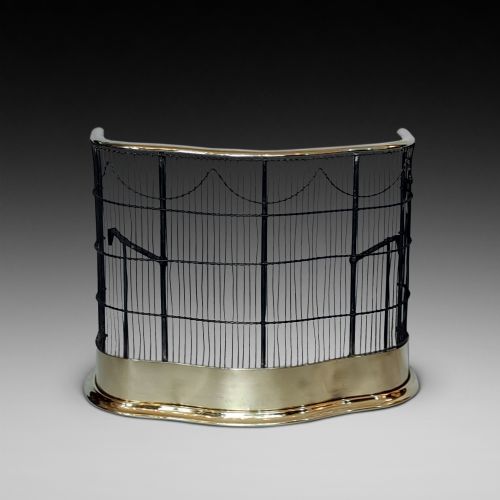
Brass formed a significant component, appearing as polished top rails, rims, and structural frames that contrasted with dark iron mesh. These mixed metals offered both decorative appeal and practical resilience against heat.
Listings feature 19th-century, Victorian, Edwardian, and Regency pieces constructed from brass, iron, wire mesh, and steel.
Distinctions in Quality
The standard of metalwork dictates the calibre of a piece, with heavy gauge wrought iron and robust steel frames marking superior construction. Finely woven wire mesh secured tightly into brass rims demonstrates careful assembly.
Design complexity also separates examples, such as bowed or serpentine fronts and integrated clothes rails requiring advanced metal shaping. Simpler flat folding designs represent utilitarian domestic production.
The Nursery Fire Fender Glossary
- Nursery fire fender
- A protective metal barrier placed around a hearth to prevent children from touching the fire. These guards often incorporate fine wire mesh and brass rails.
- Wire mesh
- A network of interwoven metal wires used in fireplace guards to contain sparks. This material allows heat to radiate while blocking embers.
- Club fender
- A low padded seat built over a metal hearth frame. These pieces sometimes overlap in design with traditional nursery fire guards.
- Serpentine
- A gentle curving shape in the metal frame of a fender. This contour provides an aesthetic alternative to straight-sided barriers.
Nursery Fire Fender: Frequently Asked Questions
What is a nursery fire fender?
A nursery fire fender is a tall protective guard designed to surround an open fireplace and keep children at a safe distance from the flames.
They combine a sturdy metal frame with wire mesh to stop sparks while allowing heat to enter the room.
How do I date a nursery fire fender?
Dating depends on the materials and stylistic elements, with pieces spanning the Regency, Victorian, and Edwardian eras. Earlier examples often feature heavy wrought iron, while later Victorian and Edwardian pieces frequently utilise bright brass top rails and fine wire mesh.
Construction techniques, such as hand-formed ironwork versus later industrial wire weaving, also help determine the period.
Were these used only in nurseries?
While named for nurseries to denote child safety, these guards were utilised in domestic family rooms and parlours where open hearths presented hazards.
Their robust construction made them suitable for any primary living space with an active fireplace.
Can I use an antique fender with a modern fire?
Many people place these historic guards around working fireplaces, provided the dimensions match the hearth space.
The iron and wire construction remains entirely functional for containing sparks from modern wood or coal fires.