





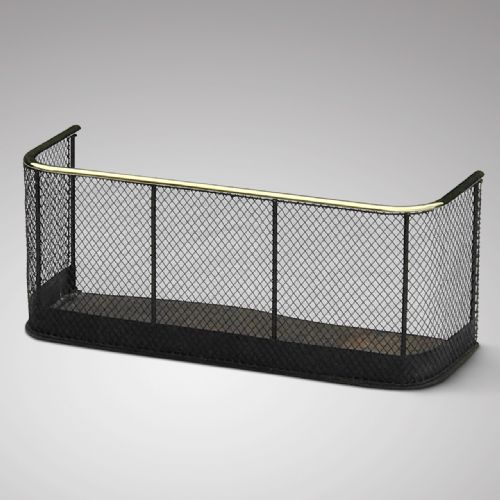
Mesh Nursery Fireguard
These mesh nursery fireguard examples keep children safe from sparks, combining brass and wire mesh in practical domestic designs.
Mesh Nursery Fireguard
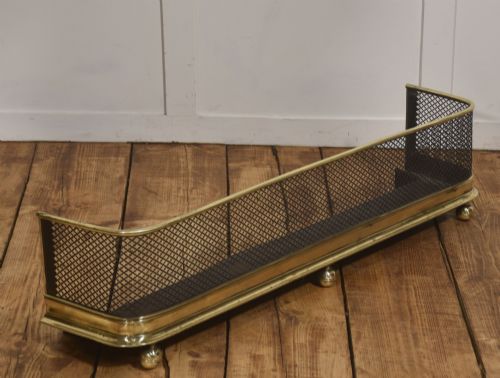
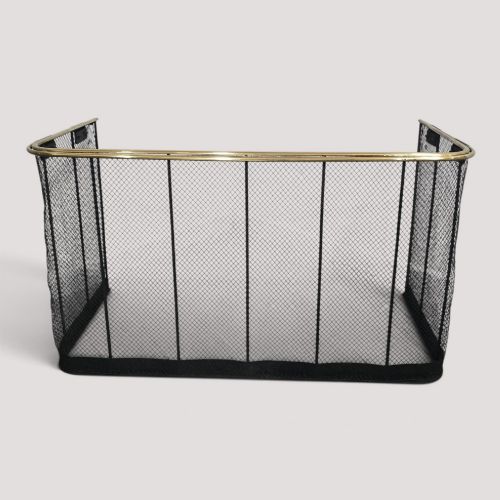
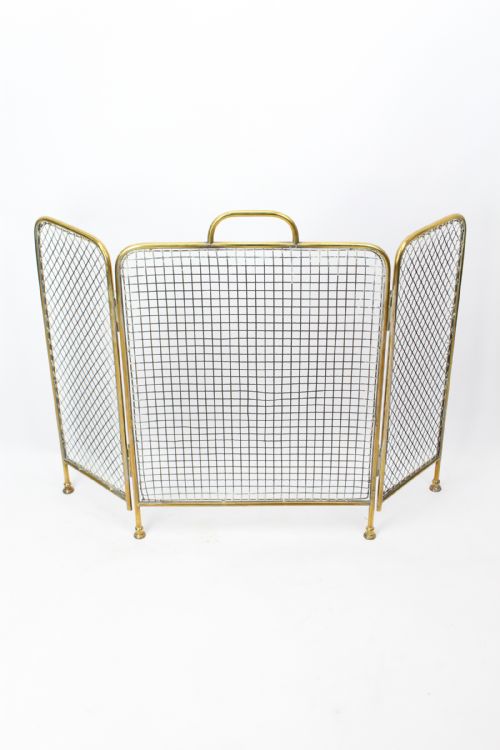
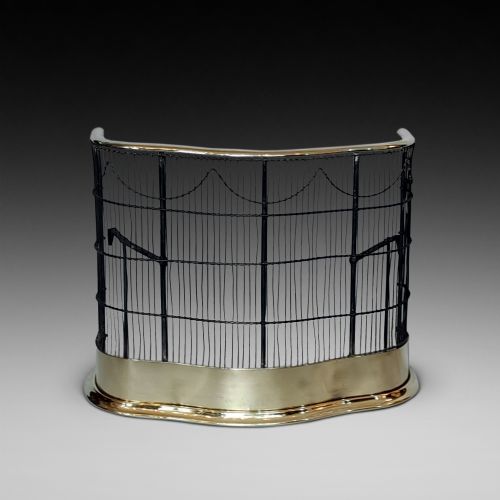
A mesh nursery fireguard protects children from hearth hazards using durable wire mesh and metal frames. Buyers searching for a mesh nursery fireguard typically encounter pieces dating from the Regency and Victorian periods up to the Edwardian era.
Pieces from the nineteenth century predominate on this page, often combining iron wire or steel wire mesh with polished brass frames. These functional hearth accessories span the Regency, Victorian, and Edwardian styles.
Materials and Construction
Maker construction relies heavily on combinations of brass, iron, and steel wire mesh. Frameworks incorporate wrought iron or solid brass to form stable structures around the hearth.
Fine wire mesh is secured within metal rims, sometimes finished with a prominent brass top rail or rim. Iron wire and steel wire provide the protective barrier while brass adds decorative framing.
Mesh Nursery Fireguard Retail Price Guide 2026
Typical asking prices for mesh nursery fireguard among the pieces listed under this phrase on Sellingantiques today, from the lower quarter to the upper quarter. They describe what is for sale here now, not the wider market.
Some nineteenth-century guards included built-in rails specifically for warming small garments beside the nursery hearth.
Assessing Quality
Quality rests in the weight of the metal framework and the tightness of the wire mesh weave. Superior examples display robust brass rims and sturdy construction that withstand daily domestic use.
The Mesh Nursery Fireguard Glossary
- Nursery Fender
- A protective barrier placed around a fireplace to keep children at a safe distance from flames and embers. These guards often incorporate a raised rail for added security.
- Wire Mesh
- A barrier material formed from interwoven or welded strands of iron, steel, or brass wire. It allows heat to pass into the room while blocking sparks.
- Serpentine
- A curved shape curving alternately inwards and outwards, seen on the frames of finer guards. This contour adds elegance to practical hearth protection.
- Brass Top Rail
- A polished metal bar running along the upper edge of the fireguard. It provides a clean finish and a sturdy grip for moving the guard.
Mesh Nursery Fireguard: Frequently Asked Questions
What is a mesh nursery fireguard?
A mesh nursery fireguard is a protective hearth screen made from metal wire and a sturdy frame, designed historically to keep young children away from open fires.
These pieces combine functional wire mesh with brass or iron frames, appearing in various shapes such as bowed, serpentine, or folding designs.
How do I date a fireguard?
Dating relies on observing the materials, construction methods, and stylistic details typical of periods like the Regency, Victorian, or Edwardian eras.
Earlier nineteenth-century examples often feature heavy brass framing combined with hand-formed iron wire, whereas later pieces show standardised steel wire construction.
Why do some fireguards have rails?
Some nursery fenders include an integrated brass top rail or an extra clothes rail for practical domestic utility in period homes.
These additions allowed households to dry garments near the warmth of the fire while maintaining a physical barrier against sparks.
How do I choose the right shape?
Choosing a shape depends on the hearth layout and whether the fireplace projects into the room with a bowed or flat front.
Straight frames suit standard hearths, while bowed and serpentine designs accommodate protruding hearths and offer wider coverage.