




Novelty Silver Sewing Accessory
These novelty silver sewing accessory pieces combine whimsical animal and object forms with practical function, offering charm and utility for the collector.
Novelty Silver Sewing Accessory
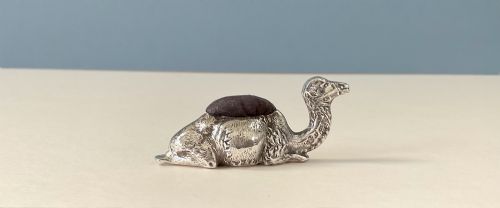
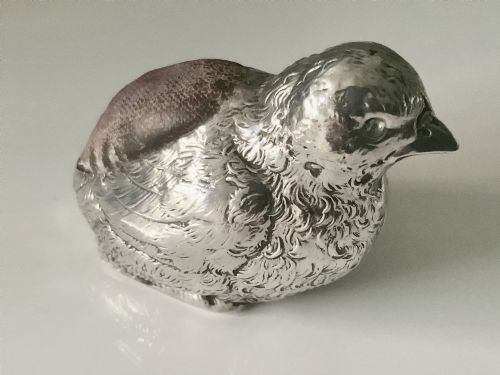
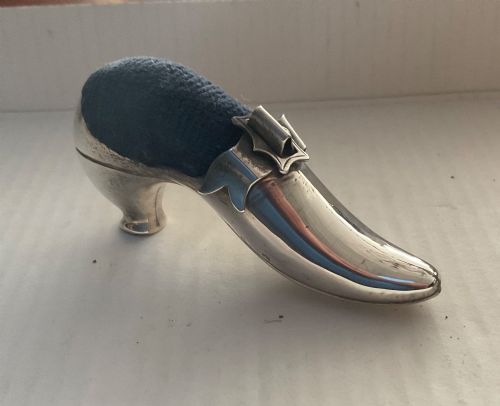
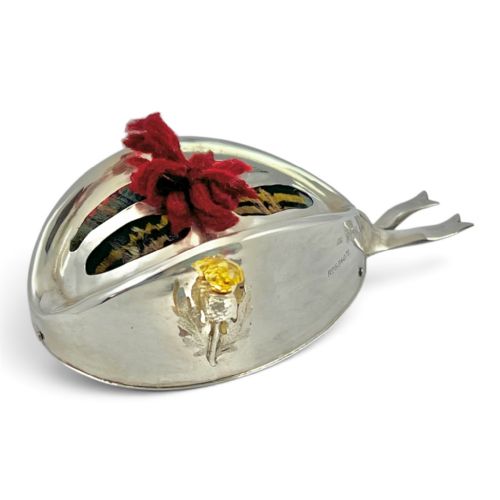
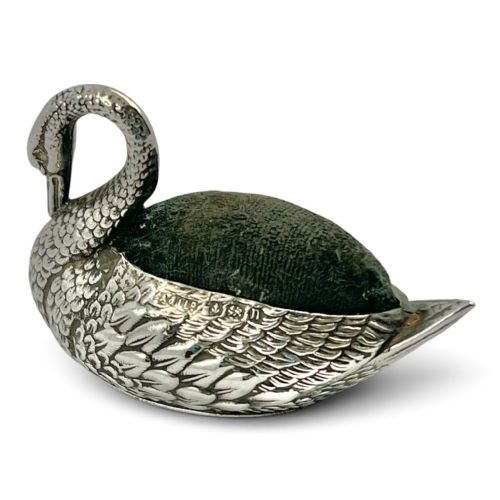
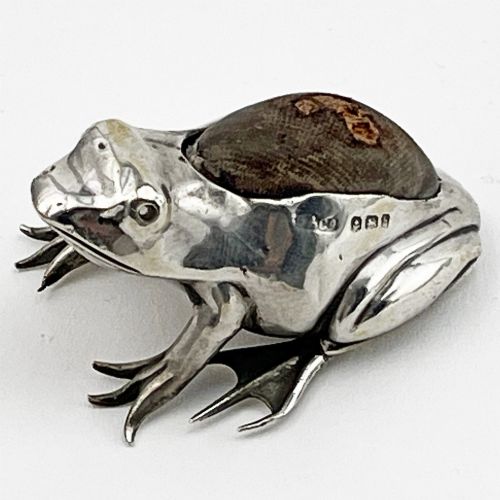
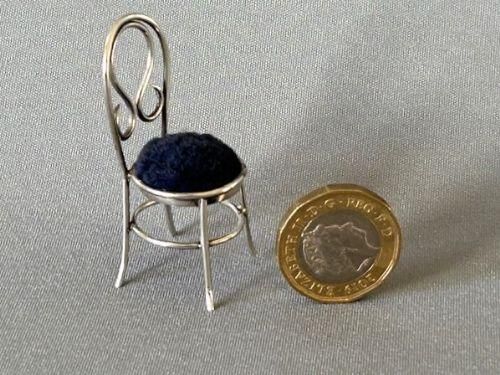
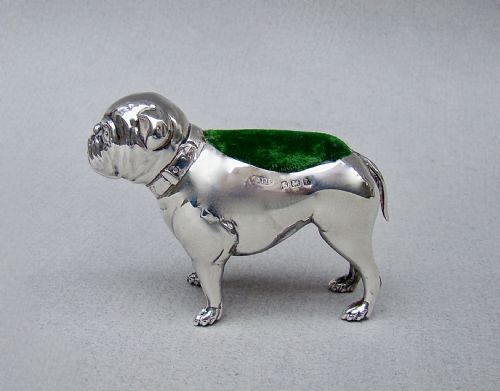
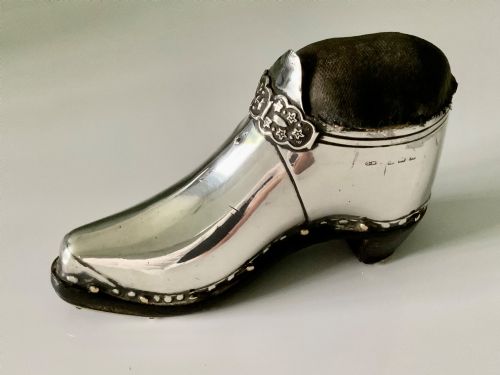
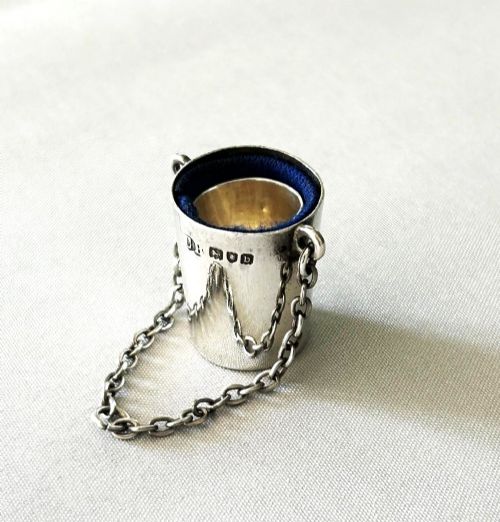
A novelty silver sewing accessory is a functional tool or pin cushion fashioned into a playful figural shape, predominantly dating from the Victorian and Edwardian eras. Buyers encounter charming animal forms such as pigs, birds, dogs, and camels, alongside household objects like shoes, wheelbarrows, and chairs.
The pieces emerge heavily from the late nineteenth and early twentieth centuries, spanning Victorian, Edwardian, and George V periods. Makers rendered these small objects with meticulous detail, transforming mundane sewing equipment into delightful desk and vanity ornaments.
Materials and construction
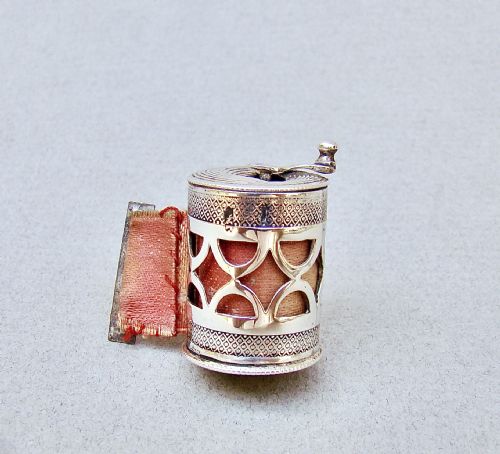
Silversmiths constructed the outer bodies primarily from sterling silver, shaping them through casting and hammering to capture realistic anatomical and textural details. These silver mounts hold internal stuffing materials such as velvet, silk, wool, fabric, felt, and occasionally mother of pearl for the functional components.
Fabric elements and cushions were tightly fitted into the silver frames to secure pins and needles safely during use. The combination of lustrous metal and soft textile creates a tactile contrast essential to these small sewing implements.
Listings feature sterling silver combined with velvet, silk, and mother of pearl across Victorian and Edwardian periods.
Assessing craftsmanship and form
The retention and quality of the original interior textiles, such as coloured velvet or silk, influence the desirability of the piece. Superior items maintain their structural integrity and original stuffing without excessive wear to the fabric surfaces.
Adie And Lovekin·Sampson Mordan And Co
The Novelty Silver Sewing Accessory Glossary
- Hallmark
- Official stamps applied to precious metals indicating the standard of silver, the assay office, and the date letter. These marks allow collectors to verify the exact year and origin of the piece.
- Pin cushion
- A small stuffed pad designed to hold pins and needles securely while sewing. In these items, the cushion is integrated into a figural silver casing.
- Sterling silver
- An alloy of silver containing ninety-two point five percent silver by mass and seven point five percent other metals, usually copper. This standard metal forms the durable body of the accessories.
- Novelty
- An object manufactured in an amusing, unusual, or figural shape rather than a standard utilitarian form. These novelty items lean into animal and everyday object themes.
- Assay office
- A statutory body that tested the purity of precious metal items and stamped them with official marks. Birmingham and Chester offices appear frequently on these pieces.
Novelty Silver Sewing Accessory: Frequently Asked Questions
What are novelty silver sewing accessories?
These pieces are small, highly decorative sewing tools and pin cushions cast into whimsical shapes like animals, vehicles, and household items. Silversmiths created them primarily during the Victorian and Edwardian periods to add amusement to domestic needlework.
They combine practical utility with sculptural artistry, serving as both functional sewing equipment and charming tabletop display pieces.
How were these silver items used?
Victorian and Edwardian needleworkers utilised them during sewing tasks to store pins, thread, and needles safely at hand. The integrated fabric cushions held pins securely while the silver housings protected delicate components.
Beyond active sewing rooms, owners displayed them on dressing tables and desks as ornamental conversation pieces showcasing wealth and taste.
How do I identify the period?
Dating relies heavily on stamped hallmarks that record the assay office, standard of silver, and specific date letter. Style also indicates the era, with naturalistic animal forms and elaborate figural designs pointing towards Victorian and Edwardian craftsmanship.
Examining the materials, such as early textiles paired with solid silver frames, provides further context for the decade of manufacture.
How do I care for silver and fabric?
Maintain the silver body with gentle cleaning using a soft cloth to preserve the intricate moulded details without damaging the hallmarks. Avoid harsh chemical dips that strip the natural age and patina from the metal.
Protect the internal velvet, silk, or felt inserts from moisture and direct sunlight to prevent the textiles from fading or degrading over time.