

Nomadic Woven Wool Rug
A nomadic woven wool rug brings the tactile geometry of tribal life into modern interiors through enduring hand-knotted artistry.
Nomadic Woven Wool Rug
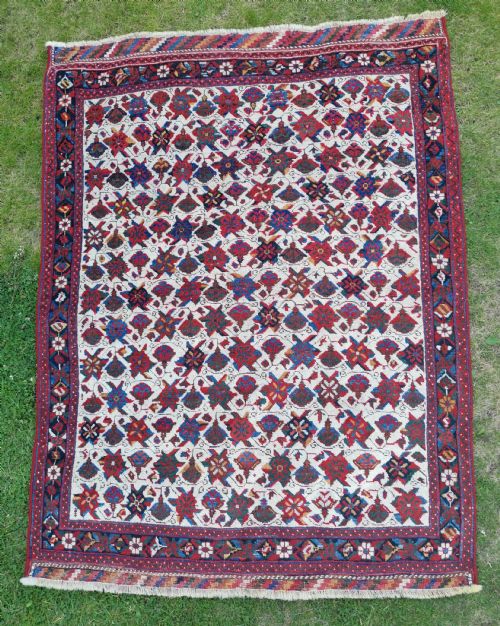
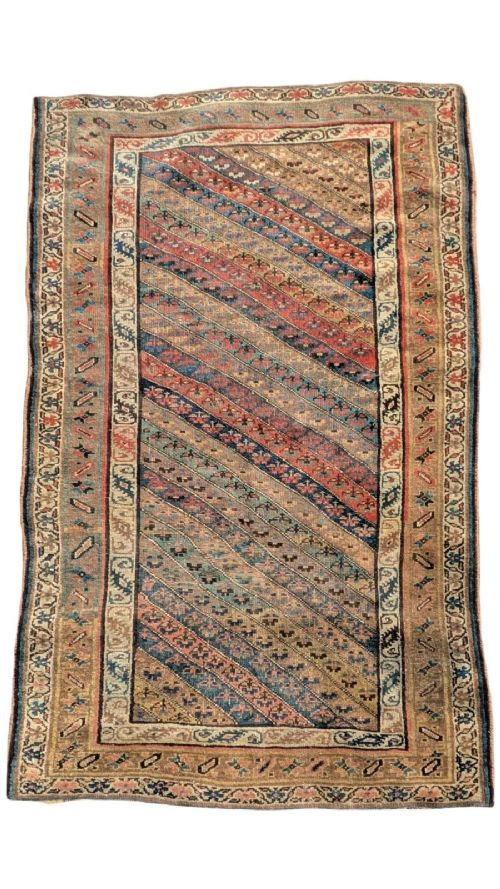
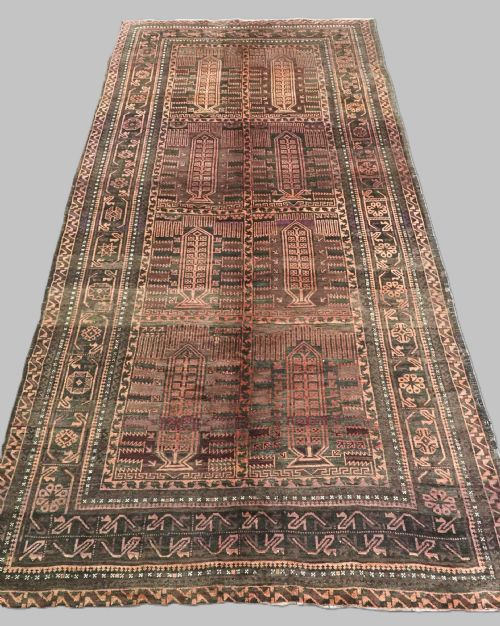
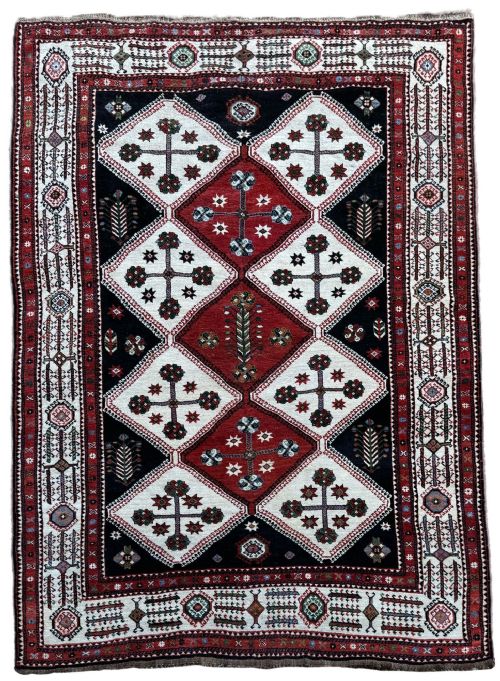
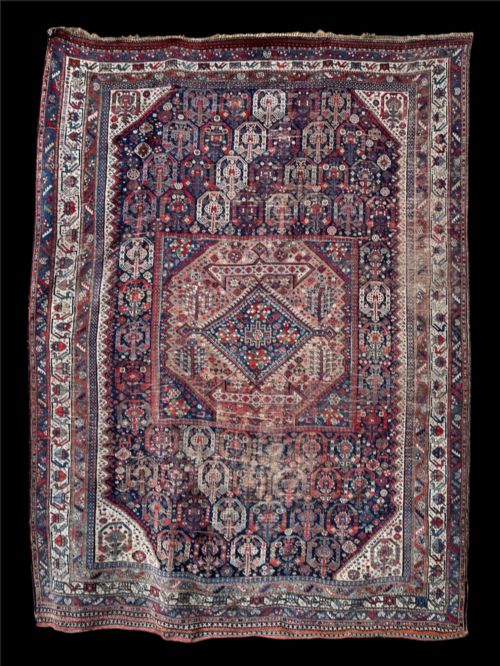
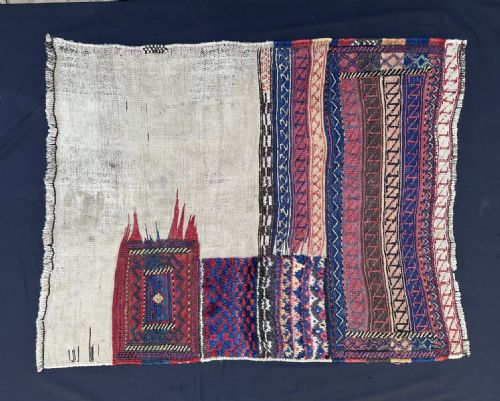
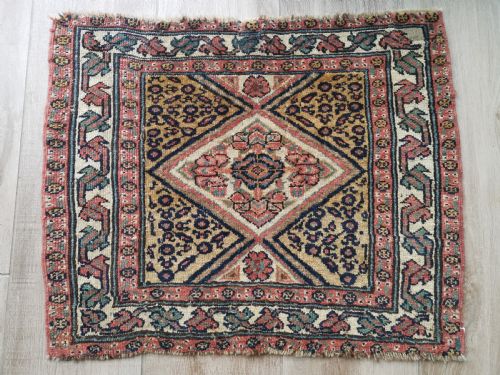
When searching for a nomadic woven wool rug, a buyer encounters a diverse array of tribal textiles originating from Persian, Turkmen, Kurdish, and Caucasian groups. These pieces span from the mid-nineteenth century through the early twentieth century, reflecting the distinct cultural motifs of their makers.
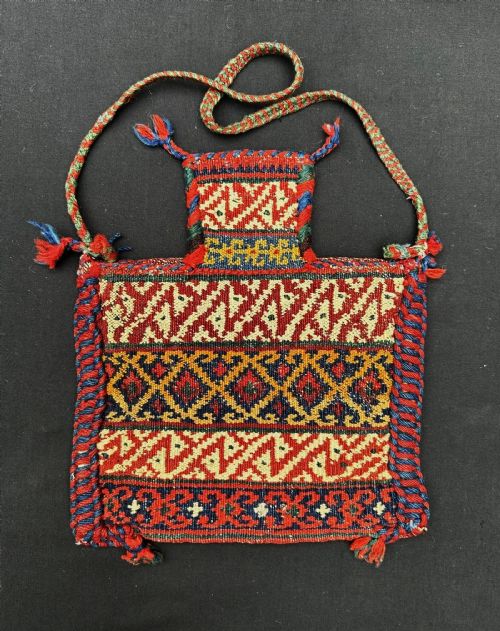
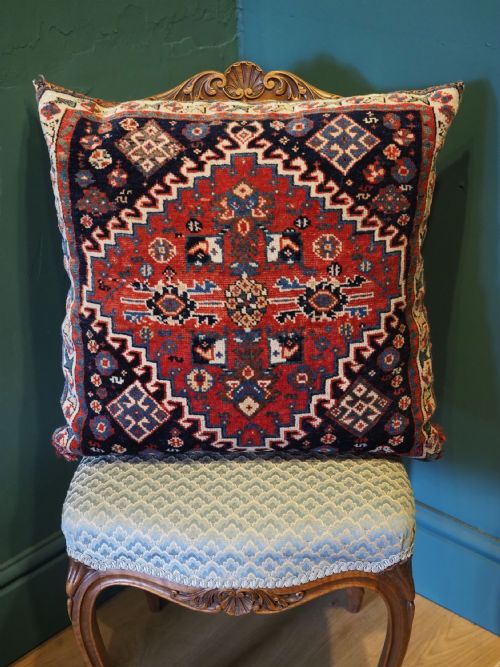
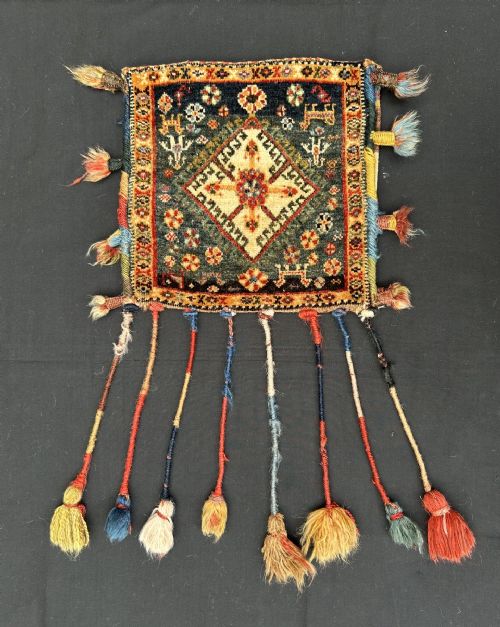
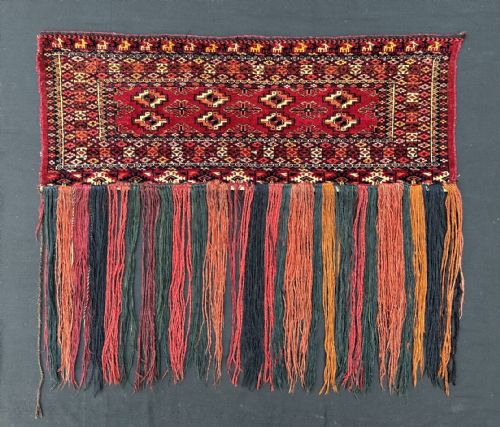
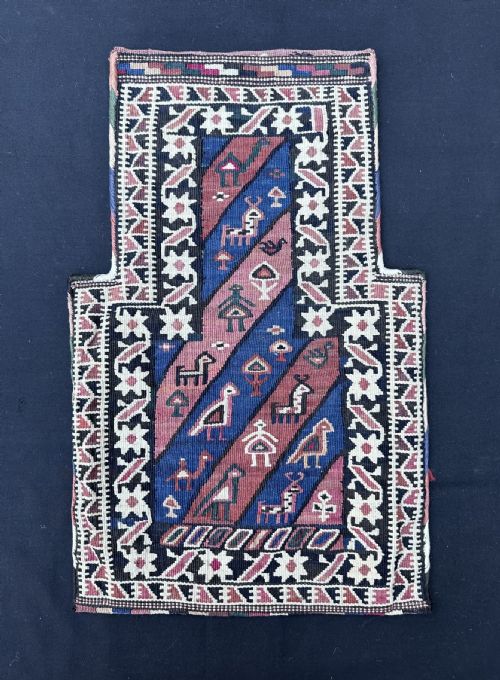
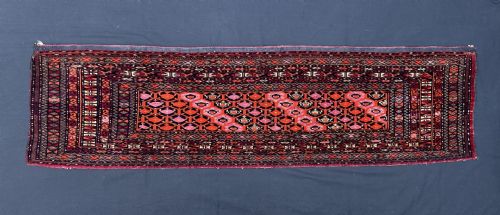
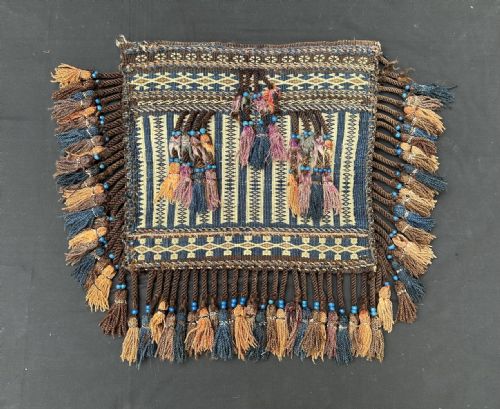
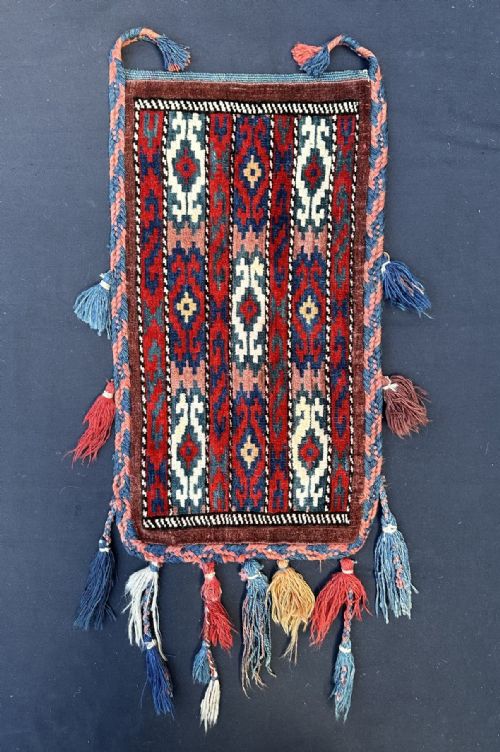
The selection on this page extends beyond standard floor coverings to include utilitarian objects such as saddle bags, vanity bags, salt bags, main carpets, and tent door rugs. Regional confederacies like the Qashqai, Khamseh, Afshar, and Yomut dominate the available forms, showcasing tribal patterns shaped by nomadic existence.
Smaller formats, including bagfaces and spindle bags, appear frequently alongside larger room-size carpets. Each piece represents a specific community's visual vocabulary, utilising traditional formats tied to daily migration and domestic life.
Materials and Construction
Makers constructed these textiles predominantly using hand-spun wool for the pile and structure, frequently paired with cotton foundations in certain regional workshops. Natural dyes provided the deep chromatic palette, yielding rich tones that age with considerable depth.
Nomadic weavers integrated supplementary materials such as leather, glass beads, and cowrie shells onto specific utility bags and trapping pieces. These additions served both decorative and protective functions, highlighting the resourceful approach of tribal artisans.
The listings span from the mid-nineteenth century through the 1920s, featuring wool, cotton, leather, and natural dyes across tribal Persian and Central Asian forms.
Assessing Craftsmanship
Quality in these textiles rests upon the integrity of the hand-spun wool and the precision of the knotting, which dictates the clarity of the geometric and tribal motifs. Tighter structures generally correlate with greater durability and more refined execution of complex tribal designs.
The consistency and saturation of the natural dyes significantly influence the visual impact of a piece, as superior dye methods produce harmonious patination over decades. Additionally, the preservation of original edges, tassels, and structural completeness marks the distinction between heavily altered examples and well-preserved survivals.
The Nomadic Woven Wool Rug Glossary
- Khorjin
- A traditional double saddlebag used by nomads for transport and storage during migrations. These pieces feature intricate face designs and sturdy construction.
- Kap
- A storage bag or trapping produced by Turkmen tribes, often utilised inside the felt tent for domestic organisation. They display characteristic guls and secondary motifs.
- Asmalyk
- A pentagonal trapping traditionally hung on the flanks of a bride's camel during Turkmen wedding processions. These highly decorative items are prized for their specialised formats.
- Gapylyk
- A tent door rug or lintel cover placed over the entrance of a nomadic yurt. They provide structural framing and symbolic protection for the dwelling.
- Gul
- A medallion or repeating octagonal motif used extensively in Turkmen tribal weaving. Each pattern identifies the specific tribe or clan responsible for the textile.
Nomadic Woven Wool Rug: Frequently Asked Questions
How were these rugs used originally?
Nomadic groups utilised these woven textiles for practical daily survival, from floor coverings inside tents to pack saddles and storage containers during seasonal migrations.
Items like salt bags, vanity bags, and horse blankets served specific utilitarian functions within tribal communities while expressing regional identity through pattern.
How do I care for an antique wool rug?
Gentle vacuuming without a rotating brush roll prevents dust accumulation while protecting the historical wool pile and structural foundation.
Professional textile conservators should handle any deep cleaning or repairs to preserve the natural dyes and hand-spun materials.
How can I tell different tribal designs apart?
Tribal attribution relies on recognising specific structural traits, colour palettes, and repeating motifs unique to groups such as the Qashqai, Afshar, or Yomut.
Examining the border configurations and specific medallion shapes often reveals the regional origin and confederacy of the makers.
Are these pieces suitable for high traffic areas?
The resilient nature of hand-spun wool enables these historic textiles to withstand moderate residential use when placed with a proper rug underlay.
Delicate utility bags or smaller wall hangings benefit from low-traffic placement to protect their older structures and decorative additions.