




Deep Red Oriental Rug
A deep red oriental rug brings rich, saturated warmth to a room through dense wool piles and traditional tribal patterns.
Deep Red Oriental Rug
A deep red oriental rug encompasses a range of woven floor coverings originating from tribal and village traditions across Central Asia and Persia. When exploring a deep red oriental rug, buyers encounter pieces spanning from the late nineteenth century into the early decades of the twentieth century. These textiles include room-sized carpets, long runners for hallways, and smaller prayer rugs distinguished by deep crimson and madder hues.
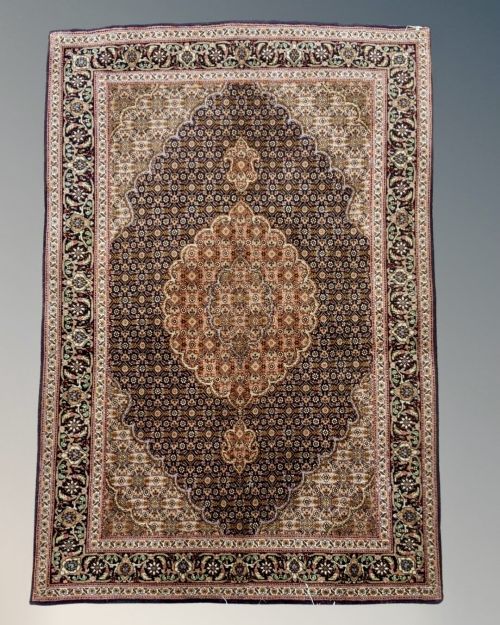
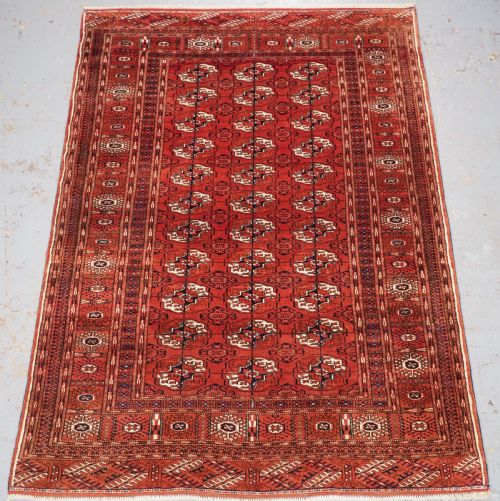
The selections available here showcase distinct regional styles such as Tekke Turkmen, Baluch, Bidjar, and Isphahan. Certain pieces display traditional Persian floral motifs, while others feature geometric Turkmen guls or tribal prayer mihrabs. Buyers frequently choose these rugs to anchor a space with centuries-old weaving traditions and saturated natural colour palettes.
Materials and construction
These pieces are constructed primarily from hand-spun wool piles knotted onto cotton or wool foundation warps and wefts. The soft, glossy wool used in many of these carpets takes rich dye absorption particularly well, yielding the characteristic deep red tones seen across the period. Additional structural elements occasionally incorporate wood and brass in related furnishings, though the rugs themselves rely entirely on textile fibre construction.
Weavers employed traditional hand-knotting and hand-weaving techniques passed down through generations in regions such as Afghanistan, Turkey, and Persia. The resulting piles provide dense durability, while specific border treatments and structural weaves identify the particular tribal workshop or village origin.
The listings feature pieces utilising wool and cotton, spanning production dates from 1880 through to 1930.
Assessing quality and character
Quality in these textiles rests upon the density of the knotting and the integrity of the wool foundation. Finer weaves allow for sharper definition within geometric guls and intricate floral borders, demonstrating exceptional technical skill by the original weaver.
The vibrancy and depth of the red dye also distinguish individual pieces, with uniform saturation and soft, glossy pile preservation marking superior examples. Variations in border complexity and the crispness of tribal motifs further separate standard village productions from masterworks.
The Deep Red Oriental Rug Glossary
- Ensi
- A traditional Turkmen tent door hanging or rug featuring a partitioned design with a central candelabra motif. These textiles served a functional purpose in nomadic dwellings.
- Mihrab
- A niche design element found in prayer rugs, often shaped like an arch or pointing towards Mecca. This feature directs the placement of the worshipper during prayer.
- Gul
- An octagonal or repeating medallion motif used extensively in Turkmen and Central Asian carpet weaving. Each pattern often identifies a specific tribal group or clan.
- Runner
- A long, narrow carpet format designed specifically for hallways, corridors, or alongside beds. These pieces balance traffic flow with decorative floor coverage.
- Bidjar
- A durable carpet type originating from a Persian town known for heavy foundations and stiff, packed wool construction. They are frequently called the iron rugs of Persia due to their resilience.
Deep Red Oriental Rug: Frequently Asked Questions
How do I care for an old wool rug?
Vacuum gently using suction only without a rotating brush roll to protect the delicate hand-knotted wool pile. Professional cleaning by specialists in antique textiles ensures the dyes and natural fibres remain stable over time.
Keep the rug out of direct, prolonged sunlight to prevent the deep red madder tones from fading. Rotating the placement every year promotes even wear across high-traffic areas.
Where were these carpets originally woven?
The pieces originate from various regions including Persia, Afghanistan, and tribal areas associated with Turkmen and Baluch weavers. Each location developed distinct dyeing methods and knotting structures.
Nomadic tribes and settled village workshops each contributed specific geometric and floral design vocabularies. These geographical roots define the stylistic variations found within the selection.
What makes the wool look glossy?
High lanolin content retained within hand-spun sheep wool contributes a natural sheen and soft tactile quality to the pile. Traditional washing processes used by village weavers further enhance this lustre.
As the wool ages and experiences gentle friction from foot traffic, the fibres develop a characteristic patina. This ageing process deepens the visual richness of the red hues.
How can I distinguish tribal from city rugs?
Tribal rugs typically feature geometric motifs, repeating guls, and asymmetrical abrash colour variations resulting from batch-dyed wool. They reflect the nomadic or village traditions of makers working independently.
City rugs, such as Isphahan or Bidjar productions, display refined curvilinear floral patterns and highly symmetrical compositions. These urban pieces demonstrate formal design structures executed by coordinated workshops.