



Nomadic Wool Runner Carpet
These nomadic wool runner carpets carry the geometric patterns and rich textures of tribal weaving traditions across Central Asia and Persia.
Nomadic Wool Runner Carpet
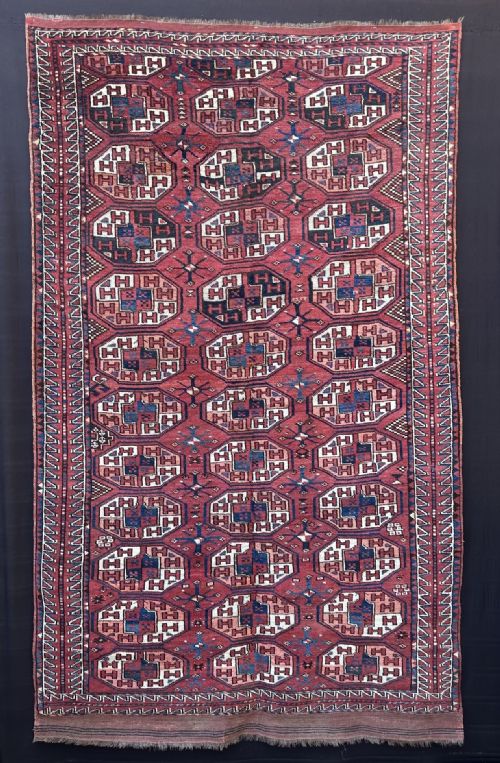
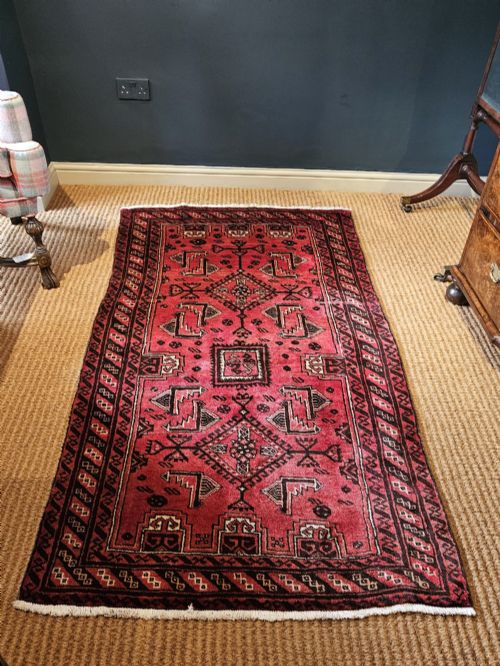
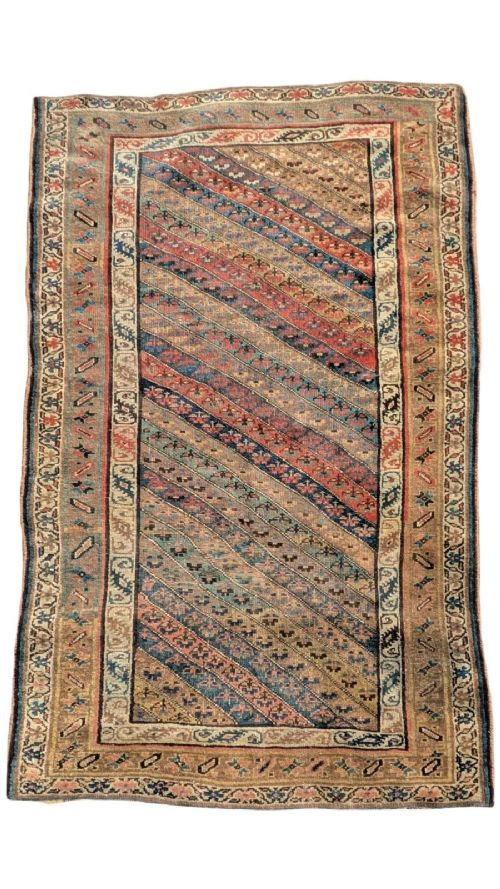
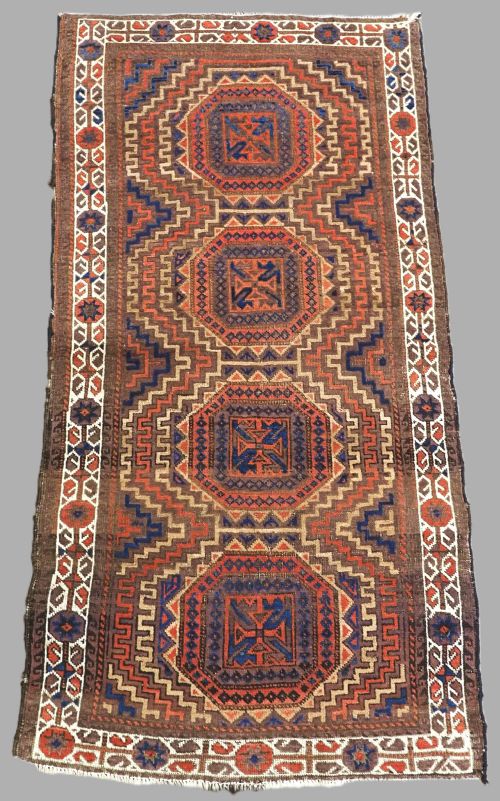
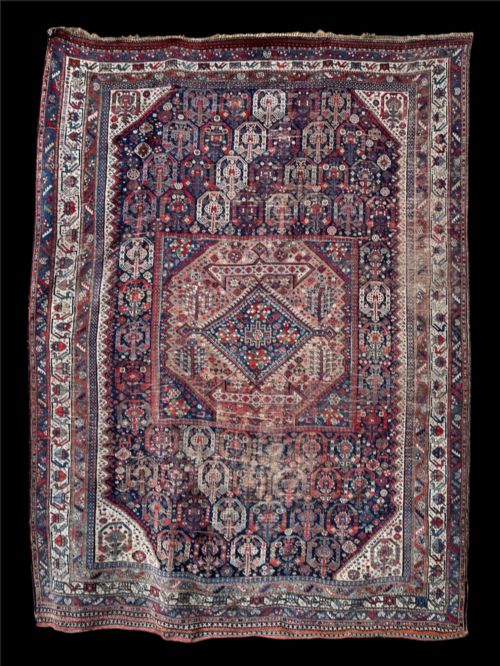
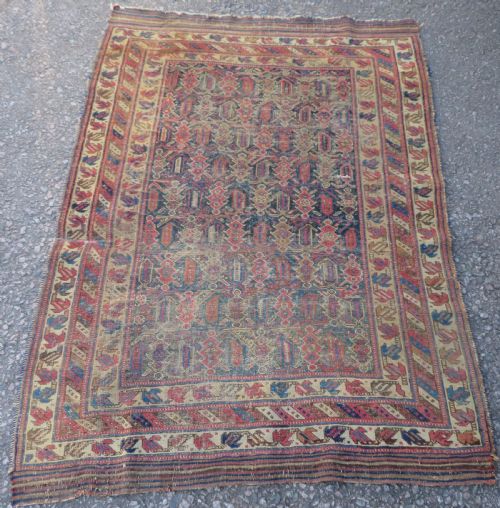
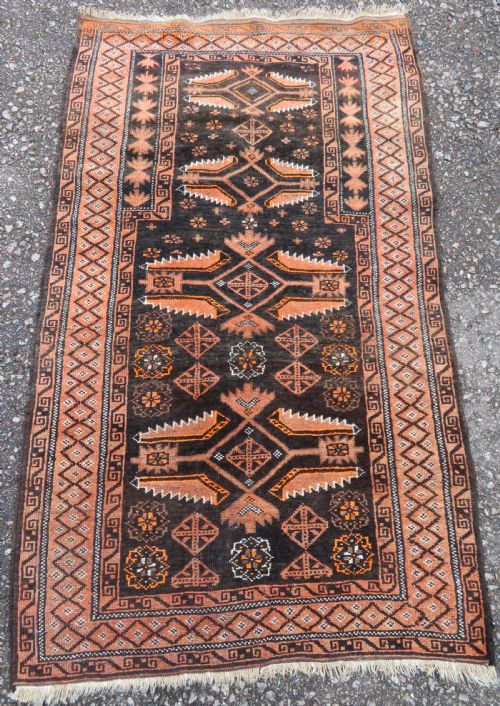
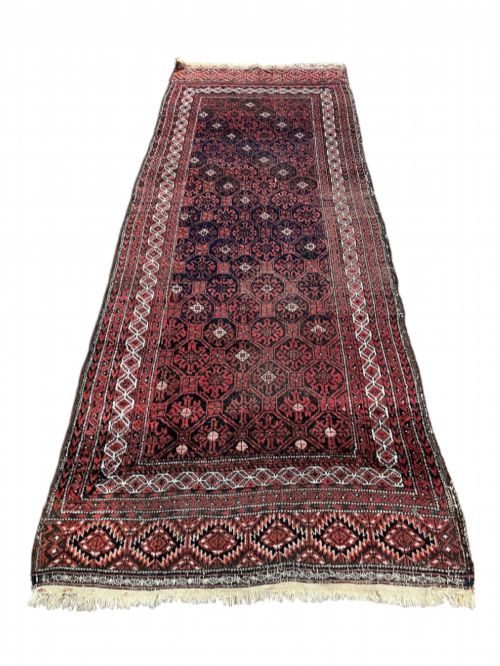
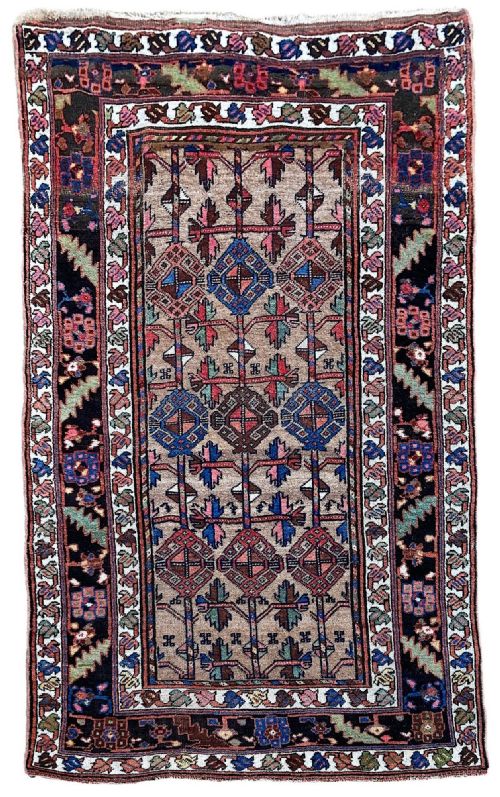
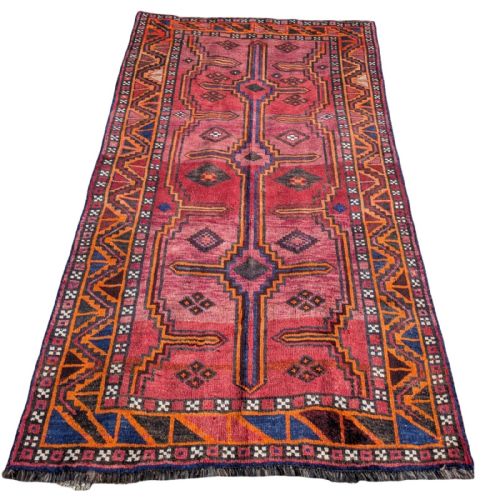
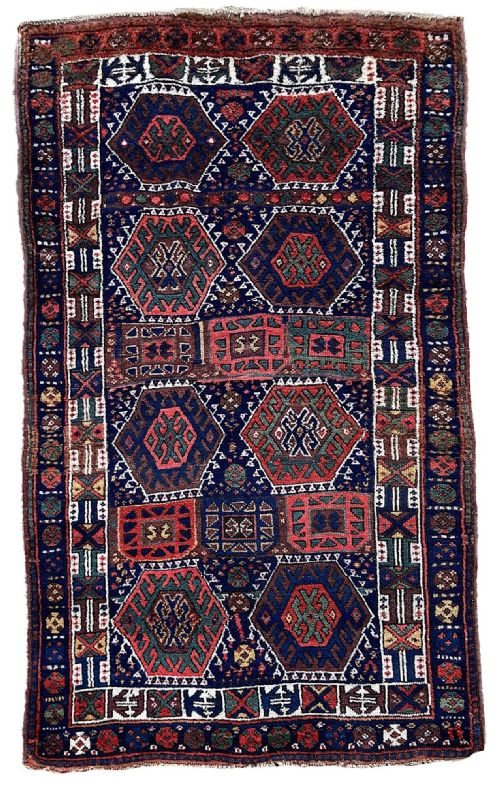
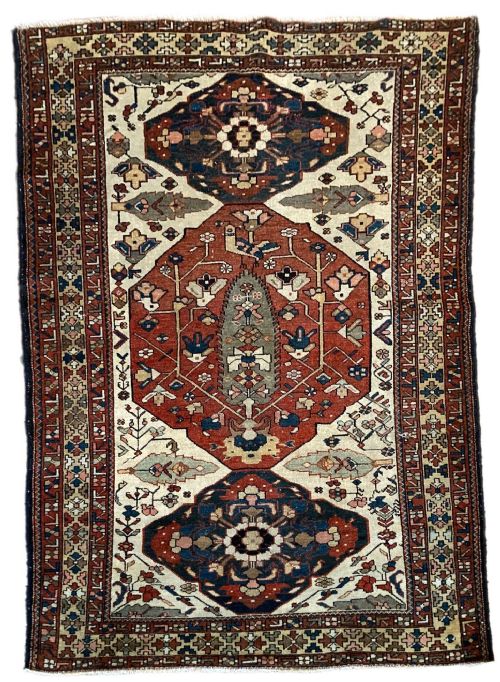
A nomadic wool runner carpet brings narrow, elongated tribal weaving into a hallway or corridor, balancing utilitarian durability with complex cultural motifs. These textiles span periods from the nineteenth century into the early decades of the twentieth century, originating from groups such as the Baluch, Kurdish, Khamseh, and Turkmen tribes.
Baluch and Kurdish examples appear regularly in this selection, often displaying deep indigo and madder red tones rooted in natural dyes. Buyers encounter long formats suited for passageways alongside more compact tribal rugs utilised for prayer or domestic seating.
Assessing Quality and Execution
Quality rests upon the tightness of the knotting, the fineness of the spin in the wool, and the complexity of the tribal iconography. Tighter knots secure greater longevity and sharper definition within geometric guls and borders.
The integrity of natural dyes dictates visual depth, where subtle tonal variations across the field indicate traditional dyeing methods. Preservation of original kilim ends and intact selvedges distinguishes superior surviving examples.
Several runners manage to incorporate both a tree of life and geometric guls without losing their sense of direction.
The Nomadic Wool Runner Carpet Glossary
- Gul
- A repeating medallion or octagonal motif often found in Turkmen and Baluch tribal carpets. These tribal emblems frequently denote specific clan lineages and cultural origins.
- Kilim
- A flat-weave carpet or rug produced without a pile by tightly interweaving warp and weft strands. These panels often form the protective end finishes on pile carpets.
- Mihrab
- A stylized architectural niche design representing a prayer arch, commonly oriented towards Mecca on specific rugs. This motif guides the user during daily devotions.
- Madder
- A natural red dye extracted from the roots of the Rubia tinctorum plant. It forms the foundational reddish-brown and terracotta tones seen across nineteenth-century tribal weaving.
- Selvedge
- The reinforced outer edge of a carpet running parallel to the warp threads, often bound with goat hair. This finishing technique prevents the sides from fraying under heavy use.
Nomadic Wool Runner Carpet: Frequently Asked Questions
How do I care for an antique wool runner?
Vacuum gently without using a rotating brush roll to protect the hand-spun wool pile and delicate flat-weave ends.
Professional cleaning by specialists familiar with natural dyes ensures the longevity of nineteenth-century tribal textiles.
Where were these carpets originally made?
Weavers produced these textiles across Central Asia, Turkmenistan, and regional territories of Persia including Kurdish and Baluch tribal lands.
Nomadic and village groups utilised portable looms to create these functional floor coverings for domestic and pastoral life.
What materials did tribal weavers use?
Construction primarily relies on hand-spun wool for both the soft pile and the underlying foundation strands.
Additional materials include cotton for structural stability and goat hair applied along the selvedges for extra durability.
How are different tribal designs identified?
Motifs such as repeating octagonal guls point toward Turkmen and Afghan origins, while Mina Khani patterns link to Persian traditions.
Examining the specific geometry, border arrangements, and colour palettes helps distinguish Baluch pieces from Kurdish or Khamseh examples.