



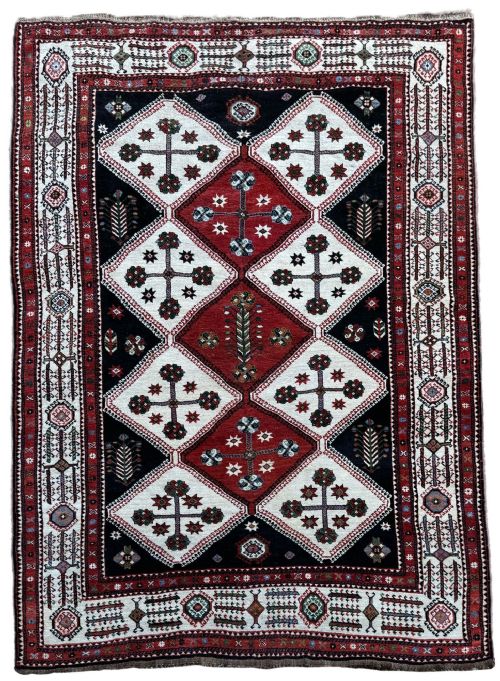
Nomadic Tribal Rug
These nomadic tribal rug examples bring character and rich texture into modern rooms through authentic wool and cotton weaves.
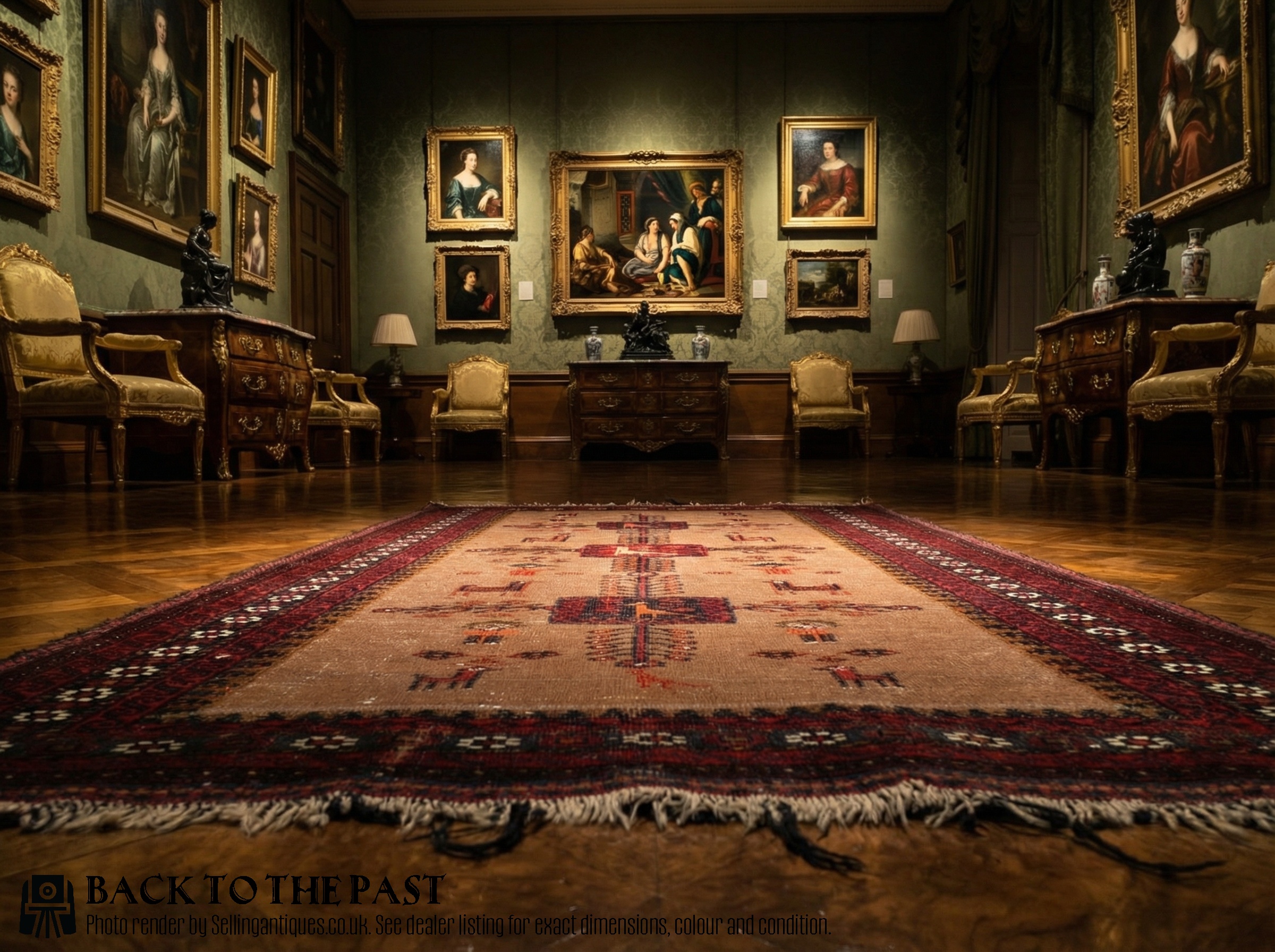
Nomadic Tribal Rug
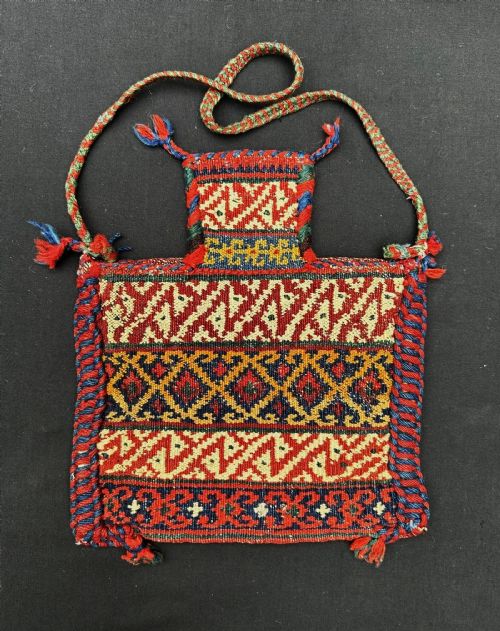
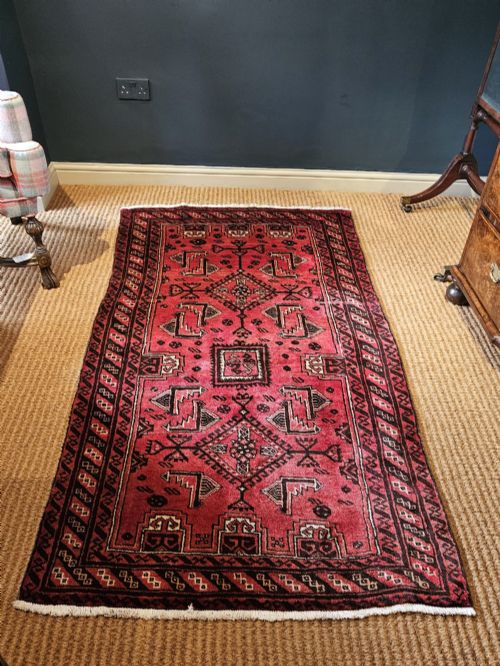
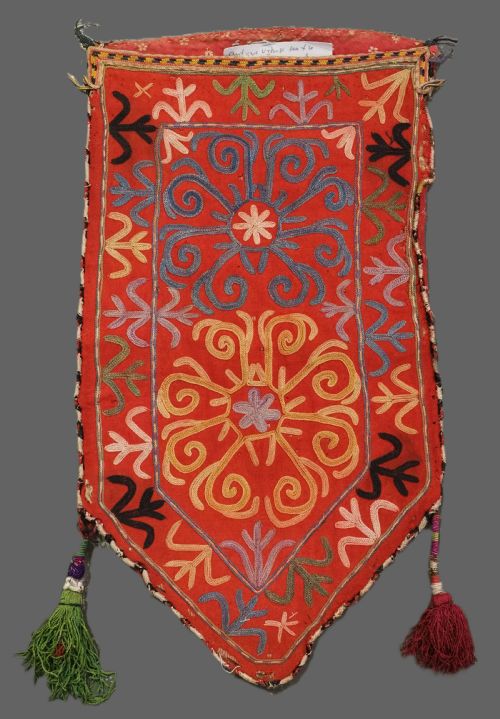
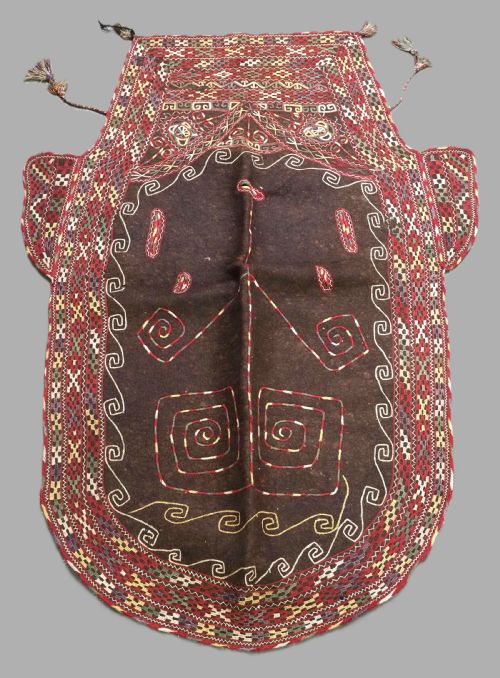
A nomadic tribal rug represents traditional weaving traditions from Persian, Turkmen, and regional tribal makers spanning the late nineteenth and early twentieth centuries. These floor coverings include area rugs, carpets, and specialised forms such as dining sofreh and wedding dowry rugs.
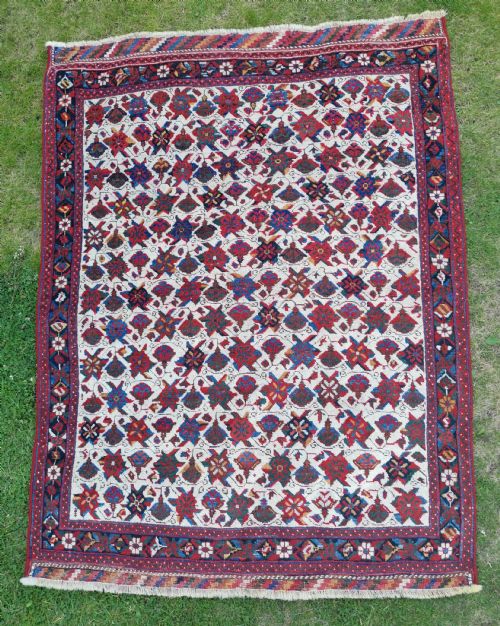
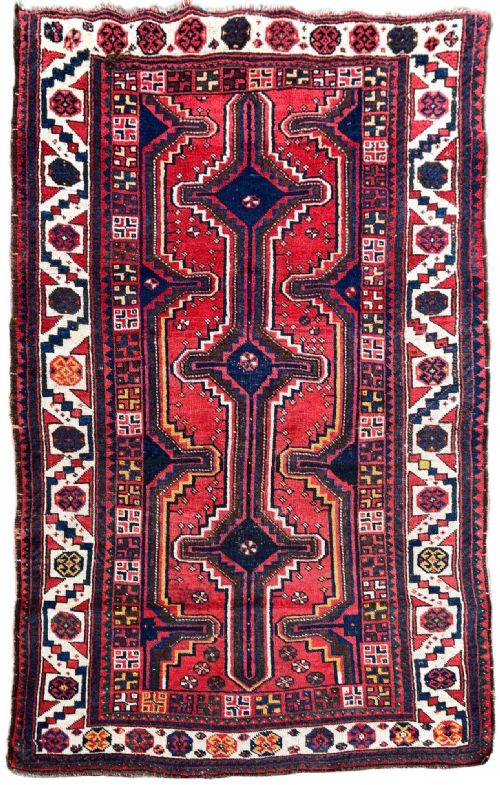
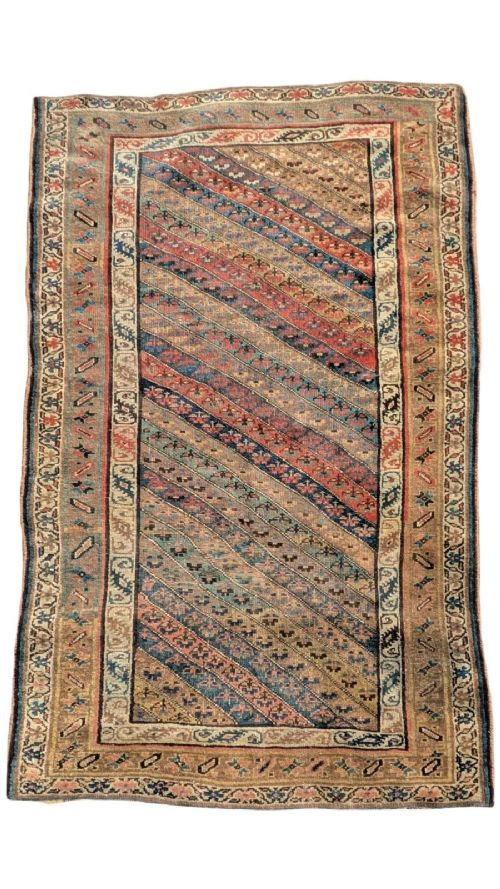
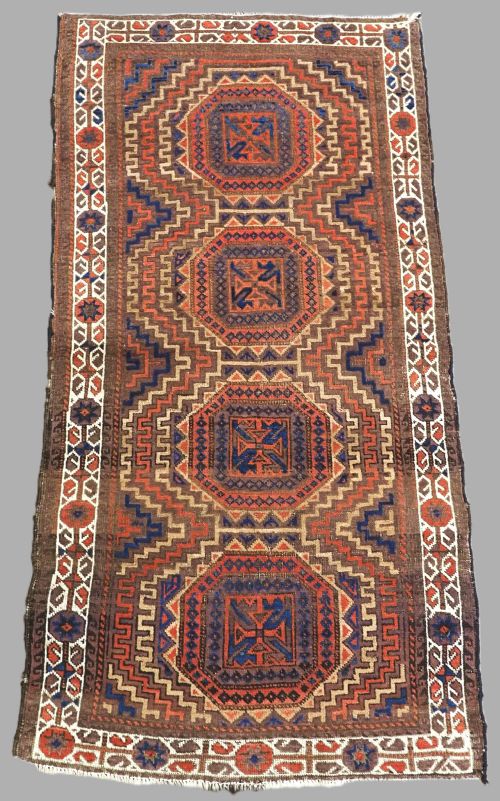
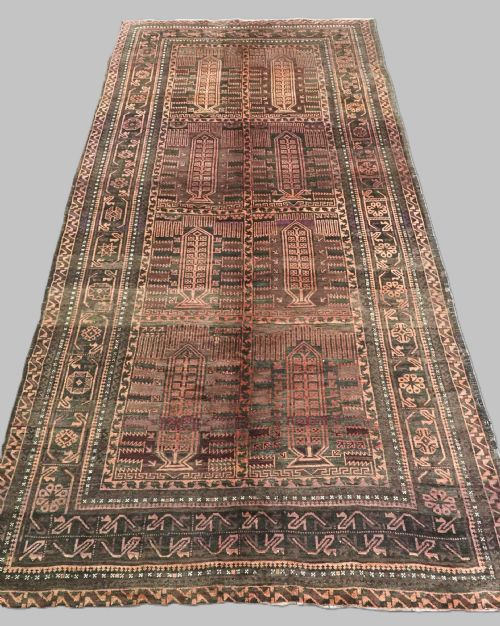
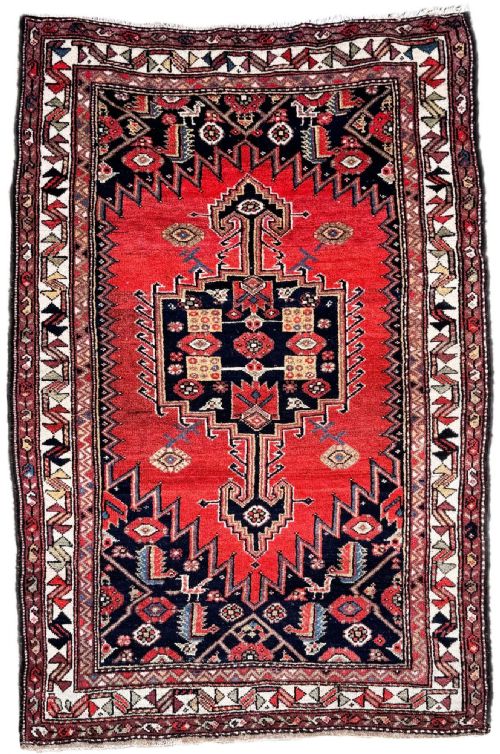
Buyers encounter pieces associated with specific tribal groups including Qashqai, Khamseh, Tekke, Ersari, and Salar Khani Baluch. The designs incorporate characteristic motifs like centre medallions, diamond lattices, boteh patterns, and tauk nuska guls.
The material palette of these pieces relies primarily on wool and cotton foundations and piles. Dating spans from the nineteenth century through to the 1930s, showing diverse regional styles from southwest Persia to the borderlands of northeast Persia and northwest Afghanistan.
Materials and Construction
The construction of these floor coverings depends on handweaving techniques using wool for the surface pile and typically wool or cotton for the structural warp and weft foundations. Artisans knotted and wove these textiles by hand within tribal and regional workshops.
Natural dyeing methods and hand-spun materials give the wool pile its depth of colour and varied texture. The resulting carpets and rugs combine durability with pliable structures suited to nomadic and settled domestic life.
Nomadic Tribal Rug Retail Price Guide 2026
Typical asking prices for nomadic tribal rug among the pieces listed under this phrase on Sellingantiques today, from the lower quarter to the upper quarter. They describe what is for sale here now, not the wider market.
Evaluating Quality and Execution
Quality in these woven pieces rests upon the fineness of the knotting, the integrity of the wool, and the precision of the geometric or medallion layouts. Tightly packed knots create a dense, resilient pile that maintains pattern clarity.
The sophistication of the tribal design, such as intricate diamond lattices or well-executed guls, distinguishes standard production from superior examples. Preservation of the original edge bindings and end finishes further elevates a piece.
The Nomadic Tribal Rug Glossary
- Sofreh
- A flatwoven or piled spread used for dining or food preparation among tribal groups. These textiles often feature distinct border arrangements and symbolic central fields.
- Gul
- A medallion or repeating octagonal motif used extensively in Turkmen carpets. Each tribal group favoured specific gul variations for identification.
- Boteh
- A stylised floral or almond-shaped motif representing a bent palm leaf or cypress tree. This pattern appears frequently across Persian and regional tribal weaves.
- Warp
- The stationary longitudinal threads stretched on a loom before weaving begins. The foundation yarns support the entire knotted pile structure.
- Weft
- The transverse threads passed across and interlaced through the warp threads. They hold the rows of knots securely in place.
Nomadic Tribal Rug: Frequently Asked Questions
Where were these rugs made?
The pieces originate from regions across Persia, Central Asia, and the borderlands of Afghanistan. Specific groups such as the Qashqai, Khamseh, and Turkmen tribes produced them.
Weavers worked within distinct regional traditions, utilising local materials and characteristic tribal motifs passed down through generations.
How do I care for an old wool rug?
Protect the textile by vacuuming gently without a rotating brush bar to avoid pulling the wool fibres. Keep the piece out of direct sunlight to prevent colour fading.
Rotate the rug periodically to ensure even wear across high-traffic areas and consult a specialist for professional cleaning when necessary.
What is a wedding dowry rug?
A wedding dowry rug is a specialised textile created by tribal weavers for marriage ceremonies or household establishment. These pieces often feature specific auspicious symbols and careful craftsmanship.
They served both ceremonial functions and practical roles within the nomadic family home.