

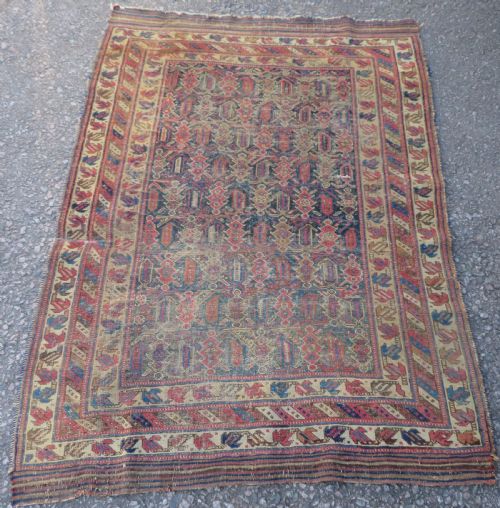
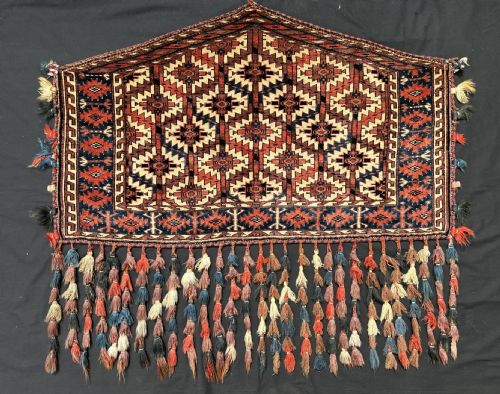

Nomadic Hand Woven Rug
A nomadic hand woven rug brings authentic tribal artistry into a home, offering tactile warmth and centuries of weaving tradition.
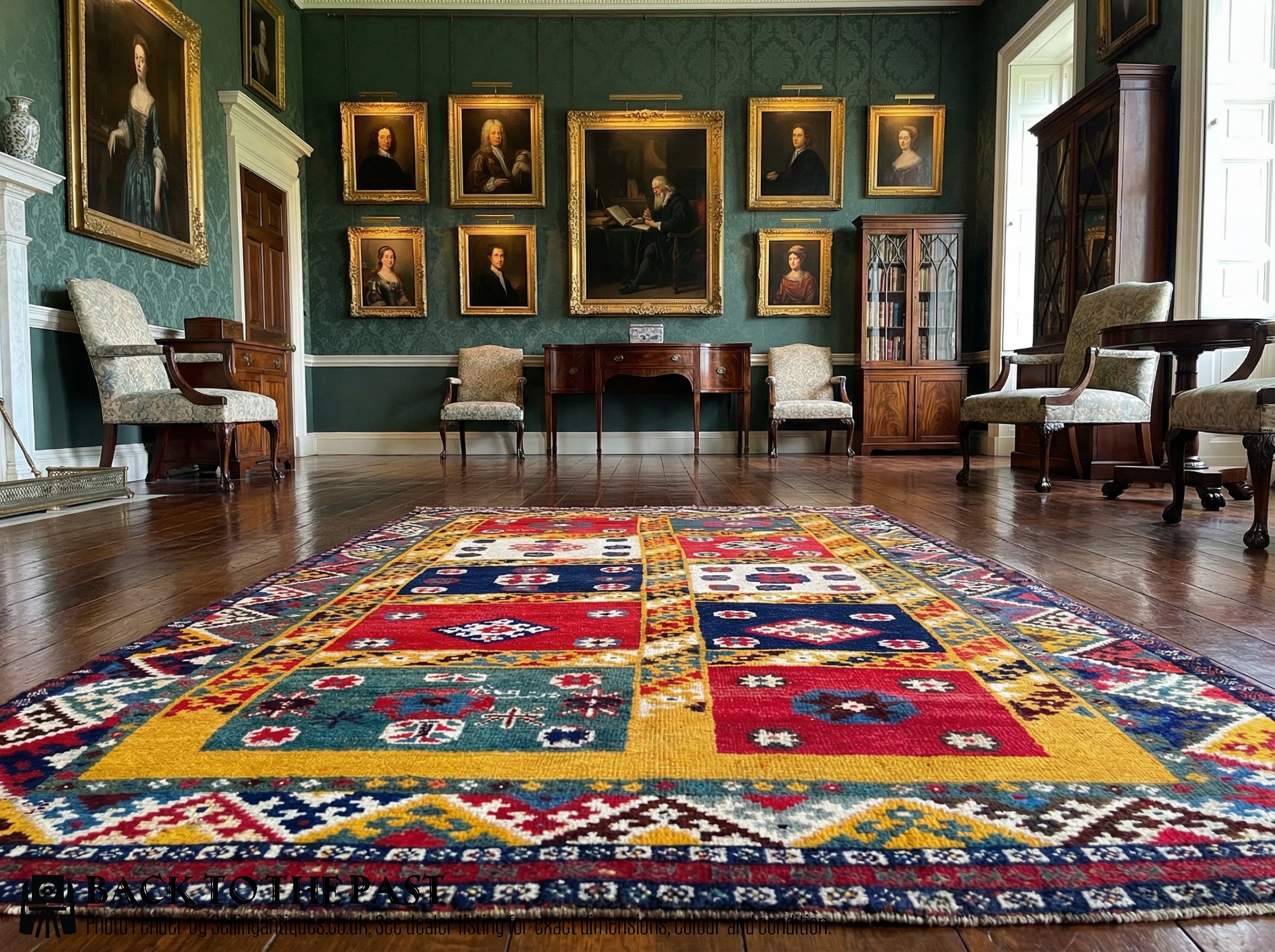
Nomadic Hand Woven Rug
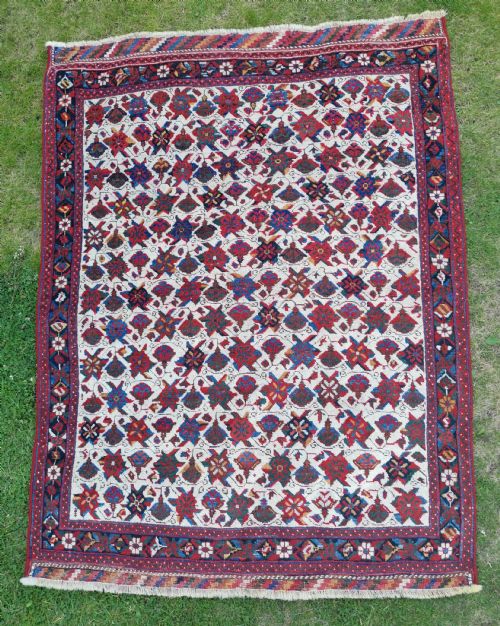
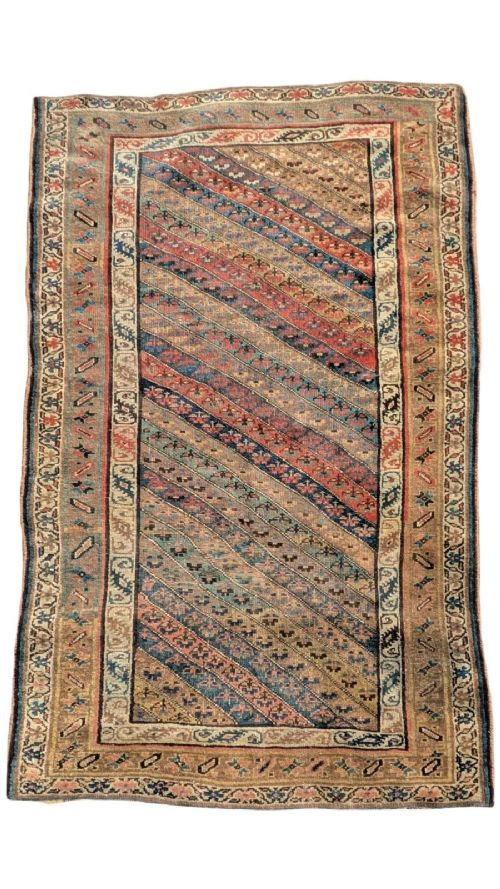
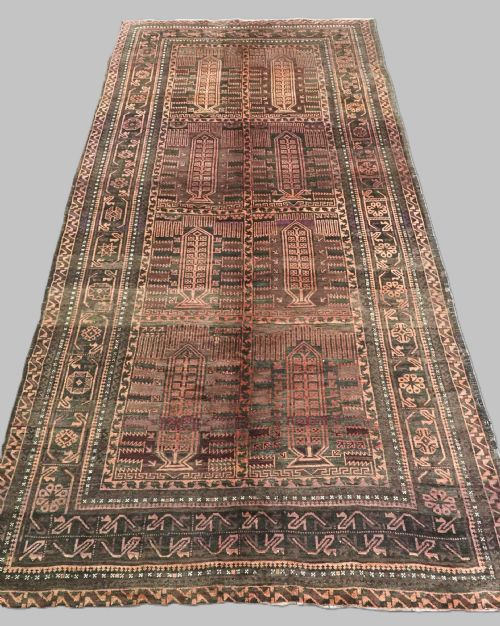
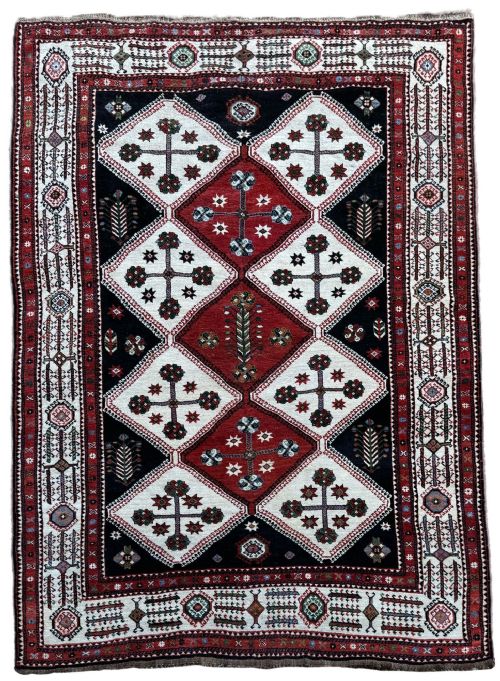
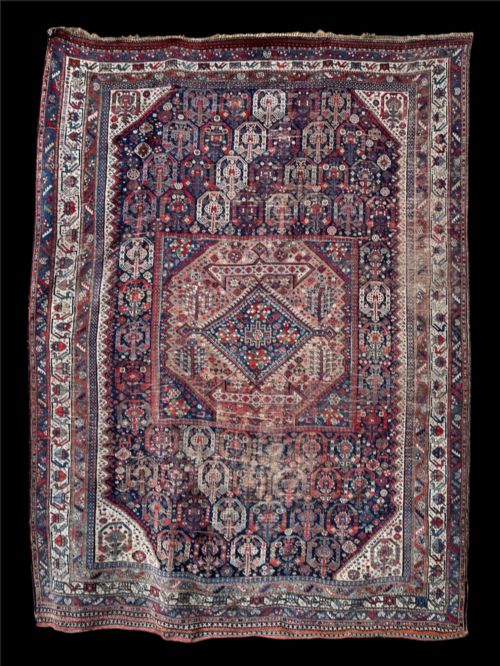
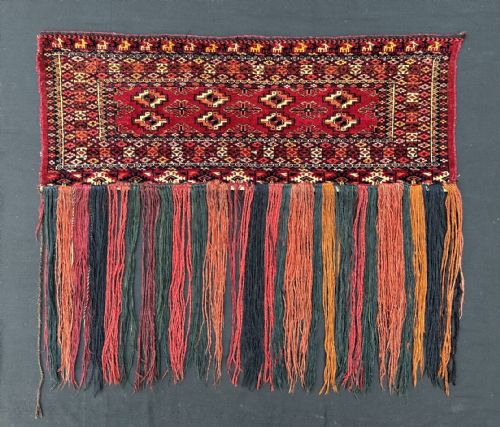
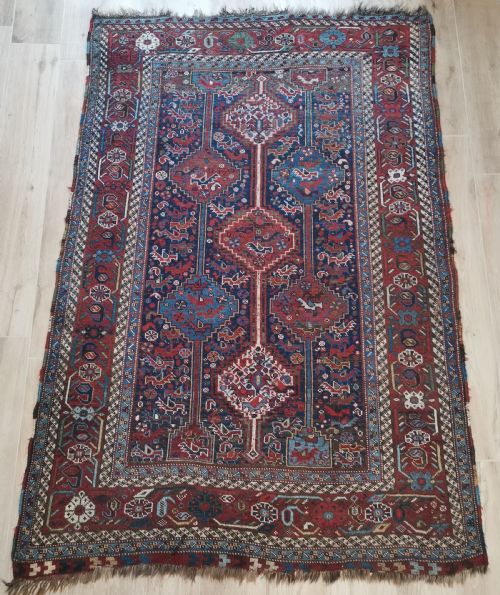
A nomadic hand woven rug encompasses traditional floor coverings created by tribal and village makers across regions such as Persia, the Caucasus, Afghanistan, and Anatolia. When exploring this selection, buyers encounter distinct styles including Persian Tribal, Caucasian Tribal, and Afghan Tribal pieces.
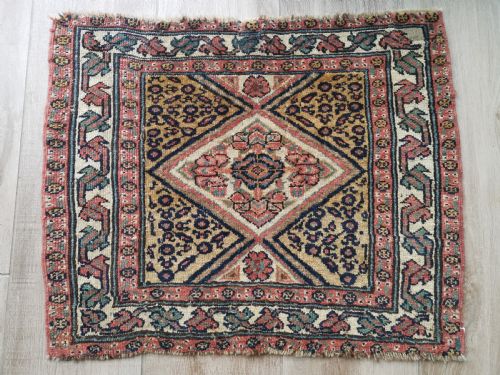
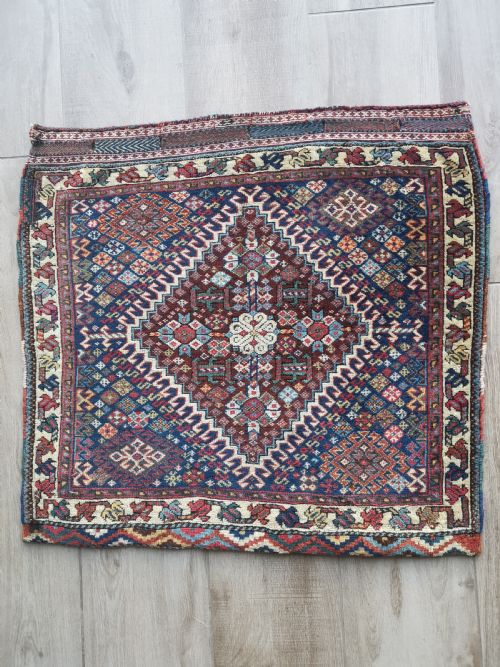
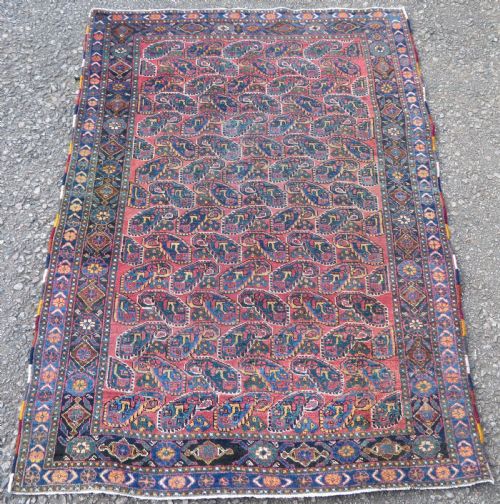
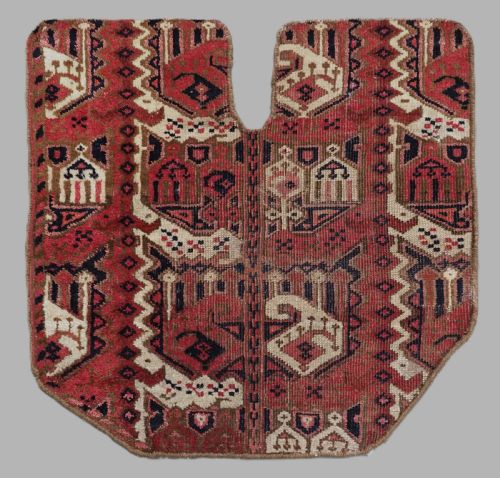
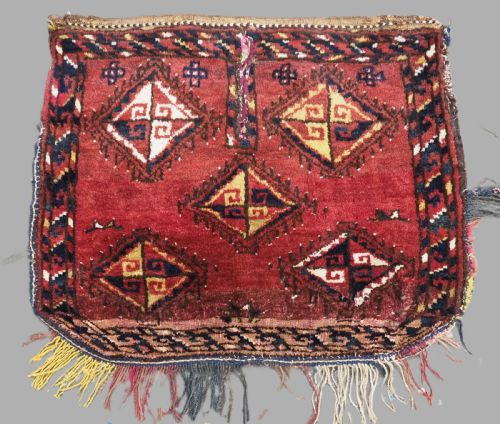
The inventory on this page showcases specific forms like area rugs, small rugs, and larger carpets originating from the late nineteenth century up through the nineteen-twenties. Pieces feature classic motifs such as hooked medallions, boteh patterns, and repeat lotus leaf designs.
Makers utilised traditional formats ranging from main carpets down to smaller pushti faces and prayer rugs. Each specimen reflects the distinct heritage of its producing group, whether Kurdish, Baluch, Afshar, or Qashqai.
How they were made
These textiles rely on fundamental materials recorded in the listings as wool and cotton. Weavers built the foundation using sturdy warps andwefts before knotting or weaving the pile by hand.
The construction methods reflect generations of domestic production, where nomadic and village weavers utilised local animal fibres to ensure durability. The resulting structure provides the characteristic dense surface handle found in antique tribal floor coverings.
Nomadic Hand Woven Rug Retail Price Guide 2026
Typical asking prices for nomadic hand woven rug among the pieces listed under this phrase on Sellingantiques today, from the lower quarter to the upper quarter. They describe what is for sale here now, not the wider market.
Some Baluch weavers tucked small hidden protective amulets directly into the foundation wool to ward off the evil eye.
What varies in quality
Quality in these textiles rests upon the integrity of the wool, the precision of the tribal design execution, and the overall structural preservation of the weave. Finer examples display crisp geometry in motifs like the pencil box or seh mihrab layouts.
The distinction between standard village production and superior weaving lies in the handling of the pile and the vitality of the traditional patterns. Well-preserved pieces retain their structural density and clear chromatic contrasts.
The Nomadic Hand Woven Rug Glossary
- Pushti
- A small nomadic mat or rug, often used as a cushion face or small seat covering.
- Boteh
- An ancient motif resembling a almond or bent pear shape, frequently seen in traditional eastern textiles.
- Mihrab
- A prayer niche design element pointing towards Mecca, commonly found in devotional rugs.
- Warps
- The vertical threads stretched lengthwise on a loom that form the structural skeleton of the rug.
- Weft
- The horizontal threads passed through the warps to bind the knot rows securely in place.
Nomadic Hand Woven Rug: Frequently Asked Questions
Where were these rugs made?
The pieces originate from tribal and village communities across regions including the Caucasus, Persia, Afghanistan, and Anatolia. Nomadic groups produced them for domestic use and local trade.
Production methods varied by tribe, resulting in distinct regional characteristics found in styles like Baluch, Afshar, and Qashqai work.
How do I care for an antique rug?
Protect the textile by vacuuming gently without a rotating brush bar and keeping it out of direct sunlight. Professional cleaning suited for antique wool is essential.
Using an appropriate underlay helps prevent slipping and reduces friction between the rug and the floor.
What is a prayer rug?
A prayer rug is a smaller format textile featuring a mihrab or niche design at one end. Nomadic weavers created these for daily devotional use.
The design guides the user on placement during prayer rituals while showcasing the weaver's skill in symbolic geometry.