


Nomadic Central Asian Carpet
When you examine a nomadic central asian carpet, you hold a tribal textile woven across the steppes using traditional wool and natural dyes.
Nomadic Central Asian Carpet
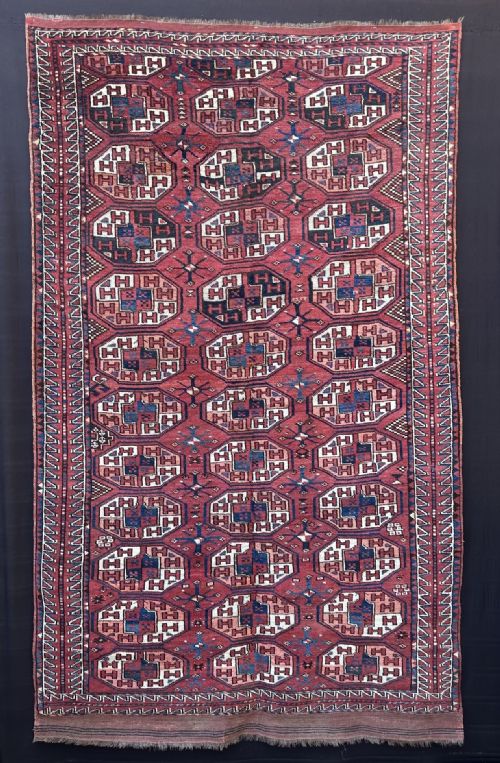
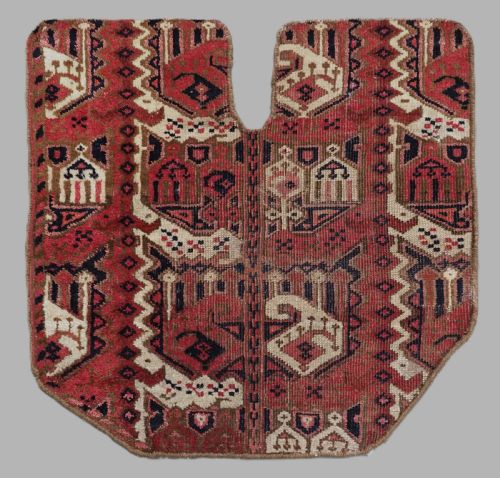
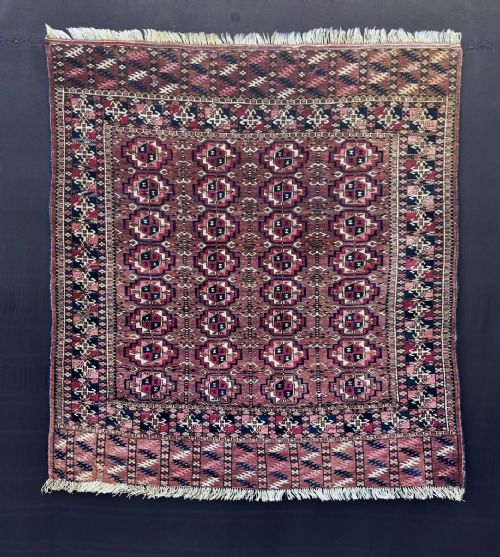
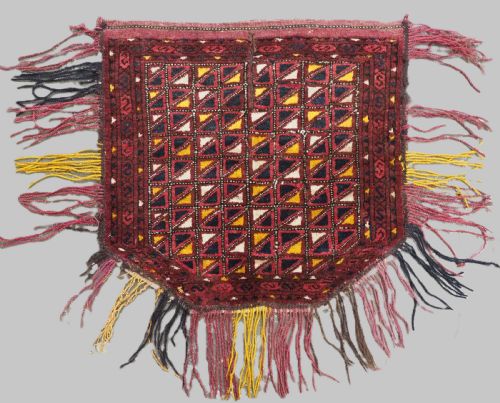
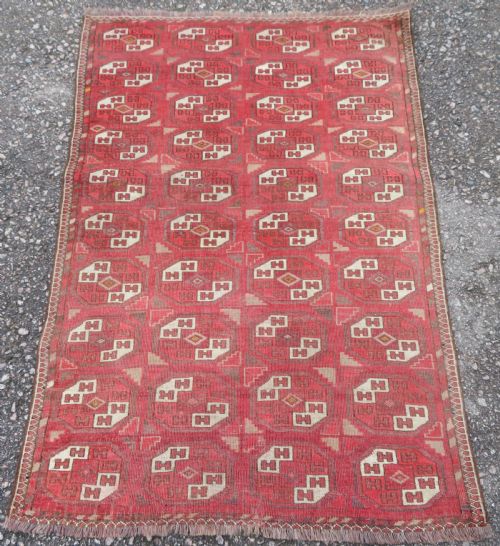
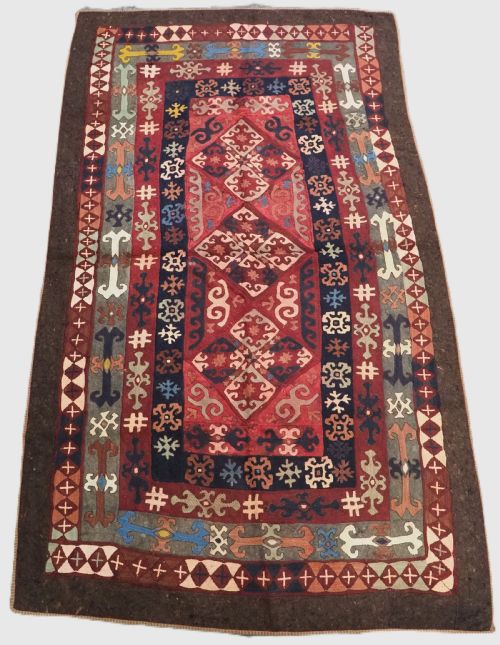
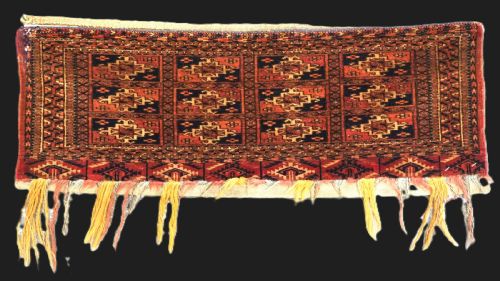
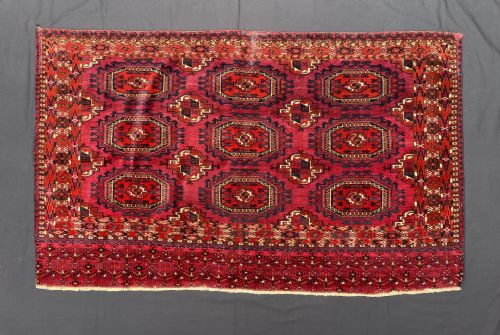
A nomadic central asian carpet encompasses practical tribal weaving produced by groups such as the Turkmen, Uzbek, and Yomut tribes during the nineteenth and early twentieth centuries. Buyers encounter various functional forms here, including tent door rugs, saddle covers, storage bags, and ceremonial felts rather than standard floor coverings alone. These pieces originate from locations like the Merv oasis and the Trans-Caspian steppes, displaying distinct tribal patterns tied to specific regions.
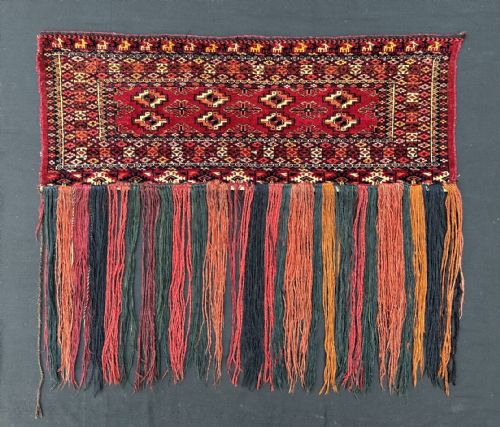
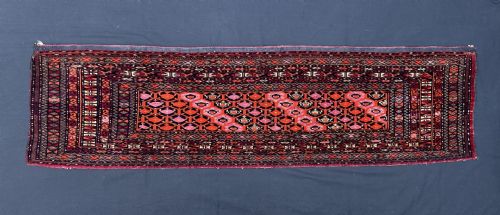
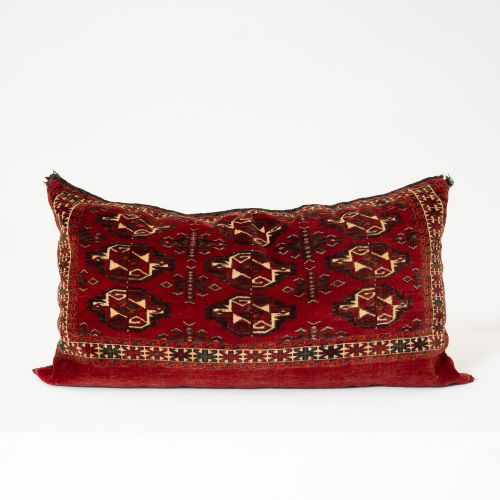
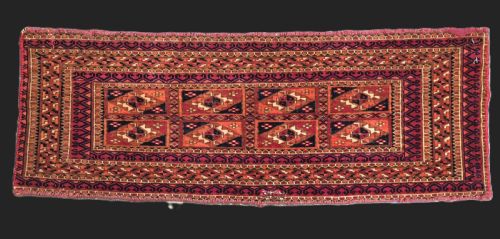
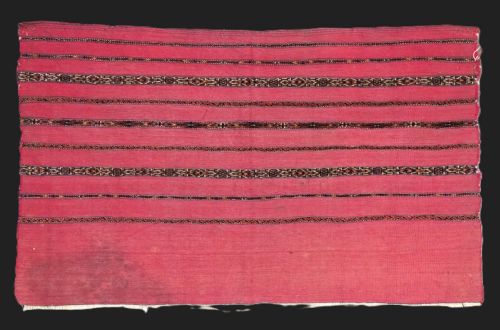
The selection ranges from large carpets to smaller torba faces and chuval cushions, spanning periods from the eighteen-fifties through the nineteen-twenties. Geometric layouts dominate, featuring repeating gul motifs, banded flatweave designs, and ikat patterns executed in rich palettes. Each object reflects the nomadic lifestyle of its makers, serving utilitarian roles within yurt dwellings and during migrations.
Materials and construction
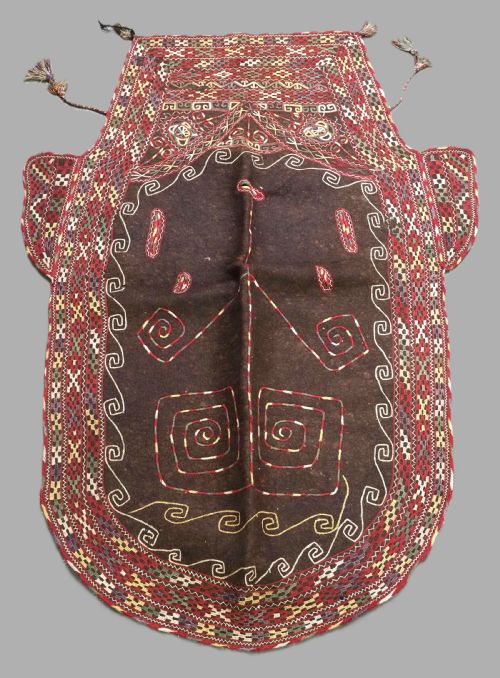
Weavers utilised hand-spun wool for the pile and structure, often combining it with cotton threads for foundations and silk thread details. Natural dyes provided the deep reds, blues, and earth tones characteristic of these regional textiles, resulting in varied hues that mellow with age. Certain items incorporate felted wool and heavy felt bases, particularly ceremonial horse blankets and yurt rugs constructed in multiple strips.
Construction methods vary from fine pile knots to flatweave techniques and intricate embroidery. Specialised items like tent door rugs and saddle bags required sturdy edge finishes and occasionally original tassels or plain weave backs to withstand daily use inside nomadic camps.
Several items retain their original spinning bags and horse blankets, proving that nomadic sheep had excellent taste in interior design.
Assessing quality
Quality in these textiles depends heavily on the fineness of the weave, the precision of the tribal motifs, and the depth of the natural dyestuffs employed. Pieces featuring well-drawn gul designs and tight knotting demonstrate superior technical skill by the weaver. Additionally, the survival of original elements such as flatweave backs, tassels, and structural bindings elevates an example.
The integrity of the hand-spun wool and the complexity of the design layout also distinguish finer pieces from standard utilitarian work. Textiles retaining vibrant, unblemished natural colours show superior dye preparation and material selection during creation.
The Nomadic Central Asian Carpet Glossary
- Gul
- A primary medallion or repeating floral-derived motif found across Turkmen and Central Asian tribal weaving. Different tribes utilised specific gul variations to signal lineage and identity.
- Torba
- A small storage bag or hanging used within nomadic tents for domestic organisation. These pieces frequently feature detailed face designs while the reverse remains plain weave.
- Chuval
- A large tent storage bag traditionally used for bedding and household goods. They often display multiple guls and appear as complete pieces or trimmed bag faces.
- Kapak
- A specific form of tent door rug or covering associated with nomadic architecture. These items provide heavy vertical presence with strong graphic borders.
- Julkyrs
- A long-piled yurt rug woven by Uzbek communities for warmth and seating. They are typically constructed from multiple narrow strips stitched together.
Nomadic Central Asian Carpet: Frequently Asked Questions
How were these rugs used in nomadic life?
Nomadic groups utilised these woven items for practical storage, tent decoration, and insulation within traditional yurt dwellings. Bags held clothing and bedding, while saddle covers and horse blankets served practical transport functions during seasonal migrations.
Textiles also marked important cultural milestones, appearing as wedding rugs, ceremonial hangings, and dowry components within the tribe.
How do I identify different tribal designs?
Tribal attribution relies primarily on the repeating gul motifs, border arrangements, and colour palettes unique to specific groups like the Tekke, Yomut, or Ersari. Each tribe maintained distinct design vocabularies passed down through generations of weavers.
Structural details such as knotting direction, side-cord finishes, and the presence of flatweave bands also point toward particular regional workshops or oases.
How should I care for an antique wool textile?
Protect antique wool and natural dye pieces by keeping them away from direct, harsh sunlight to prevent fading. Regular, gentle vacuuming without a beater bar removes trapped dust without damaging the pile or fragile foundations.
Professional textile conservators should handle any deep cleaning or structural repairs. Using a breathable underlay helps protect the wool fibres from friction.
What is the difference between a torba and a chuval?
A torba is generally smaller in format, designed as a compact wall-hanging storage bag or bedding container within the yurt. A chuval is significantly larger, intended for heavy domestic storage needs and grain or blanket containment.
Both items frequently survive as single bag faces after the plain weave backs wore away from decades of handling and use.