




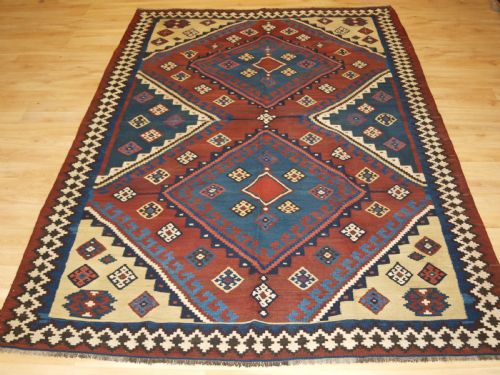


Nomad Area Rug
These nomad area rug pieces are woven tribal works carrying centuries of village and tent heritage into modern rooms.
Nomad Area Rug
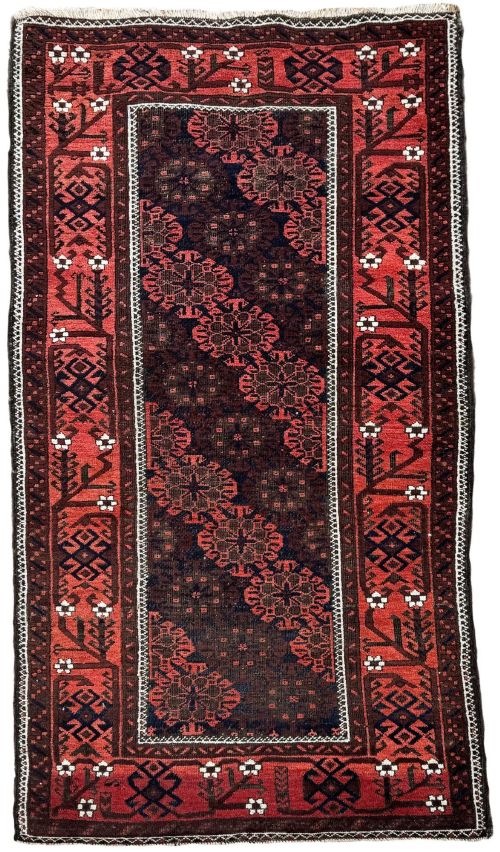
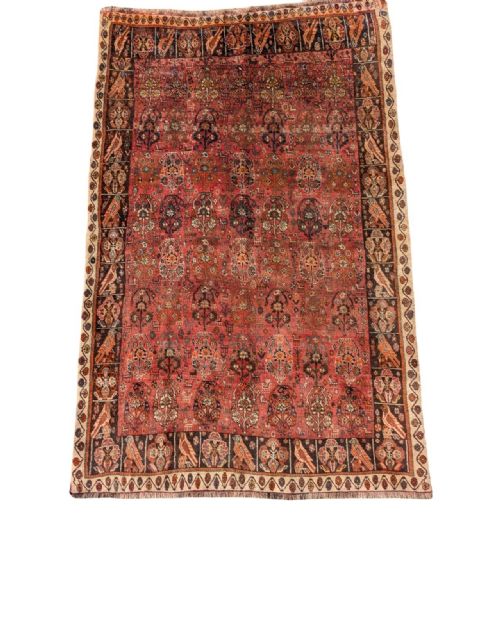
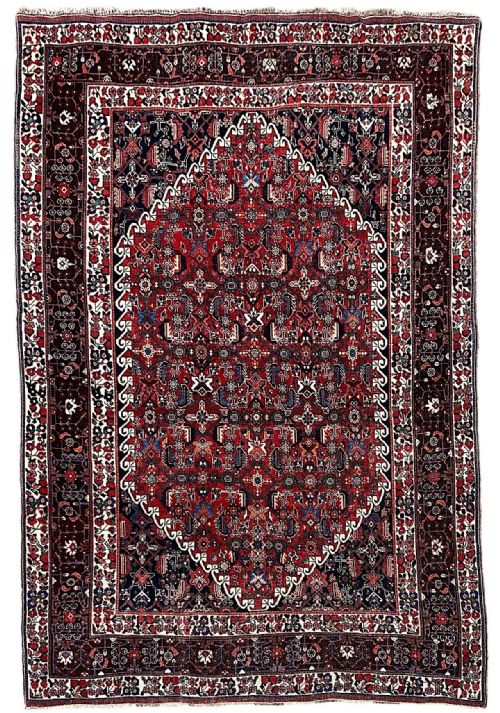
A nomad area rug brings dense tribal character to a floor through traditional weaving centres across Persia, Anatolia, Caucasus, and Afghanistan. When you search for nomad area rug, you encounter pieces originating from distinct regional groups including Qashqai, Afshar, Kurdish, Yuruk, Timuri, Baluch, Luri, Kazak, and Turkmen tribes.
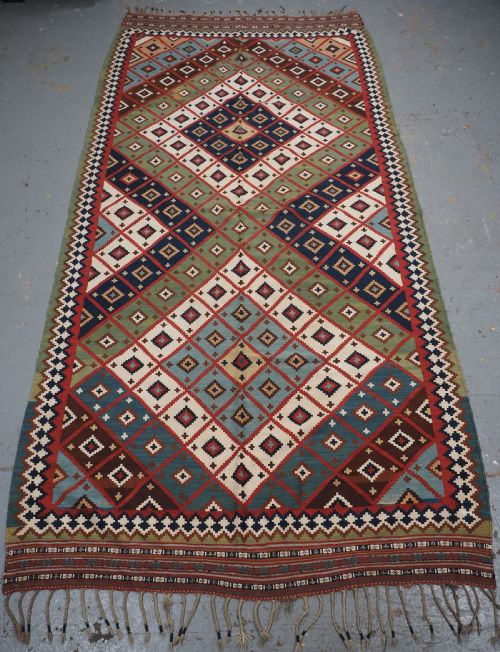
The selection ranges from knotted pile carpets and small main carpets down to flatwoven kilims, bread sofreh cloths, and saddle bag faces. Production dates span from the nineteenth century into the early twentieth century, reflecting generations of nomadic hand-knotting traditions.
Qashqai tribal rugs and kilims appear frequently, often displaying diamond medallions, pillar motifs, or eye-dazzler patterns. Other pieces feature dragon and phoenix designs on ivory grounds or traditional tribal field arrangements.
Materials and Weaving Methods
Makers constructed these floor coverings using wool and hand-spun wool for the pile and surface texture, paired with cotton foundations in specific regional types. The application of natural dyes yielded deep, saturated tones across the wool yarns.
Weavers employed traditional hand-knotting and flatweaving techniques passed down through tribal groups in regions such as Fars Province, Kerman, Luristan, and Western Afghanistan. These time-honoured methods produced durable textiles designed for nomadic domestic life.
Nomad Area Rug Retail Price Guide 2026
Typical asking prices for nomad area rug among the pieces listed under this phrase on Sellingantiques today, from the lower quarter to the upper quarter. They describe what is for sale here now, not the wider market.
Judging Quality in Tribal Weaving
Quality rests in the integrity of the wool, the clarity of the natural dyes, and the precision of the tribal geometry. Tightly packed knots and resilient hand-spun wool separate master weaver output from simpler utility pieces.
Design execution also dictates standard, where balanced proportions in medallions and crisp rendering of motifs like pillars or zoomorphic figures elevate a textile. Condition and structural survival across edge bindings and foundational warps complete the assessment.
The Nomad Area Rug Glossary
- Sofreh
- A woven or flatwoven spread used for kneading bread or serving meals in nomadic households. These textiles often double as striking pictorial compositions.
- Kilim
- A flatwoven textile produced without a pile by tightly interweaving warp and weft threads. They offer crisp geometric patterns and lighter weight than knotted carpets.
- Saddle bag face
- The front panel of a utilitarian animal bag preserved as a small rug after the backing wore away. They showcase concentrated miniature tribal designs.
- Warp
- The vertical structural threads stretched onto the loom before weaving begins. The pile knots are tied around these foundational elements.
- Weft
- The horizontal threads passed across the warps to bind the knots in place. Packing the weft tightly creates a firm, durable rug structure.
Nomad Area Rug: Frequently Asked Questions
How do I identify a Qashqai rug?
Qashqai rugs typically originate from the Fars province of south-west Persia and display characteristic diamond medallions or geometric motifs.
They often incorporate natural dyes on wool foundations, sometimes featuring pictorial elements like the pillars of Persepolis or striking eye-dazzler patterns.
Where were Afshar nomad rugs made?
Afshar rugs were woven by tribal groups residing primarily in the Kerman province of southern Persia. Their pieces often include distinctive animal designs, such as dragons and phoenixes.
These textiles reflect the rich visual vocabulary of Afshar nomads working with hand-spun wool and natural dyes.
How should I care for an antique tribal rug?
Protect your antique textile by vacuuming gently without a rotating brush bar and keeping the piece away from direct, prolonged sunlight.
Rotate the rug periodically to ensure even wear across high-traffic areas and consult a specialist in antique oriental textiles for professional cleaning.