




Noblewoman Portrait Painting
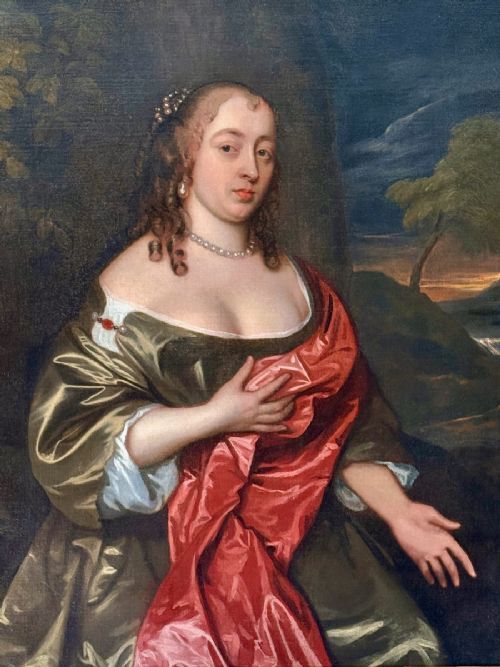
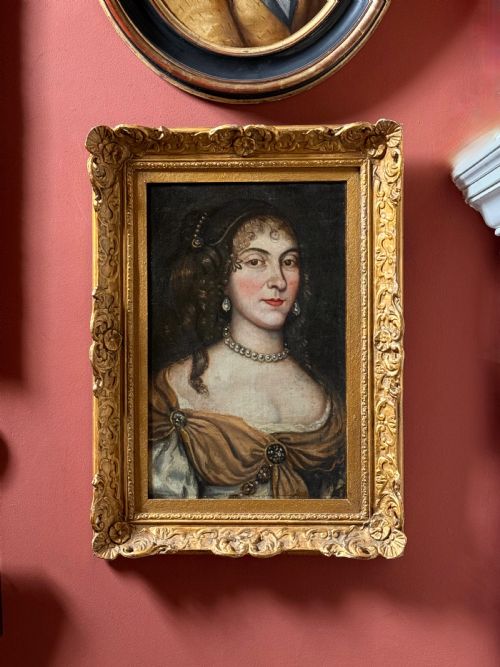
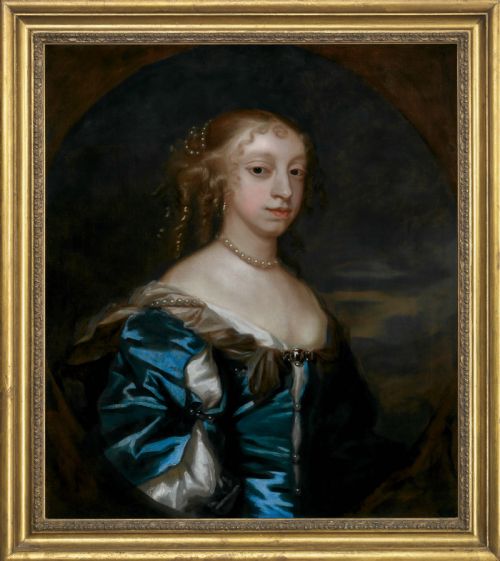
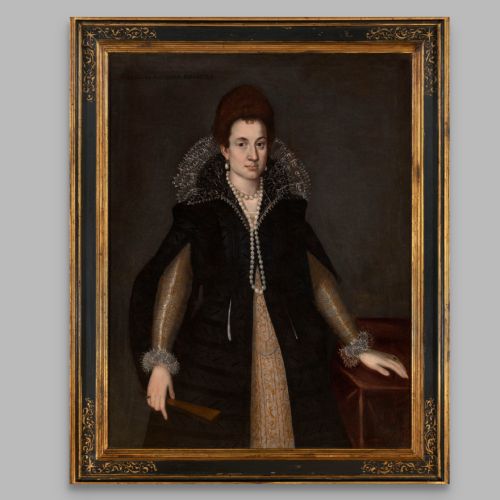
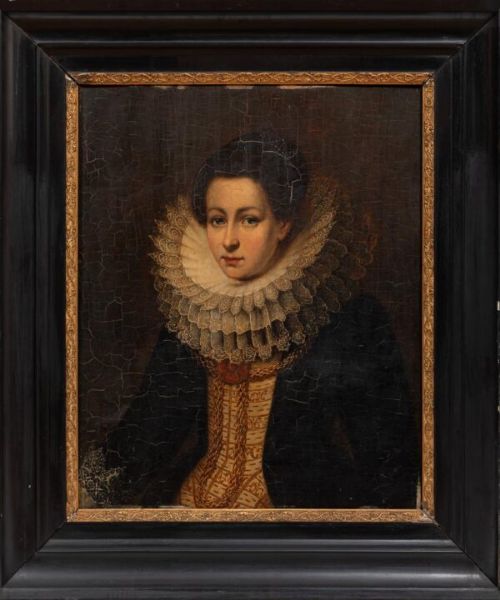
A noblewoman portrait painting captures centuries of high status through oil on canvas and gilt wood.
Noblewoman Portrait Painting
A noblewoman portrait painting depicts figures of high rank across several centuries, with seventeenth-century English and continental works forming the core of the selection.
These works capture identifiable historical figures, such as the Duchess of Newcastle or Lady Diana Bruce, alongside anonymous subjects in elaborate costume.
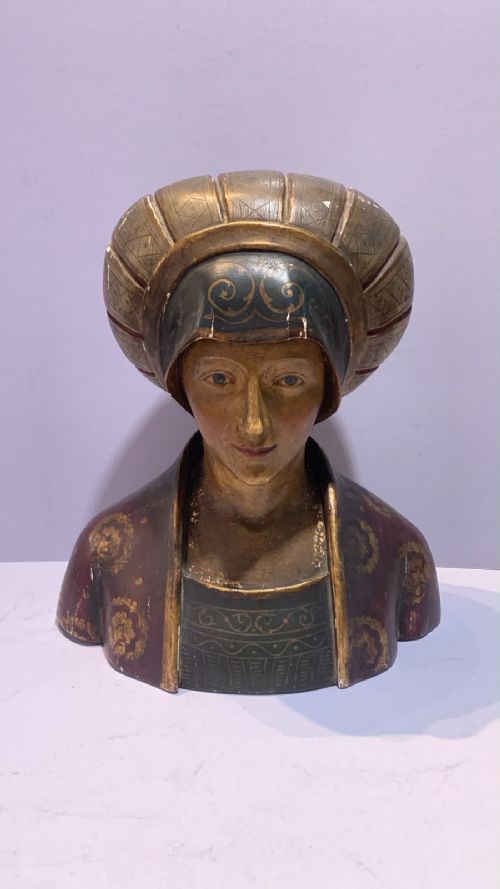
The materials and forms span traditional oil paintings on canvas, framed oil portraits, and even sculptural formats like nineteenth-century Grand Tour busts.
How They Were Made
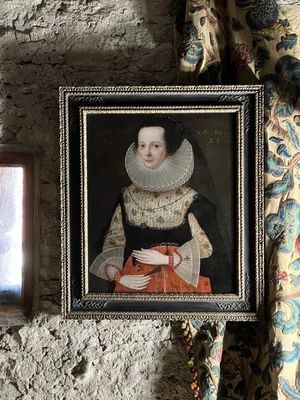
Artists painted primarily in oil on canvas or wood panels, utilising layered oil paint to render complex textiles like ruff collars and ermine-trimmed cloaks.
Many works incorporate original or period frames finished in gold leaf and gilt wood, completing the presentation of these historic subjects.
Several noble subjects wear ruff collars so intricate they demand a double take.
What Varies in Quality
The distinction between works rests upon the fidelity of the portraiture, the handling of intricate fabrics and lace, and the attribution to known schools or circles of prominent painters.
Condition of the canvas, the preservation of the original oil pigment, and the integrity of the associated gilt wood frame heavily influence the character of each piece.
JOHN HAYLS·Pietro Fachetti·Sir Anthony Van Dyck·John Greenhill·Sir Godfrey Kneller·Charles Jervas
The Noblewoman Portrait Painting Glossary
- Oil on canvas
- A painting medium where pigments suspended in oil are applied to stretched fabric. This technique allowed artists to achieve rich tones and depth.
- Gilt wood
- Wood decorated with gold leaf or gold paint. Frames utilising this finish accent the warmth of the oil paintings.
- Stuart
- The period of British history spanning the seventeenth century. Works from this era often feature elaborate costume and stiff ruffs.
- Baroque
- An artistic style characterised by drama, tension, and grandeur. This approach appears frequently in seventeenth-century portraiture.
- Grand Tour
- A traditional trip through Europe undertaken by upper-class young men. Busts and paintings were frequently collected during these travels.
Noblewoman Portrait Painting: Frequently Asked Questions
What is a noblewoman portrait painting?
These historical artworks depict female figures of nobility, often dressed in elaborate seventeenth-century costume, ruffs, or ermine-trimmed cloaks.
They serve as direct visual records of elite society from the sixteenth century onwards, executed primarily in oil paint on canvas.
How were these historical portraits displayed?
Period portraits were commissioned by noble families to hang in country houses and town residences as statements of lineage and status.
They were typically mounted in heavy gilt wood frames designed to complement the grandeur of the interior architecture.
How do I identify seventeenth-century portraits?
Seventeenth-century works are distinguished by specific clothing styles, such as intricate lace ruff collars, velvet gowns, and structured corsetry.
Attributions to known English or continental schools, as well as specific painters from the period, help confirm the date.
How do I care for antique oil paintings?
Antique oil paintings require stable environmental conditions away from direct sunlight and dramatic fluctuations in humidity.
Dusting should be done gently with a soft, dry brush, avoiding any chemical cleaners or moisture on the canvas.