


Aristocratic Lady Portrait Oil
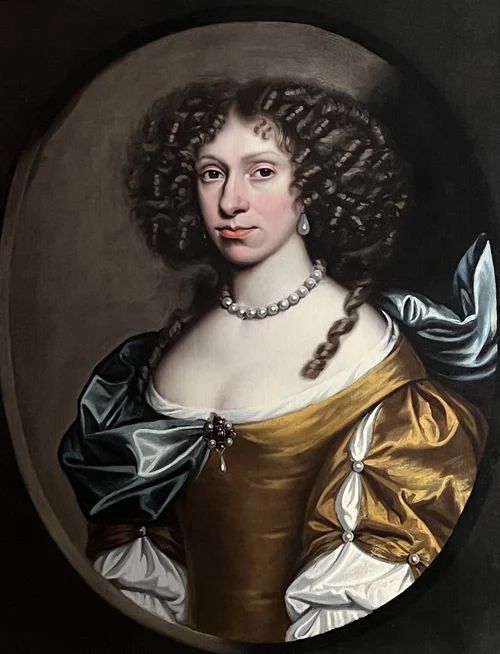
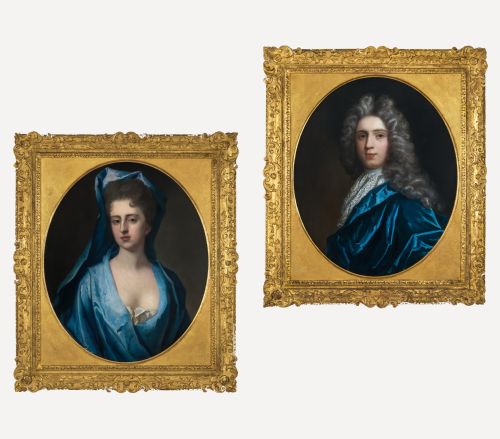
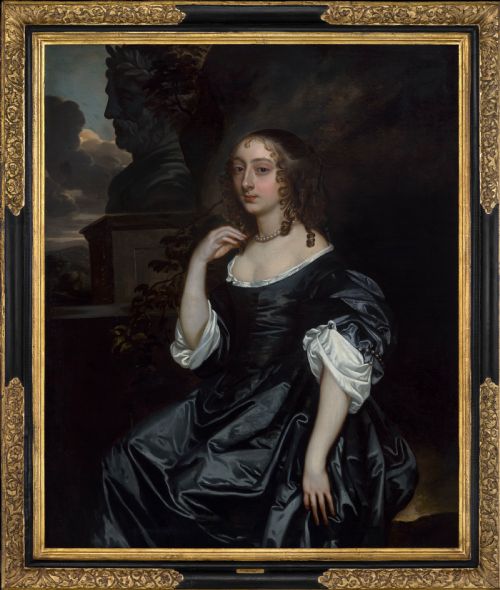
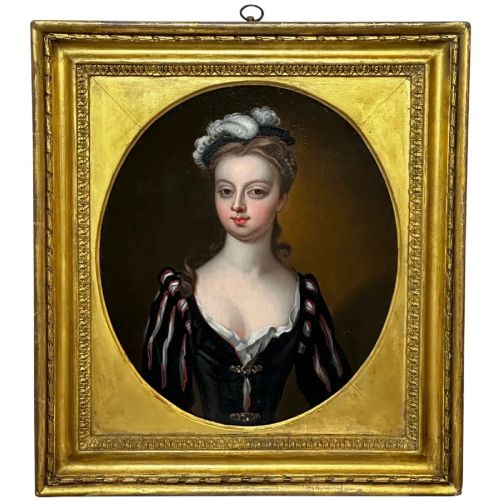
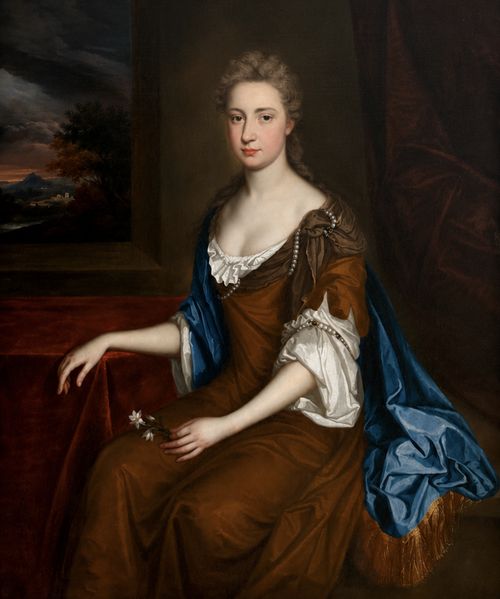
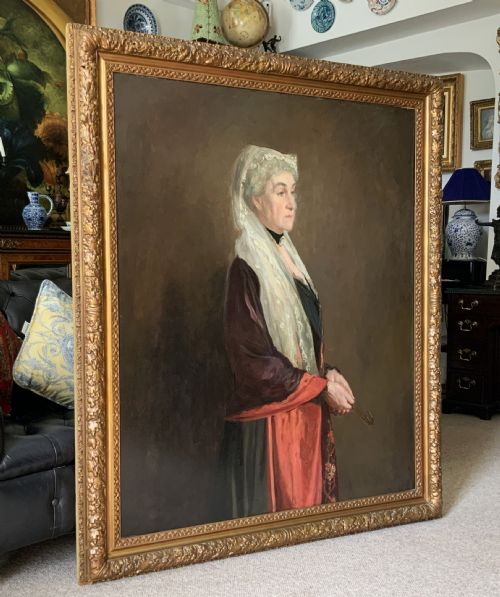
An aristocratic lady portrait oil captures elite sitters in oils on canvas or oak panel, spanning Baroque and Georgian periods through to the nineteenth century.
Aristocratic Lady Portrait Oil
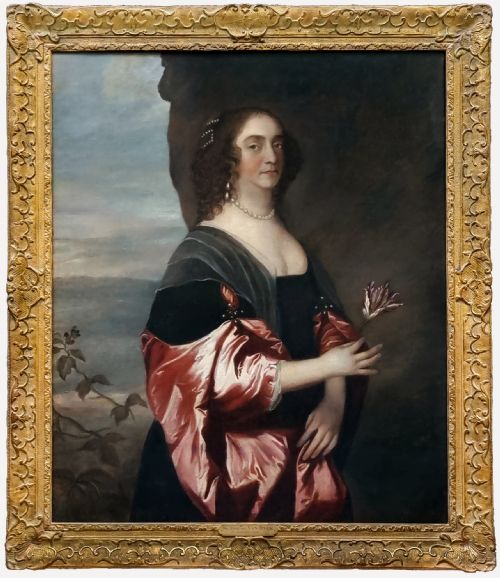
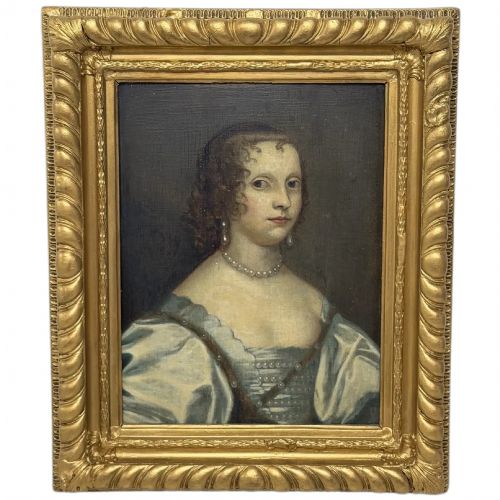
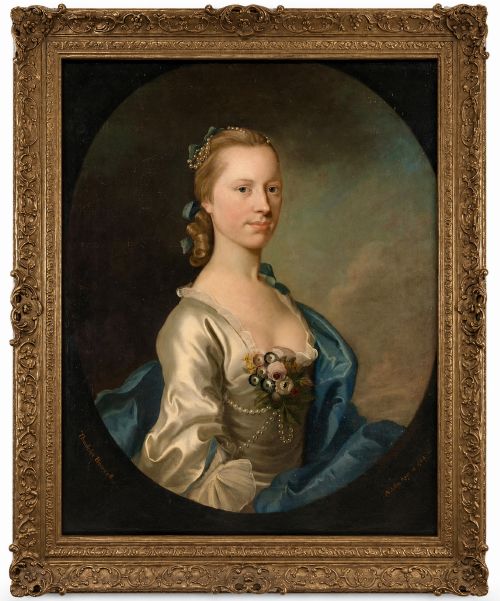
An aristocratic lady portrait oil depicts named or attributed noblewomen from the seventeenth, eighteenth and nineteenth centuries, often rendered in elaborate gowns with pearls, velvet and silks. These works capture the status, lineage and fashion of their subjects through formal composition and direct gaze.
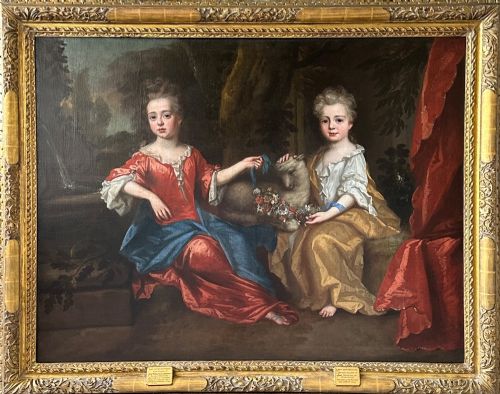
The versions most commonly met on this page originate in the seventeenth and eighteenth centuries, reflecting British Baroque, Georgian and Dutch Golden Age traditions. Painters of these eras recorded sitters from prominent families, utilising canvas or oak panels to preserve likenesses across generations.
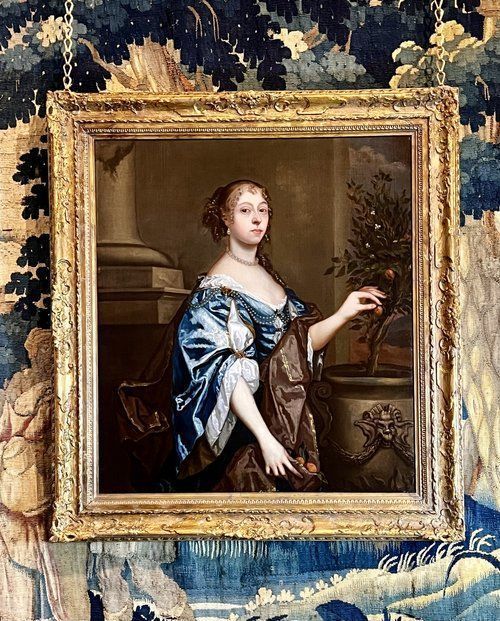
Subjects appear individually or alongside children, pets and symbolic objects like oranges, grounding their identity in aristocratic households. The survival of these paintings relies upon careful preservation of their original oil paint layers and supportive wooden frames.
Distinctions in quality
The preservation of the original paint surface and the stability of the canvas or oak panel dictate the visual integrity of the piece. Works retaining their untouched seventeenth or eighteenth-century pigment layers stand apart from heavily restored surfaces.
Listings feature works from the seventeenth century through the nineteenth century, executed in oil on canvas or oak panel.
David Scougall·Michael Dahl·Thomas Murray·Pieter Borsseler·Sir Peter Lely·John Vanderbank·Sir Stanley Clarke·Allan Ramsay·James Maubert·Robert Edward Morrison·Charles Jervas·Pieter Nason·Richard Buckner·Sir Godfrey Kneller·Philip Mercier·Joseph Highmore·Thomas Hickey
The Aristocratic Lady Portrait Oil Glossary
- Oil on Canvas
- Pigment mixed with drying oil applied to a stretched woven fabric support. This combination allowed artists to blend tones smoothly and achieve luminous effects in clothing and flesh.
- Giltwood
- Timber carved and coated with a thin layer of gold leaf. Frames made in this technique enhanced the visual weight and status of formal portraits.
- Oak Panel
- A rigid wooden support constructed from oak boards used for early paintings. This material provided a stable surface for detailed portraiture before canvas became dominant.
- Baroque
- An artistic style spanning the seventeenth and early eighteenth centuries characterised by drama, rich colour and dynamic composition. Portraits from this movement emphasise theatrical drapery and intense presence.
- Circle of
- A designation indicating that an anonymous artist worked closely in the manner and workshop tradition of a named master. These paintings share technical characteristics with the central figure.
Aristocratic Lady Portrait Oil: Frequently Asked Questions
How should I hang an oil portrait?
Display these paintings away from direct sunlight and steady heat sources to protect the oil paint and canvas from warping or fading. Ensure the wall structure securely supports the weight of the heavy giltwood frames.
Maintain stable indoor humidity levels to prevent the wooden panels or canvas stretchers from expanding and contracting. Proper placement preserves both the structural integrity of the support and the pigments.
What do the clothing and objects signify?
Gowns of velvet, satin and ermine, alongside pearls and gold braids, marked the wealth and social standing of the sitter. Certain props, such as fruit or pets, added personal meaning or signalled familial lineage.
Portraitists arranged these elements deliberately to communicate the status of the aristocratic family within society. Each decorative detail offers insight into contemporary fashion and the sitter's identity.
How do I identify seventeenth-century works?
Seventeenth-century portraits often feature darker, restrained backgrounds with strong chiaroscuro lighting that highlights the face and lace collars. Sitters typically wear stiff bodices, pearls and heavy drapery characteristic of the Baroque period.
Examining the canvas weave, preparation layers and framing style helps confirm the period origins. Archival records and sitter attributions further clarify the date of execution.
Who were the typical portrait sitters?
Sitters belonged to the British and European nobility, including baronets, countesses, military generals and their immediate family members. These commissions recorded marriages, inheritances and positions of authority.
Commissioning a portrait allowed aristocratic families to project their heritage and permanence across generations. These records capture specific historical figures within documented lineages.