

Baroque Portrait of Lady
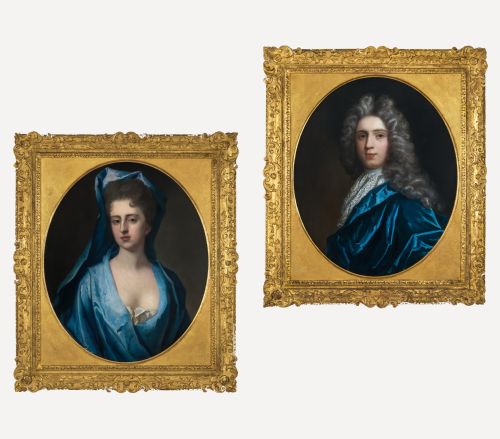
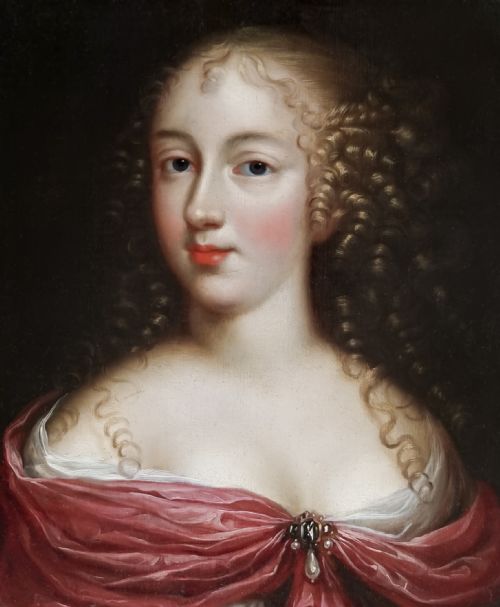
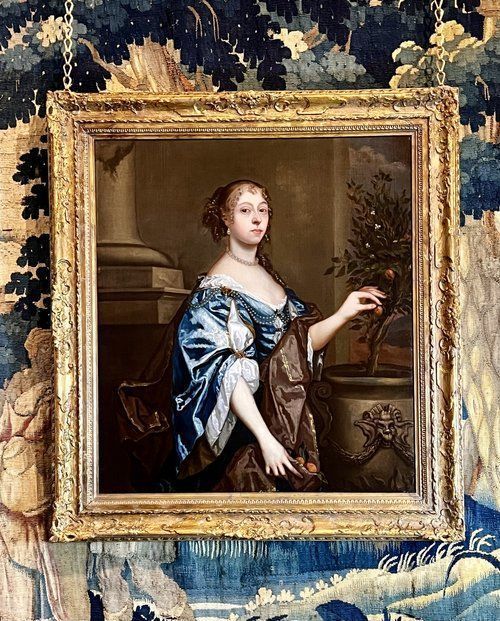
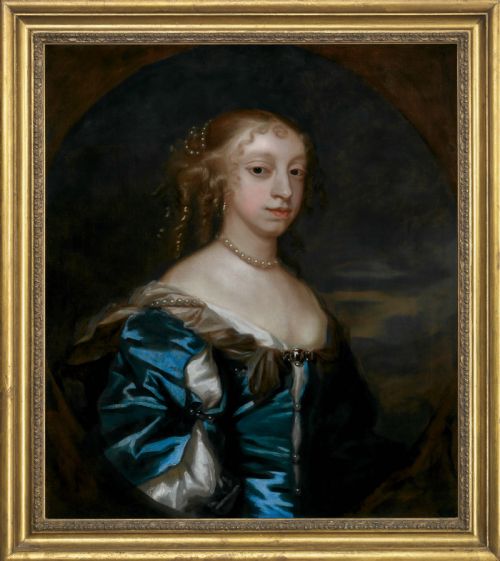
A baroque portrait of lady captures aristocratic grandeur through theatrical lighting, rich textiles, and commanding gazes.
Materials and technique
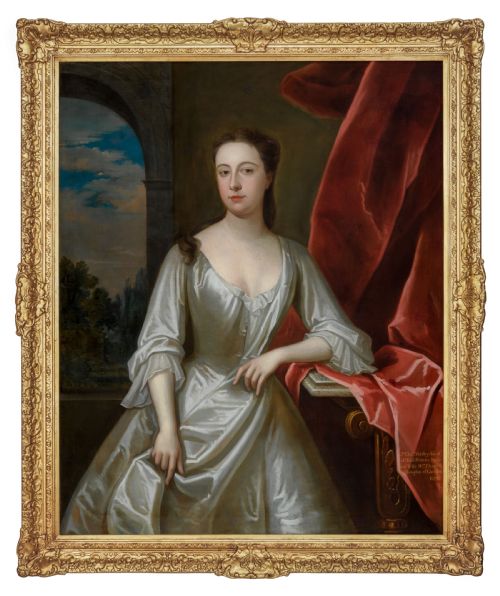
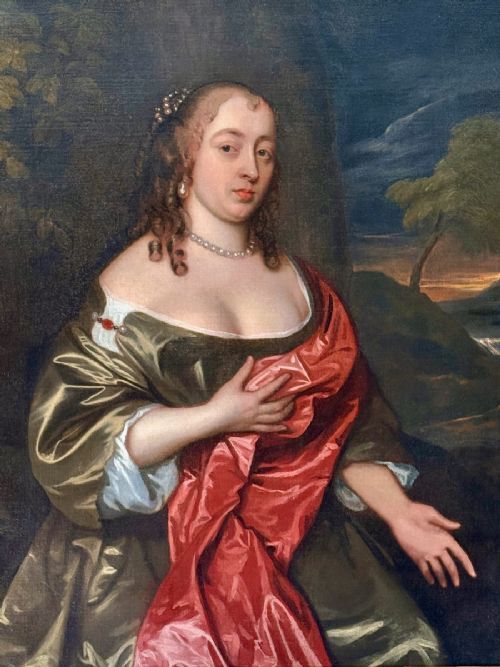
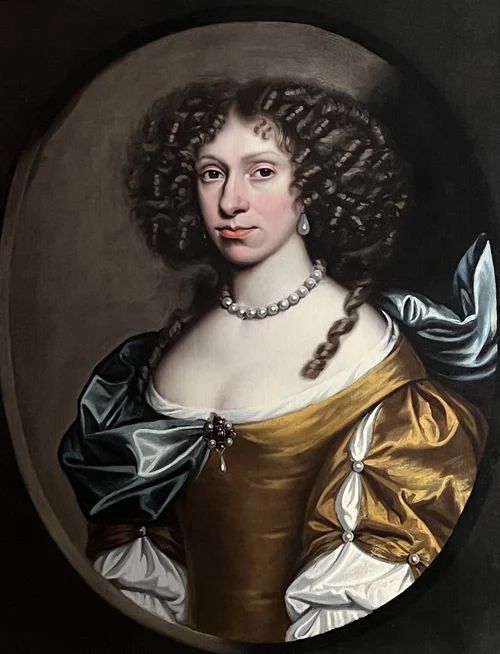
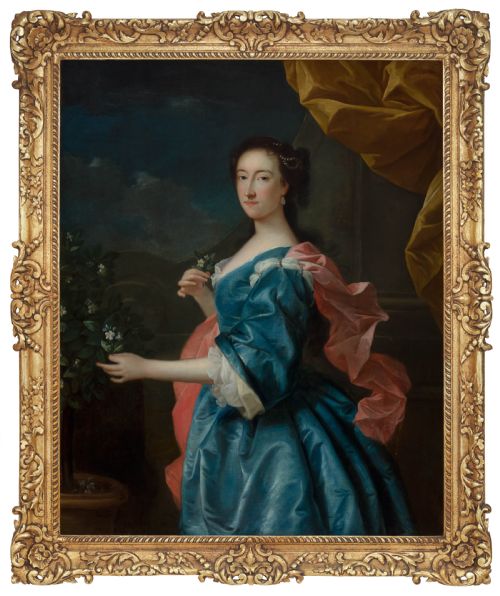
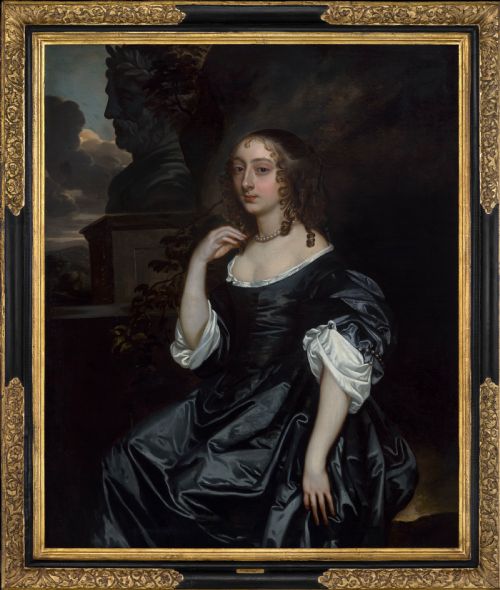
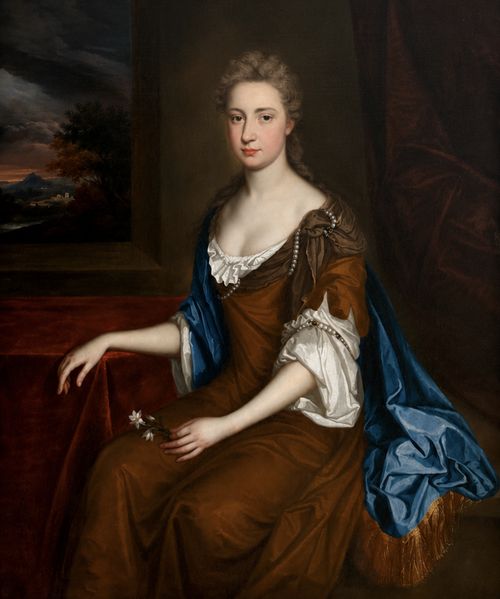
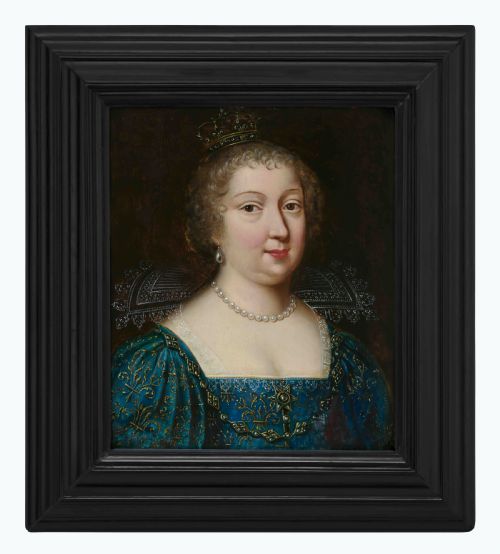
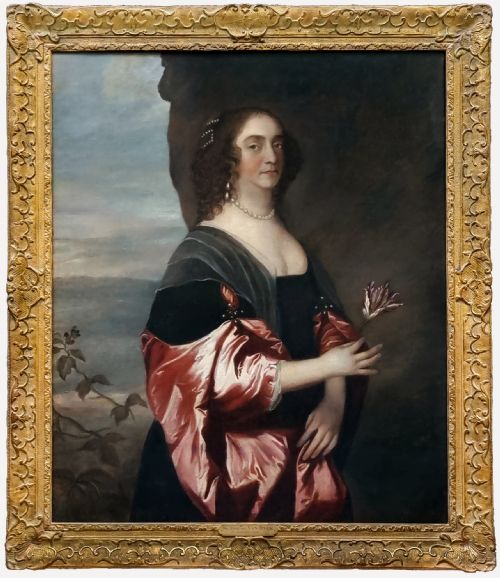
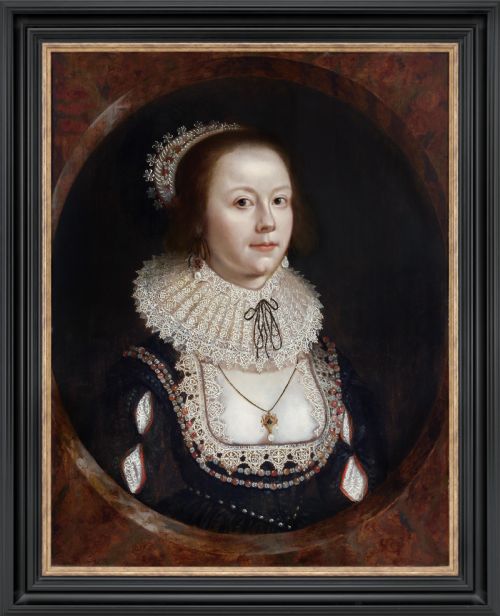
Artists relied primarily on oil paint applied to prepared canvas or wood panels, building up deep shadows and luminous highlights to create three-dimensional volume in drapery and flesh. Fine brushes captured the intricate details of lace collars, pearls, and satin sheen.
Surviving paintings are frequently housed in period frames constructed from wood and finished with gold leaf or gilded gesso. These giltwood surrounds complement the theatricality inherent in the canvas.
Judging quality
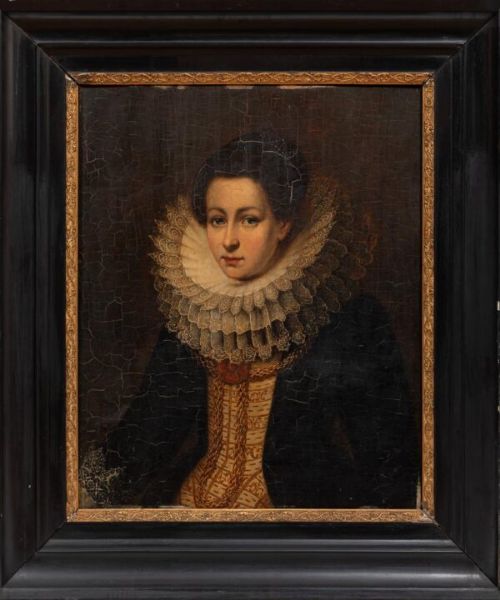
Quality rests upon the skill with which the sitter's hands, facial expression, and textiles are rendered. Works by primary masters or well-documented studio circles display superior handling of light and anatomy compared to provincial copies.
The preservation of the original paint layer and the integrity of the canvas support dictate the visual impact. Subtle glazes that define skin tones and fabric textures should remain intact beneath the varnish.
The listings span the 17th Century, 18th Century, and 19th Century, utilising oil on canvas and wood panels.
Sir Godfrey Kneller·John Hayls·David Scougall·Jeremiah Davison·Michael Dahl·Thomas Murray·Pierre Mignard·Pieter Borsseler·Sir Peter Lely·Henri and Charles Beaubrun·Cornelius Johnson·Sir Anthony Van Dyck·John Greenhill·Nicolaes Maes·Nicolas Fouché·Balthasar Denner·Pieter Nason·Bartolomé Murillo·Fra Galgario·Mary Beale·John Closterman·Maurice Quentin de La Tour
The Baroque Portrait of Lady Glossary
- Baroque
- An artistic style originating around 1600 that emphasises dramatic tension, deep chiaroscuro, and grand scale. It dominated European visual culture for more than a century.
- Chiaroscuro
- The strong contrast between light and dark within a painting. This technique creates theatrical depth and focuses attention on the subject's face and hands.
- Circle of
- A designation indicating that a painting was produced by an unidentified artist working closely alongside a named master. The style directly reflects that primary influence.
- Panel painting
- A work executed on a prepared piece of wood rather than stretched canvas. This surface was common in earlier seventeenth-century European traditions.
- Giltwood
- Carved wood decorated with gold leaf or metal leaf applied over a prepared ground. It provides a reflective, ornate boundary for the canvas.
Baroque Portrait of Lady: Frequently Asked Questions
What is a baroque portrait of lady?
It is an oil painting from the seventeenth or eighteenth century portraying a noblewoman in elaborate attire.
These works use dramatic lighting and symbolic props to convey the subject's social rank.
How were these paintings displayed?
Original owners hung them in country houses and town mansions to project family prestige and lineage.
They were typically housed in heavy, gilded wooden frames designed to catch candlelight.
How do I identify the period?
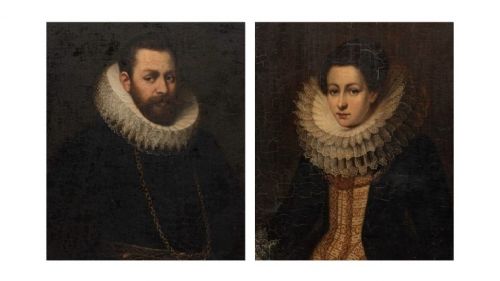
Clothing styles, particularly ruff collars, lace, and satin gowns, offer the clearest chronological markers.
Attributions and canvas types also help date the work alongside stylistic clues.
How do I care for an antique oil painting?
Keep the artwork away from direct sunlight and maintain stable room temperatures to protect the canvas.
Avoid using water or cleaning agents on the paint surface; consult a professional restorer for cleaning.