

Nineteenth Century Wall Art
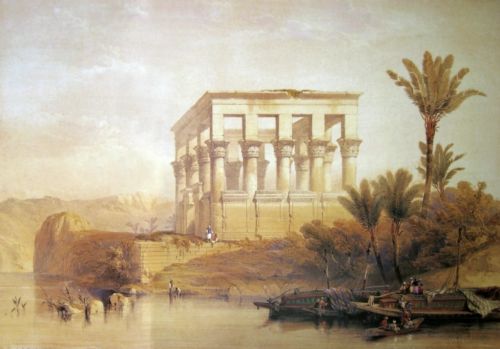
Nineteenth century wall art encompasses oil paintings, watercolours, prints and textiles designed to anchor a room.
Nineteenth Century Wall Art
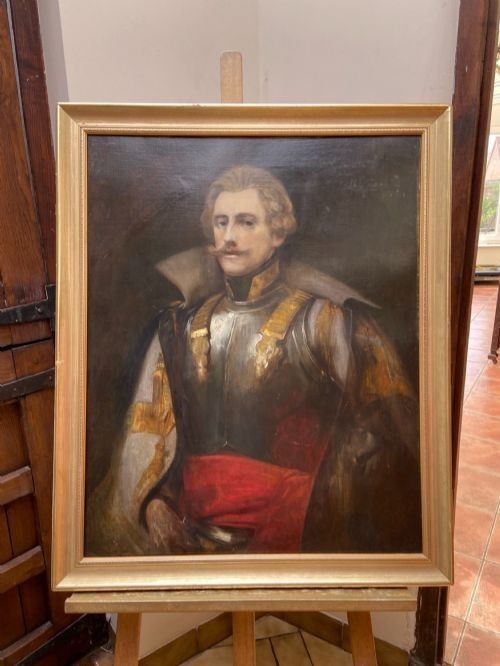
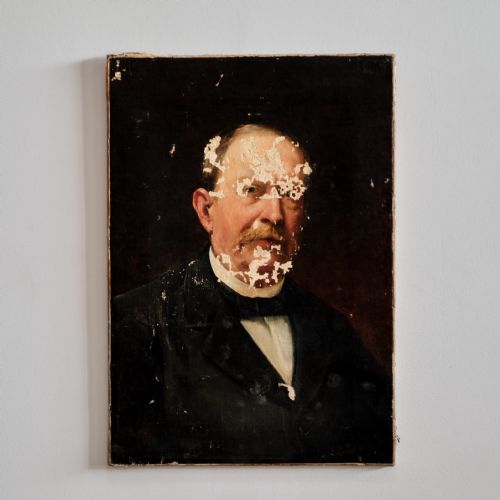
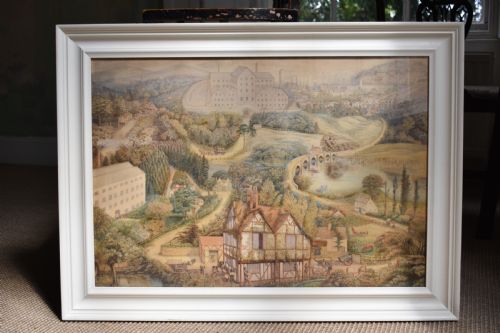
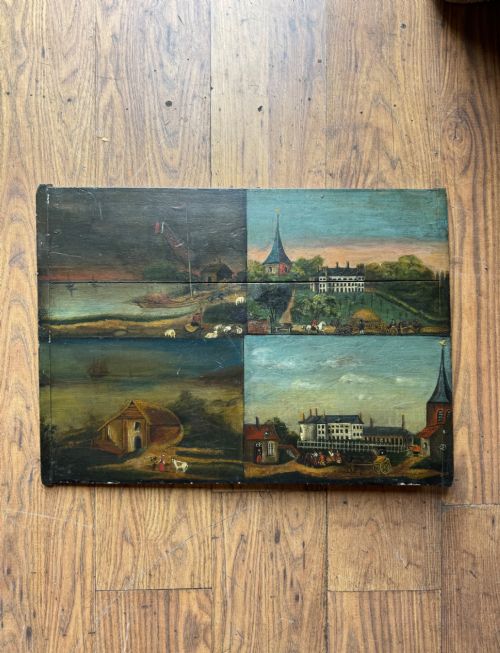
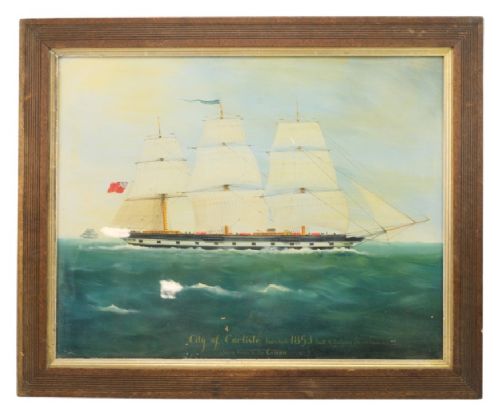
Nineteenth century wall art spans oil paintings, watercolours, lithographs, engravings and framed textiles produced during the Victorian and 19th-century periods. Buyers searching for nineteenth century wall art encounter varied subjects, from military portraits and maritime scenes to naive folk art and classical intaglios.
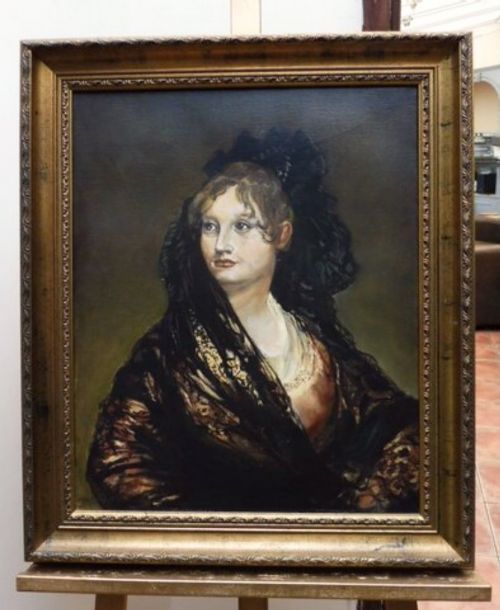
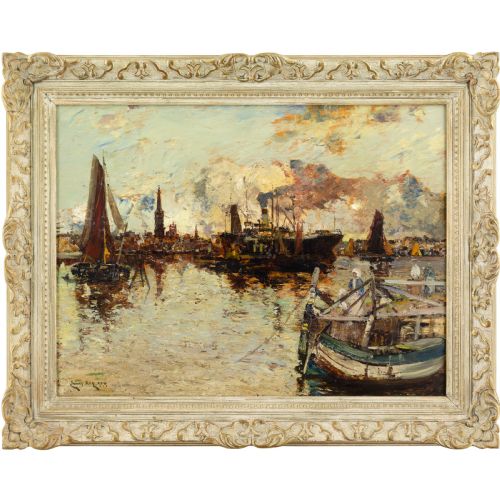
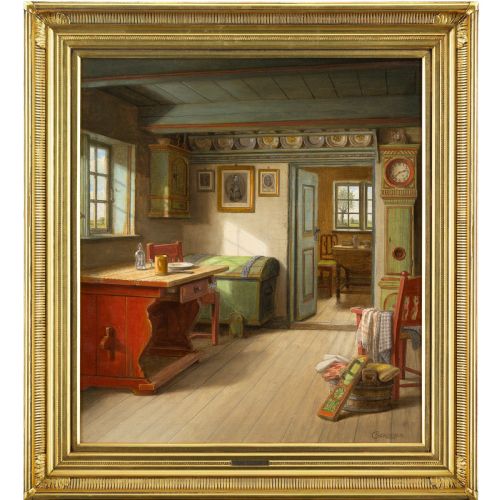
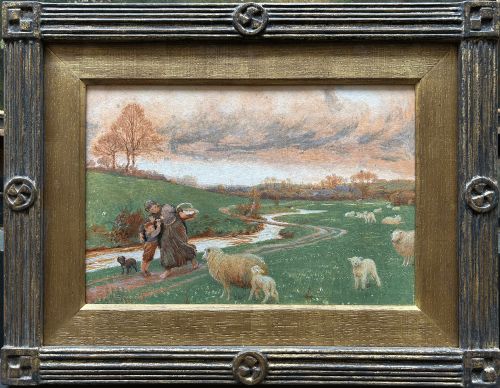
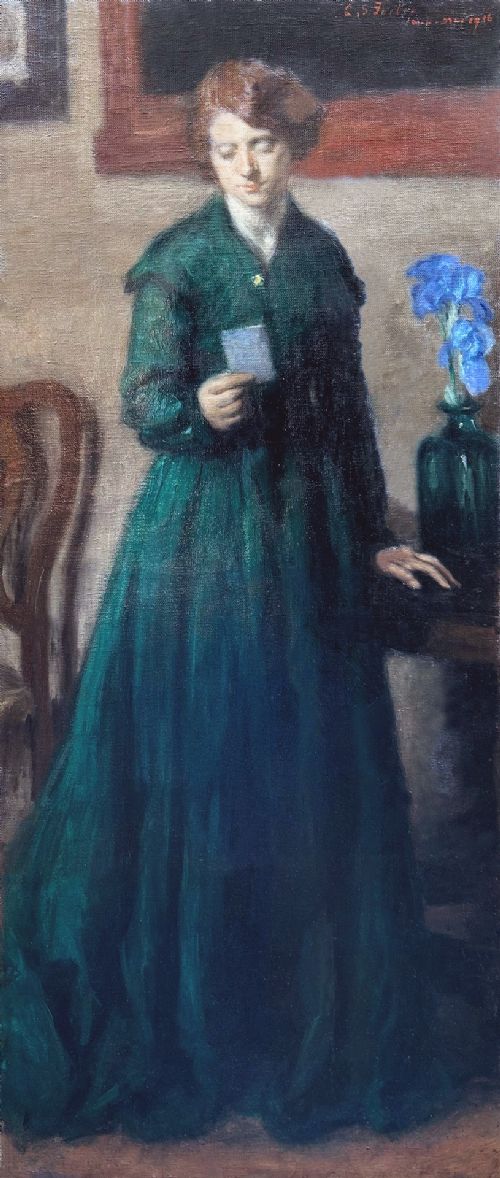
The most frequent examples on this page are oil paintings on canvas and framed paper prints, often retaining their original gilt wood frames. Works range from academic realism and Renaissance revival styles to provincial pieces reflecting domestic interiors and local landscapes.
Materials and Techniques
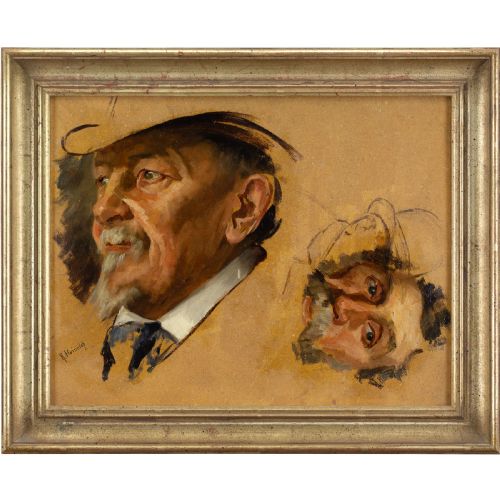
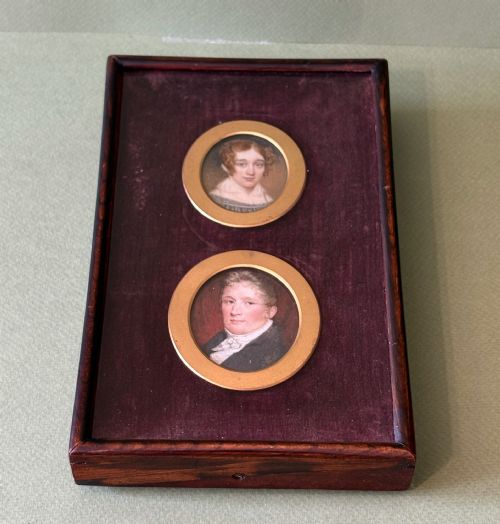
Makers utilised oil paint on canvas, watercolour on paper, and ink or gouache, frequently mounting works behind glass within timber frames finished in gesso and gold leaf. Textile art incorporates silk patchwork and Berlin woolwork stitched onto supportive backings.
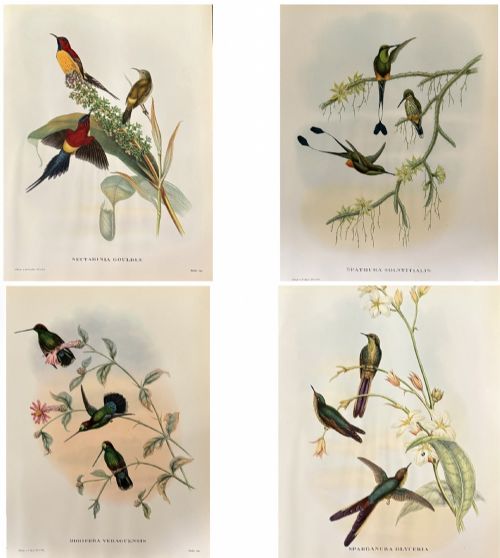
Techniques combine traditional brushwork and chiaroscuro with mechanical reproduction methods such as chromolithography and engraving for prints and bird illustrations.
Assessing Quality
Quality rests in the precision of the draughtsmanship, the handled depth of the pigment, and the harmony between the artwork and its original frame. Superior pieces display confident brushwork, expressive tonal control, and well-preserved surface textures.
Lower-tier items often show crude execution, excessive surface distension, or later framing that lacks historical sympathy with the period of the piece.
Robert Heinrich·James Kay·C. Sørensen·David Roberts·Frederick Walker·Charles Stuart Forbes·William Oliver·Abraham Cooper·Edgar Hunt·Horatio Henry Couldrey·Bernard Benedict Hemy·J De Ninville·George Bernard O'Neill
The Nineteenth Century Wall Art Glossary
- Chiaroscuro
- The strong contrast between light and dark to give a sense of volume in modelling figures and objects. This technique creates dramatic focal points within interior and tavern scenes.
- Lithograph
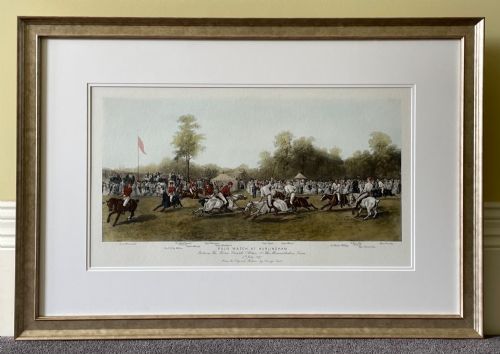
- A planographic printing process using a flat stone or metal plate to render multi-coloured or monochrome images. Chromolithography uses multiple stones for colour separation.
- Intaglio
- A design carved into the recessed surface of a gem, stone or hard material, often gathered into framed Grand Tour collections. These classical carvings imitate ancient signet rings.
- Gesso
- A plaster-like mixture applied to wood frames as a base before applying gold leaf or paint. Fine examples retain crisp moulding along the corners and relief borders.
Nineteenth Century Wall Art: Frequently Asked Questions
What counts as nineteenth century wall art?
It includes any framed picture, painting, print or textile produced primarily during the 1800s or under Victorian and Regency influences.
The category spans diverse media, from oil portraits and watercolours to lithographs and silk patchwork.
How should I hang heavy framed paintings?
Heavy oil paintings in gilt wood frames require secure wall fixings anchored directly into studs or masonry rather than plaster alone.
Ensuring correct wire strength and balanced hanging hooks protects both the frame structure and the canvas.
Are these pieces in original frames?
Many items retain their period frames, such as gilt wood or gesso surrounds, which complement the age and origin of the artwork.
Some listings explicitly note antique frames, while others pair works with later or associated surrounds.
How do I distinguish watercolours from oil paintings?
Watercolours utilise transparent washes on paper and require protection under glass to prevent moisture damage and fading.
Oil paintings use thick or layered pigments on canvas or wood panels, presenting textured surfaces that usually remain unglazed.