
Antique English Engraving
When you seek an antique English engraving, you enter a world of fine printmaking and metalwork spanning multiple centuries.
Antique English Engraving
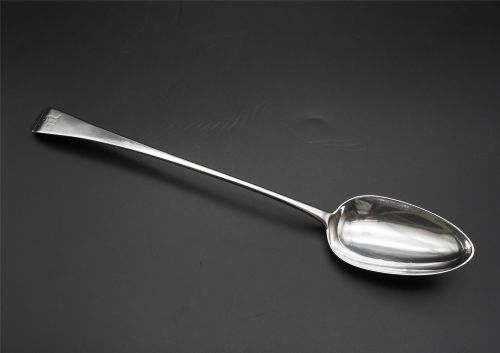
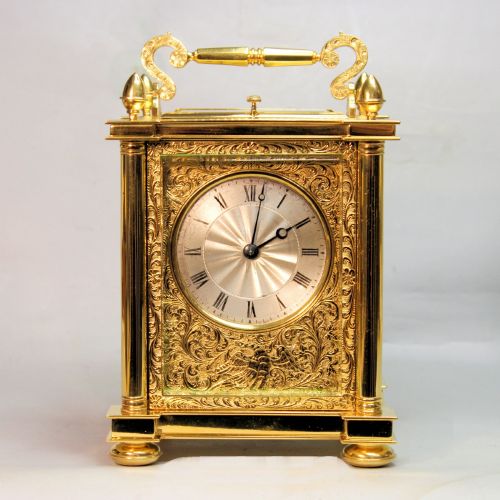
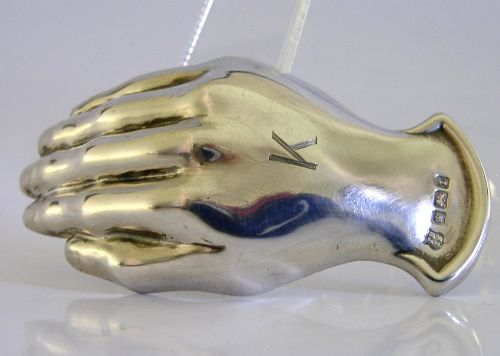
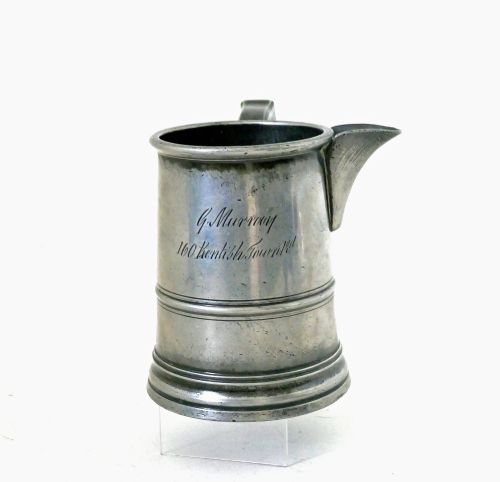
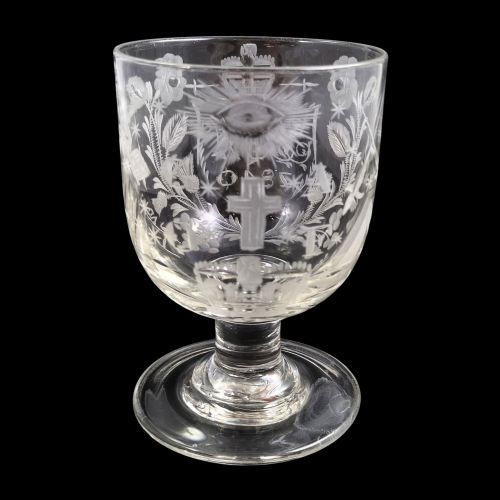
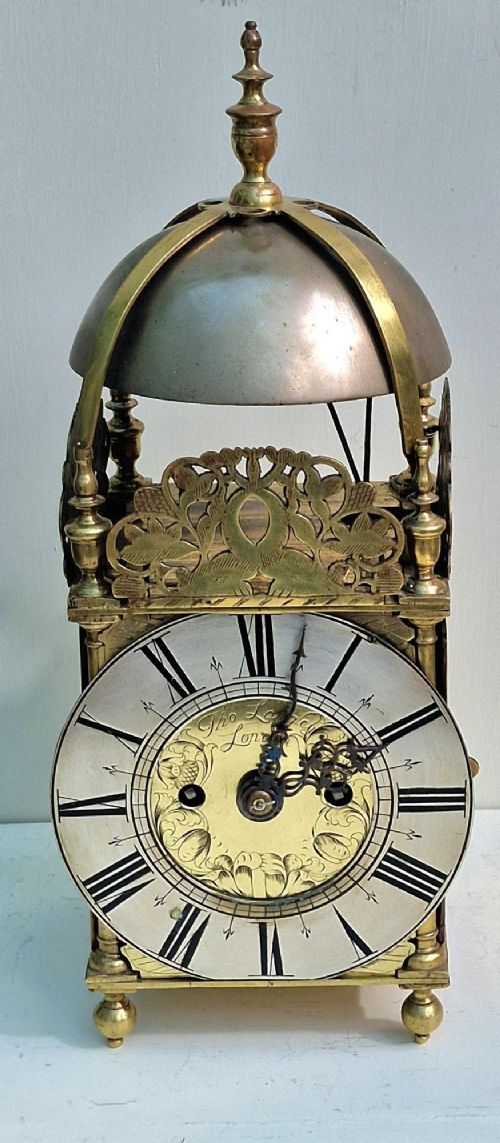
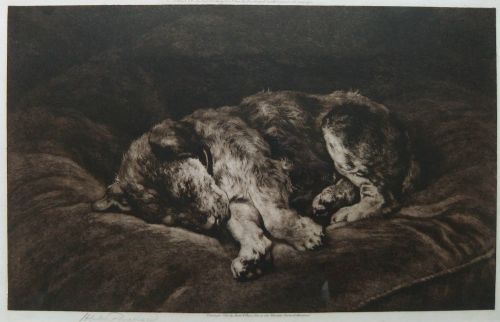
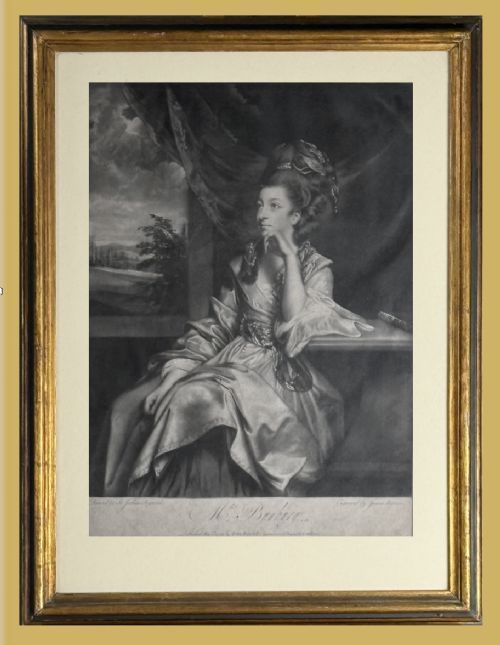
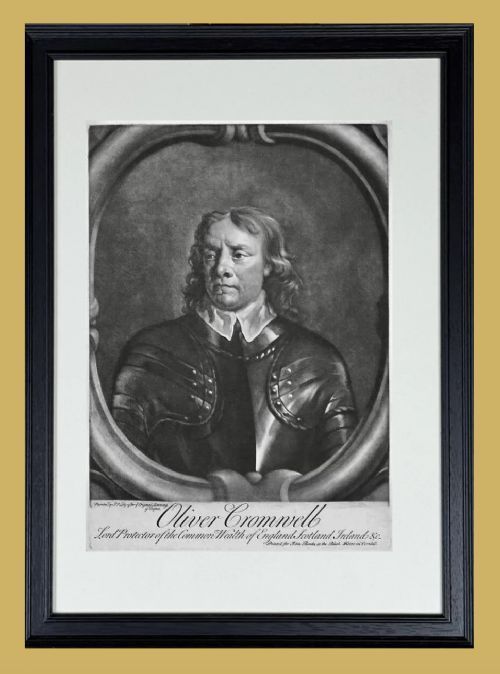
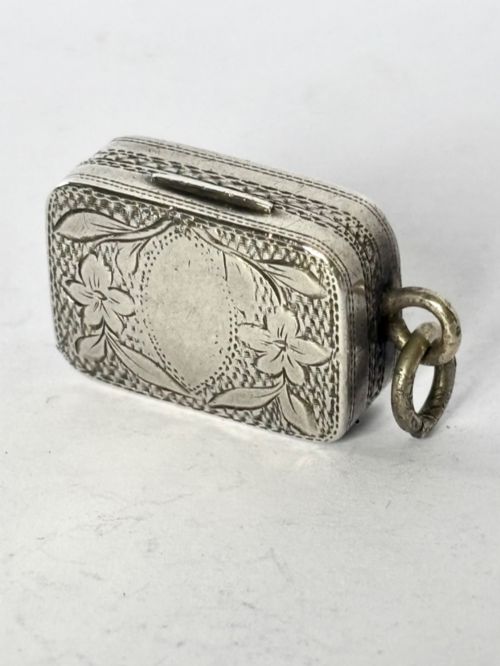
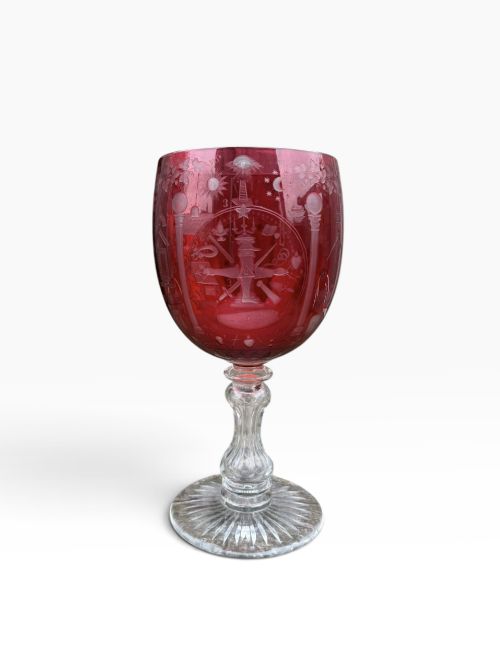
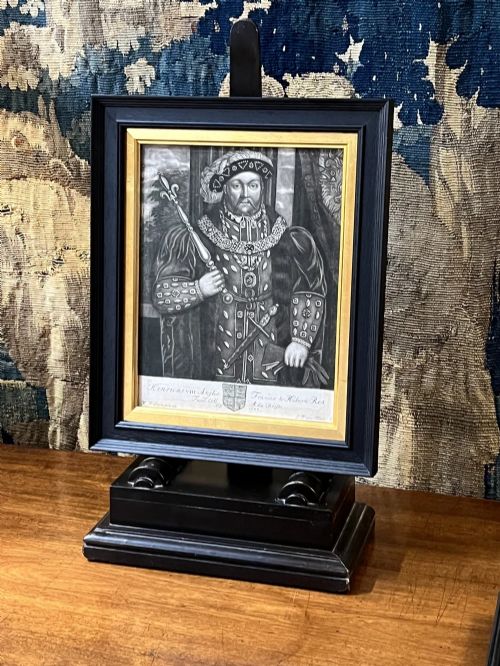
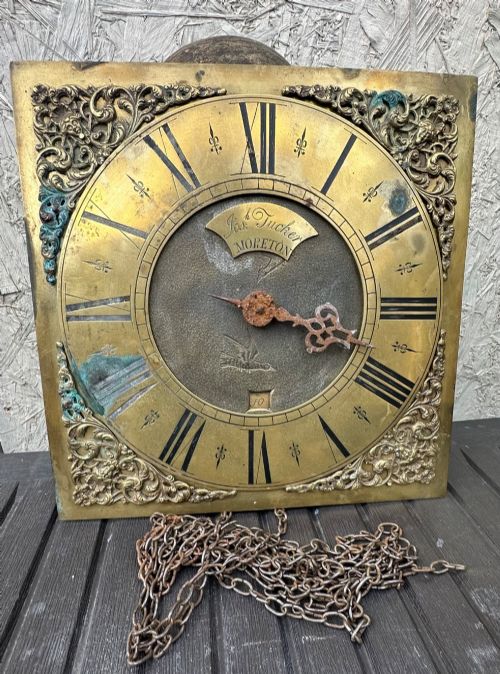
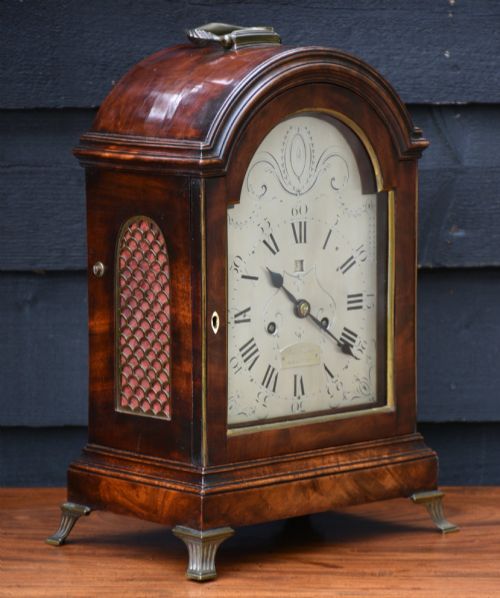
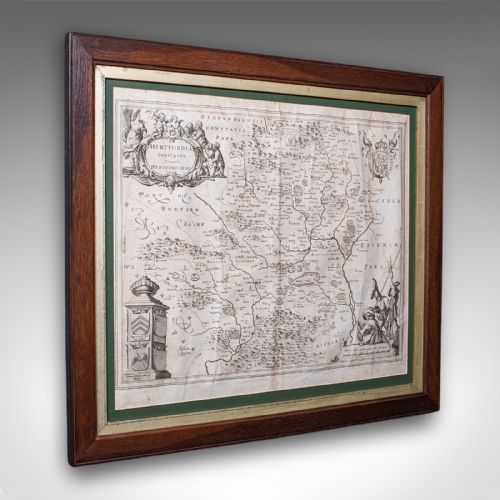
An antique English engraving encompasses printed works on paper alongside deeply worked surfaces across silver, brass, and glass. The selection ranges from framed portrait prints and maps to small decorative items bearing precise line work.
Pieces span from the seventeenth century through the Georgian and Victorian eras, reflecting the changing tastes of British makers. Framed prints and engraved metal objects form the primary encounters within this category.
Materials and methods of construction
Paper and ink meet metal plate in the traditional printed works, while solid sterling silver, brass, and lead glass receive direct hand incisions. Artisans utilised burins and sharp cutting tools to score designs into copper plates or hard surfaces.
The combination of quality paper stocks with dark printing inks defines the printed items, whereas the metal objects rely on the tactile depth of chased and engraved lines.
Listings incorporate paper, sterling silver, lead glass, and brass, spanning the seventeenth to the early twentieth century.
Evaluating the standard of execution
The crispness of the line work and the clarity of the impression separate standard examples from superior pieces. Strong contrast in printed works and clean, confident incisions on metal surfaces indicate higher craftsmanship.
The balance of the composition and the preservation of the surface texture determine the overall merit of each piece.
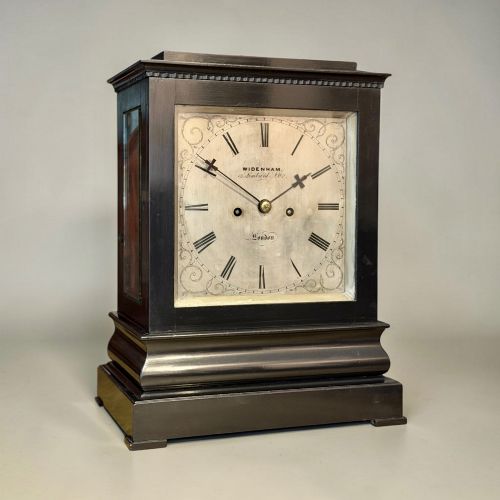
Widenham of London·Cousens & Whiteside·Thomas Langley·Samuel Pemberton·Paul Storr·Mappin and Webb·Walker & Hall·Sampson Mordan & Co
The Antique English Engraving Glossary
- Engraving
- A printmaking technique where an artist cuts lines directly into a metal plate with a burin. This process produces sharp, precise details on paper.
- Mezzotint
- A printmaking method of the tonal category that allows half-tints to be produced. The copper plate is roughened uniformly to create dark areas before smoothing highlights.
- Aquatint
- A variant of etched printmaking that produces areas resembling watercolours. It uses acid to create tonal effects on the metal plate.
- Sterling silver
- An alloy containing a high proportion of silver by mass, frequently used for small boxes and tableware bearing surface decoration. This material provides a durable canvas for fine incisions.
- Lead glass
- A heavy glass variety containing lead oxide, known for its clarity and suitability for wheel engraving. Drinking vessels and rummers often utilise this composition.
Antique English Engraving: Frequently Asked Questions
How do I identify an original engraving?
Original pieces display plate marks surrounding the printed image and genuine ink impression textures under magnification. Modern reproductions lack these physical indentations and ink elevation.
Paper quality and ageing characteristics further assist in confirming the period of the work.
What periods do these pieces cover?
The available items span from the seventeenth century through the Georgian and Victorian periods up to the early twentieth century. Each era brings distinct stylistic preferences to the printed and metal objects.
Earlier pieces often feature portraits and maps, while later items include diverse framed prints and metalware.
How should I care for antique paper engravings?
Keep framed prints away from direct sunlight to prevent fading of the paper and ink over time. Maintain stable humidity levels in the display room.
Avoid hanging pieces in damp environments to protect both the paper and the original frame.
What is the difference between an engraving and a mezzotint?
An engraving relies on direct lines cut into a plate with a sharp tool for precise outlines and shading. A mezzotint builds up rich tonal gradations by roughening the entire plate surface and scraping away highlights.
Both techniques create distinct visual textures within the printed medium.