

Victorian Figurative Portrait
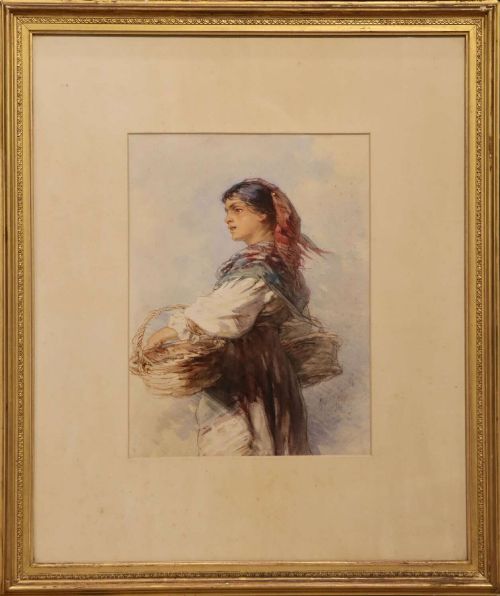
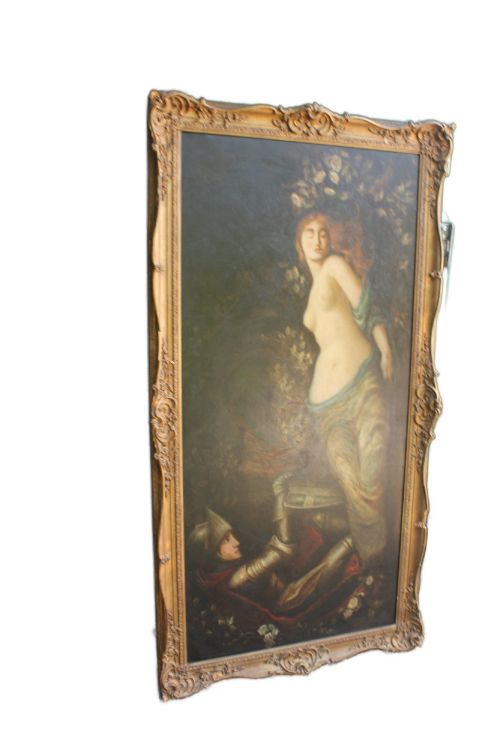
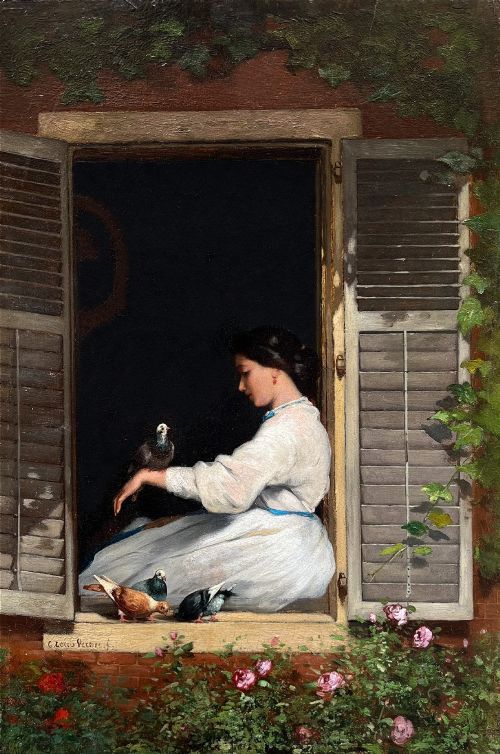
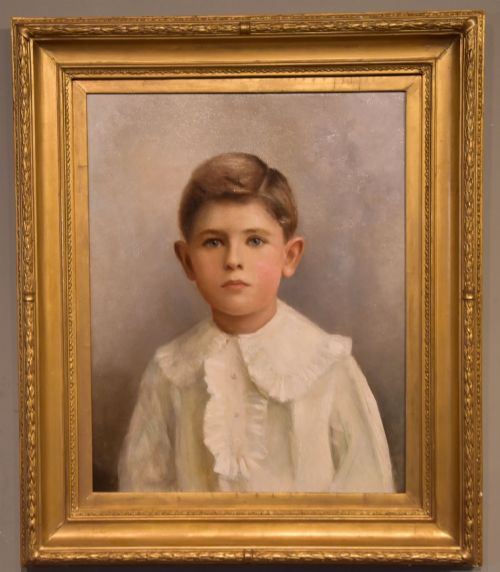
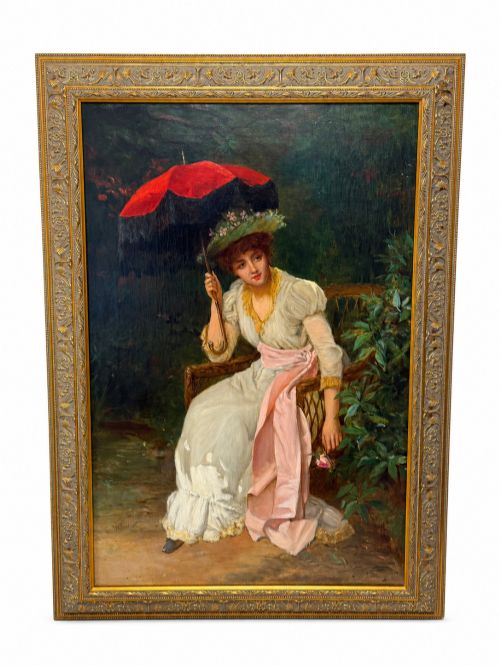
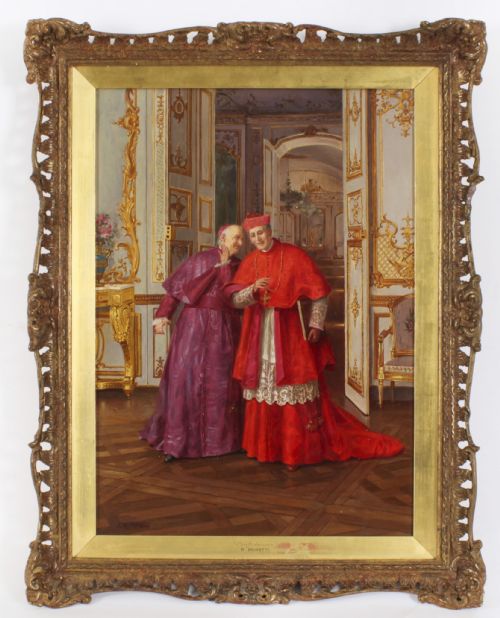
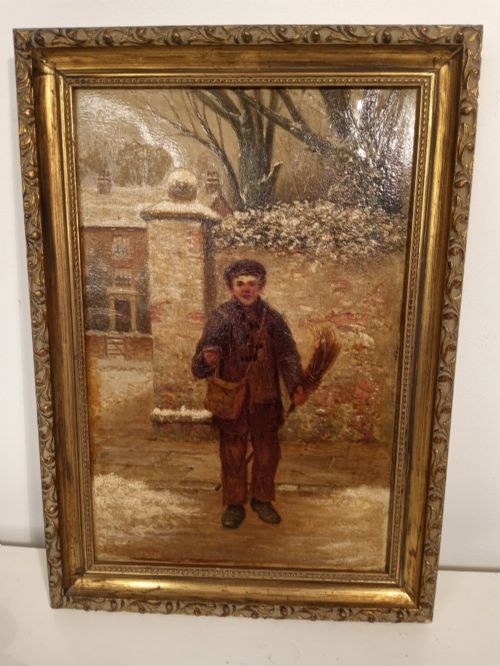
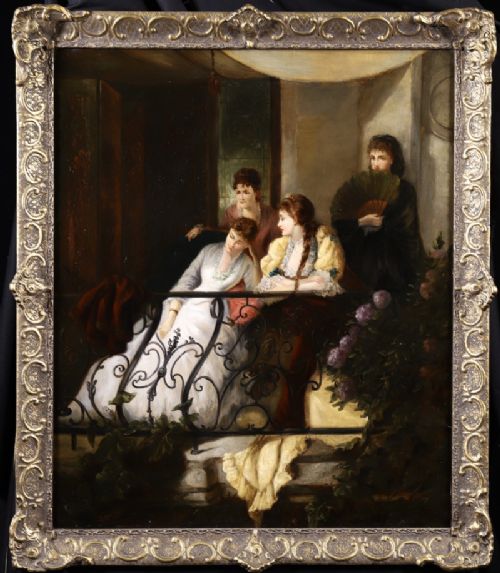
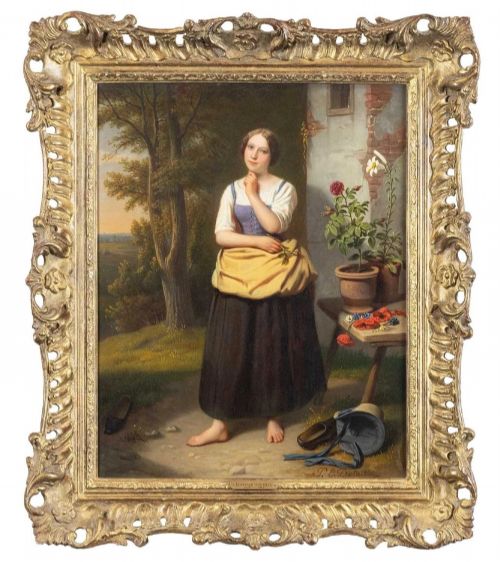
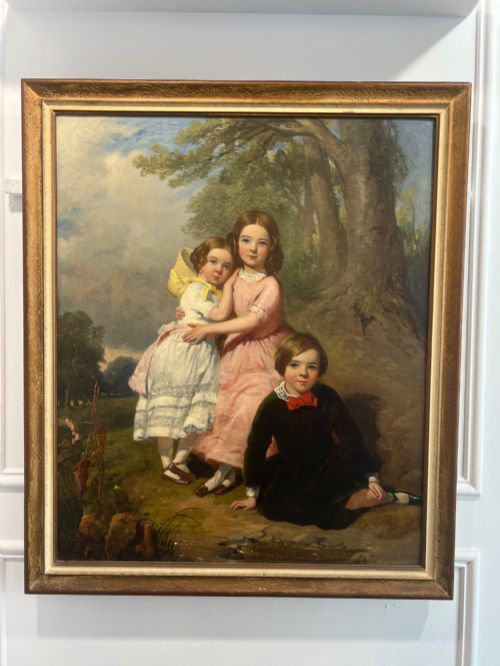
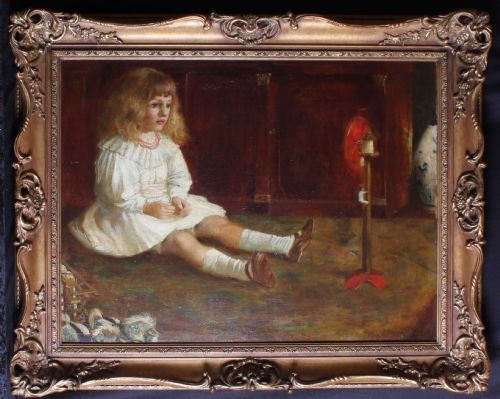
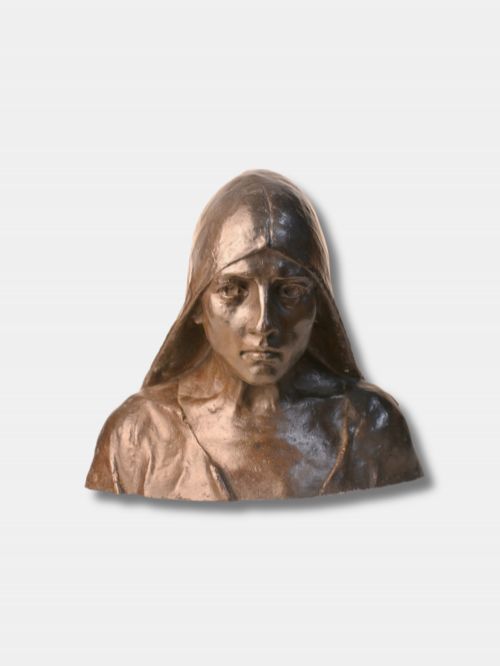
These Victorian figurative portrait pieces capture human character through detailed nineteenth century oil paintings, watercolours, and sculpted busts.
Victorian Figurative Portrait
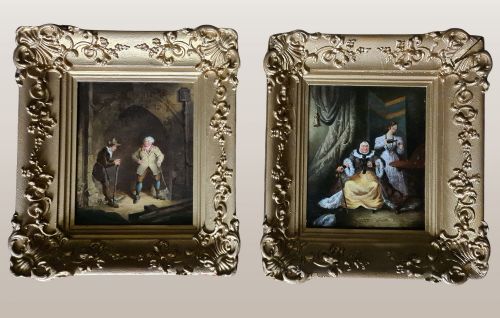
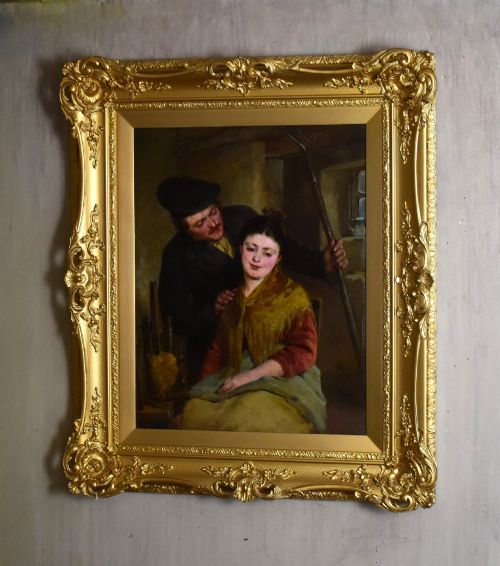
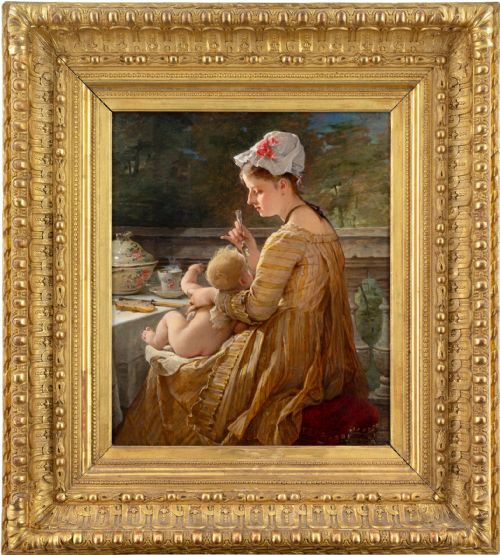
A victorian figurative portrait collection brings together nineteenth century paintings, watercolours, and sculptural busts depicting individuals and genre scenes. Buyers searching this phrase encounter works ranging from formal studies of children and ladies to narrative scenes of peasants, shepherds, and domestic interiors.
The most common pieces on this page are oil paintings on canvas or wood panels, alongside framed watercolours and dimensional busts made of marble, alabaster, or bronze. These artworks span various academic, realist, and pre-raphaelite movements of the nineteenth century.
Materials and construction
Painters utilised oil paint applied to canvas, wood panels, or zinc panels, often framed in period giltwood or ebonised wood. Watercolours on paper also appear alongside hand-carved marble and alabaster busts.
Makers shaped sculptures through carving stone or casting bronze, while framed works relied on traditional gesso mouldings to secure the canvas or paper.
Listings feature oil paintings on canvas, wood, and zinc panels, alongside watercolours on paper and carved marble, alabaster, and bronze busts.
Quality and execution
The standard of execution rests on the artist's ability to render facial expression, anatomy, and drapery convincingly. Finer works display delicate brushwork in oil or precise detail in watercolour and carved stone.
The integrity of the original support, whether canvas, wood panel, or metal, alongside the preservation of the surrounding frame, distinguishes better-preserved examples.
Guido Bach·Howard Helmick·Adelaïde Salles-Wagner·Louis Charles Verwee·Henry Windsor Fry·William Oliver·Renato Moretti·Emile Jespers·Philip Richard Morris·William Arthur Breakspeare·Charles Haigh Wood·Haynes King·C.S. Lidderdale·Edward Stodart·Henry E Hobson·Bown Jones·Kunisada·Alfred Holst Tourrier·C.E. Howson·Ralph Hedley RBA·Augustus Jules Bouvier·Rowland Holyoake·Leonardo Morello
The Victorian Figurative Portrait Glossary
- Genre painting
- Depiction of aspects of everyday life by depicting ordinary people engaged in common activities. These scenes often focus on domestic interiors or rural settings.
- Pre-raphaelite
- A style associated with an association of English painters aiming to reject academic forms in favour of detailed observation of nature. It emphasises vibrant colour and complex literary or romantic subjects.
- Gesso
- A plaster mix used as a base for painting or moulded to create ornate decorative details on frames. It provides a smooth surface for gilding or painting.
- Zinc panel
- A flat metal sheet utilised as a rigid support for oil paintings during the nineteenth century. It offered a smooth, stable alternative to traditional canvas.
Victorian Figurative Portrait: Frequently Asked Questions
What defines a Victorian figurative portrait?
These works focus primarily on human subjects, ranging from solitary character studies to multi-figure genre scenes set in interiors or landscapes. They reflect the nineteenth-century interest in realism, narrative, and psychological depth.
The pieces span oil paintings, watercolours, and sculpted busts, capturing distinct social classes and emotional expressions through detailed academic or pre-raphaelite techniques.
How were these paintings and busts displayed?
Paintings were typically framed in heavy giltwood or ebonised surrounds designed to complement domestic interiors of the period. Sculptural busts sat on mantelpieces or specialised pedestals within the home.
Surviving works often retain their original framing or mounting materials, which help anchor the pieces to their nineteenth-century origins.
How do I care for an oil painting on canvas?
Keep paintings away from direct sunlight and areas subject to sudden temperature fluctuations or high humidity. Dust the surface gently with a soft, dry brush without applying pressure.
Avoid using liquid cleaners or abrasive cloths on either the painted canvas or the gesso frame to prevent permanent damage.
What is the difference between oil and watercolour works?
Oil paintings utilise pigment suspended in drying oil applied to canvas, wood, or metal panels, allowing for rich colour blending and thick impasto. Watercolours use water-soluble pigments on paper, producing a more translucent and luminous effect.
Watercolours require protective glass framing to prevent moisture and light degradation, whereas oil on canvas allows the breathable fabric or panel to age naturally.