


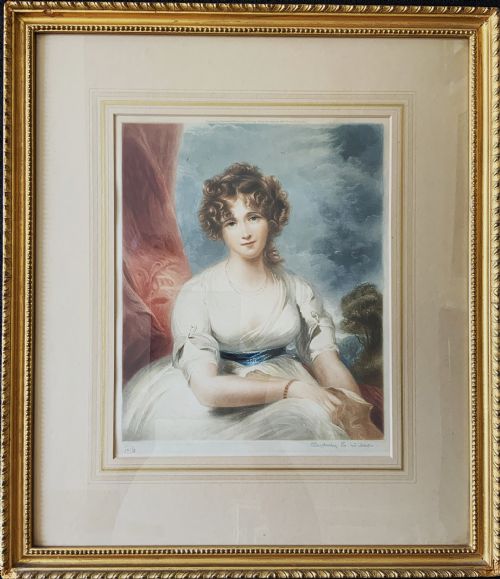

Framed Colour Engraving
A framed colour engraving brings centuries of hand-tinted artistry and cartography onto the wall inside protective wood and glass.
Framed Colour Engraving
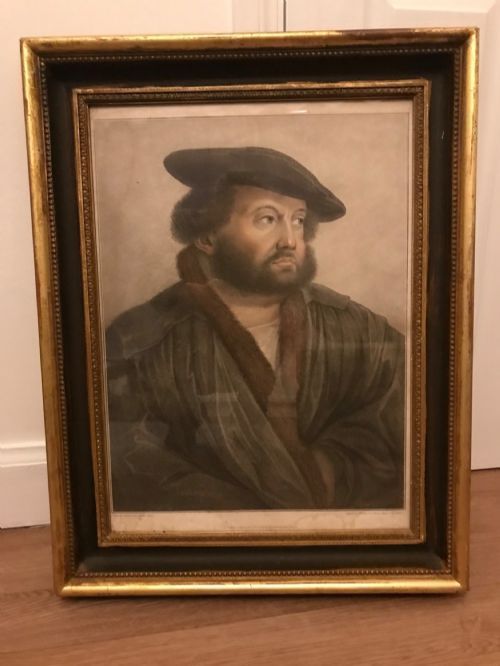
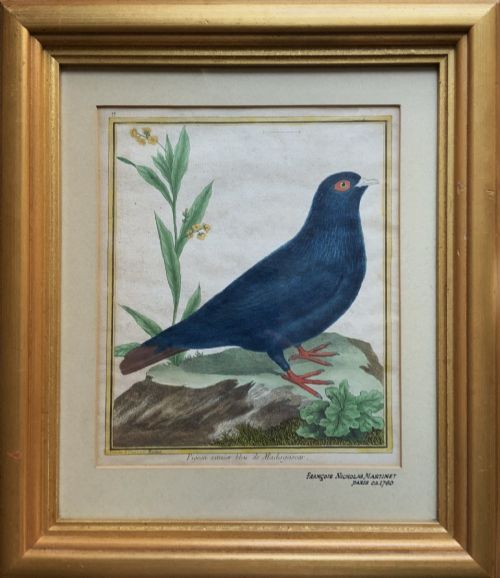
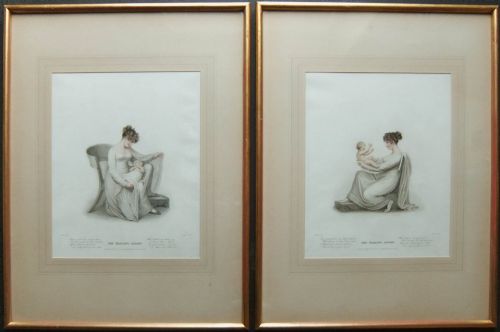
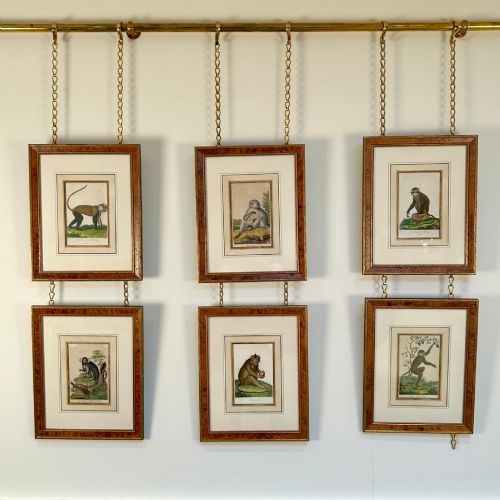
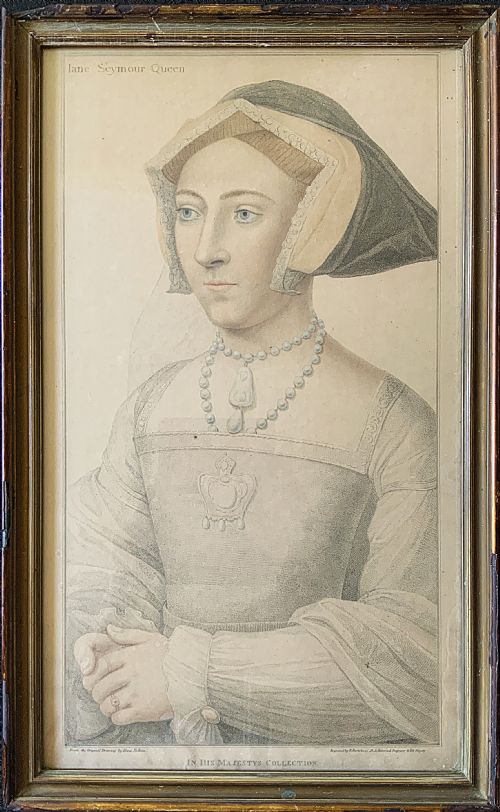
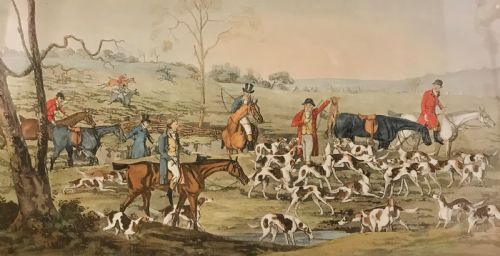
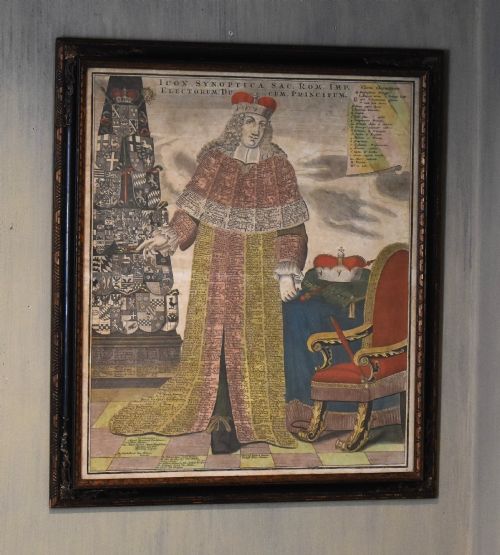
A framed colour engraving encompasses printed plates from the seventeenth, eighteenth, and nineteenth centuries that received hand-colouring in watercolour or ink. These works span natural history studies of birds, fish, shells, and reptiles alongside detailed county maps and classical portraits.
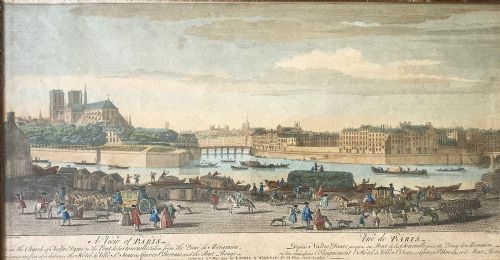
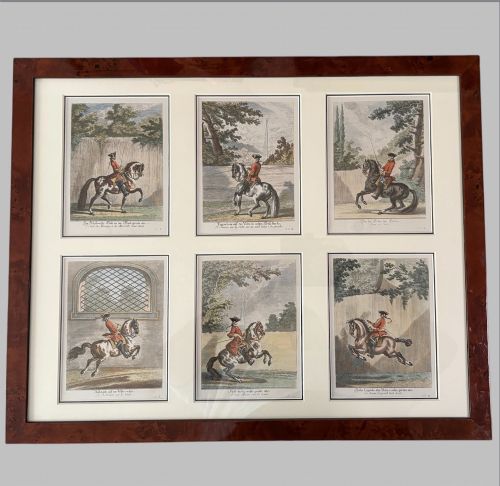
Buyers regularly encounter Georgian and Victorian examples housed within period wood frames, often protected behind glass with original mounts. The subjects range from topographical views of cities and rivers to anatomical studies and satirical prints.
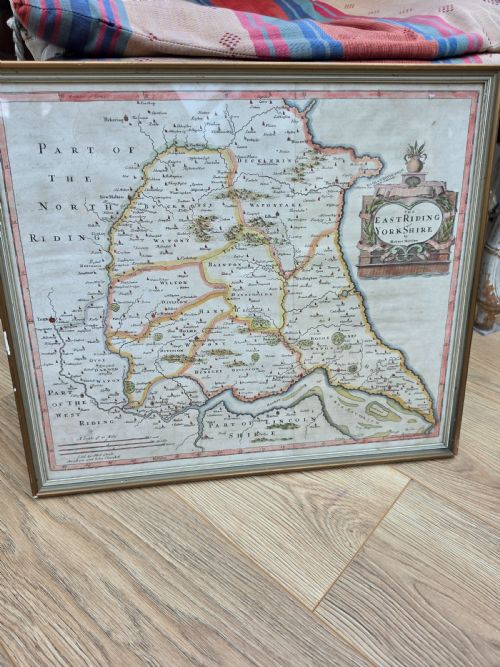
The selection includes decorative cartography by notable cartographers alongside natural history plates issued in series. These pieces reflect the prevailing scientific and aesthetic interests of their respective periods.
Materials and technique
Makers utilised laid or wove paper to receive the inked impression from engraved copper plates or woodblocks. Artisans then applied watercolour highlights by hand using fine brushes to enhance specific details.
The resulting prints were secured within timber frames, frequently finished with gold leaf, giltwood, or traditional dark moulding. Glazing protected the delicate paper surface and fugitive pigments from atmospheric moisture and dust.
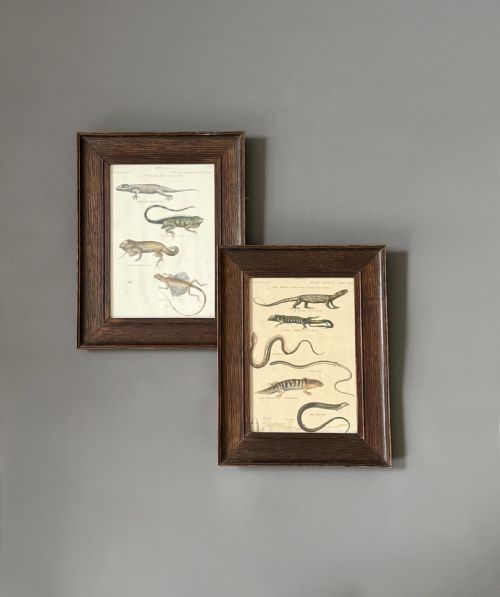
A nineteenth-century reptile engraving offers a surprisingly stern expression from a cold-blooded subject.
Gradations of quality
The precision of the initial plate engraving and the subtlety of the subsequent hand-colouring determine the visual strength of an individual sheet. Strong impressions retain crisp lines without blurring or ink pooling along the plate marks.
Framing integrity also influences the piece, with period frames using original joinery and gilding holding greater authenticity than modern replacements. The preservation of the paper tone and the vibrancy of the original pigments distinguish superior examples.
Francesco Bartolozzi·John Speed·Joan Blaeu·Robert Morden·William Tombleson
The Framed Colour Engraving Glossary
- Engraving
- A printmaking technique where an artist cuts lines directly into a metal plate using a sharp steel tool called a burin. This method produces crisp, precise lines that hold deep ink impressions.
- Mezzotint
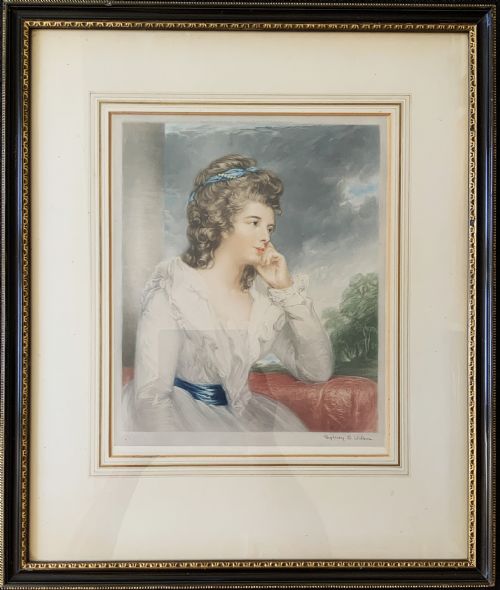
- A tonal printmaking process where the copper plate is roughened evenly to produce rich dark areas and subtle gradients of light. It allows for smooth tonal transitions particularly favoured in portraiture.
- Stipple engraving
- A technique using dots of varying density to create tonal effects rather than continuous lines. It gained popularity for rendering soft flesh tones and painterly textures.
- Cartography
- The science and art of mapmaking, which produced decorative county and regional maps featuring ornamental cartouches and hand-tinted borders.
- Plate mark
- The indentation left on the paper by the edge of the printing plate under high pressure. Its presence confirms an original impression pulled from an engraved metal matrix.
Framed Colour Engraving: Frequently Asked Questions
How do I care for framed prints?
Keep framed pieces away from direct sunlight to prevent the hand-applied watercolour pigments from fading over time. Maintain stable indoor humidity levels to protect both the paper and the wooden frame.
Dust the timber moulding gently with a dry cloth and avoid spraying any liquid cleaner directly onto the glass surface, as moisture can seep beneath the rebate.
Are these plates original period impressions?
The listings comprise original prints pulled during the seventeenth, eighteenth, and nineteenth centuries rather than modern photographic reproductions. Each sheet reflects the printing technology and paper stock typical of its specific era.
Detailed examination often reveals plate marks, watermarks, and period hand-colouring that distinguish these historical works from later copies.
What framing styles are typical?
Many examples retain traditional wooden frames, including dark Hogarth moulding or gilded surrounds appropriate to the Georgian and Victorian eras. These frames often complement the age of the print within.
Some pieces feature period mounts and glass that contribute to the overall historical integrity of the object.
How are maps and natural history distinguished?
Cartographic works focus on regional topography, county boundaries, and decorative cartouches produced by historical mapmakers. Natural history plates illustrate biological subjects such as birds, fish, and shells intended for scientific publication.
Both categories utilise hand-colouring but serve entirely different documentary purposes within antique print collecting.