
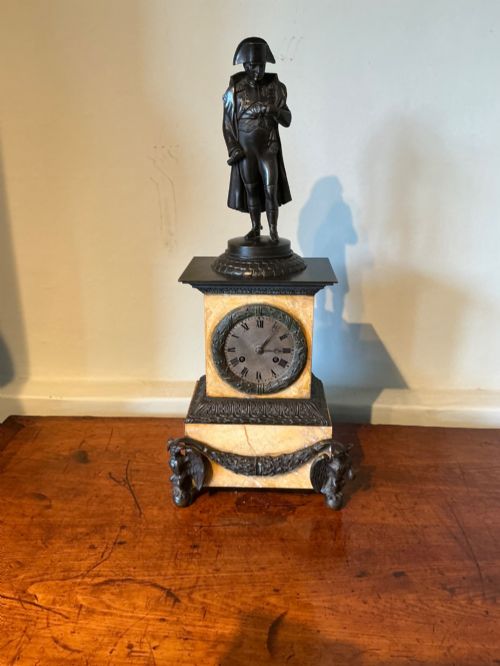
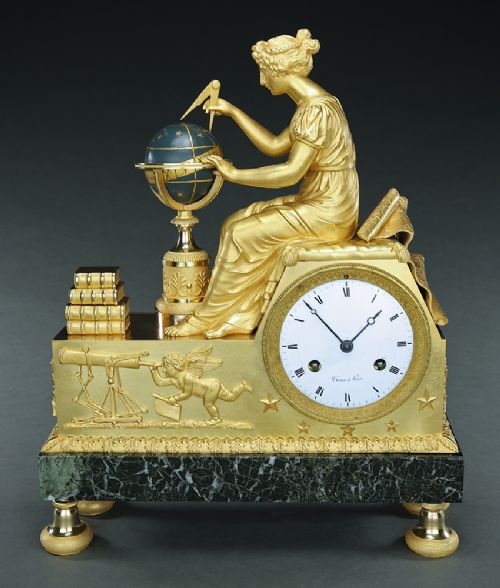
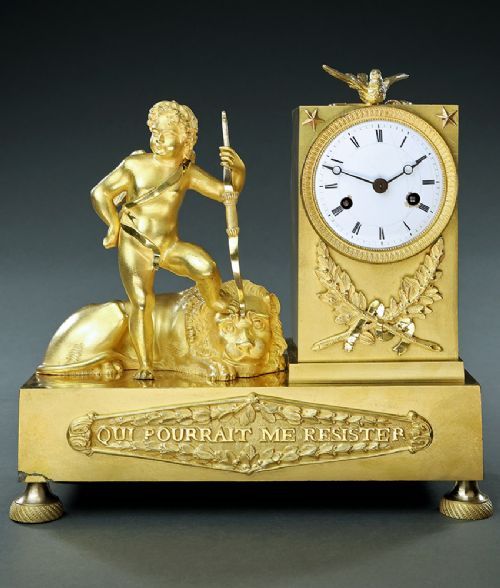
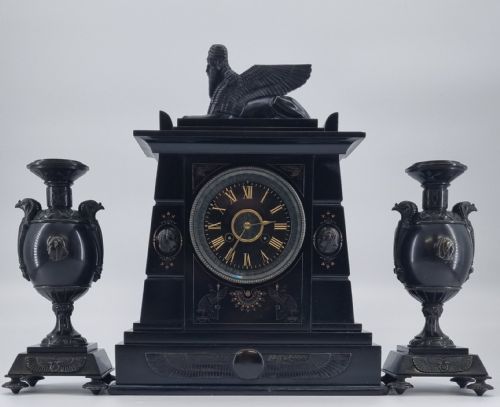

Nineteenth Century Table Clock
A nineteenth century table clock sits upon a mantelpiece or desk, bringing precision mechanics and polished timber or metal into a room.
Nineteenth Century Table Clock
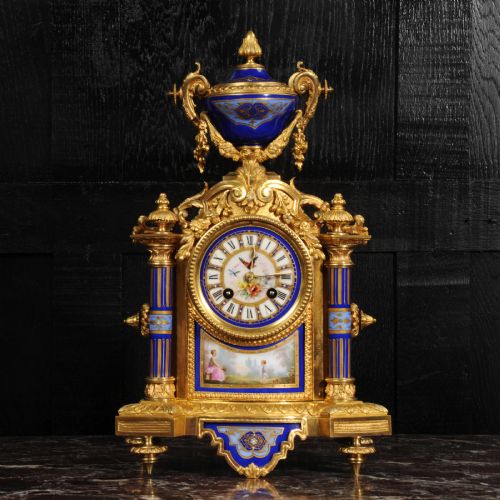
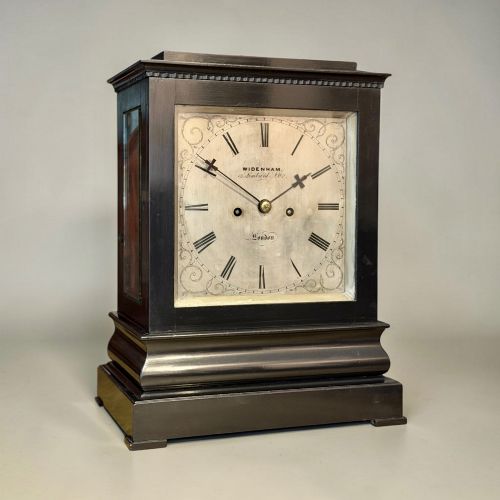
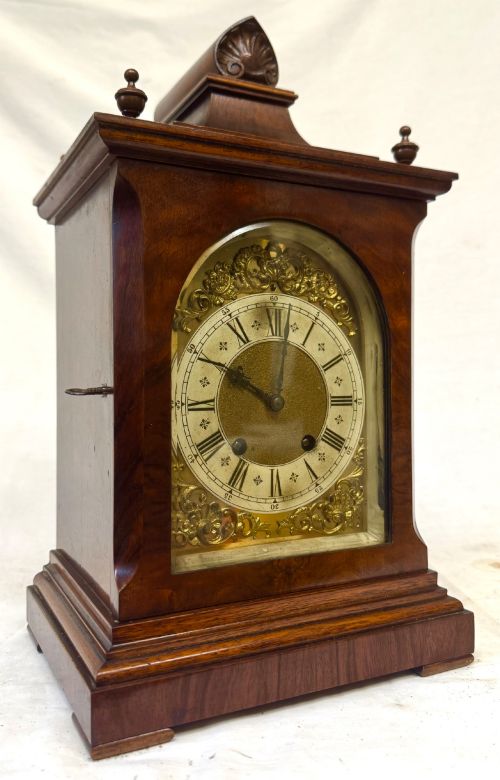
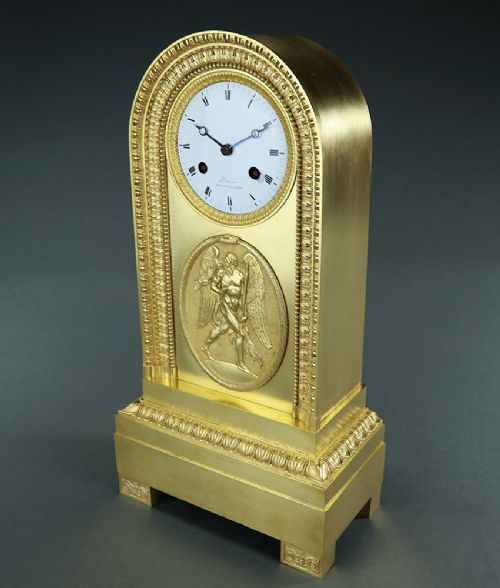
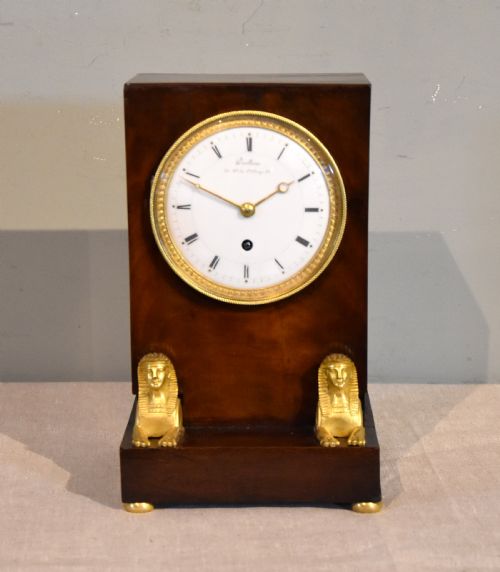
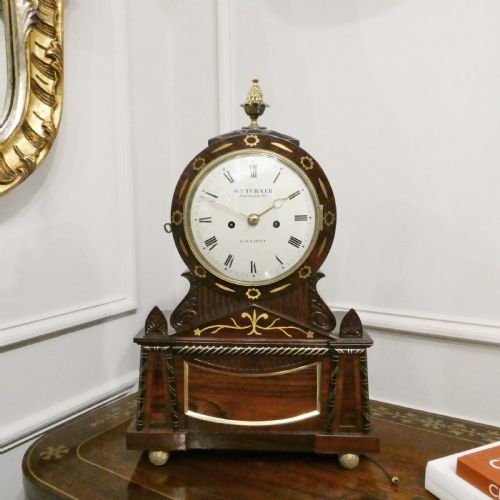
A nineteenth century table clock encompasses mantel clocks, bracket clocks, desk clocks, and library clocks created during the 19th Century, Victorian, Regency, and Georgian periods. These timepieces served practical and decorative functions in parlours and studies, driven by pendulum or fusee movements.
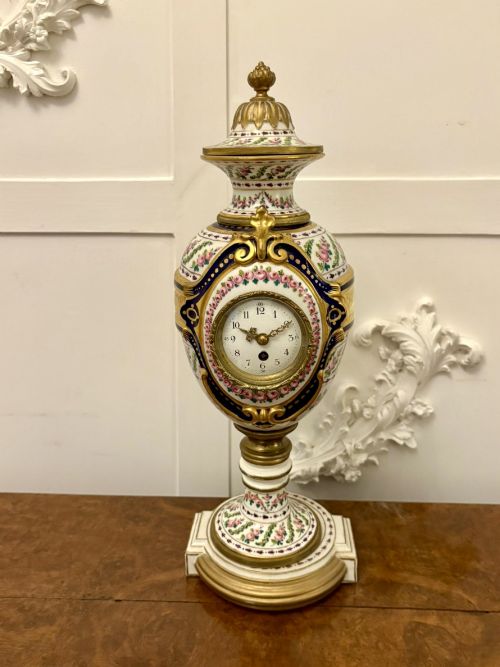
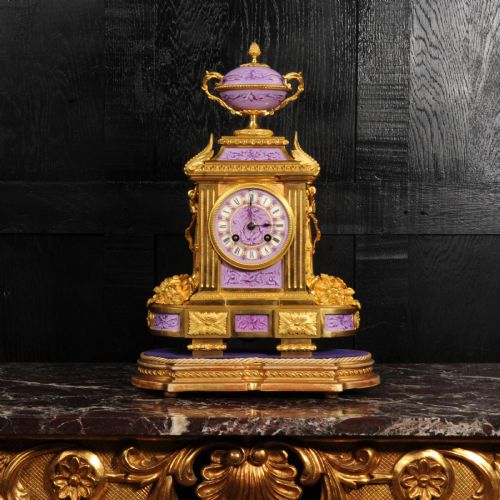
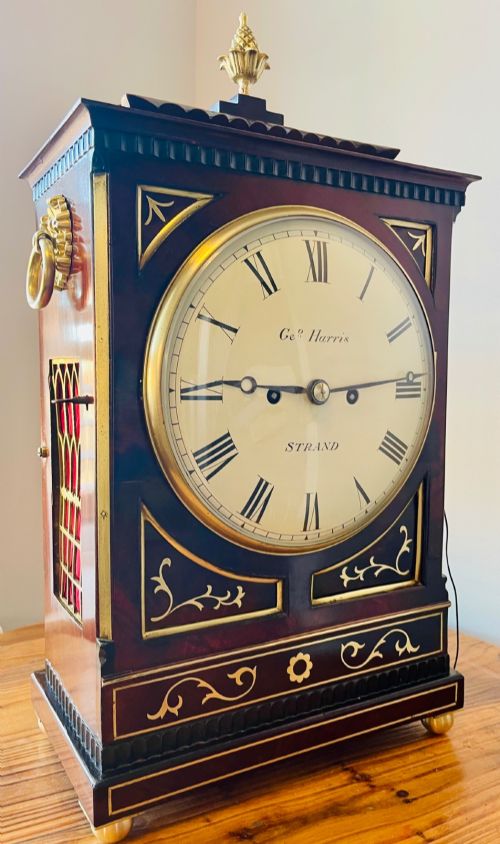
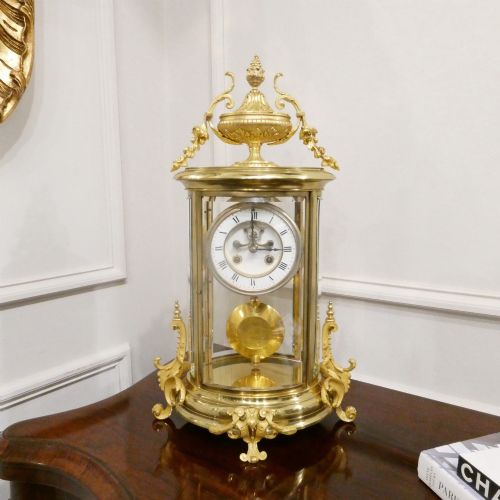
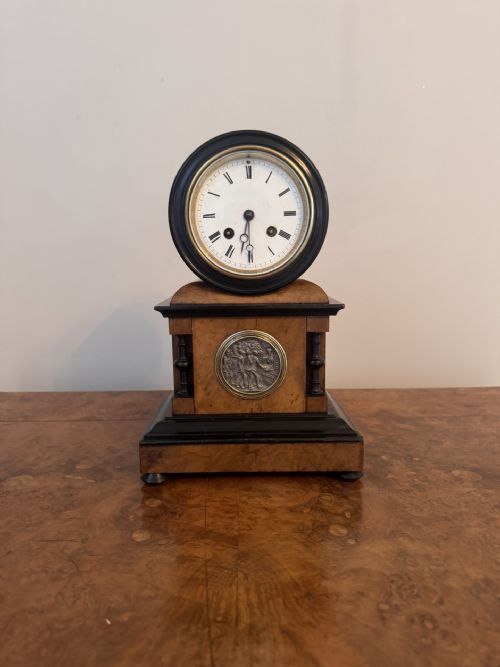
The pieces on this page are most frequently French or English examples, taking the form of architectural portico clocks, four glass mantel clocks, and wooden bracket clocks. Materials range from mahogany and rosewood to ormolu, gilt bronze, marble, and porcelain.
Regional variations define these objects, with English makers focusing on fusee movements housed in timber cases while French makers often combined gilt bronze with Sèvres porcelain plaques or marble. Many retain their original striking or chiming mechanisms.

Materials and Construction
Cabinetmakers and clockmakers used dense timbers such as mahogany, rosewood, and walnut for English bracket and library clock cases, frequently adding brass inlay or dial fittings. Fusee movements regulated the pull of the mainspring to maintain steady timekeeping.
French workshops favoured cast brass, ormolu, and gilt bronze, often mounting hand-painted porcelain panels or enamel dials within marble or tortoiseshell structures. These pieces relied on distinct pendulum movements and frequently featured striking mechanisms.
Nineteenth Century Table Clock Retail Price Guide 2026
Typical asking prices for nineteenth century table clock among the pieces listed under this phrase on Sellingantiques today, from the lower quarter to the upper quarter. They describe what is for sale here now, not the wider market.
Several Victorian models include built-in patent alarms to ensure nobody overslept their morning consultations.
Assessing Quality
The standard of a nineteenth century table clock rests upon the precision of its movement and the execution of its case, whether a delicate gilt bronze casting or a finely figured mahogany veneer. Maker signatures on the dial or movement plate indicate higher workshops.
The integration of materials determines the finish, from finely chased ormolu mounts to hand-painted porcelain urns and crisp enamel dials. Original components and signed mechanisms elevate the piece above later replacements.
Japy Freres·Widenham of London·Lenzkirch·Achille Brocot·Samuel Marti·Henry Dasson·Etienne Lenoir·Webster Cornhill London·Delettrez·Antoine Redier·William Payne
The Nineteenth Century Table Clock Glossary
- Fusee
- A conical pulley used in clock movements to equalize the declining power of the mainspring as it unwinds. This mechanism ensures consistent torque and accurate timekeeping.
- Ormolu
- Gilt bronze created by applying a high-karat gold mercury amalgam to a bronze base. It provides a rich, durable golden finish found on French clock cases.
- Garniture
- A set consisting of a central clock flanked by matching decorative objects such as urns or candelabra. These sets were designed to sit symmetrically on a mantelpiece.
- Bracket Clock
- A portable spring-driven clock originally designed to sit on a wall bracket to project sound further. Later examples sat directly on tables and mantelpieces.
Nineteenth Century Table Clock: Frequently Asked Questions
How do I wind a fusee clock?
A key is inserted into the dial winding square and turned clockwise until resistance is felt. Care must be taken not to overwind the mainspring.
Most nineteenth century fusee clocks require winding once a week or once every eight days, depending on the movement design.
How do I care for an antique clock?
The clock should be placed on a level surface away from direct sunlight and drafts to maintain pendulum beat. Professional oiling and cleaning every few years will keep the mechanical parts functioning smoothly.
Moving the clock requires securing or removing the pendulum to prevent damage to the suspension spring.
Where were bracket clocks placed?
Bracket clocks were originally designed to sit upon matching wooden wall brackets attached to a room's wall studs. This elevated placement helped project the sound of the bell across the room.
Over time, the term remained even as these clocks were placed directly onto tables, desks, and mantelpieces.