

Nineteenth Century Statue
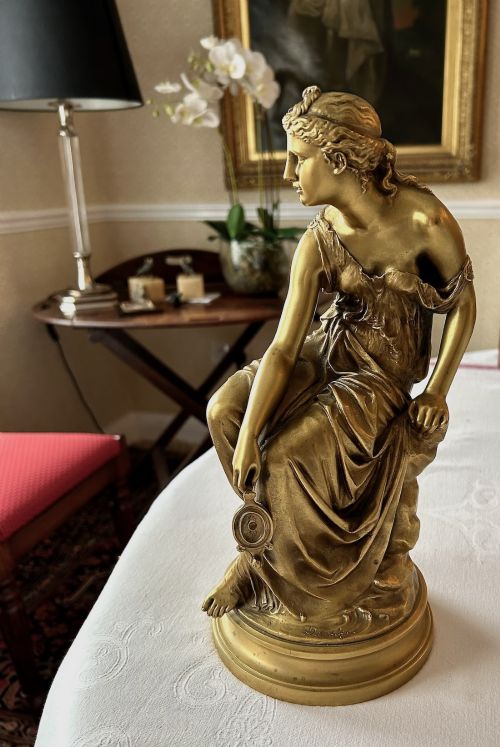
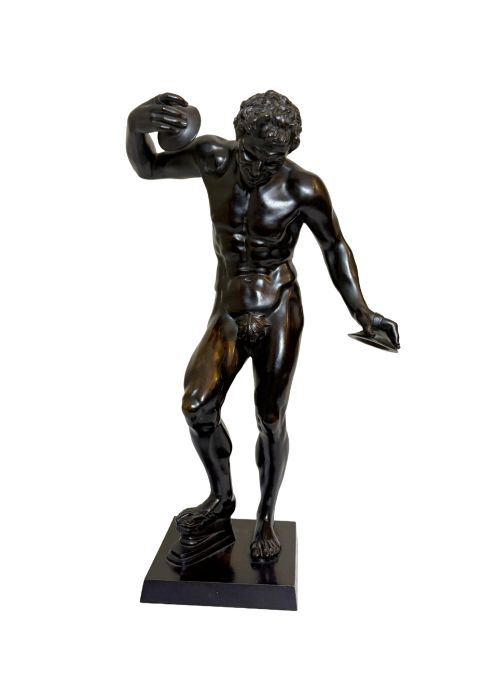
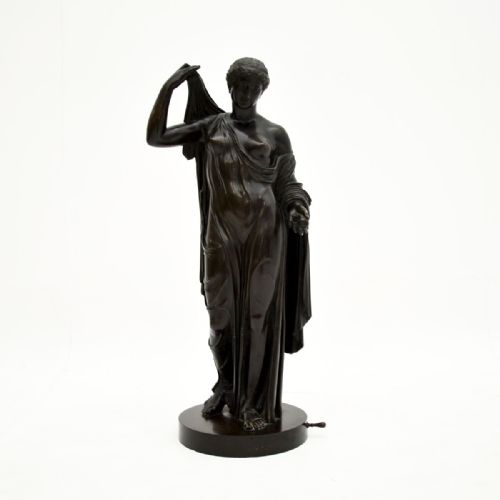
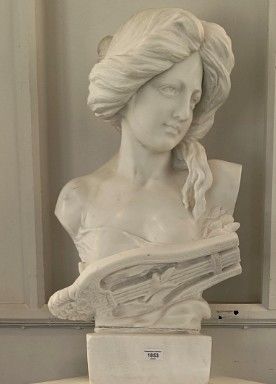
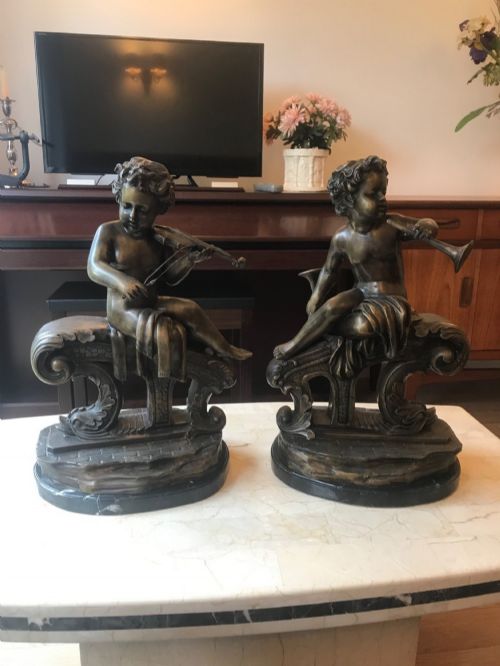
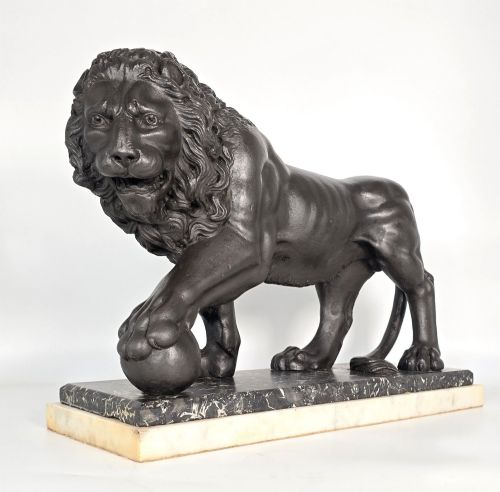
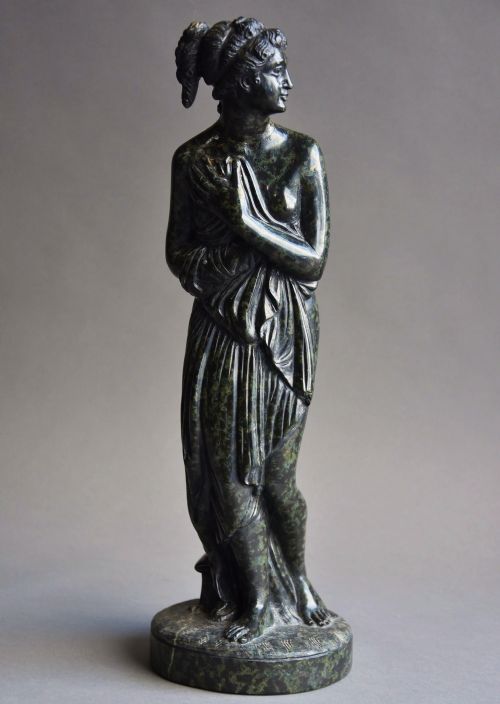
A nineteenth century statue brings classical antiquity, portraiture and romantic mythology directly into domestic interiors through cast bronze, carved marble and moulded earthenware.
Nineteenth Century Statue
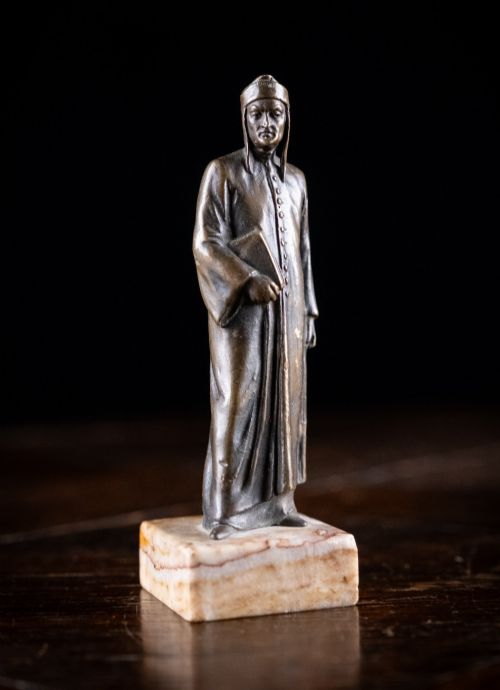
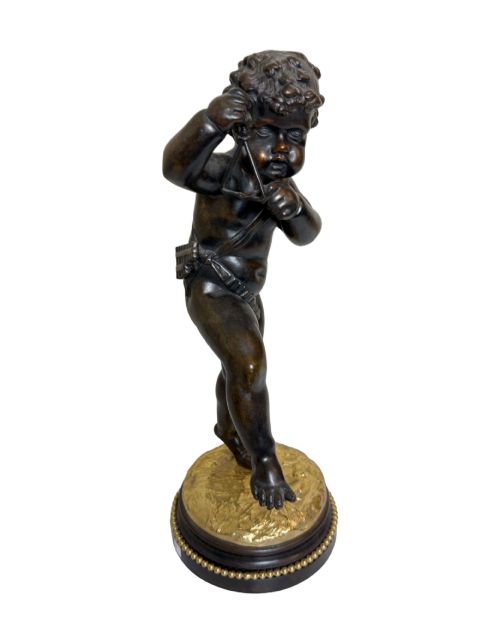
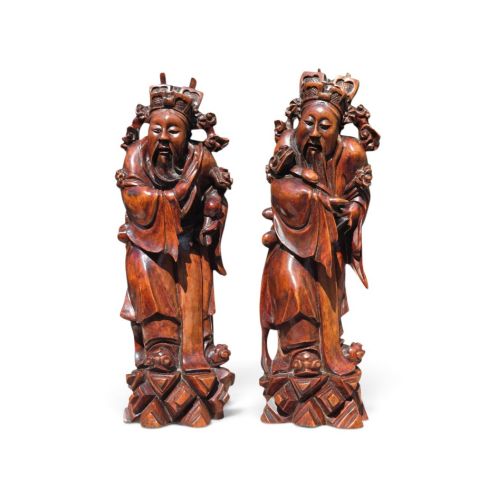
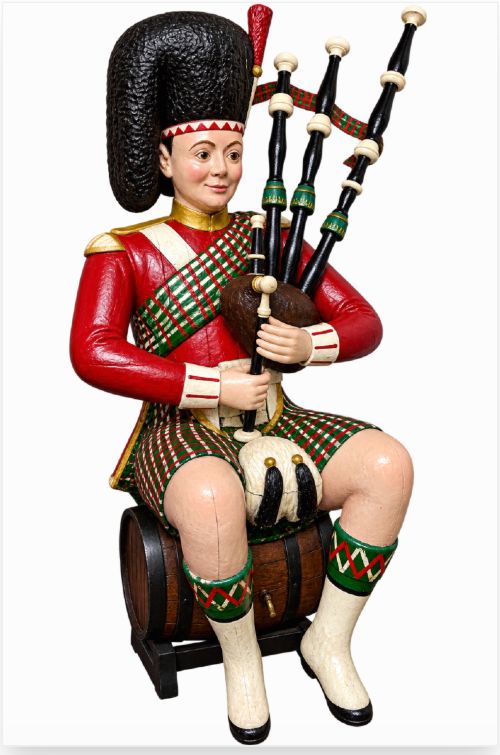
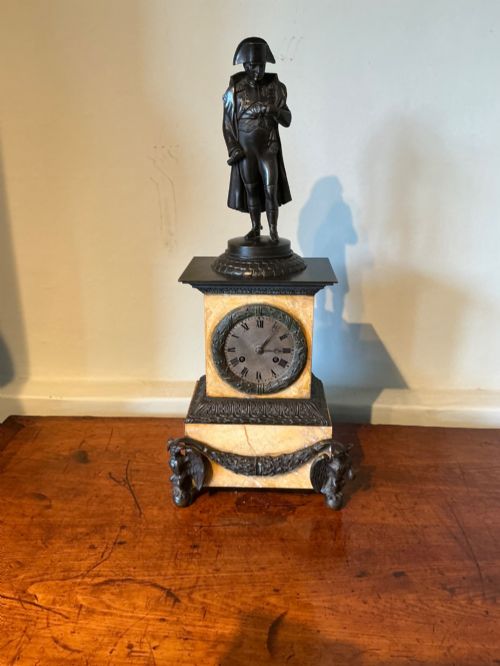
When a buyer investigates a nineteenth century statue, they encounter figurative sculpture spanning intimate cabinet bronzes, architectural busts and decorative earthenware. The inventory here ranges from Neoclassical subjects and Grand Tour souvenir bronzes to Victorian Staffordshire figures and French gilt bronze mantel ornaments.
The dominant forms across this page include mythological figures, historical portraits, animal studies and allegorical representations. Buyers regularly find works executed in bronze, marble, porcelain and terracotta originating from British, French, Italian and German workshops.
Materials and casting methods
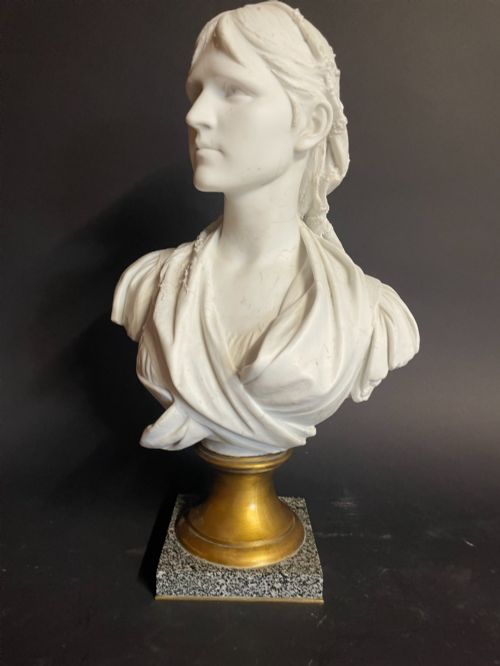
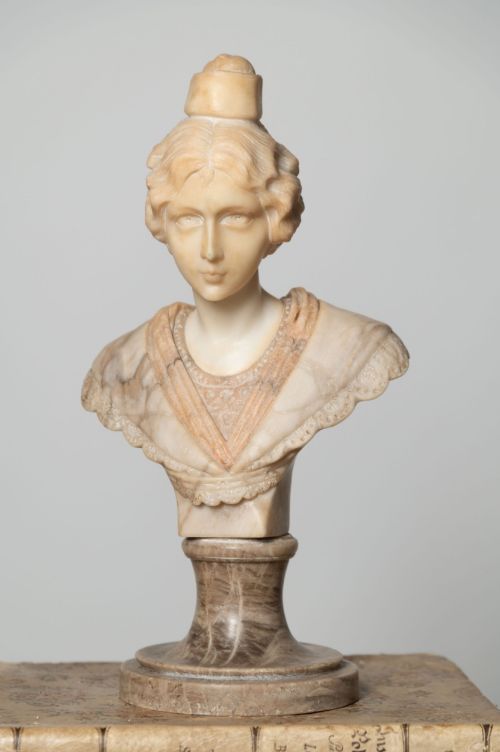
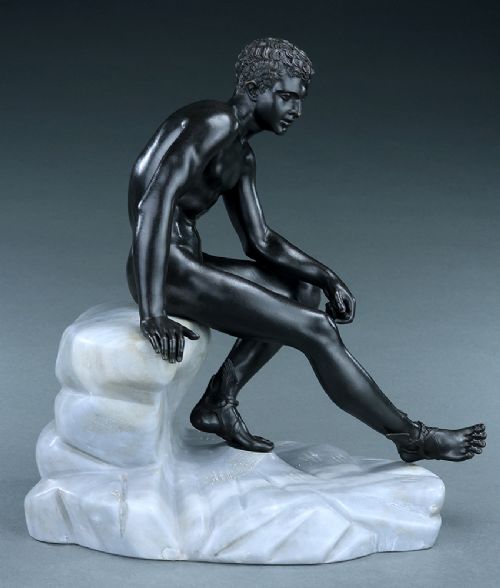
The physical objects rely on traditional foundry techniques, notably lost-wax casting for bronze pieces and skilled hand-carving for marble and alabaster. Metal figures often display patinated or gilt surfaces, while ceramic examples utilise earthenware, biscuit porcelain and Delft blue and white pottery.
Many works combine media, mounting bronze figures onto grey, white or Siena marble plinths. Secondary treatments include cold-painted finishes on metal and painted details on Staffordshire pottery and porcelain.
Listings span the Victorian era, incorporating Neoclassical, Egyptian Revival and Rococo Revival stylistic influences across bronze, marble and terracotta.
Assessing sculptural standard
Foundry marks, signatures and established workshop attributions elevate individual pieces above anonymous commercial souvenirs. The integrity of the material, whether natural stone or cast metal, dictates the enduring sharpness of the form.
Etienne-Henri Dumaige·Antonio Canova·Alfred Barye·Eugene Aizelin·Georges Van Der Straeten
The Nineteenth Century Statue Glossary
- Patinated bronze
- Bronze treated with chemical solutions to produce a specific surface colour, most often deep brown or green.
- Grand Tour
- A cultural journey undertaken by wealthy Europeans that created a demand for small bronze and marble souvenirs of classical sculpture.
- Biscuit porcelain
- Unglazed ceramic fired to a matte, white finish that resembles fine marble in sculptural applications.
- Neoclassical
- A style reviving the design elements of classical Greece and Rome, prioritising clean lines, classical drapery and heroic subjects.
- Chasing
- The manual finishing of a cast metal surface using hammers and punches to refine details and remove casting flaws.
Nineteenth Century Statue: Frequently Asked Questions
What subjects do these statues depict?
The sculptures portray mythological figures, historical rulers, classical dancers and literary characters derived from ancient and romantic sources.
Animals, portrait busts of Roman emperors and theatrical personalities also appear frequently throughout the selection.
How were Grand Tour statues used?
Travellers returning from continental Europe displayed these bronze and marble reductions in studies, libraries and drawing rooms as tokens of classical education.
They served as decorative conversation pieces that demonstrated the owner's cultural engagement with antiquity.
Where should marble busts be placed?
Heavy marble and alabaster sculptures require sturdy furniture such as sideboards, pedestals or deep mantelpieces capable of supporting considerable stone weight.
Positioning them away from direct heat sources protects the stone and any underlying wooden surfaces.
How do I identify a cast bronze?
Genuine bronze items feel heavy for their size and often show hand-chased surface details where the metal was refined after removal from the mould.
Many period pieces feature integral metal bases or are mounted directly onto contrasting marble plinths.