
Nineteenth Century Silver
Nineteenth century silver brings together the heavy cutlery, travelling cups, and fitted communion sets that defined dining and devotion across the era.

What nineteenth century silver is
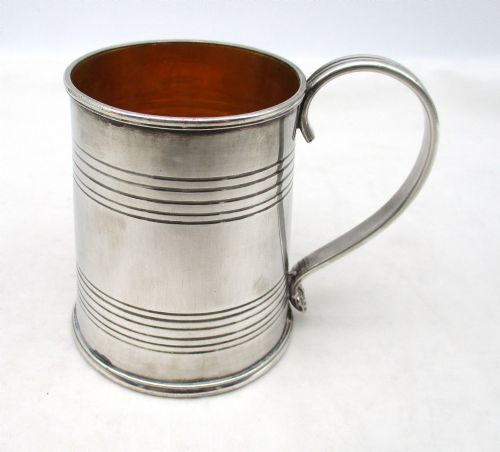
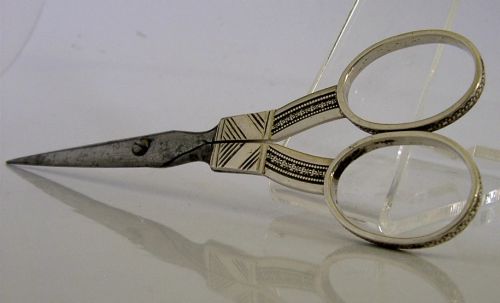
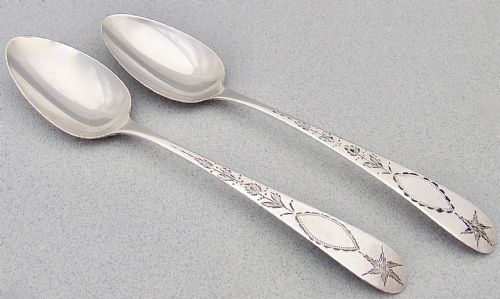
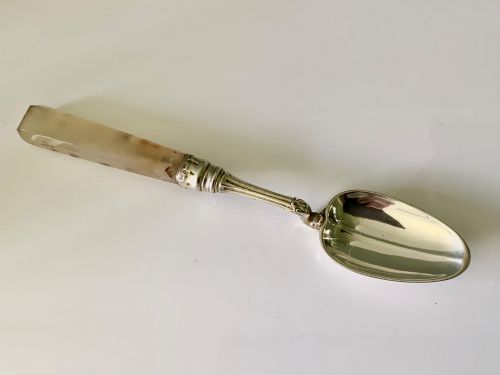
Nineteenth century silver encompasses a varied selection of domestic and personal objects, from Georgian dessert spoons to French wine tasters and Russian cloisonne enamel spoons. Buyers searching for nineteenth century silver will frequently encounter functional items such as cutlery, sewing tools, and boxed communion sets alongside travelling cups.
The objects span multiple stylistic movements including Regency, Early Victorian, French Belle Epoque, and Imperial Russian designs. Makers from Dublin to Paris and Moscow produced these pieces in solid silver, sterling silver, and Old Sheffield plate.
Alongside tableware and personal items, the broader category includes larger utilitarian storage pieces such as oak silver chests used in country houses. These items reflect the diverse manufacturing centres and changing domestic requirements of the hundred-year span.
How they were made
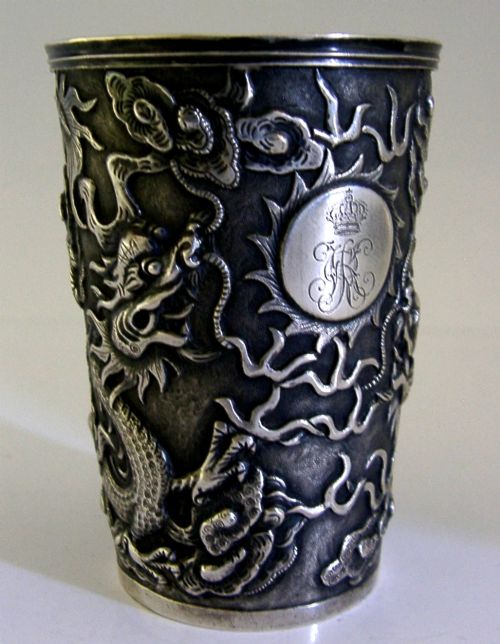
Makers utilised solid silver and sterling silver alongside Old Sheffield plate, applying techniques such as piercing, engraving, and cloisonne enamel. Items frequently incorporated mixed media elements like bone handles, cotton linings, wicker components, and gilt finishes.
Specialised workshops in Paris, Dublin, and Moscow employed traditional smithing methods to shape spoons, needles cases, and wine tasters. Structural components like travelling cups and boxed sets required precise fitting of metals alongside supplementary materials.
Retail Price Guide 2026
Typical UK retail prices for nineteenth century silver, calculated from the Sellingantiques database of over a million retail prices indexed since 2003. This retail price guide relies exclusively on Sellingantiques data; no external sources or auction records are used, so the figures do not describe the wider market.
Listings for nineteenth century silver span the Georgian, 19th Century, and Regency periods, incorporating materials such as solid silver, Old Sheffield plate, bone, and enamel.
What varies in quality
The standard of nineteenth century silver depends upon the crispness of the original chasing, engraving, and enamel work applied by the maker. Pieces bearing clear regional assay marks and identifiable workshop signatures demonstrate superior provenance.
Execution of secondary materials, such as fitted wooden boxes for communion sets or tight joints on folding and travelling objects, distinguishes finer examples. The retention of original gilding and undamaged enamel surfaces elevates the overall execution of the work.
John Pittar·Pierre Fournerot·Boin Taburet·Vasily Agafonov
The Nineteenth Century Silver Glossary
- Sterling silver
- A standard alloy composed of silver and other metals, traditionally copper, to ensure durability in everyday objects. It forms the primary metal foundation for the majority of cutlery and small wares.
- Old Sheffield plate
- A composite material made by fusing a thin sheet of silver to a thicker copper base. This technique preceded modern electroplating and appears on larger utilitarian items.
- Cloisonne enamel
- A decorative technique where metal wire is soldered to a metal base to create compartments filled with enamel paste and fired. This colourful surface treatment appears on fine Russian spoons.
- Wine taster
- A small, shallow bowl equipped with handles or thumbpieces, designed for sampling wine. French nineteenth century examples often feature dimpled surfaces to reflect light against the liquid.
- Communion set
- A portable collection of sacred vessels used for administering the Eucharist outside a church. These boxed sets typically contain chalices, patens, and flagons in fitted interiors.
Frequently Asked Questions
What items are included in nineteenth century silver?
Nineteenth century silver covers a wide array of functional and decorative items, including cutlery, dessert spoons, wine tasters, sewing tools, and travelling cups. Larger storage pieces such as oak silver chests are also part of the broader category.
Pieces range from standard domestic tableware to specialised devotional items like boxed communion sets, reflecting the diverse output of European silversmiths.
How do I identify different styles?
Styles within the nineteenth century shift from the classical restraint of Georgian and Regency designs to the ornate details of French Belle Epoque and Imperial Russian work. Examining the decorative motifs helps indicate the specific period of manufacture.
Maker marks and regional assay stamps provide definitive evidence of origin, connecting individual pieces to workshops in Dublin, Paris, or Moscow.
How were Old Sheffield plate items made?
Old Sheffield plate was produced by thermally fusing a sheet of silver onto a copper core before rolling the combined metals into sheets. This method allowed makers to create substantial items with the appearance of solid silver.
Items utilising this technique include boxes and larger serving pieces, representing an important precursor to later silver plating methods.
How do I care for silver with enamel or bone?
Objects featuring delicate additions like cloisonne enamel, bone handles, or cotton elements require careful handling away from harsh chemical polishes. Gentle dusting and specialist cleaning of the metal parts preserve the secondary materials.
Fitted items such as communion sets should be stored within their original boxes to protect both the metal surfaces and the internal linings.