



Nineteenth Century Server
A nineteenth century server is a heavy timber serving piece or side table used for dining rooms, built to hold platters and silver.

Nineteenth Century Server
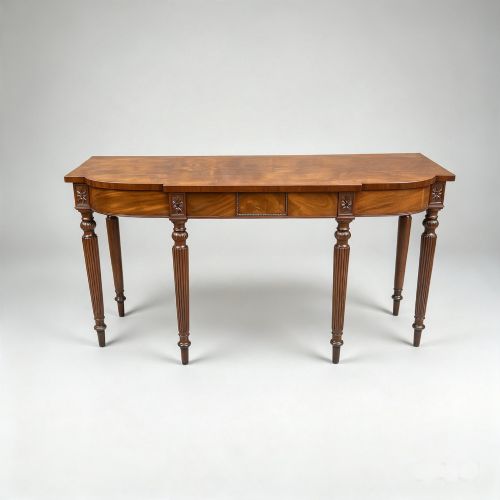
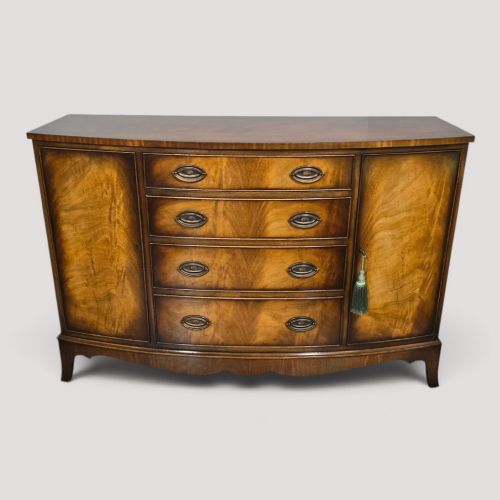
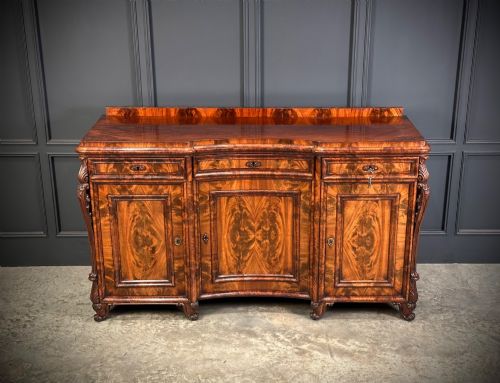
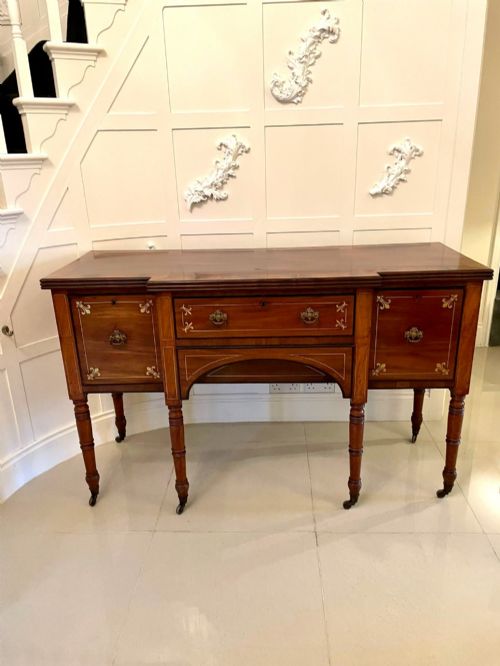
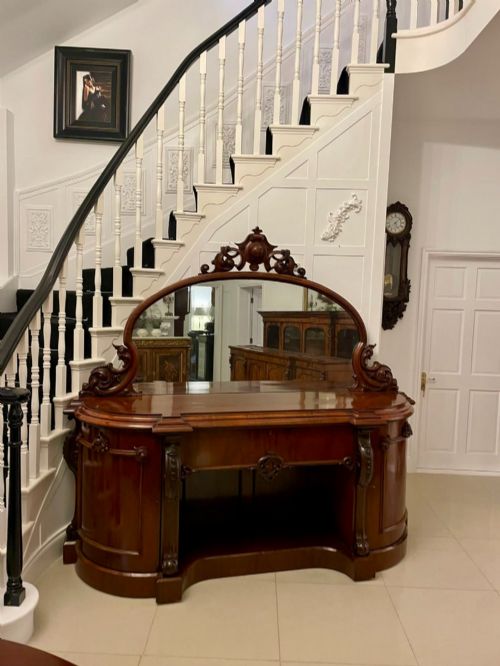
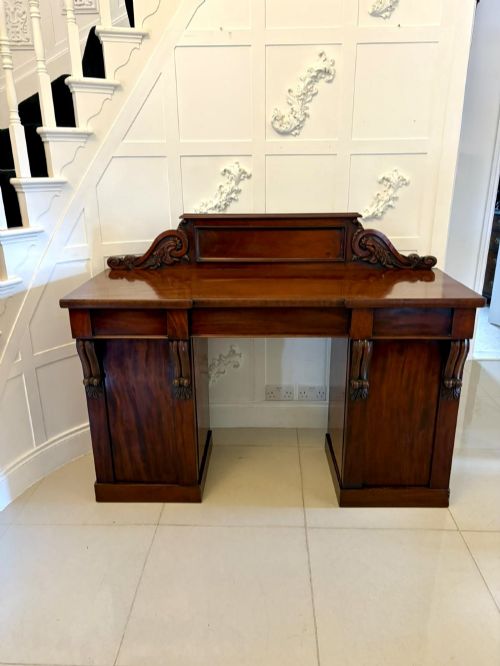
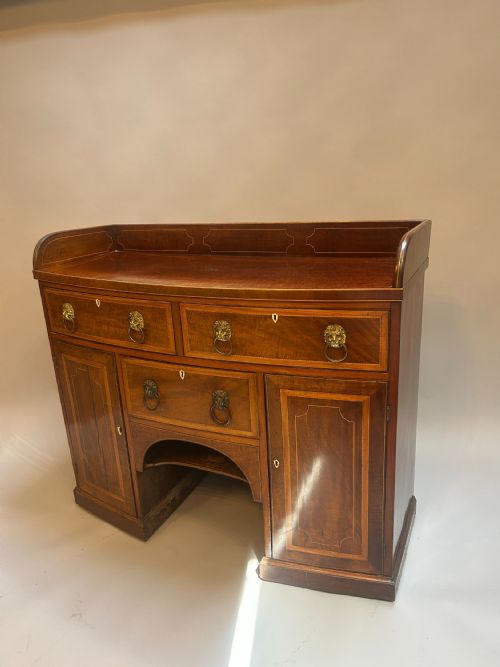
A nineteenth century server takes many shapes across this collection, appearing most often as a mahogany sideboard, buffet, or console table. These forms date from the Regency and Victorian eras, spanning walnut, pine, and cherry wood alongside the dominant mahogany pieces.
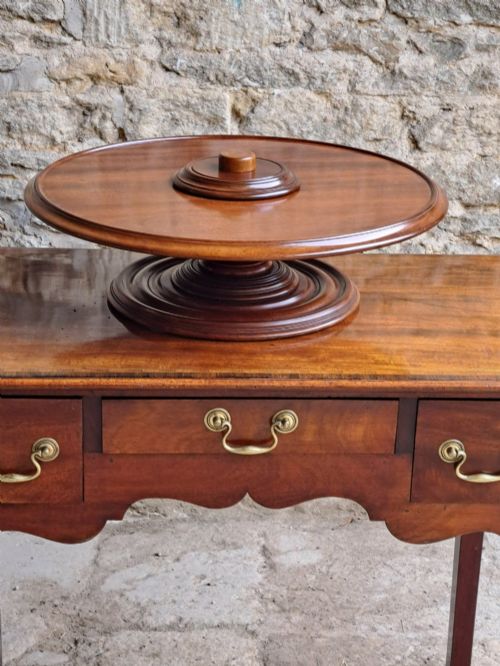
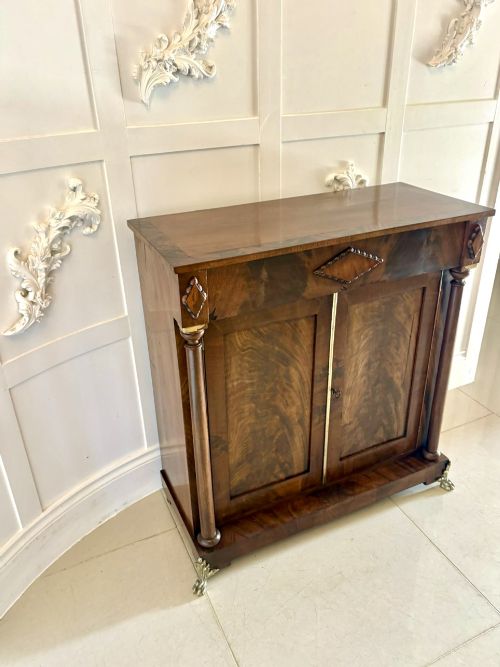
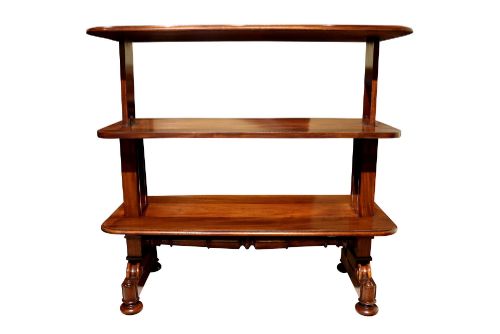
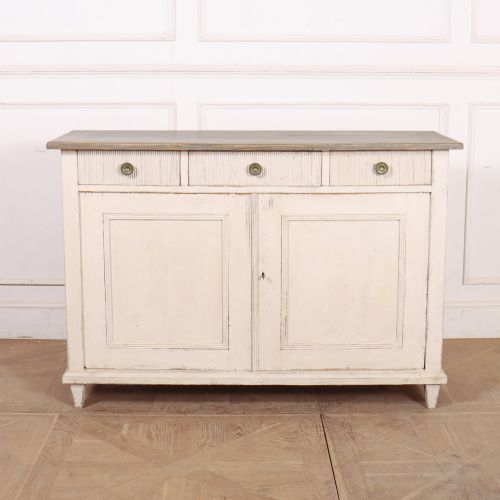
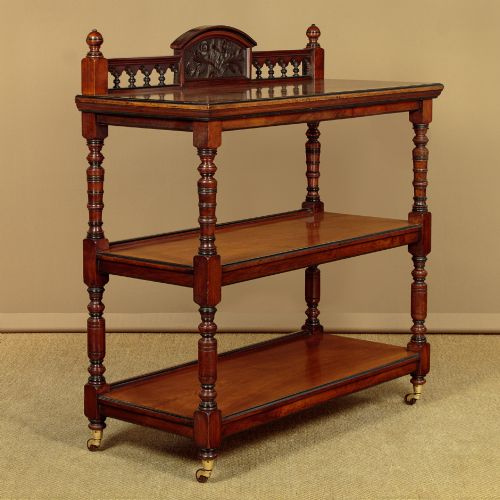
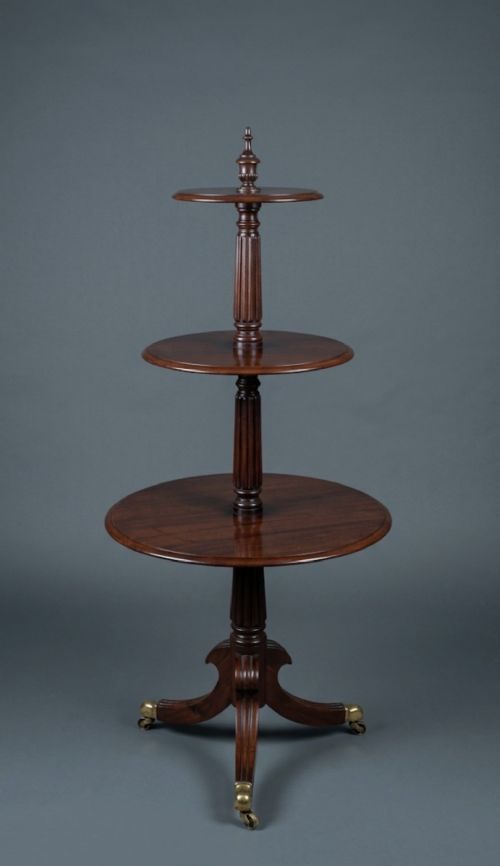
Buyers will encounter sideboards with brass inlay, chiffoniers, tiered dumb waiters, and provincial oak dresser bases. The selection ranges from formal British breakfront furniture to French provincial and Anglo-Indian designs.
Woods and construction methods
Makers built these pieces primarily from solid mahogany, flame mahogany veneer, oak, and pine, often adding brass stringing, ebony inlay, or burr elm details. Surfaces receive polish or paint depending on whether the origin is British, French, or continental.
Joinery relies on traditional framing methods suited to heavy sideboards and console tables, with carved mahogany backsplashes, marble tops, and tiered shelving assembled to bear weight.
Nineteenth Century Server Retail Price Guide 2026
Typical asking prices for nineteenth century server among the pieces listed under this phrase on Sellingantiques today, from the lower quarter to the upper quarter. They describe what is for sale here now, not the wider market.
Mahogany is the most frequent timber across these listings, appearing alongside oak, walnut, pine, and cherry wood.
Judging timber and carving depth
Quality rests in the choice of figured timbers, such as highly grained flame mahogany and burr elm, paired with crisp hand-carving on mirror backs and pedestals. Plain secondary woods and flat, unfigured surfaces indicate simpler utility furniture.
Construction details separate standard items from superior examples, visible in the precision of brass inlay, the weight of marble tops, and the integrity of original pedestals and cabinet doors.
The Woodworkers Ltd Kilkenny·George Jones
The Nineteenth Century Server Glossary
- Dumb waiter
- A tiered serving stand with revolving or fixed circular shelves used to hold dishes without requiring servants at the table.
- Breakfront
- A piece of furniture where the central section projects forward from the flanking cabinets.
- Chiffonier
- A small sideboard or low cabinet, popular in the nineteenth century, often fitted with shelves or a mirror on the back.
- Console table
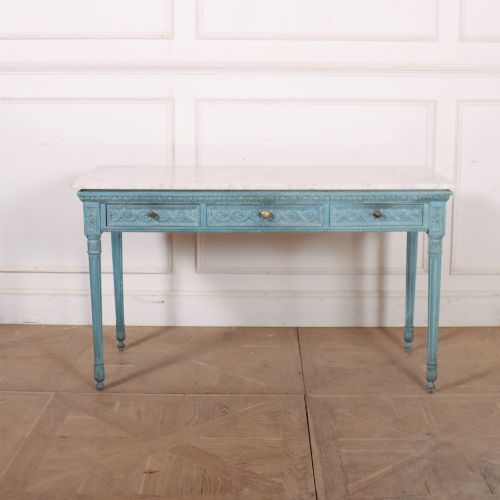
- A table designed to fix against a wall, frequently topped with marble or supported by ornate carved legs.
Nineteenth Century Server: Frequently Asked Questions
How do I use a nineteenth century server today?
These pieces function well in modern dining rooms or hallways as serving surfaces, side tables, or drinks stations. Their deep drawers and cupboards provide practical storage for table linen and dinnerware.
Larger sideboards anchor a dining space, while console tables and dumb waiters fit narrow rooms or corners where floor space is limited.
How do I tell a Regency server from a Victorian one?
Regency servers tend to feature cleaner architectural lines, brass inlay, and classical mahogany veneers influenced by ancient Greek and Roman designs. They often feel lighter in proportion.
Victorian servers, by contrast, frequently display heavier carved decoration, mirror backs, and darker figured mahogany or walnut timbers reflecting industrial-era manufacturing confidence.
What is a metamorphic server?
A metamorphic server includes mechanical elements that allow the piece to transform its shape or function, such as rising and falling tiers.
These clever designs were built for nineteenth-century dining rooms to adapt between hosting dinner parties and daily family use.
Are marble-topped console tables fragile?
Marble tops are heavy stone slabs resting on timber frames, providing durable surfaces that resist moisture and heat from serving dishes.
While the stone itself is robust, care must be taken with the polished surface to avoid staining from acidic liquids and to protect the supporting console frame.