


Nineteenth Century Pottery
Nineteenth century pottery encompasses an immense variety of earthenwares, porcelains, and faience crafted globally for display and daily use.
Nineteenth Century Pottery
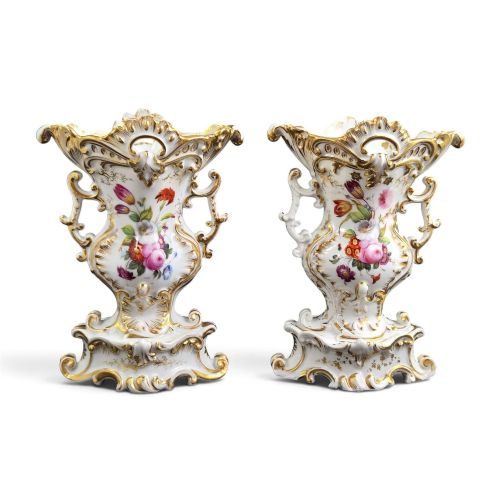
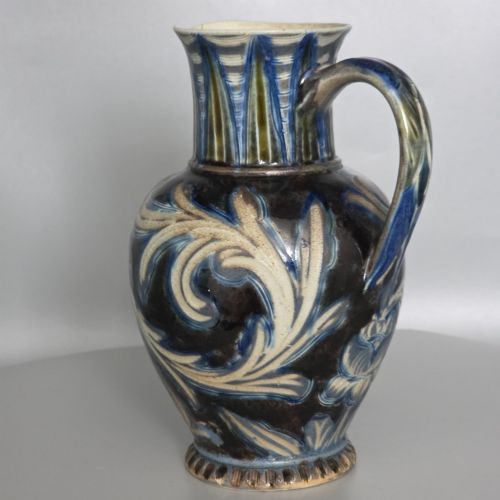
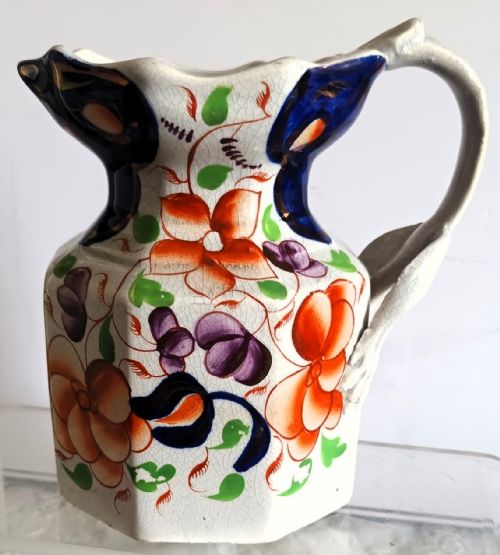
When you search for nineteenth century pottery, you encounter a vast array of utilitarian vessels, decorative figures, and architectural ceramics spanning multiple continents. The pieces available here most frequently include Staffordshire figures, English transferware jugs, French faience, and Japanese Satsuma vases from the Victorian, Georgian, and Regency periods.
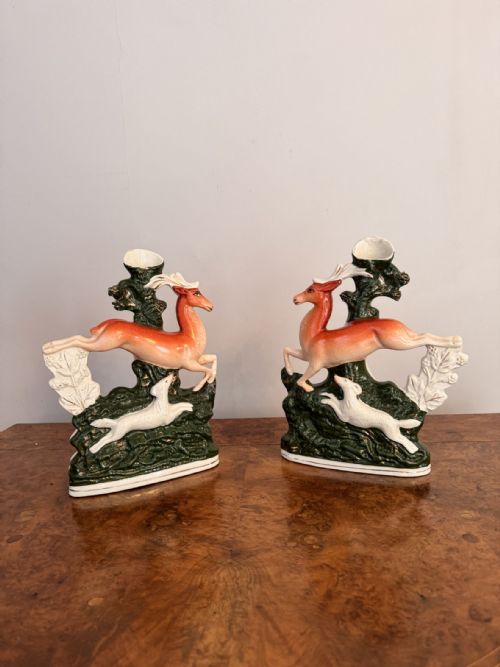
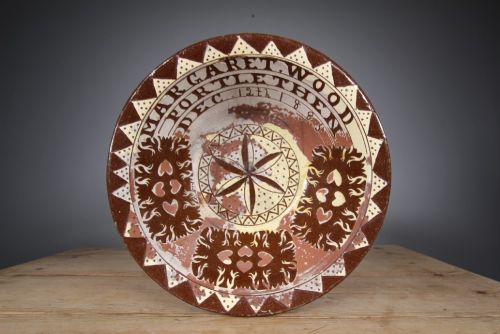
The objects range from domestic kitchenware like slipware bowls and bargeware teapots to mantel ornaments such as spill vases, theatrical pairs, and portrait plaques. Regional potteries in England, France, Japan, and the Netherlands dominate the selection, showing distinct local traditions in modelling and decoration.
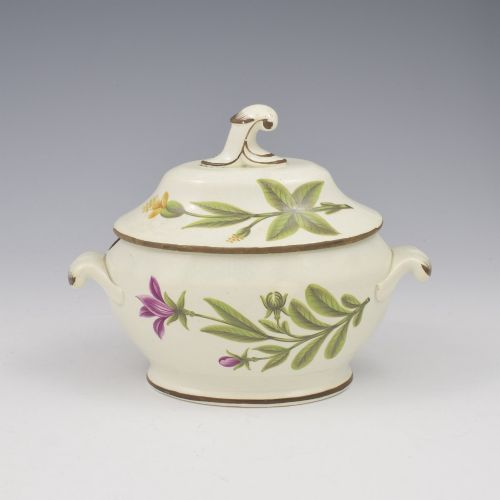
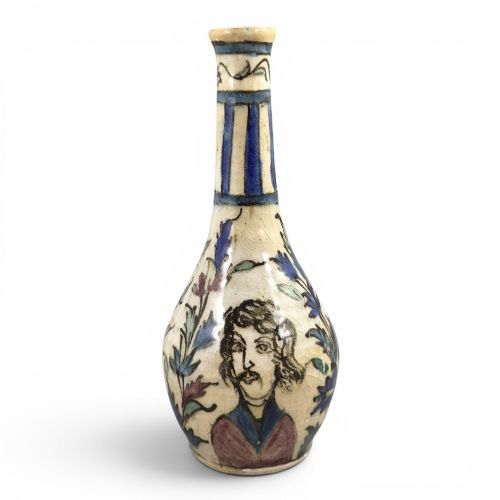
Buyers often seek these items to anchor a period interior or to collect specific forms like spaniel money boxes, botanical sauce tureens, and cobalt-ground bottle vases. Each piece reflects the functional or ornamental demands of its era, preserved through glazed earthenware, ceramic, and porcelain bodies.
Materials and Technique
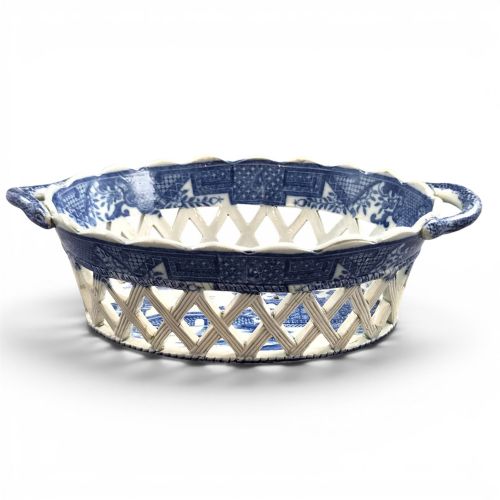
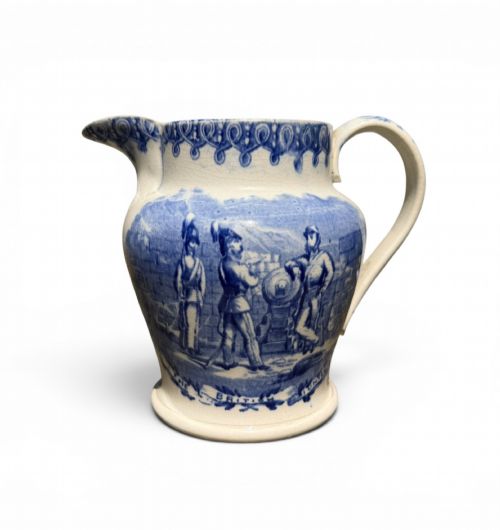
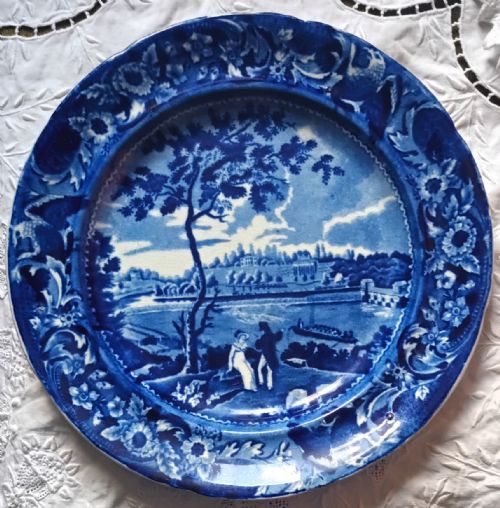
Potters of this era shaped their wares using earthenware, pearlware, and porcelain bodies, frequently applying lead glazes, enamel colours, and gold leaf for surface enrichment. Transfer printing allowed complex pictorial scenes to be applied mechanically to plates and jugs before firing.
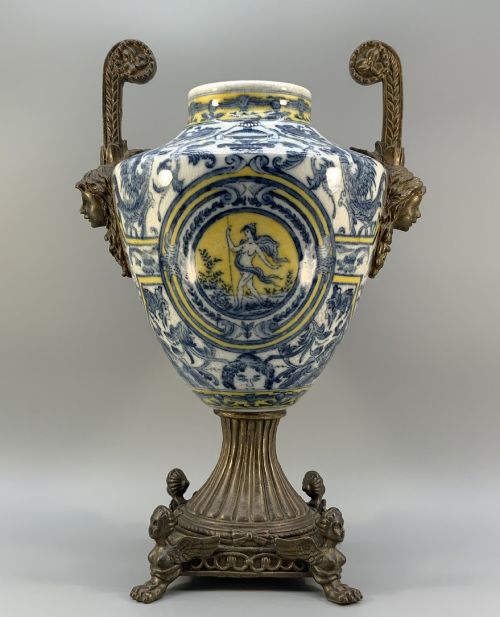
Hand-painting remained essential for fine decorative works, seen in the delicate polychrome enamels of Staffordshire figurines and the intricate moriage gilding on Japanese Satsuma pottery. Slipware and spongeware techniques relied on liquid clay trails and simple sponge stamping to create rustic patterns on kitchen bowls and teapots.
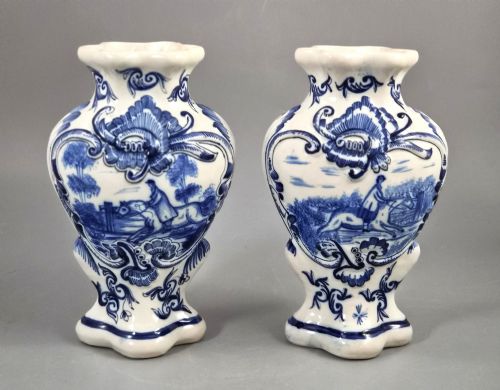
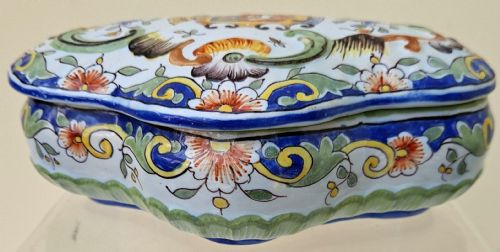
Regional styles represented range from English Staffordshire and Dutch Delftware to Japanese Satsuma and French faience.
Judging Quality
The sophistication of the palette and the ambition of the form separate standard domestic items from exhibition pieces. Marks stamped or painted by established makers also elevate a piece by confirming the workshop and period context.
Jacob Petit·Fourmaintraux-Courquin·Doulton Lambeth·Spode·Stubbs·Mann And Co·Tunnicliffe·Goldscheider·Nanzan·Kinkozan
The Nineteenth Century Pottery Glossary
- Pearlware
- A refined earthenware developed in the late eighteenth century featuring a subtle bluish glaze that pooled in recesses to mimic Chinese porcelain.
- Transferware
- Earthenware decorated by applying a printed paper design from an engraved copper plate onto the ceramic surface prior to glazing.
- Faience
- Tinned-glazed earthenware produced in France and continental Europe, often hand-painted with blue and white motifs.
- Spill vase
- A hollow tubular vase designed to hold wooden spills used for lighting candles and fires.
- Moriage
- A Japanese decorating technique using raised slip clay dots and lines to create textured, dimensional patterns beneath or over the glaze.
Nineteenth Century Pottery: Frequently Asked Questions
How do I identify Staffordshire figures?
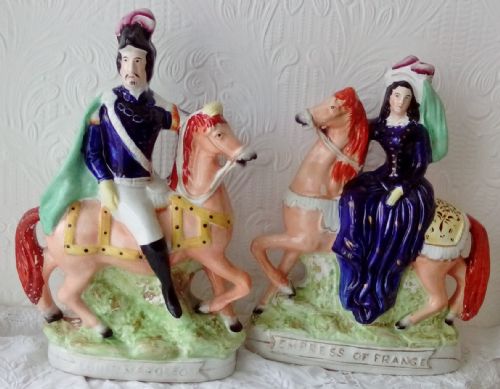
Staffordshire figures are earthenware sculptural pieces, often depicting animals, theatrical characters, or historical personalities, produced primarily in Stoke-on-Trent. They typically feature hand-painted polychrome enamel details over a white earthenware body.
Many of these figures were made as facing pairs for display on cottage mantelpieces, and they often include titles raised in the clay base.
What is transfer printing?
Transfer printing is a decoration technique where an engraved copper plate transfers a design onto tissue paper, which is then pressed onto the ceramic body. This allowed potteries to mass-produce complex pictorial scenes in blue and other colours.
Plates, jugs, and tureens frequently display this method, particularly on English earthenware from the early nineteenth century onwards.
How should I care for antique pottery?
Antique pottery should be displayed away from direct sunlight and kept in a stable environment free from sudden temperature fluctuations. Dusting gently with a dry, soft cloth is usually sufficient for maintenance.
Avoid submerging pieces in water, especially if they have old repairs, crazed glaze, or delicate enamel and gold leaf decorations that might flake.