

Nineteenth Century Portrait
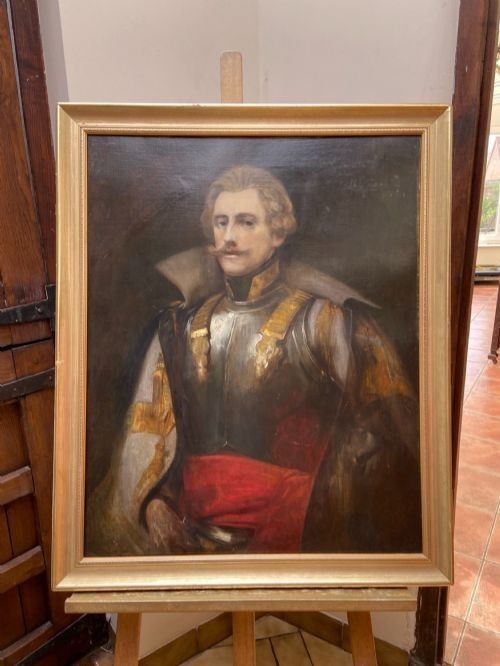
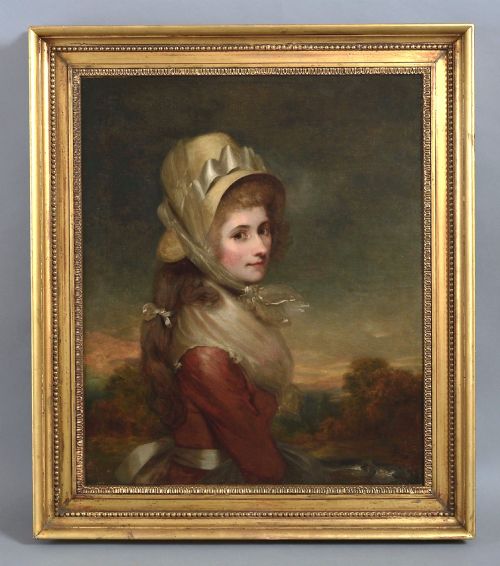
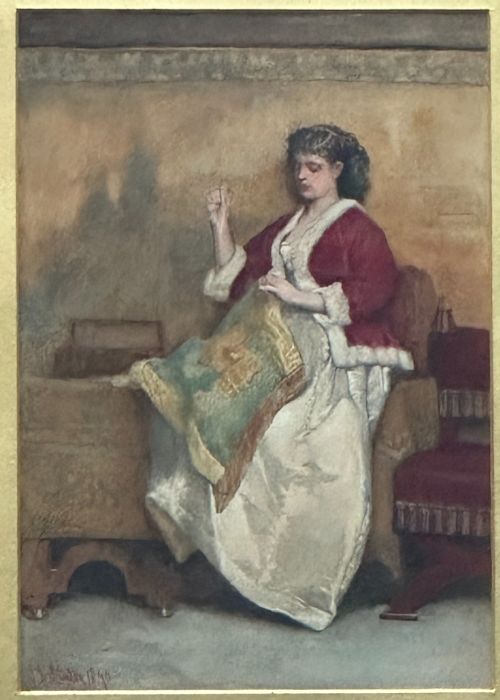
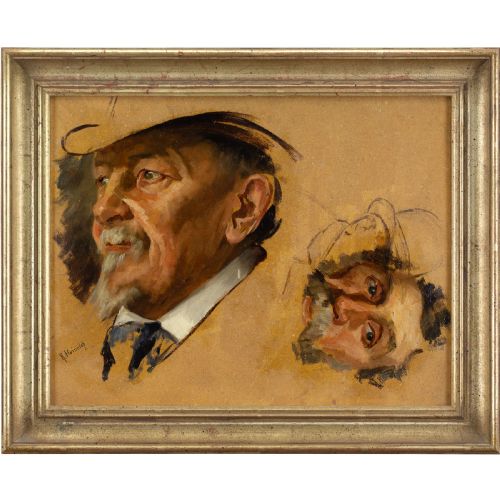
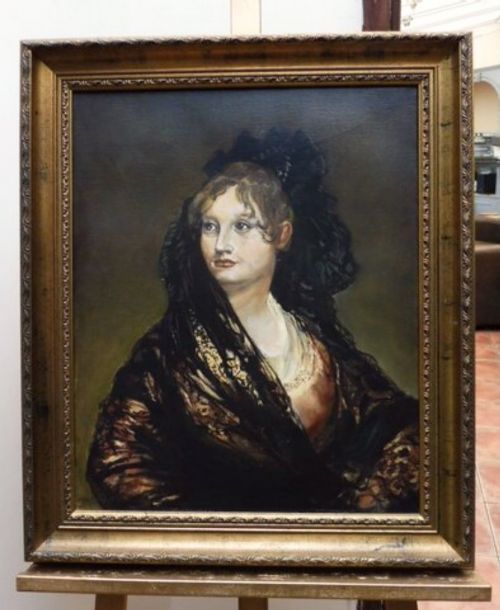
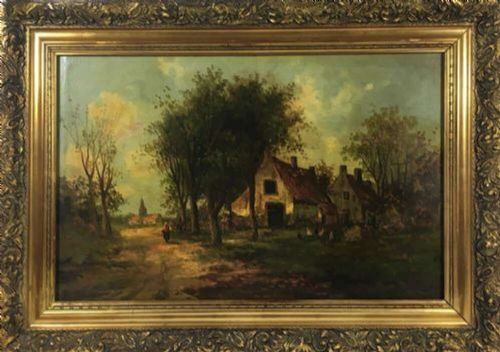
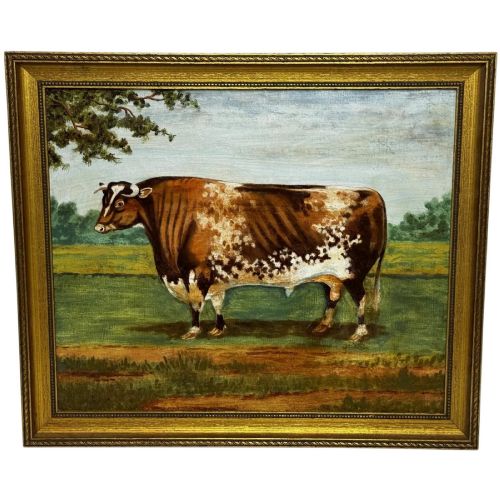
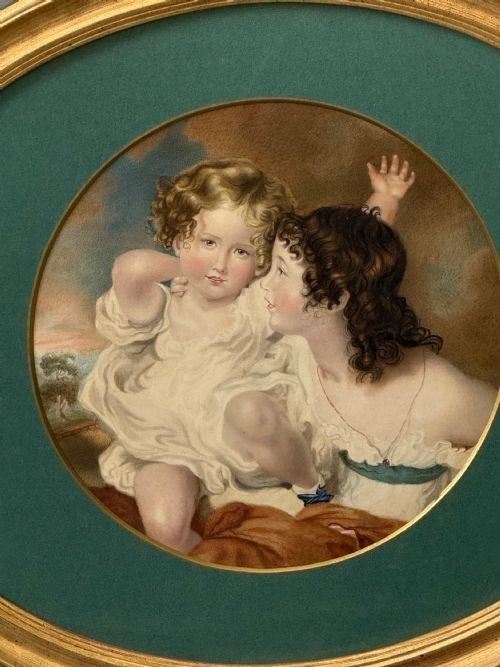
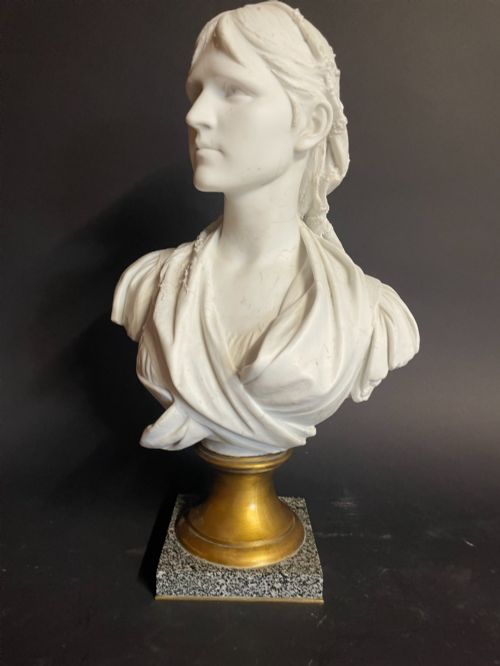
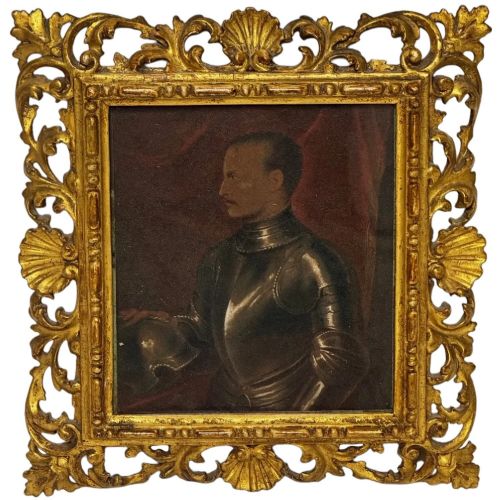
A nineteenth century portrait captures the human face and form through oil paint, marble, bronze, paper, and ceramic.

Nineteenth Century Portrait
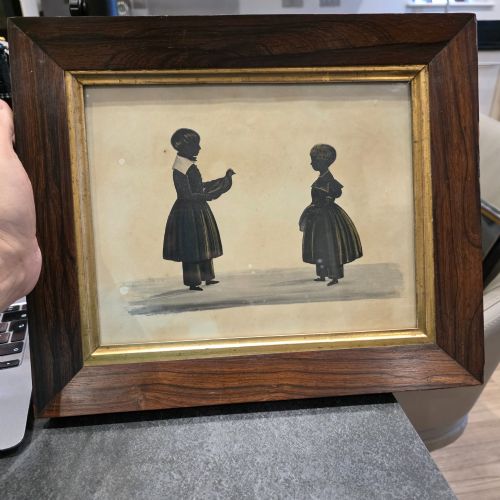
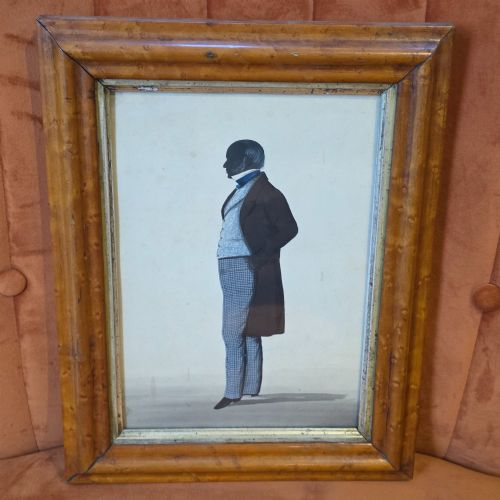
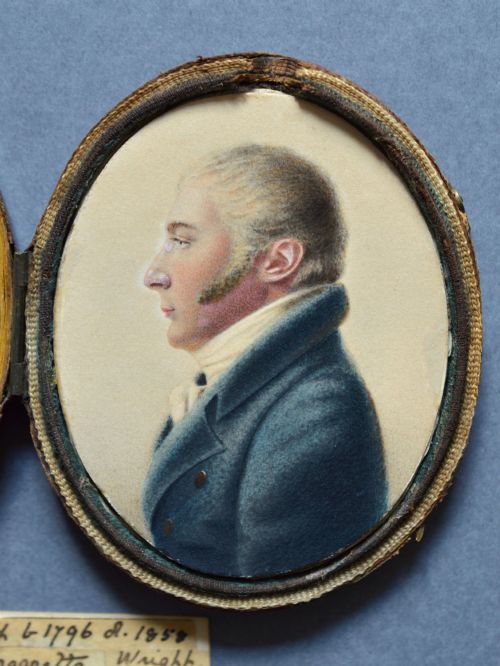
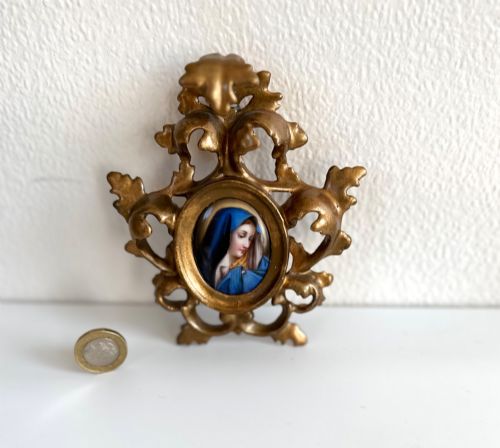
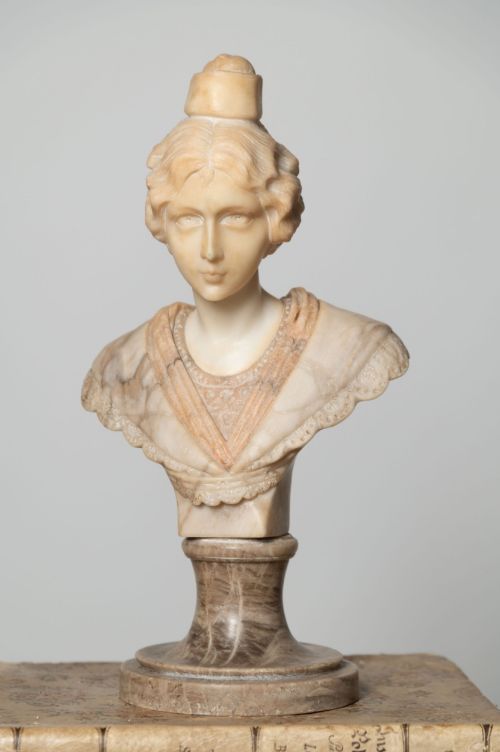
A nineteenth century portrait includes paintings in oil and watercolour, portrait miniatures, silhouettes, and sculptural busts in bronze, marble, plaster, and pottery.
The subjects range from military officers, nobility, and children to historical figures, artists, and unknown sitters.
Most examples originate from British, French, Italian, and Spanish traditions spanning the Georgian, Regency, and Victorian periods.
How they were made
Painters utilised oil on canvas or watercolour on paper, often framing their finished works in decorative giltwood, gesso, and gold leaf surrounds.
Sculptors carved marble and alabaster or cast bronze, plaster, and ceramic, sometimes adding painted details to pottery and porcelain chargers or vases.
Silhouettists cut paper profiles by hand or created wax relief portraits mounted within protective glass frames.
Nineteenth Century Portrait Retail Price Guide 2026
Typical asking prices for nineteenth century portrait among the pieces listed under this phrase on Sellingantiques today, from the lower quarter to the upper quarter. They describe what is for sale here now, not the wider market.
What varies in quality
Execution and handling separate accomplished academic works from standard decorative pieces, visible in the rendering of facial expressions, drapery, and hands.
Materials and framing also set individual works apart, particularly where original giltwood frames, carved marble, or fine portrait miniatures survive intact.
Sir Martin Archer Shee·Sir James Dromgole Linton·Francisco Jose de Goya y Lucientes·Thomas John Horsley·Sir Thomas Lawrence·Carl Haag·Charles Stuart Forbes·John C D Engleheart
The Nineteenth Century Portrait Glossary
- Giltwood
- Wood carved and coated with gold leaf or metallic paint. It forms the decorative border of many framed paintings.
- Gesso
- A plaster mix applied to wood frames or sculptural surfaces to create a smooth base for gilding or painting. It accepts fine detail work.
- Silhouette
- A cutout profile portrait made from black paper or painted on card. These pieces are often mounted behind glass.
- Miniature
- A small-scale portrait painted on ivory, vellum, or paper, typically housed in a dedicated protective case or frame.
- Bronze
- An alloy of copper and tin utilised for sculptural portrait busts. It takes a dark patina over time.
Nineteenth Century Portrait: Frequently Asked Questions
How do I identify a nineteenth century portrait?
Examine the materials, painting style, and framing methods to establish the period of creation. Signatures, inscriptions, and artist attributions often provide further context.
Look closely at the back of the panel, canvas, or frame for old labels, tax stamps, or handwritten notes from previous owners.
Where should I hang a portrait painting?
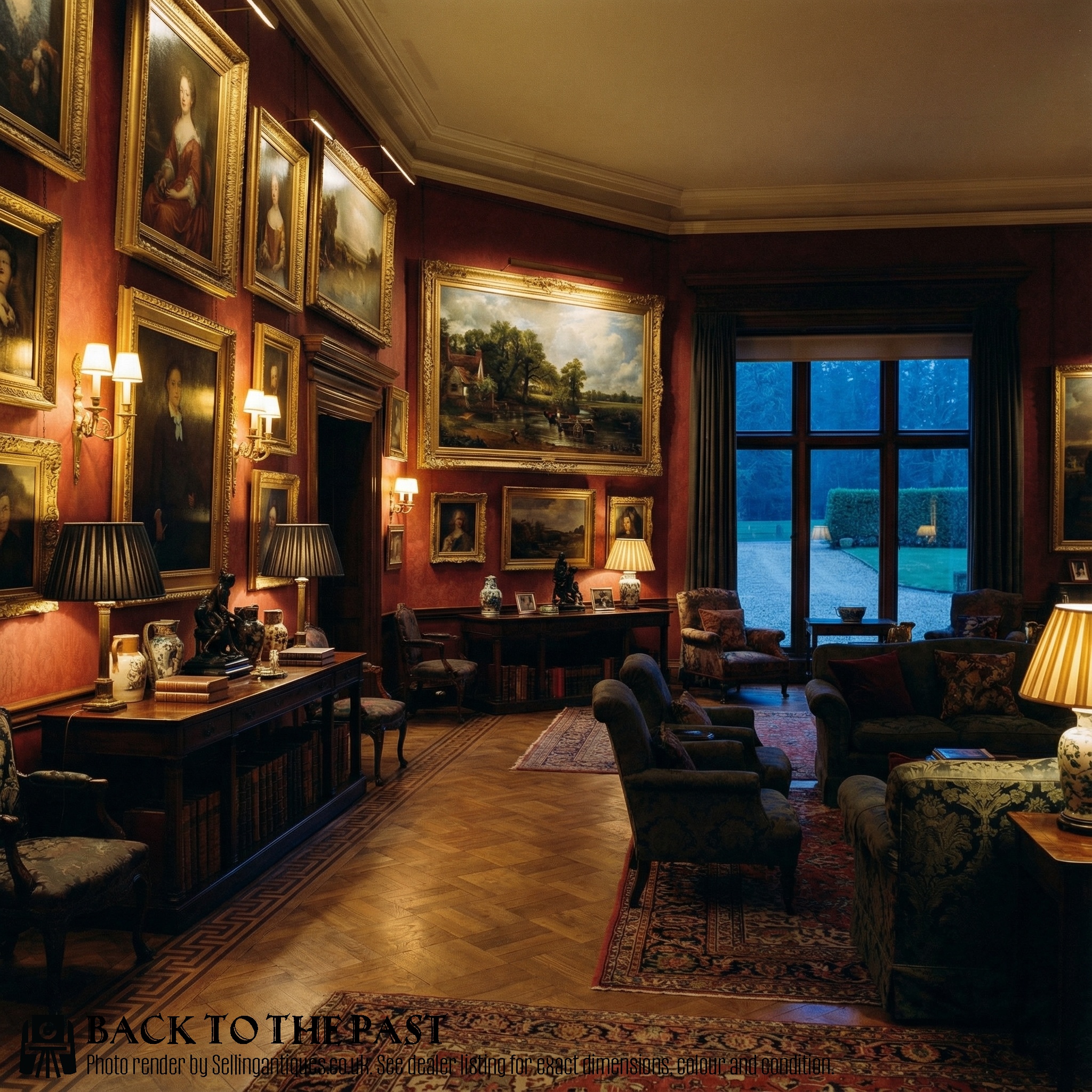
Display paintings away from direct sunlight and damp walls to protect the canvas, paper, and delicate pigments. Stable indoor temperatures prevent warping of wooden panels and gilt frames.
Consider eye-level placement in a room with controlled ambient lighting to appreciate the finer details of the brushwork.
What is the difference between an oil and a watercolour portrait?
Oil paintings utilise pigment suspended in drying oil on canvas or wood panels, allowing for rich colour depth and layered textures. Watercolours apply water-soluble pigments to paper, resulting in a lighter and more translucent finish.
Watercolour works require glass protection to prevent moisture damage, whereas oil paintings remain exposed to the air.
How are sculptural portrait busts displayed?
Place marble, bronze, or plaster busts on sturdy surfaces such as a console table, pedestal, or strong bookshelf. Ensure the weight of the sculpture is evenly distributed to prevent tipping.
Dust these pieces regularly with a dry, soft cloth, avoiding harsh cleaning agents that might strip patinas or damage porous stone.