
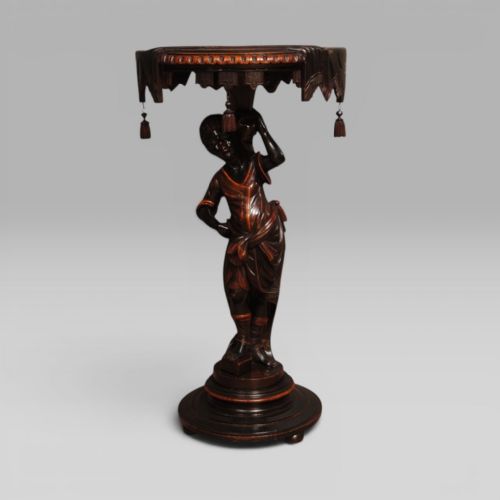


Nineteenth Century Plant Table
A nineteenth century plant table brings architectural timber and inset stone into the room to hold heavy pottery.
Nineteenth Century Plant Table
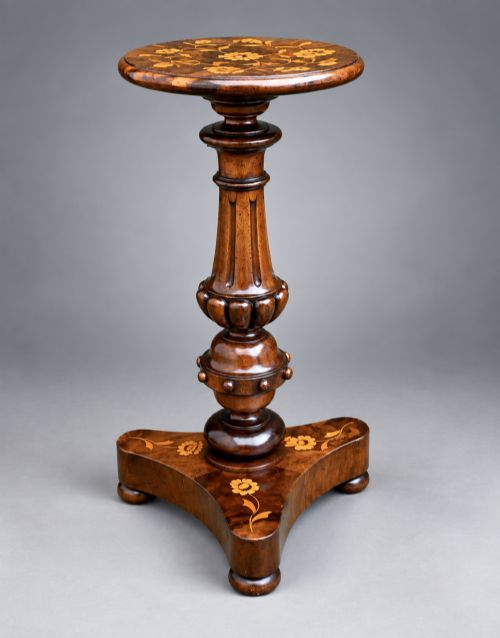
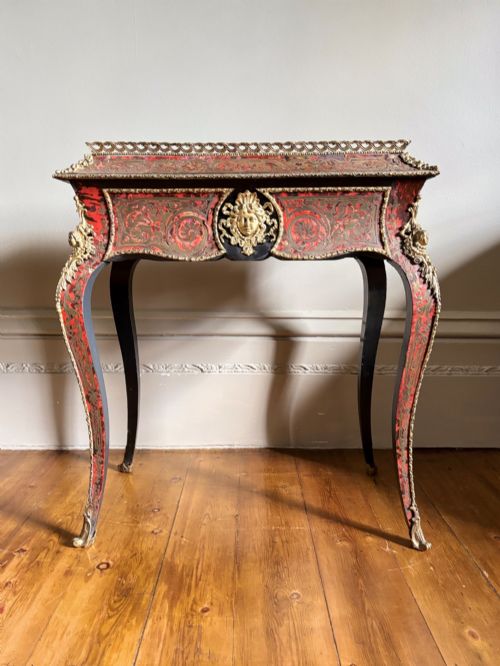
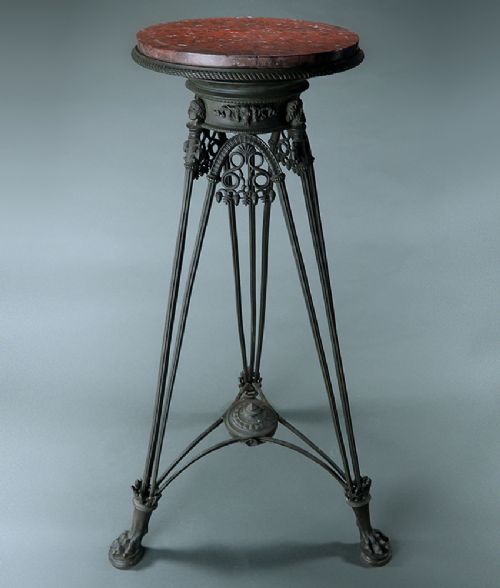
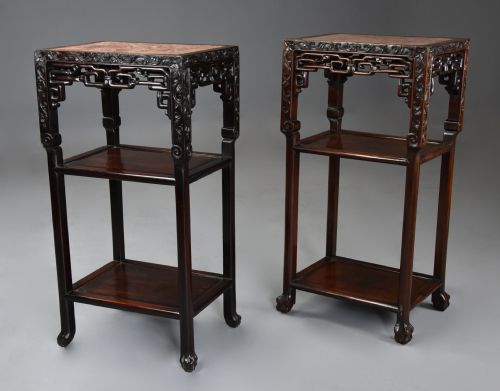
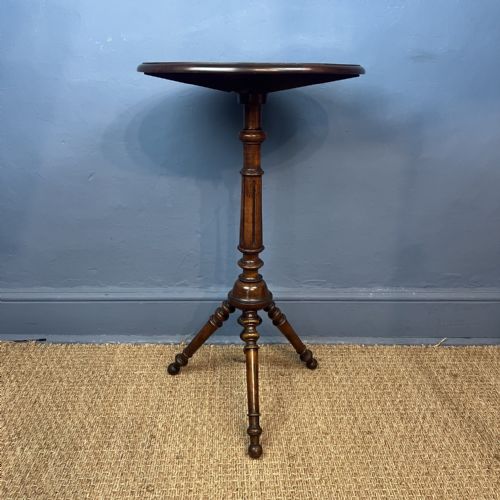
A nineteenth century plant table serves to elevate botanical displays using sturdy surfaces designed for damp pottery and planters. You will encounter forms ranging from circular tripod tables to multi-tiered stands intended for heavy jardinieres.
The materials and origins span English walnut, French marquetry, Chinese carved hardwood and Anglo-Indian craftsmanship. These pieces often blur the line between side tables, wine tables and dedicated planter stands.
Victorian and Regency examples dominate the selection, bringing varied regional aesthetics from European revival styles to intricate Asian carving. Each form reflects the period's domestic passion for indoor flora and decorative display.
Materials and Construction Methods
Makers utilised dense timbers such as mahogany, walnut, oak and exotic hardwoods to support the substantial weight of wet soil and stone. These woods were frequently enhanced with marquetry inlay, ebonisation or intricate hand-carving.
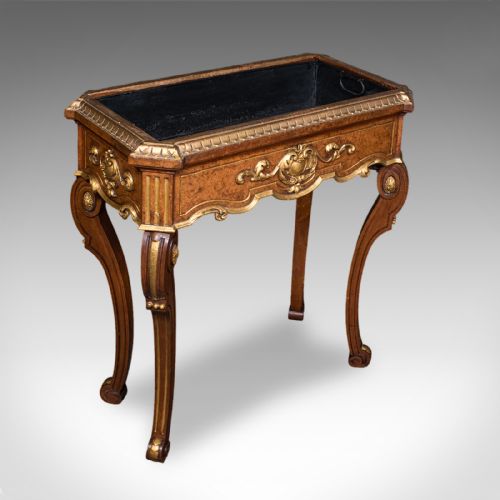
Marble and brass feature heavily in the construction, providing moisture-resistant surfaces and decorative mounts for plant pots. Cast iron, ormolu and ceramic tiles also appear, combining utility with decorative impact.
Joinery methods range from classical architectural pedestal bases to tripod legs and multi-tiered shelving. Structural stability remained paramount to prevent heavy planters from tipping during daily use.
Camels occasionally shoulder the weight of your houseplants, thanks to carved nineteenth-century novelty stands.
Differentiating Quality Among Tables
Quality rests upon the selection of timber, the crispness of the carving and the integration of secondary materials like marble and brass. Finer examples show precise marquetry inlay and substantial framing rather than thin veneers.
The integrity of the structural joinery separates standard utility stands from masterworks designed for formal reception rooms. Weight distribution and balance reveal the maker's understanding of loads imposed by heavy ceramic pots.
Hindley and Sons·Gillows·Liberty·James Mein of Kelso
The Nineteenth Century Plant Table Glossary
- Jardiniere
- A large ornamental pot or stand designed to hold plants and flowers indoors. It forms the primary functional purpose for many nineteenth century plant table designs.
- Marquetry
- Decorative veneer work formed of small pieces of wood fitted together to create pictorial patterns. This technique frequently embellishes French and Victorian tabletop surfaces.
- Guéridon
- A small round occasional table supported by a central pillar or three legs, often featuring a marble top. Originating in France, these tables frequently double as plant stands.
- Ormolu
- Gilded bronze mounts applied to furniture edges and legs for decorative effect. It appears on French Napoleon III and Regency pieces.
- Ebonised
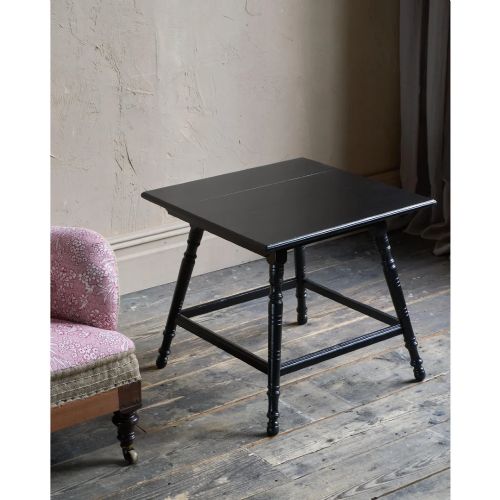
- Wood treated with a dark stain or finish to imitate ebony. This dark surface finish gained popularity during the Victorian aesthetic movement.
Nineteenth Century Plant Table: Frequently Asked Questions
What is a nineteenth century plant table used for?
These tables provide a stable, elevated platform for displaying heavy potted plants, ferns and floral jardinieres inside the home. They prevent moisture damage to carpets while framing greenery as decorative furniture.
Over time, owners also repurposed them as lamp tables, wine tables or general occasional surfaces for decorative objects in drawing rooms.
How do I care for marble tops?
Wipe marble surfaces clean with a damp cloth and dry them immediately to prevent water rings and staining. Avoid placing acidic plant fertilisers or citrus directly on the stone.
Apply a neutral stone wax periodically to maintain the polished finish without sealing in moisture.
How do I tell Victorian from Regency pieces?
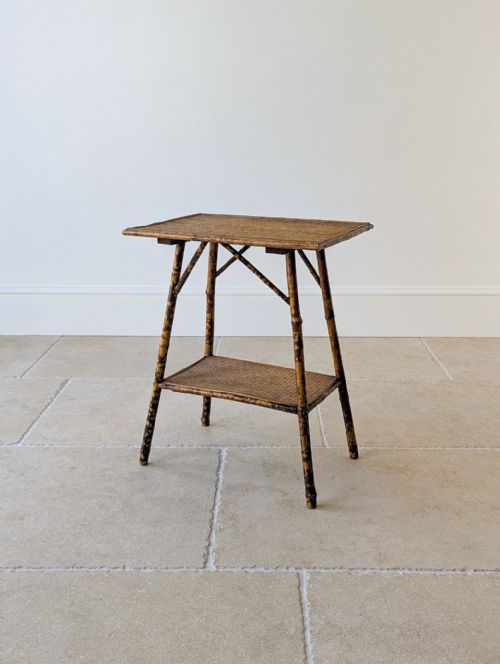
Regency tables lean towards classical architectural restraint, clean mahogany grains and neoclassical proportions. Victorian examples introduce heavier ornamentation, eclectic revivals, bamboo and darker ebonised or marquetry finishes.
Examining the underlying timber framing and the style of decorative carving helps separate the earlier Regency aesthetic from later Victorian production.
Can these tables hold heavy ceramic pots?
Most surviving examples were specifically engineered with sturdy hardwood frames, heavy pedestals or inset marble to support substantial damp soil and pottery. However, checking the tightness of the leg joints ensures structural stability before placing heavy loads.
Using protective saucers underneath pots guards the antique timber against unexpected water seepage.