


Nineteenth Century Oak Table
A nineteenth century oak table brings sturdy timber and honest grain into a room, offering a durable surface built to last.
Nineteenth Century Oak Table
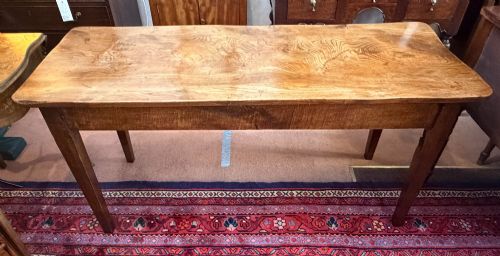
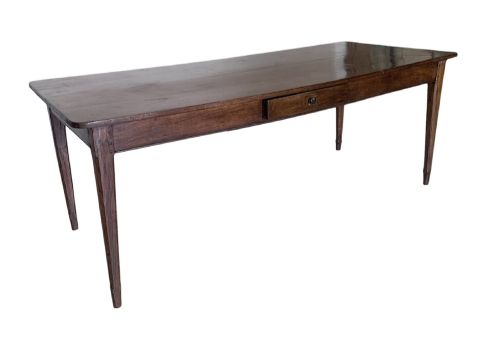
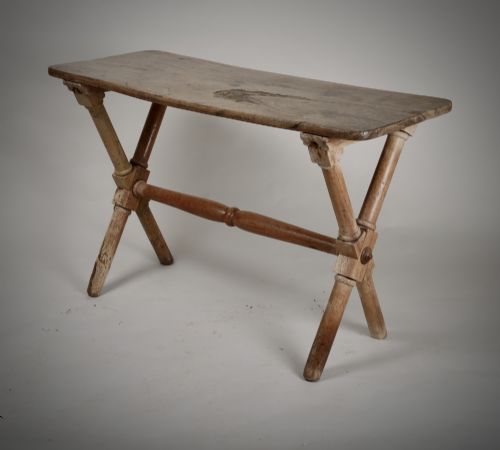
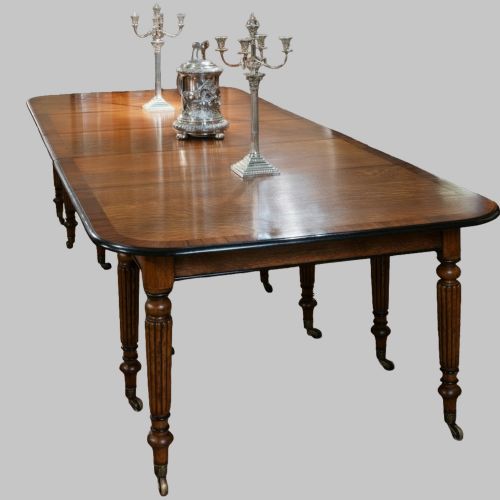
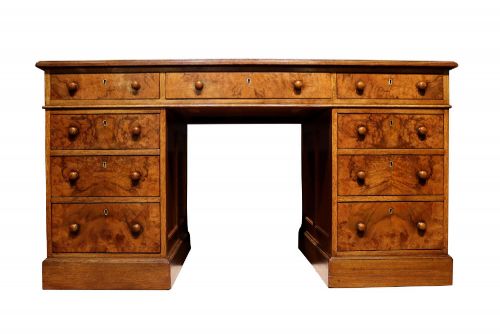
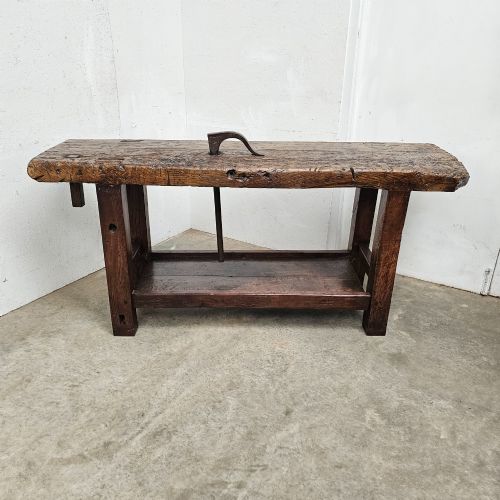
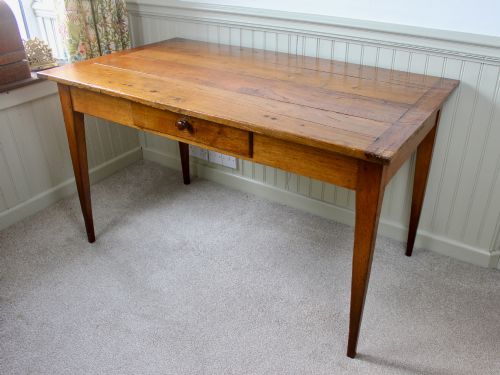
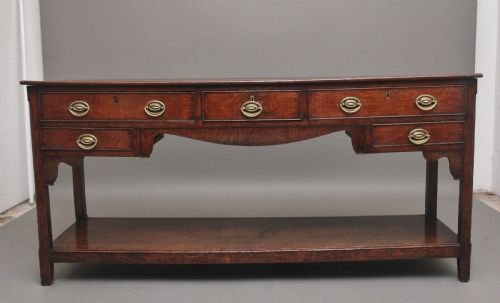
When you search for a nineteenth century oak table, you encounter a wide variety of domestic furniture ranging from rustic farmhouse dining boards to formal Victorian pedestal desks. The evidence shows these pieces span dining tables, side tables, console tables, and writing desks produced throughout the nineteenth century.
You are most likely to meet substantial farmhouse dining tables and pedestal desks within this selection. These pieces reflect both the heavy utility of country houses and the formal office requirements of the Victorian period.
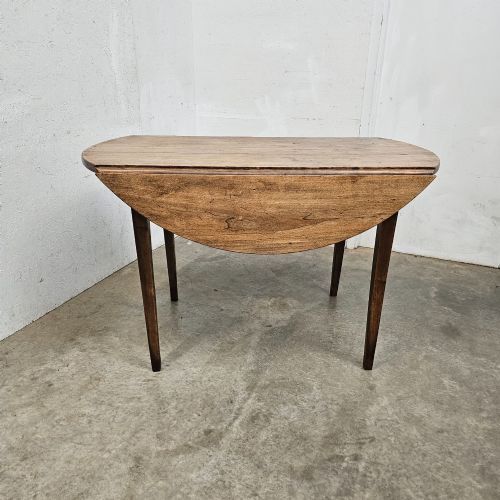
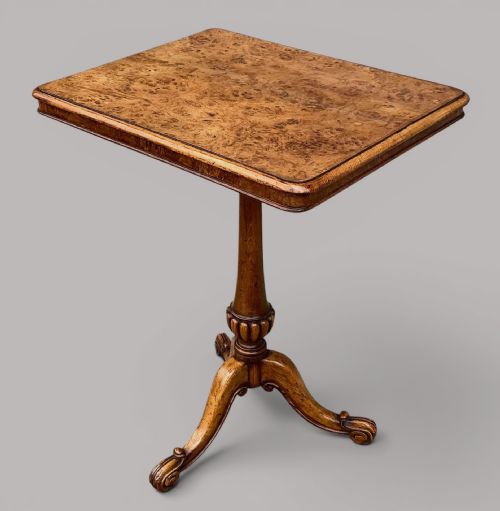
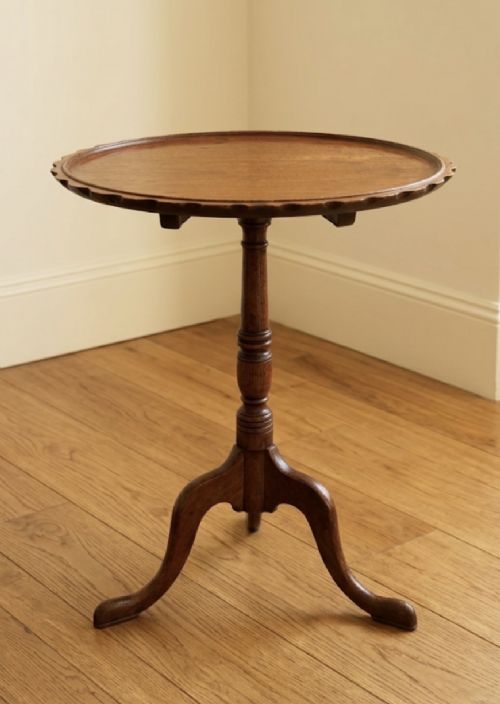
Originating largely from English and French workshops, these tables incorporate secondary woods such as elm, fruitwood, and leather alongside solid oak frameworks. The forms adapt to specific domestic uses, including drop-leaf designs, extending tables, and occasional tripod tables.
Materials and Construction
Cabinet makers constructed these pieces primarily from solid oak, frequently accentuating surfaces with burr oak, pollard oak, or burr walnut veneers to introduce decorative grain patterns. Secondary materials like brass handles, leather writing inserts, and giltwood details appear across desks and console tables.
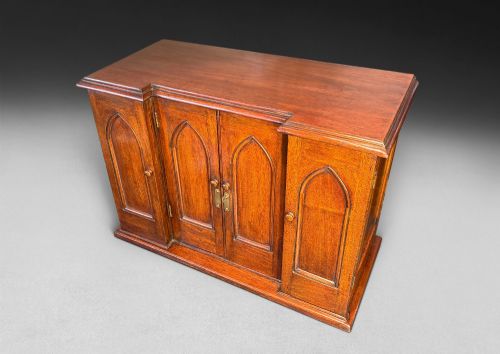
Joinery techniques relied on sturdy framing, sturdy turned and reeded legs, and functional mechanisms such as drop-leaf hinges and extending runners. Carved ornamentation, Gothic influenced panelling, and ebonised finishes demonstrate the diverse stylistic preferences applied to the timber.
A sculptor stand waits patiently for clay, proving nineteenth century makers built surfaces for messy art as well as tidy ledgers.
Markers of Quality
The distinction between standard utility items and superior examples lies in the selection of timber and the precision of the joinery. Tables featuring figured veneers like pollard oak or burr walnut, alongside detailed carving and original brass hardware, represent higher craftsmanship.
Structural integrity and the retention of original surfaces separate the finest pieces from heavily altered ones. Golden oak tones, well-executed carvings, and signed cabinet maker details elevate the standing of a desk or dining table.
Gillows·Deighton And Dunthorne·Payne And Co
The Nineteenth Century Oak Table Glossary
- Oak
- A hard, durable timber native to temperate regions, prized for its strength and prominent grain. It forms the primary structural material for nineteenth century tables and desks.
- Pedestal Desk
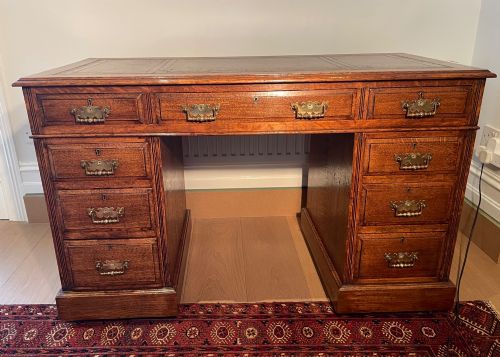
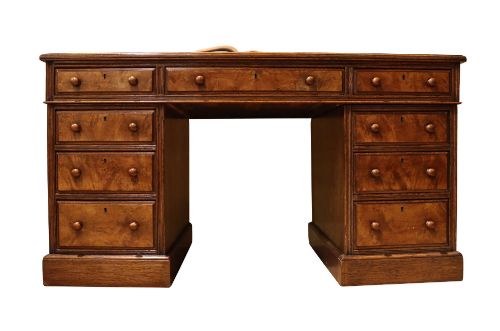
- A large freestanding writing table supported by two banks of drawers rather than four legs. These often feature inset leather surfaces and multiple drawers.
- Pollard Oak
- Timber taken from a tree that has been pollarded, producing dense and highly figured wood with clustered knots. Cabinet makers utilised this for decorative veneering on Regency and Victorian furniture.
- Drop-Leaf Table
- A table with a fixed centre section and hinged flaps on either side that fold down. This design allows the furniture to save space when not in use.
- Gothic Revival
- An architectural and decorative style popular in the nineteenth century, drawing inspiration from medieval forms. Pieces often display pointed arches, tracery, and heavy carved details.
Nineteenth Century Oak Table: Frequently Asked Questions
How do I identify a nineteenth century oak table?
Examine the timber colour, construction joints, and overall style cues to determine age. Nineteenth century pieces often show traditional hand-cut joinery and dense oak grain.
Look for period specific characteristics such as Victorian pedestal configurations or Regency tripod bases. Secondary materials like brass hardware and leather inserts further point to nineteenth century manufacturing practices.
Were these tables used for dining or working?
Tables from this era served multiple functions depending on their form. Large oak boards and drop-leaf versions accommodated meals in country kitchens and dining rooms.
Pedestal desks, partners desks, and writing tables provided dedicated surfaces for administrative tasks and correspondence. Occasional tables held lamps, books, or decorative objects in reception rooms.
How do I care for antique oak furniture?
Maintain the timber by keeping it away from direct heat sources and drastic humidity changes. Consistent environmental conditions prevent the oak from warping or splitting over time.
Apply a traditional beeswax polish occasionally to nourish the grain and protect the surface. Avoid modern silicone sprays that can damage the antique finish.