


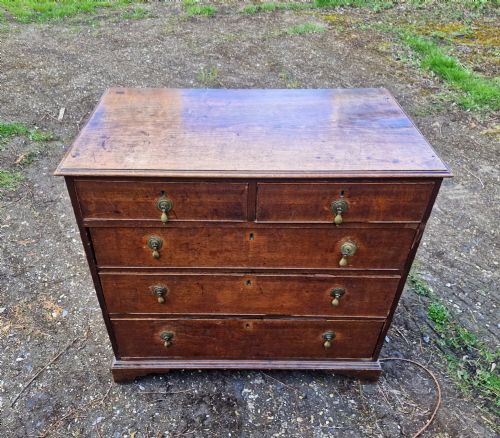


Nineteenth Century Oak Cabinet
A nineteenth century oak cabinet brings solid timber and honest joinery into a room, offering practical storage with deep historical character.
Nineteenth Century Oak Cabinet
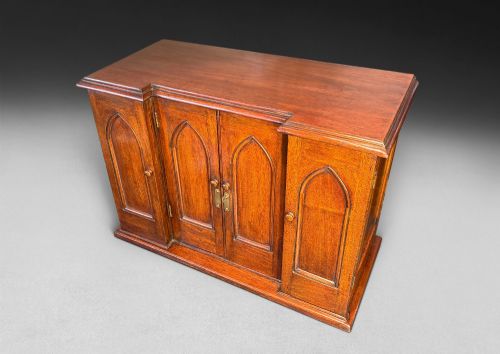
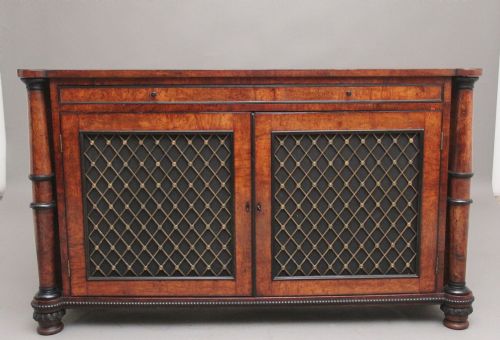
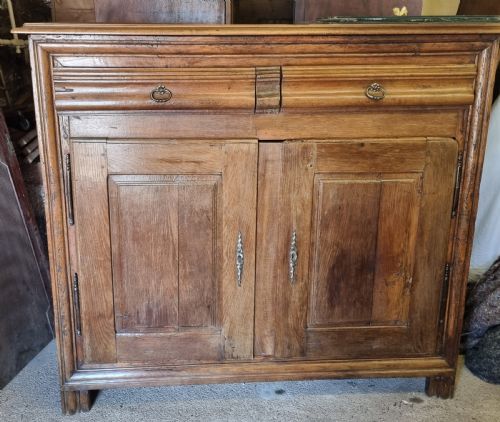
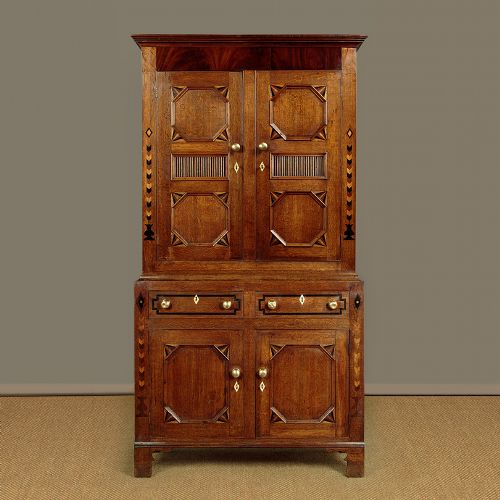
A nineteenth century oak cabinet takes many functional forms, ranging from tall breakfront bookcases and housemaid cupboards to smaller table-top collectors pieces and dwarf bookcases. Regional vernacular work sits alongside formal Victorian revival pieces, demonstrating the broad scope of production during the period.
Makers utilised native and imported timbers, creating sturdy furniture intended for heavy domestic or institutional use. Pieces often display architectural influences, drawing on Gothic revival, Romanesque mannerisms, and French provincial traditions.
Buyers frequently encounter varieties featuring glazed display doors, panelled storage sections, or integrated writing surfaces. The selection spans humble country workshop output and grander library furniture designed for specific architectural settings.
Judging Quality
Quality rests on the selection of timber figures, particularly where pollard oak or contrasting borders are applied to plain oak carcases. Crispness of hand-carving and the integration of architectural details distinguish high-tier workshop output from standard utility pieces.
Structural honesty and original hardware elevate a piece, showing how well the internal shelving, drawers, and locking mechanisms were executed by the original cabinetmaker.
The listings combine 19th-century oak with materials including pollard oak, ebony, fruitwood, brass, and glass across bookcases, armoires, and cupboards.
Bennet of Glasgow·A Blain & Son Liverpool
The Nineteenth Century Oak Cabinet Glossary
- Pollard oak
- Timber taken from trees that were pollarded, producing a highly figured, mottled grain pattern prized for decorative veneers. It adds distinct visual movement to cabinet doors and drawer fronts.
- Breakfront
- A piece of furniture where the central section projects forward from the flanking wings. This architectural layout creates depth in large bookcases and cabinets.
- Fielded panel
- A wooden panel with bevelled or recessed edges sitting within a frame. This traditional construction method accommodates seasonal wood movement without splitting.
- Secretaire
- A cabinet incorporating a pull-down writing drawer fitted with small pigeonholes and inner compartments. It combines desk functionality with enclosed shelving storage.
Nineteenth Century Oak Cabinet: Frequently Asked Questions
What is a nineteenth century oak cabinet used for?
These cabinets serve primarily for book storage, display, and general household organisation across libraries, living spaces, and hallways.
Interior configurations include adjustable shelving, banks of drawers, and enclosed cupboards suited for china, linen, or collections.
How do I style an oak cabinet at home?
Position the cabinet against a neutral wall where the grain and timber tone can act as a natural focal point in the room.
Pair the darker tones of nineteenth-century oak with simple textiles and lighting to highlight the carved details and brass furniture.
How can I tell a Victorian oak piece apart?
Victorian examples often incorporate revival styles like Gothic arches, heavy mouldings, or architectural breakfront designs influenced by contemporary taste.
Construction details such as machine-sawn timber elements or specific brass lock stamps help narrow down the production era.
Are these cabinets difficult to maintain?
Solid oak requires stable indoor humidity levels and occasional treatment with suitable wax to preserve the natural finish of the timber.
Keep pieces away from direct heat sources to prevent the wood panels and applied veneers from drying out or splitting.