

Nineteenth Century Marble
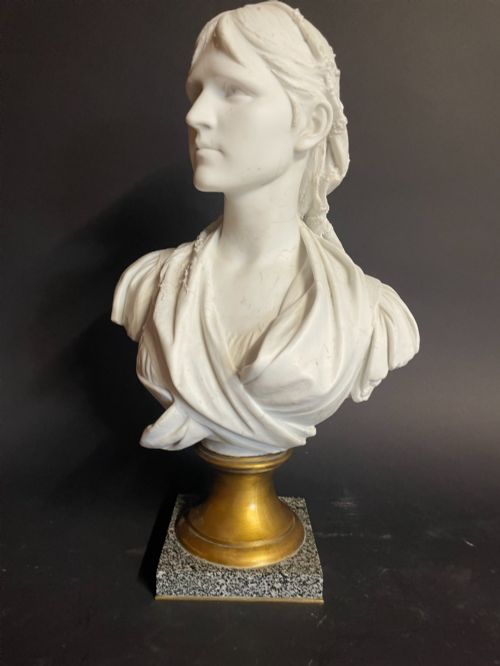
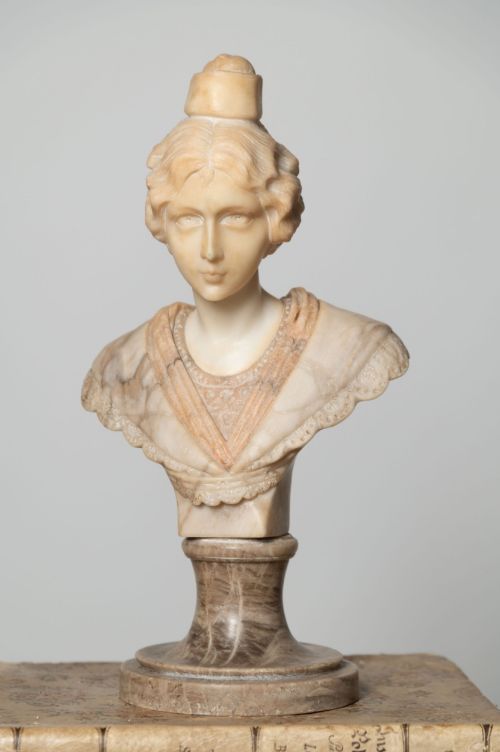
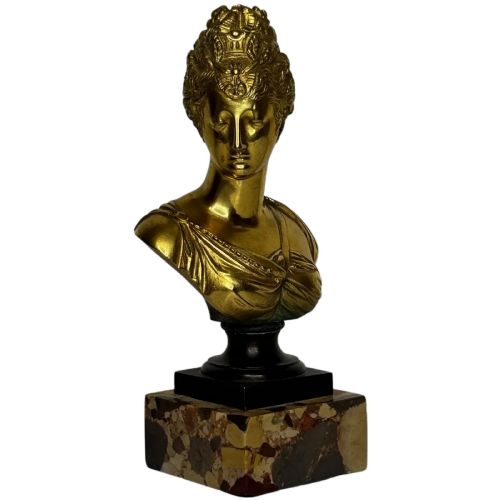
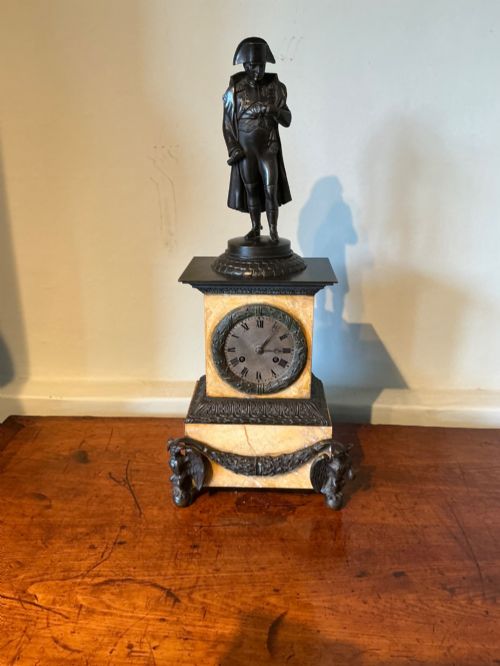
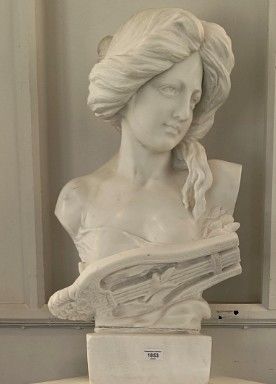
Nineteenth century marble brings classical antiquity and heavy architectural poise into a room through carved busts, console tables and gilt-mounted mantel clocks.
Nineteenth Century Marble
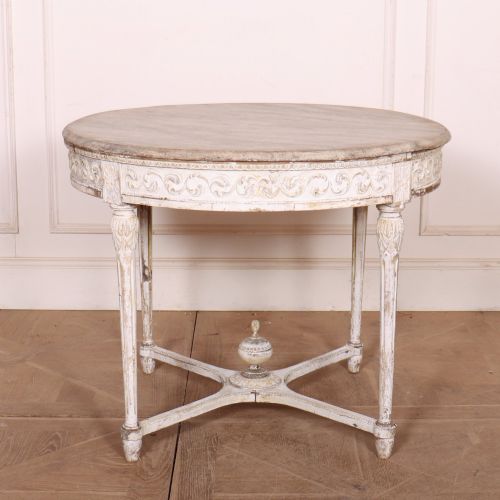
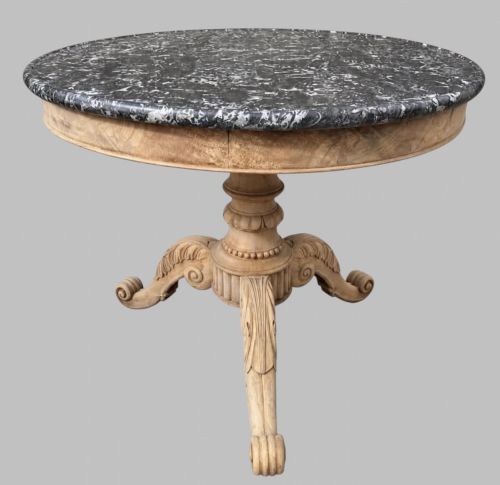
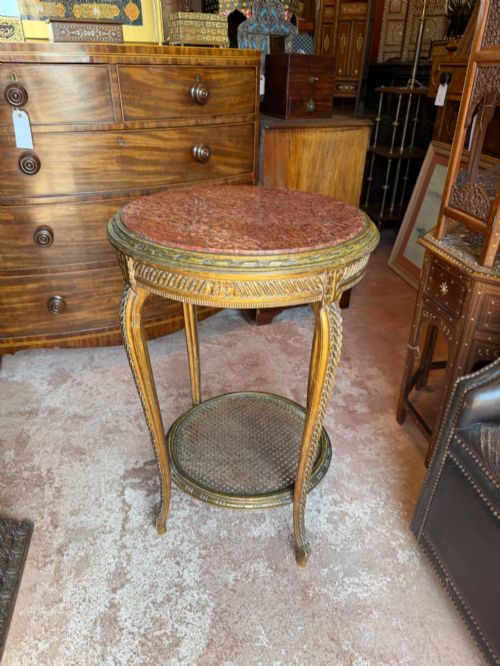
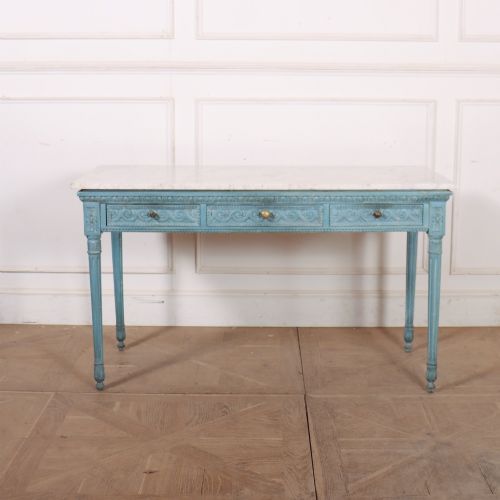
Nineteenth century marble items span functional furniture with stone tops, sculptural busts, and mantel clocks incorporating bronze mounts.
The objects frequently draw on Grand Tour, Neoclassical, and French Empire styles, reflecting a Victorian appetite for classical subjects.
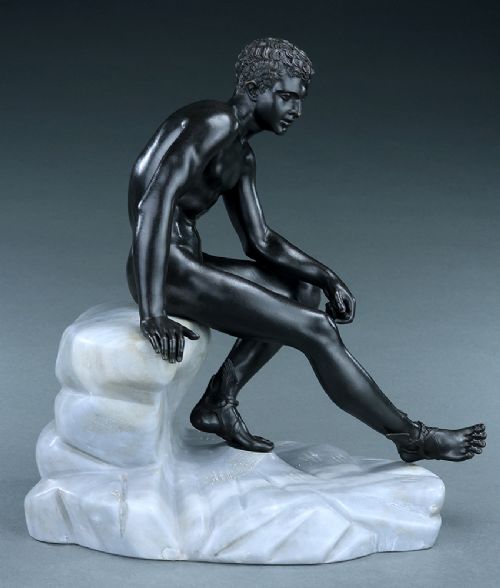
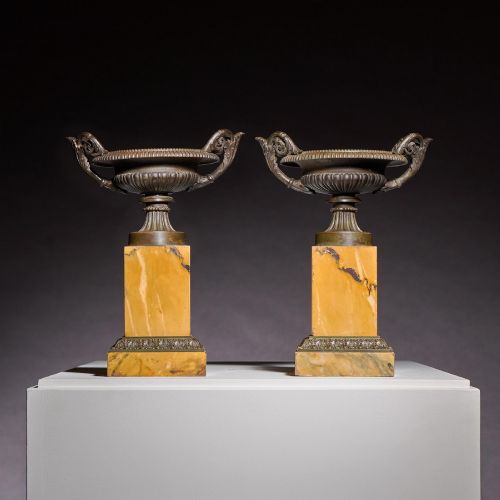
Buyers encounter freestanding tables, tazzas on siena marble bases, and carved figures of mythological subjects.
Materials and Techniques
Carved marble meets cast bronze, brass, or ormolu, often combined in single decorative objects like clocks and tazzas.
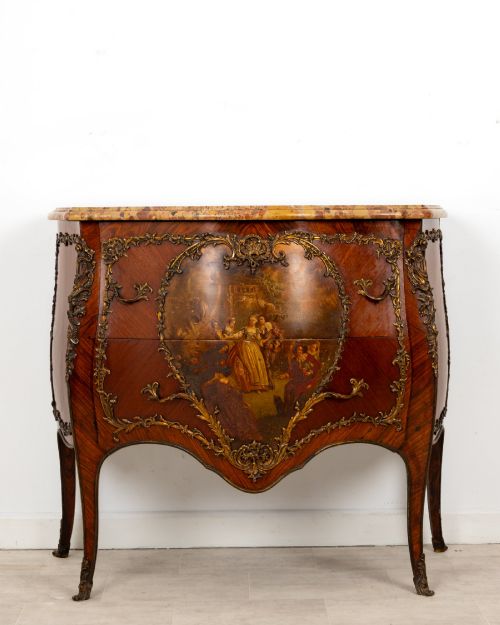
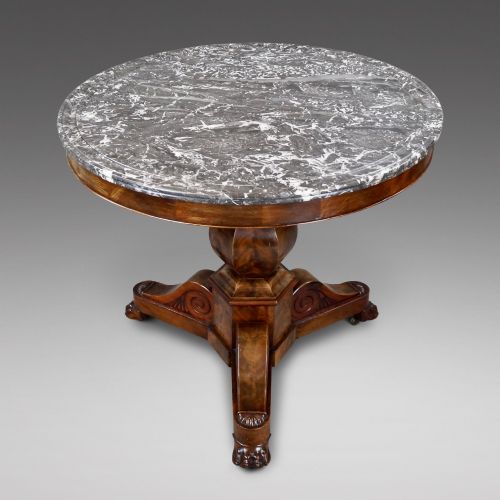
Cabinetry utilises mahogany, walnut, and kingwood carcasses fitted with inset marble surfaces.
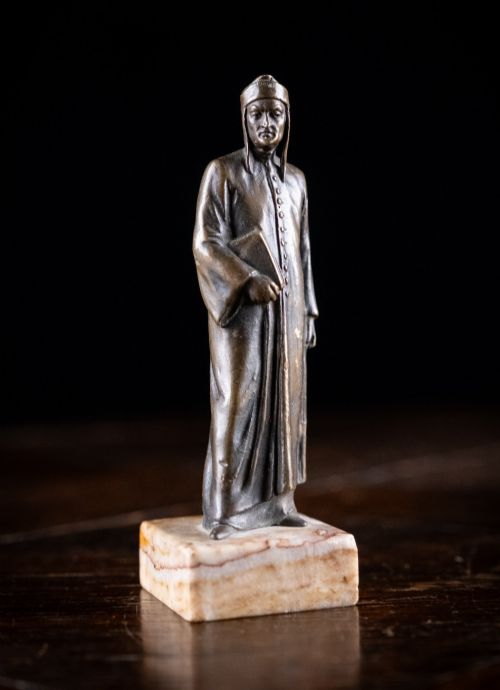
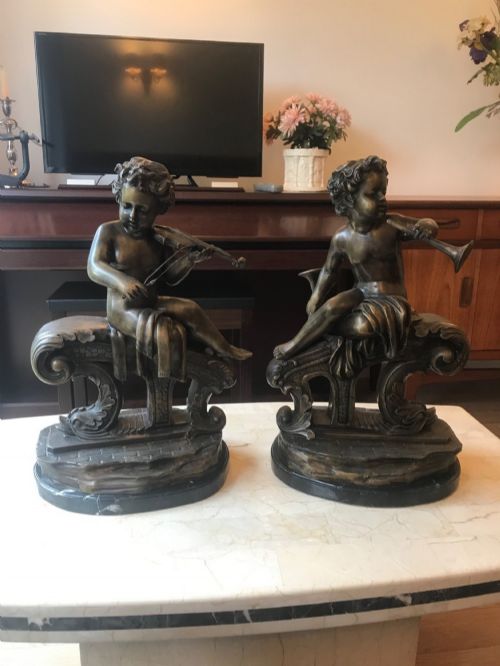
Foundry work produces detailed patinated figures mounted directly onto polished stone plinths.
Listings feature French Empire, Neoclassical, and Egyptian Revival styles alongside Carrara and Siena marble.
Craft and Proportion
Quality rests in the crispness of the stone carving and the weight of the metal casting.
Integration between stone bases and metal figures separates standard decorative pieces from finer studio works.
Eugene Aizelin·Georges Van Der Straeten·Samuel Marti·Edward Holmes Baldock
The Nineteenth Century Marble Glossary
- Ormolu
- Gilded bronze mounted onto furniture or clocks. The technique involves applying a mercury-gold amalgam to cast brass or bronze.
- Gueridon
- A small circular table supported by a central pillar or three legs. These often feature inset marble tops.
- Tazza
- A shallow cup or vase raised on a stem and foot. They appear frequently in siena marble and bronze.
Nineteenth Century Marble: Frequently Asked Questions
How do I clean nineteenth century marble?
Dust surfaces regularly with a soft dry cloth to prevent grit accumulation.
Avoid acidic cleaning agents or household detergents that etch the polished stone.
Where should I place a heavy marble clock?
Ensure the supporting furniture is structurally sound and level to bear the weight.
Keep pieces away from direct heat sources and strong sunlight to protect patinated bronze mounts.
What is a Grand Tour object?
These are sculptures, bronzes, and architectural models purchased by travellers in Europe.
They typically reproduce classical antiquities seen in Italy during the nineteenth century.
How do I identify Neoclassical style?
Look for symmetrical designs inspired by ancient Greek and Roman art.
Motifs include columns, drapery, sphinxes, and mythological figures rendered in marble and bronze.