

Nineteenth Century Mahogany Table
A nineteenth century mahogany table brings deep timber grain and enduring utility into a room, serving as a steadfast surface for dining, writing or display.

Nineteenth Century Mahogany Table
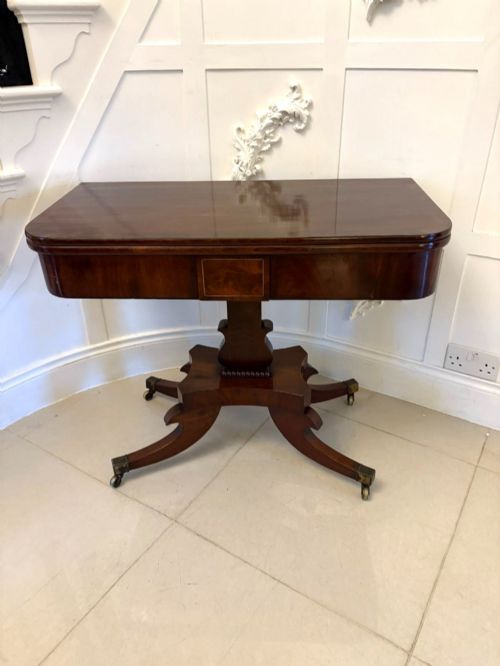
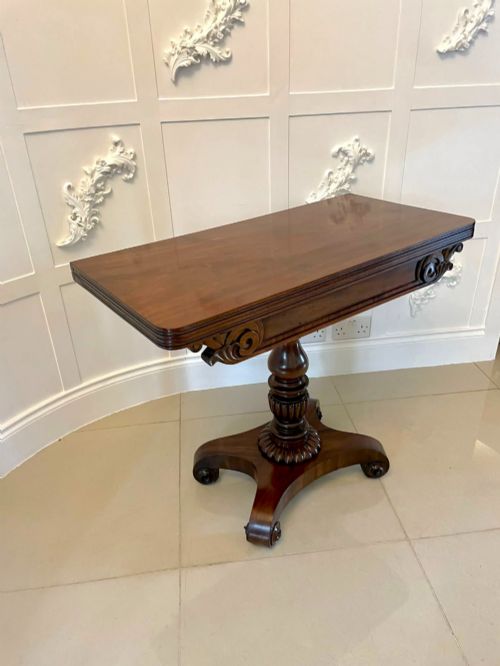
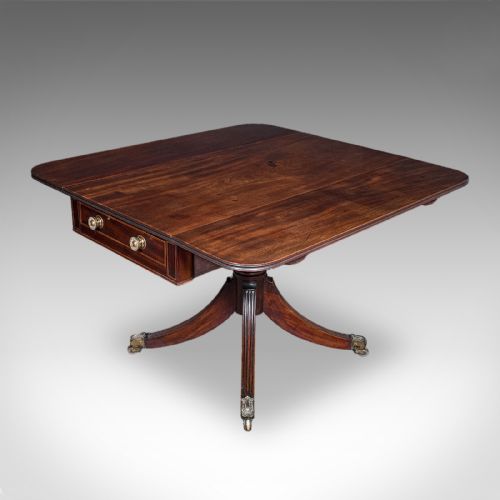
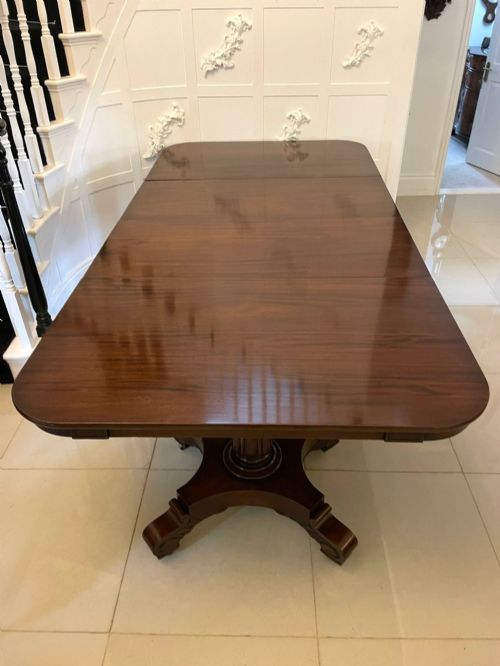
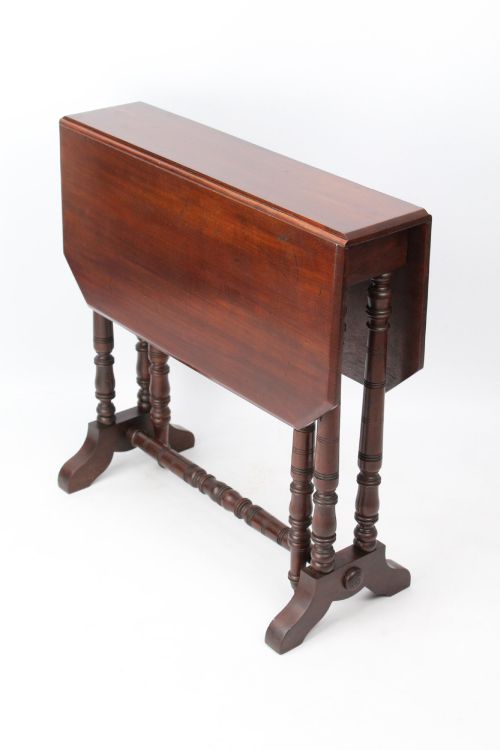
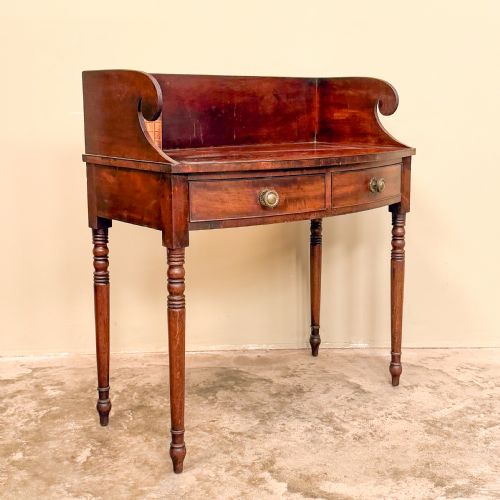
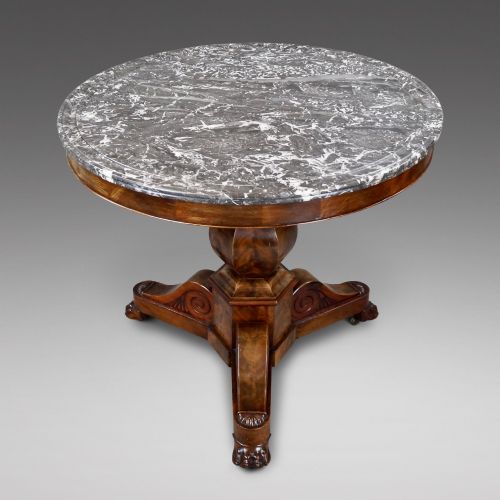
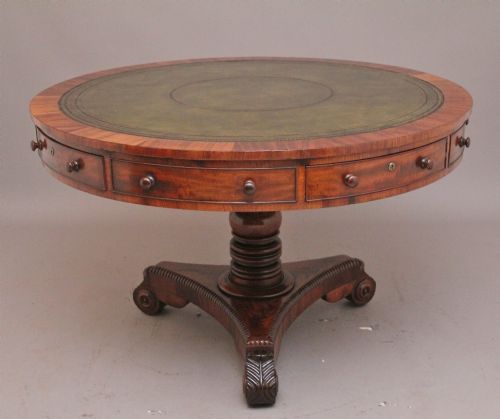
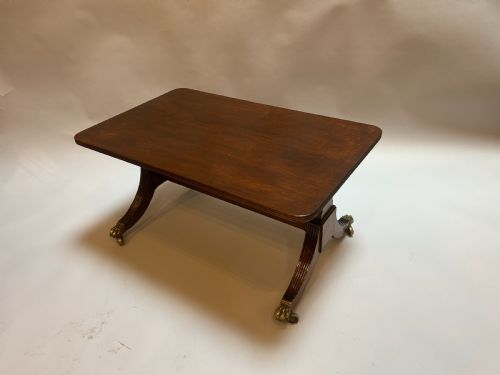
A nineteenth century mahogany table encompasses a diverse array of forms designed for domestic life, ranging from expansive dining tables with multiple leaves to compact pembroke, tripod and console tables. Buyers searching this phrase encounter pieces shaped by Georgian, Regency, William IV and Victorian aesthetics, reflecting changing interior fashions throughout the era.
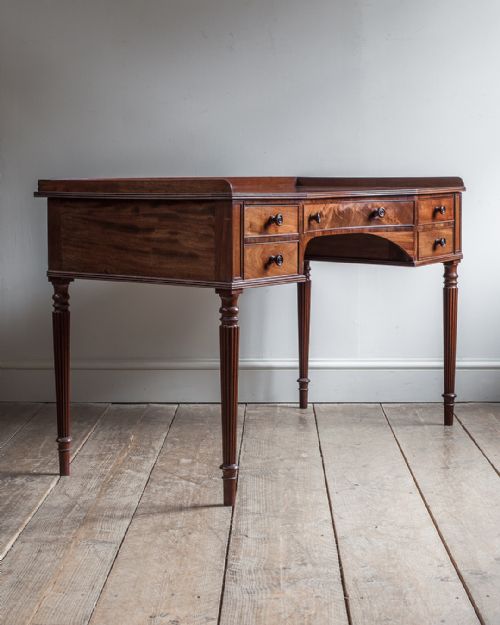
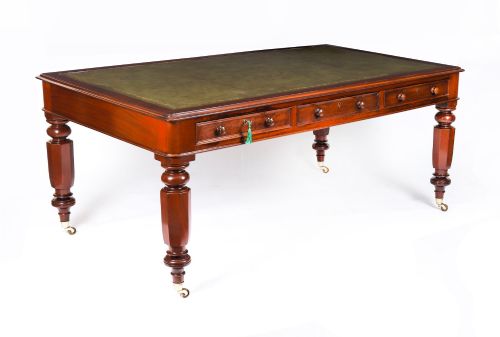
The selection on this page leans heavily towards practical domestic furniture, including pedestal desks, writing tables, tea tables and side tables alongside large dining variants. These objects originate from English, Irish and continental workshops, showing regional variations in turnery, edge moulding and base construction.
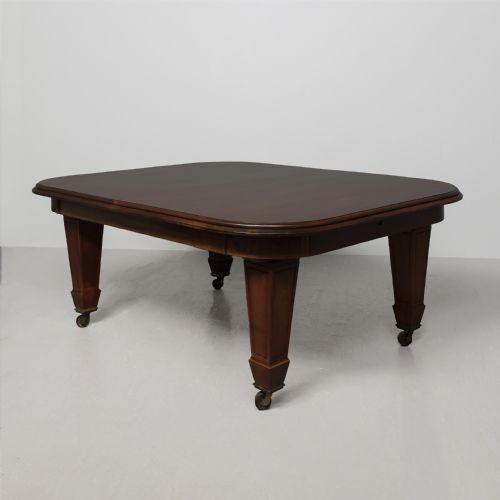
Dining and centre tables dominate the larger formats, while occasional, sewing and work tables provide smaller surfaces suited to parlours and bedrooms. Each form retains the structural integrity imparted by period joinery, adapted specifically for daily use in domestic spaces.
How they were made
Cabinet makers utilised solid mahogany and figured veneers such as flame mahogany, often applied over secondary pine or oak carcases to create rich surface patterns. Timber selection dictated the visual weight of the piece, with dense grain and natural chatoyancy enhanced through hand-applied polishing.
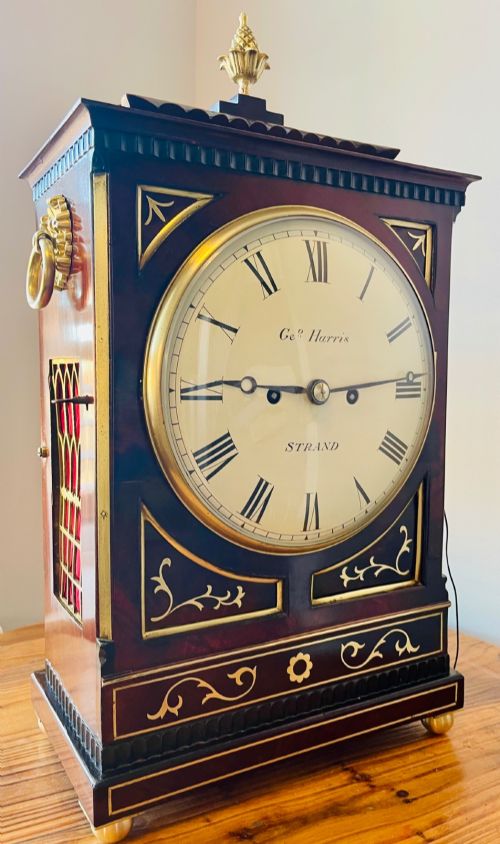
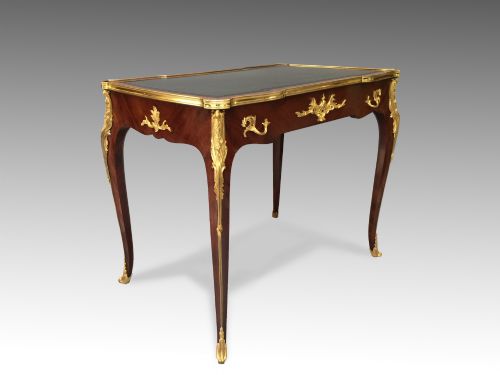
Structural hardware played an integral role, incorporating brass castors, swing handles, drop leaves, and mechanical winding systems for extending dining formats. Secondary materials like leather inserts, marble tops, or ormolu mounts added functional contrast and decorative refinement to desks and centre tables.
Period styles represented include Regency, William IV, Victorian, and French Empire designs spanning from eighteen-ten to the end of the century.
What varies in quality
The distinction between tiers of quality rests primarily on the selectiveness of the timber grain, the crispness of carved mouldings, and the integration of original mechanical components. Pieces featuring highly figured flame mahogany veneer and deeply carved pedestals demonstrate superior workshop execution compared to plainer, utility-grade examples.
Proportional harmony and the survival of original secondary elements - such as brass castors, leather writing surfaces, and matching extension leaves - elevate the standing of a table. Superior construction involves tight dovetail joints and well-balanced pedestals that support weight without sagging.
François Linke·Edwards & Roberts·Wylie & Lochead·Hobbs & Co.·Gillows·Holland & Sons
The Nineteenth Century Mahogany Table Glossary
- Flame mahogany
- A veneer cut from the fork of the mahogany tree, producing a distinctive fire-like, undulating grain pattern. Cabinet makers reserved this timber for the most prominent surfaces of high-status tables.
- Pedestal table
- A table supported by a central column resting on a tripod or platform base rather than four corner legs. This form allowed greater legroom for diners and ease of movement in smaller rooms.
- Pembroke table
- A drop-leaf occasional table featuring hinged flaps on two opposing sides supported by rule joints and swing brackets. It originated in the eighteenth century and remained popular throughout the nineteenth for versatile placement.
- Dumb waiter
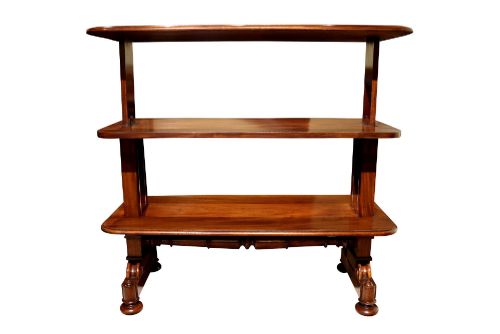
- A tiered circular or revolving stand used to hold dishes or tableware without requiring servant attendance during meals. Examples often feature graduated shelves supported by a central pillar.
- Fusee
- A conical pulley used in clockwork mechanisms within certain specialised table bases to equalize the drive force of the mainspring. It represents advanced horological engineering found in specific table-form timepieces.
Nineteenth Century Mahogany Table: Frequently Asked Questions
How do I care for a mahogany surface?
Maintain the timber by dusting regularly with a soft, dry cloth and avoiding direct exposure to strong sunlight or excessive heat sources that dry out the wood.
Apply a traditional beeswax polish sparingly when the finish appears dry, buffing gently to preserve the natural lustre without building up heavy residues.
Were all nineteenth century dining tables extendable?
Many dining formats utilised pull-out mechanisms or drop leaves to accommodate varying numbers of guests, though fixed-top tables were equally common for smaller rooms.
Extendable versions frequently relied on winding screws or loose leaves stored separately when not in use.
What distinguishes Regency tables from Victorian ones?
Regency pieces often display classical restraint, drawing inspiration from ancient Greek and Roman forms with clean lines, brass inlay and sabre legs.
Victorian examples tend toward heavier proportions, darker finishes and more exuberant carving reflecting subsequent revivalist movements.
Can I use an antique writing table for daily work?
Many nineteenth century desks and library tables were built for intensive administrative tasks, offering sturdy construction and useful storage drawers.
Leather-lined surfaces provide a suitable writing plane, though care should be taken to protect antique finishes from modern dampness or scratches.