




Nineteenth Century Grand Tour
Nineteenth century grand tour objects are sculptural souvenirs and framed artworks bought by travellers abroad, bringing classical antiquity and Renaissance Italy directly into the home.
Nineteenth Century Grand Tour
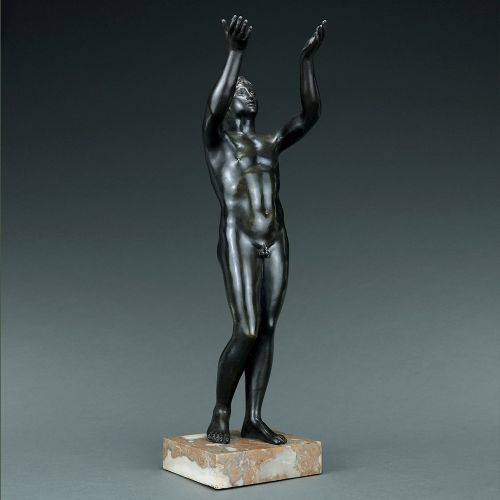
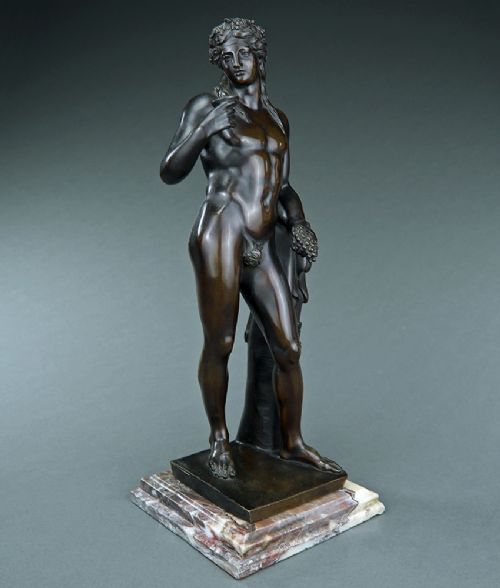
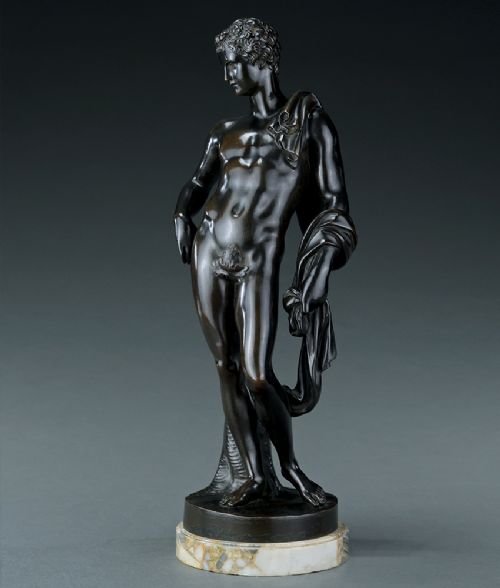
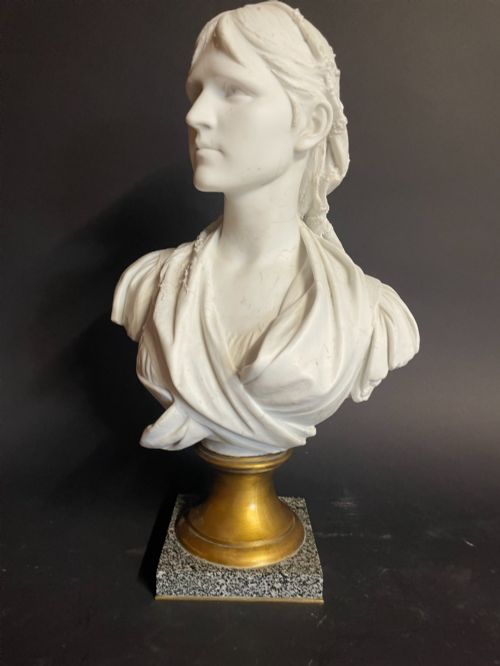
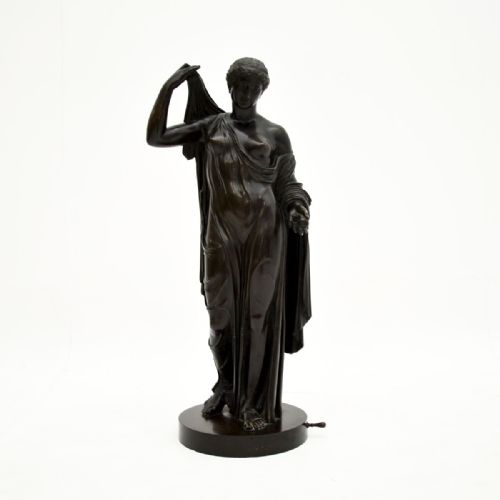
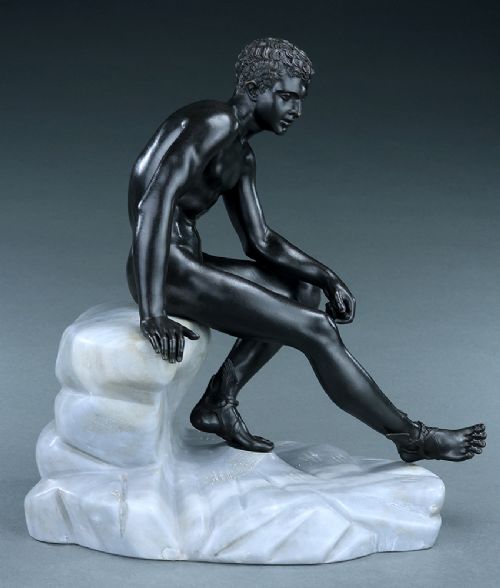
When you search for nineteenth century grand tour pieces, you encounter a specialised genre of travel mementos collected during continental journeys. The selection on this page centres primarily on bronze sculptures, marble plinths, and framed intaglios or watercolours.
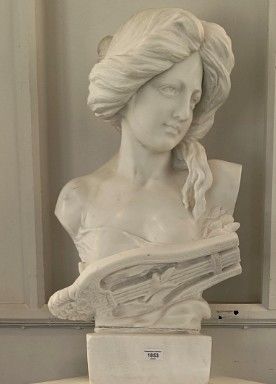
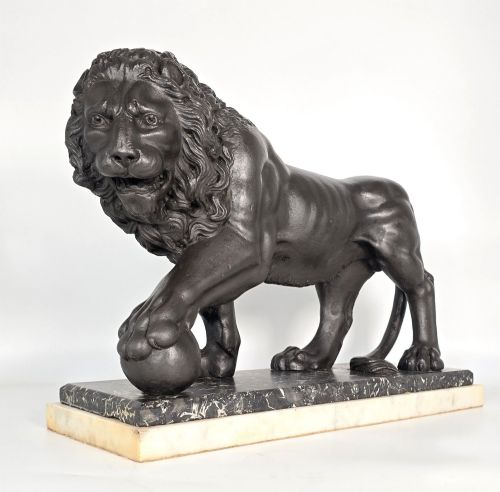
The sculptural forms replicate famous classical antiquities, mythological figures, and Roman rulers. You will frequently find subjects such as the Medici Lion, dancing fauns, and busts of historical or mythological personages mounted on stone bases.
Alongside metal castings, the inventory includes collections of plaster medallions, cameo intaglios set into frames, and landscape watercolours. These items reflect the educational travels undertaken by collectors across Italy and France.
Materials and methods
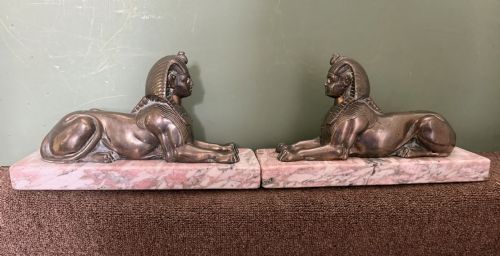
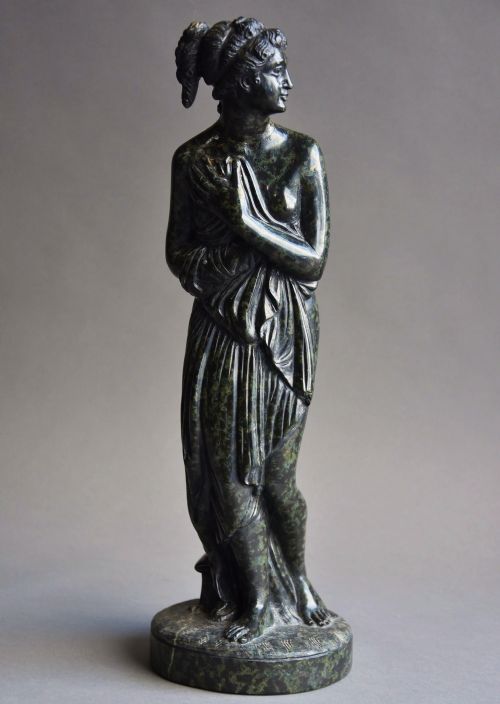
Makers utilised cast bronze with patination to mimic excavated antiquities, often pairing the metal figures with contrasting bases of Siena marble, Carrara marble, or grey marble. Other pieces rely on carved alabaster, serpentine, and terracotta to render classical subjects.
Intricate works like cameo intaglios and plaster cast medallions required meticulous moulding and arrangement within custom frames, preserving miniature details of classical profiles. Watercolours and drawings on paper captured architectural sites and Italian landscapes on location.
Listings feature nineteenth-century materials including bronze, marble, plaster, and watercolour, alongside styles from Neoclassical to Egyptian Revival.
Quality and execution
The selection of support materials also dictates the grade of the piece, with high-quality items utilising genuine ornamental stones such as Siena marble or solid bronze rather than lighter substitute alloys. Furthermore, the quality of the mounting and the preservation of framed intaglio collections determine the overall standard.
Antonio Canova·Giovanni Liberotti·Jean Jules Salmson
The Nineteenth Century Grand Tour Glossary
- Intaglio
- A gem or gemstone carved in incuse so that the design dips below the surface. These were often gathered into framed sets during European travels.
- Patination
- The surface coloration and finish applied to bronze or metal sculptures. Natural or artificial patination protects the metal and simulates age.
- Plinth
- A heavy rectangular or square block of marble, stone, or wood supporting a sculpture. They provide stability and elevate the main figure.
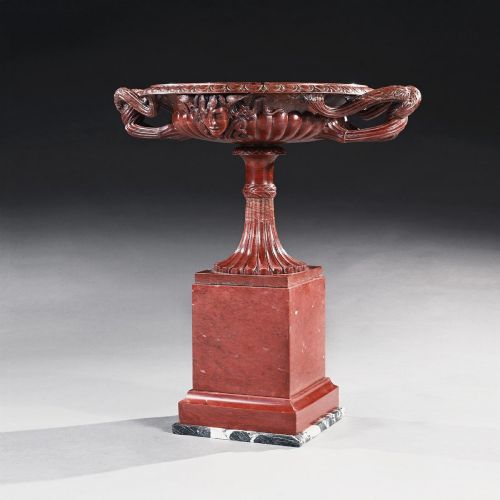
- Tazza
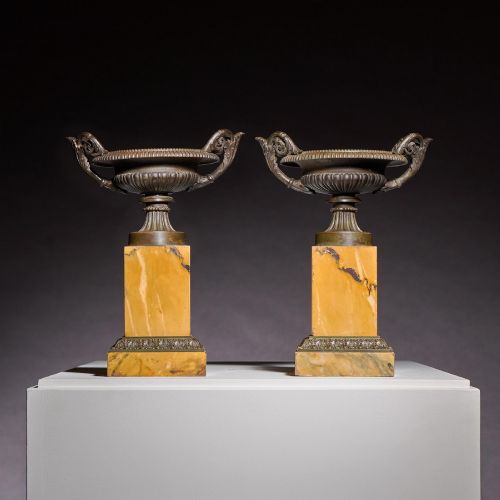
- An ornamental shallow cup or vase set upon a stem and foot. Grand tour examples are frequently fashioned from bronze and marble.
- Ormolu
- Gilt bronze mounted onto furniture, clocks, or decorative objects. The technique involves applying a gold-mercury amalgam to the bronze base.
Nineteenth Century Grand Tour: Frequently Asked Questions
What is a grand tour object?
These pieces are historical souvenirs purchased by wealthy travellers touring cultural centres in Italy and France during the nineteenth century. They served as tangible reminders of classical art, architecture, and sculpture seen abroad.
Collectors typically acquired miniature bronzes, carved marble models, and framed watercolours to display their classical education and refined tastes upon returning home.
How were these souvenirs displayed?
Travellers usually arranged bronze figures, marble obelisks, and stone tazzas on library tables, mantelpieces, or dedicated cabinets. Framed intaglios and watercolour paintings were hung on walls or kept in specialised viewing cases.
Displaying these items signalled a well-travelled household with a deep appreciation for classical antiquity and Renaissance history.
How do I identify grand tour bronzes?
Authentic nineteenth-century pieces often feature dark patination designed to evoke excavated classical antiquities. They are typically mounted securely onto heavy marble or wooden plinths.
Examining the underside and the sharpness of the casting details helps distinguish these period souvenirs from later reproductions.
Are intaglio collections original?
Many intaglio collections consist of plaster cast medallions or carved gemstone impressions systematically arranged in glazed frames. These sets were meticulously catalogued as portable museums of classical sculpture.
Checking the uniformity of the mounting and the precision of the miniature casts indicates the care taken by the original collector.