





Classical Column Sculpture
These classical column sculpture works bring ancient architectural forms into domestic interiors through carved stone, marble, and wood.
Classical Column Sculpture
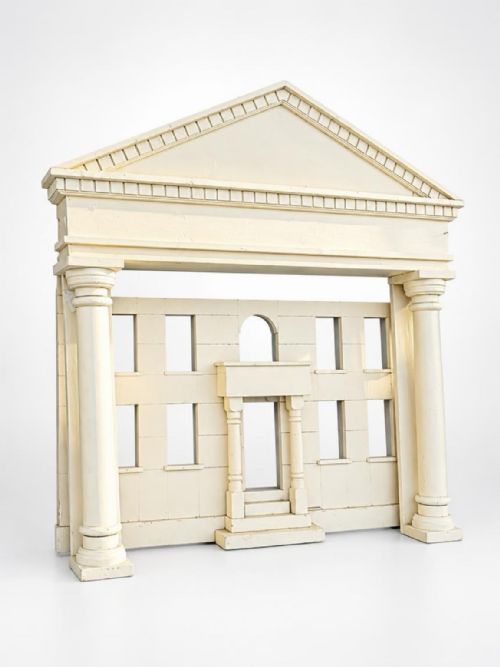
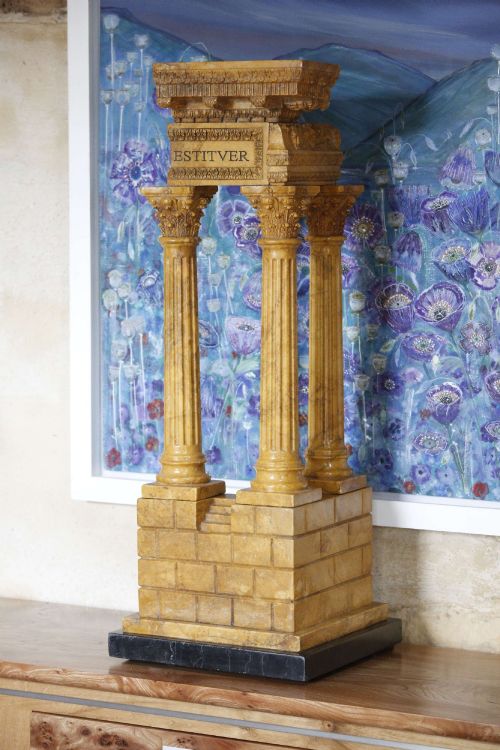
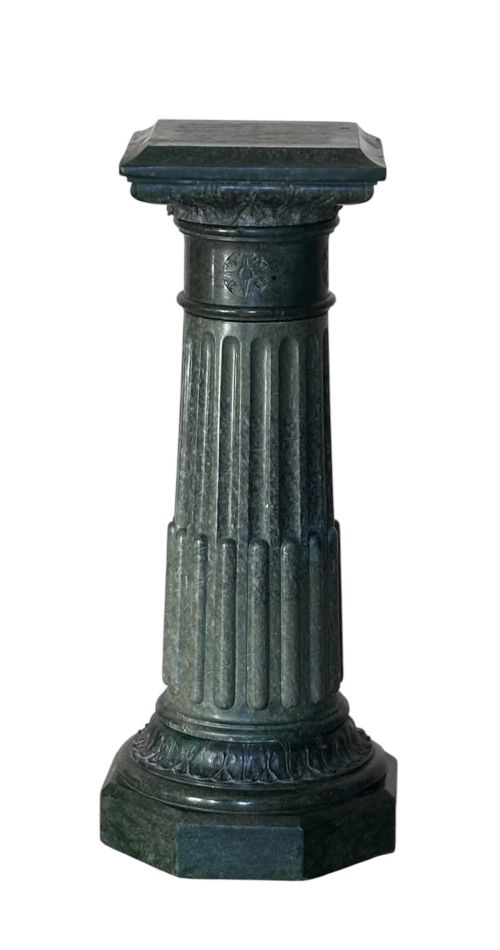
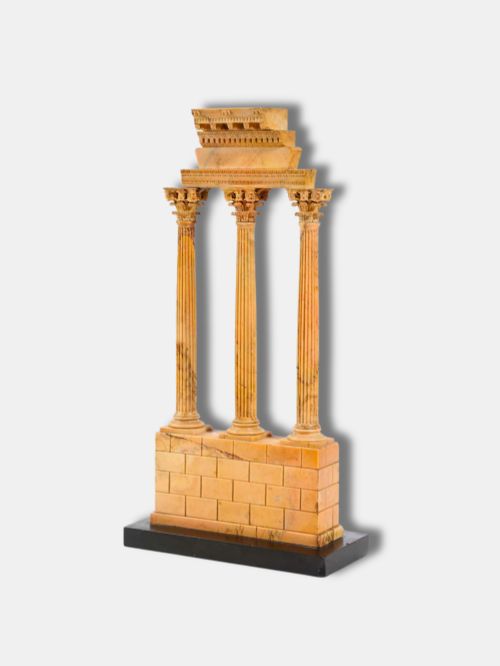
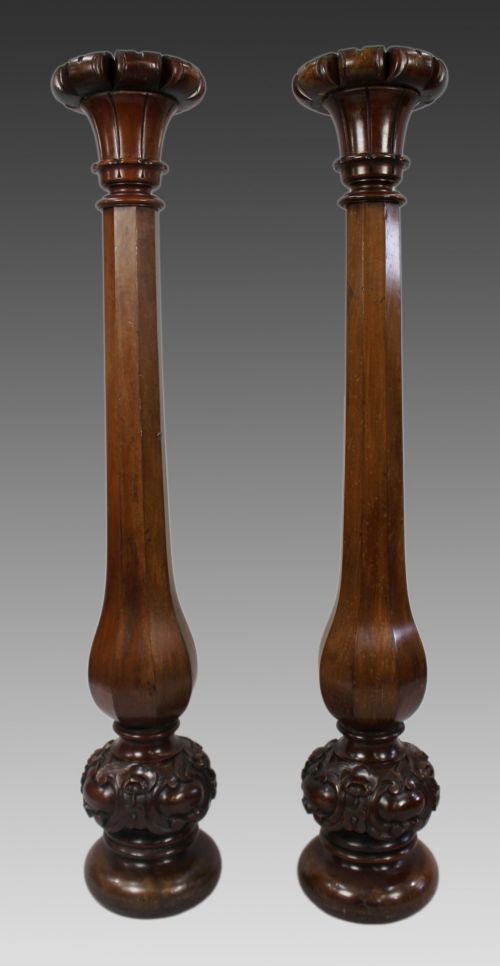
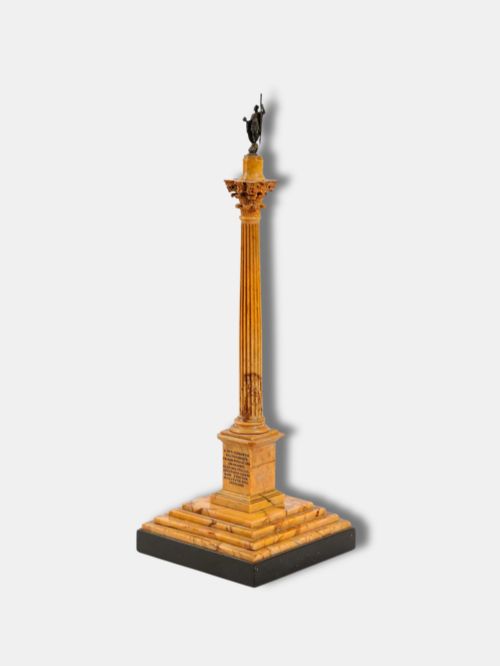
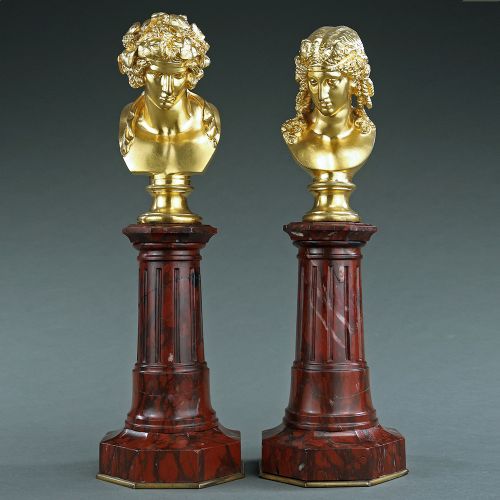
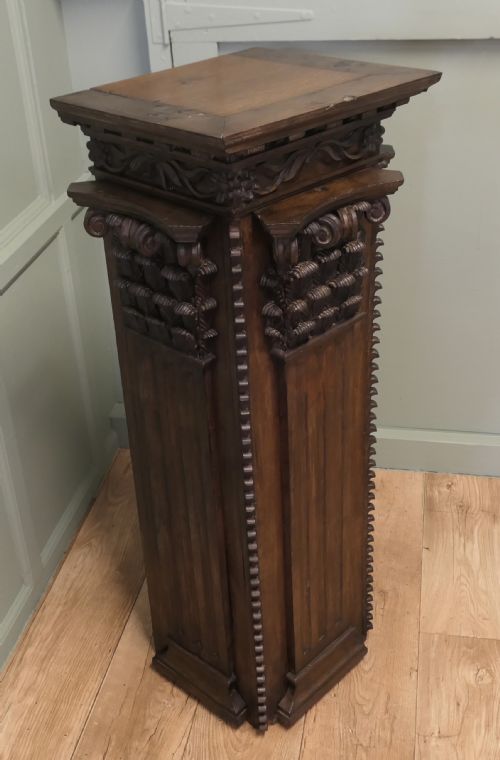
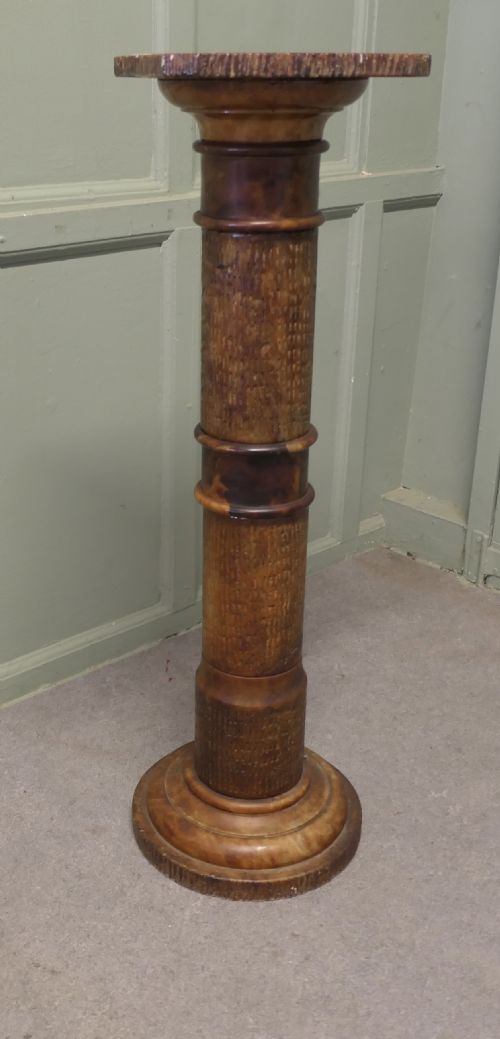
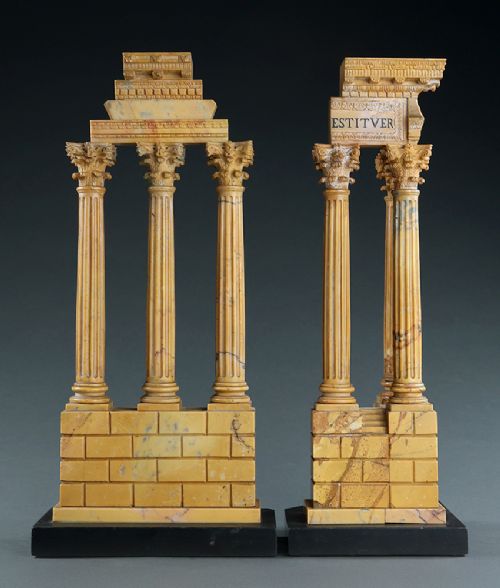
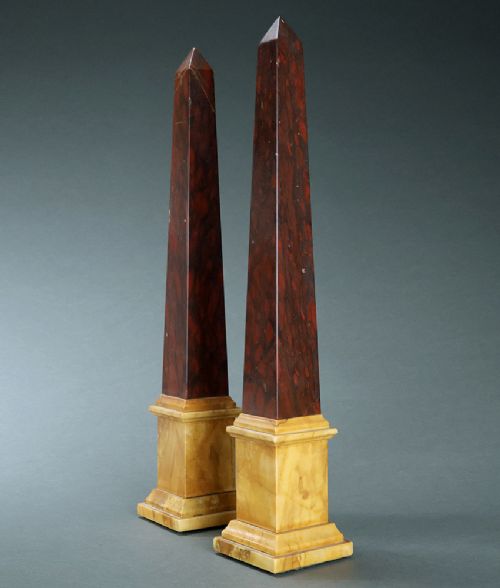
Classical column sculpture encompasses pedestals, display columns, architectural models of ancient temples, and busts mounted on plinths. These pieces trace their lineage to Neoclassical and Grand Tour traditions originating from nineteenth-century Europe.
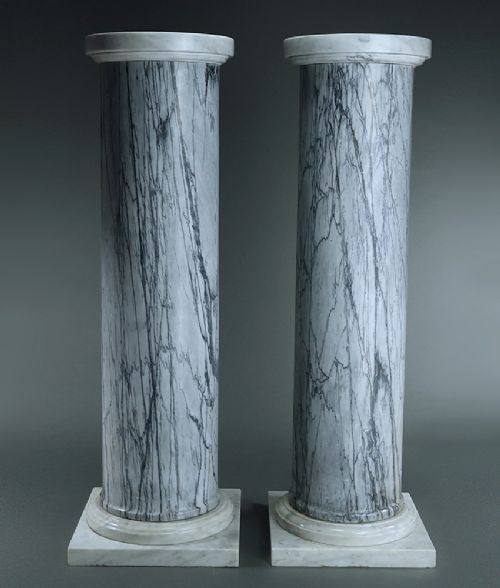
The most frequent items met on this page are marble and wood pedestals alongside carved stone architectural models. Examples range from Victorian mahogany stands to Italian marble columns shaped by classical revival ideals.
Materials and Technique
Craftsmen utilised natural stones including Sienna, Giallo Antico, Bardiglio, Carrara, and Verde Antico marbles, often turning them on lathes or carving them by hand. Timber versions employ mahogany, satinwood, oak, and birch, sometimes featuring painted or faux finishes to mimic stone.
Surface work involves meticulous polishing of variegated marbles and detailed hand-carving of capitals and plinths. Bronze mounts, scagliola, and gilt accents frequently complement the primary stone or wood structures.
Classical Column Sculpture Retail Price Guide 2026
Typical asking prices for classical column sculpture among the pieces listed under this phrase on Sellingantiques today, from the lower quarter to the upper quarter. They describe what is for sale here now, not the wider market.
Listings feature nineteenth-century materials including Sienna marble, mahogany, plaster, and scagliola across pedestals and temple models.
Standards of Execution
The ambition of the piece dictates its standing, moving from simple display pedestals to complex Grand Tour temple models featuring distinct mineral colorations and bronze mounts. Maker attribution, such as signed Regency works, elevates the status further.
Humphrey Hopper
The Classical Column Sculpture Glossary
- Grand Tour
- Souvenirs and architectural models acquired by travellers during cultural journeys through Italy and Europe during the eighteenth and nineteenth centuries.
- Scagliola
- A composite material made from selenite, glue, and pigments, used to imitate marble and other fine stones on architectural elements.
- Neoclassical
- A style reviving the decorative and structural idioms of classical Greece and Rome, prevalent during the eighteenth and nineteenth centuries.
- Capital
- The topmost member of a column, situated directly above the shaft and supporting the entablature.
- Torchere
- A tall stand or pedestal originally designed to hold a torch or candle, later adapted for lamps and sculpture display.
Classical Column Sculpture: Frequently Asked Questions
What are classical column sculptures?
These items comprise architectural columns, display pedestals, and scaled models of ancient ruins fashioned from marble, stone, and wood.
They reflect revival movements that looked back to Roman and Greek antiquities for interior ornamentation.
How were these columns used historically?
Owners placed them in libraries, halls, and drawing rooms to elevate busts, urns, and sculptural works for optimal viewing.
Grand Tour models served as tabletop reminders of travels through historic European sites.
How do I style a pedestal at home?
A column pedestal stands alone as a sculptural object or supports plants, vases, and secondary sculptures.
Placing them in corners or entryways draws the eye upward and introduces architectural structure to a room.
How do I distinguish marble types?
Marble varieties present distinct veining and coloration, such as the yellow tones of Giallo Antico or the deep green of Verde Antico.
Faux marble and scagliola imitate these natural mineral patterns through painted surfaces or composite pastes.