



Grand Tour Architectural Model
These grand tour architectural model pieces capture classical antiquity in miniature, offering travellers and collectors enduring fragments of ancient Rome.
Grand Tour Architectural Model
A grand tour architectural model represents famous classical buildings, columns, and triumphal arches collected by wealthy travellers during their European journeys. These decorative objects bring the monumental scale of ancient Rome and Italian architecture down to domestic proportions.
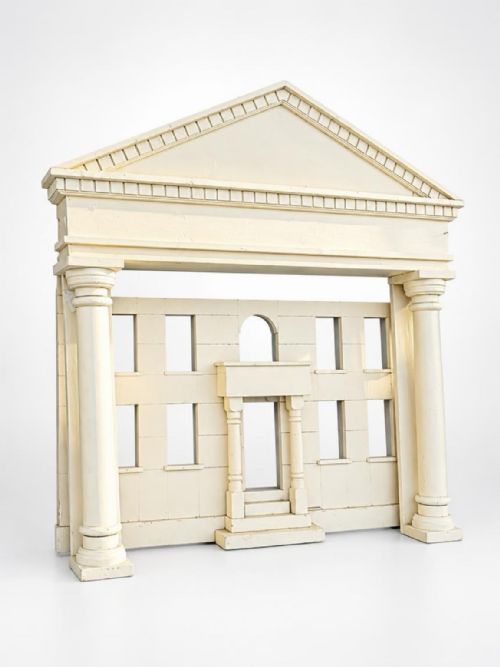
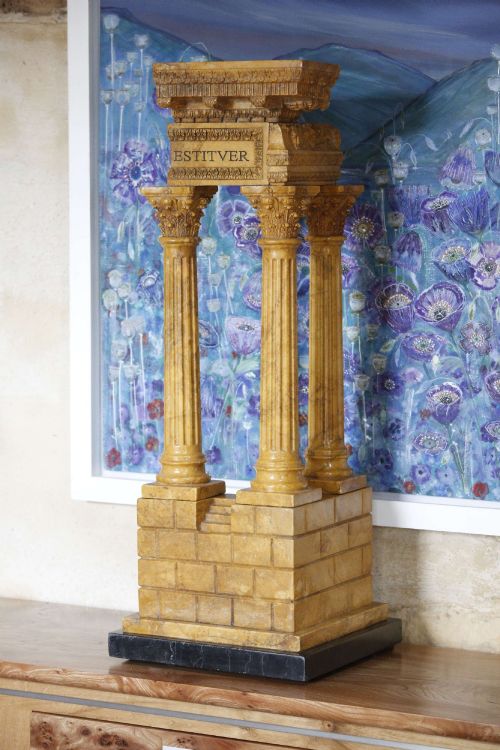
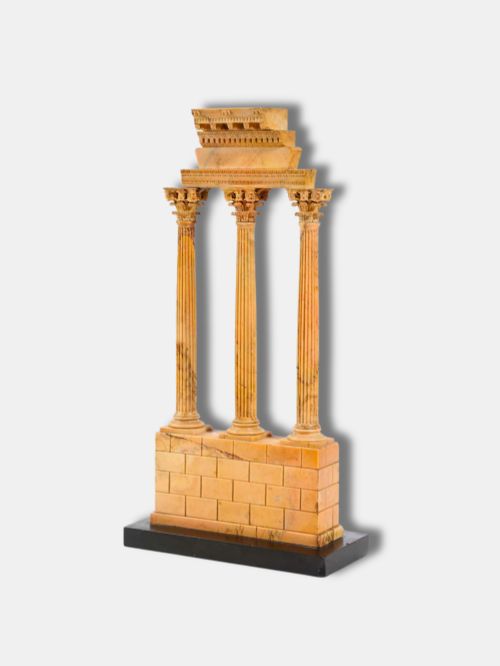
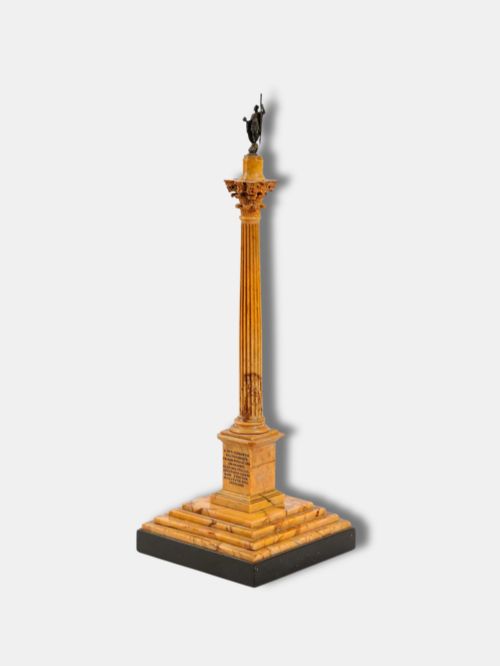
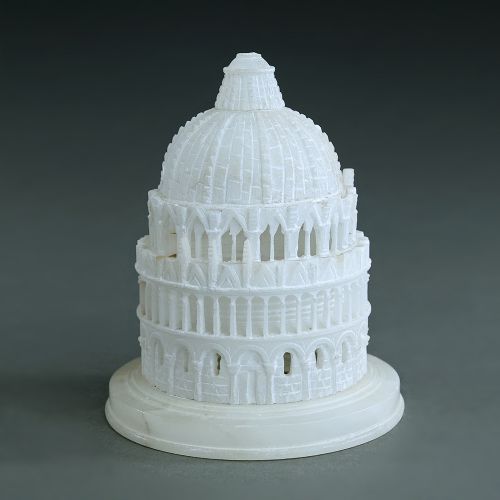
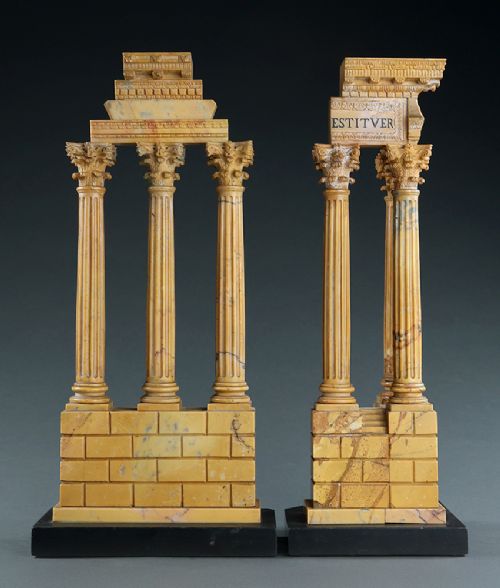
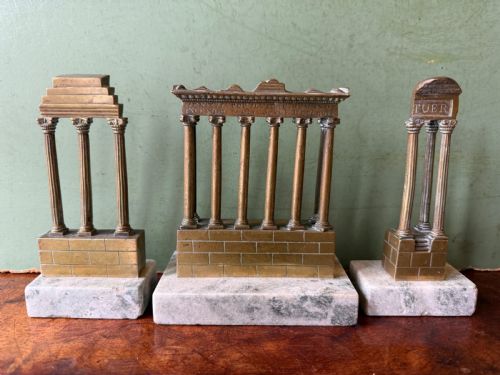
The pieces seen here include specific historical subjects such as the Phocas Column, the Temple of Castor and Pollux, the Baptistery of St. John, and the Vendome Column. Alongside these specific monuments, buyers encounter architectural temple ruins, obelisks, and occasional decorative structures like pagodas.
Most examples originate from Italy and France, spanning the nineteenth century from eighteen hundred up to nineteen twenty. They serve as sophisticated mantle ornaments and library decorations, reflecting the classical tastes of their original owners.
Materials and construction methods
Various marbles, including black marble, giallo antico, and siena marble, alongside alabaster and slate, provide the varied polychrome surfaces characteristic of specimen stonework. Painted wood appears in specific regional forms, adding alternative textures to the selection.
Grand Tour Architectural Model Retail Price Guide 2026
Typical asking prices for grand tour architectural model among the pieces listed under this phrase on Sellingantiques today, from the lower quarter to the upper quarter. They describe what is for sale here now, not the wider market.
Travellers carried home miniature pagan temples in their luggage, ensuring their drawing rooms possessed proper divine protection.
Distinctions in execution and material selection
Superior examples demonstrate meticulous attention to architectural proportions and crisp detailing in the casting of bronze or the carving of stone. Finer pieces use high-grade specimen marbles that display rich natural veining and accurate colouration.
Lower tiers of quality often show simplified surface ornament, softer definition in architectural mouldings, or less selective stone pairing. The precision of the miniature capitals and the accuracy of the historical subject matter separate standard souvenirs from masterworks.
The Grand Tour Architectural Model Glossary
- Grand Tour
- A traditional journey of Europe undertaken by upper-class European young men of sufficient status to flourishto study arts and antiquity.
- Giallo Antico
- A yellow antique marble prized by the Romans and utilised in nineteenth-century models for its rich golden tones and dark veining.
- Siena Marble
- A decorative yellow marble quarried in Tuscany featuring deep purple or brown brecciated markings that add dramatic contrast.
- Specimen Marble
- A piece constructed from multiple distinct varieties of coloured stone, often assembled to showcase geological diversity.
- Alabaster
- A fine-grained, translucent stone used by sculptors to simulate the smooth surface of ancient white marble architecture.
Grand Tour Architectural Model: Frequently Asked Questions
What is a grand tour architectural model?
These pieces are miniature replicas of famous ancient ruins, temples, and columns collected by travellers during the nineteenth century. They served as tangible reminders of classical education and European journeys.
Makers constructed them from durable materials like bronze, marble, and alabaster to replicate the grandeur of historic sites in domestic spaces.
How were these models used historically?
Travellers displayed these objects in studies, libraries, and drawing rooms as conversation pieces and markers of scholarly taste. They demonstrated the owner's familiarity with classical architecture and Mediterranean history.
Today, they function as sculptural ornaments that anchor traditional or eclectic interior schemes with historical gravitas.
Where were these architectural models made?
Italian and French workshops produced the majority of these souvenir pieces to satisfy the demands of foreign visitors touring classical sites. Rome and Florence served as primary centres for stone-cutting and bronze-casting artisans.
Local craftsmen catered directly to tourists by recreating prominent local monuments in miniature portable formats.