

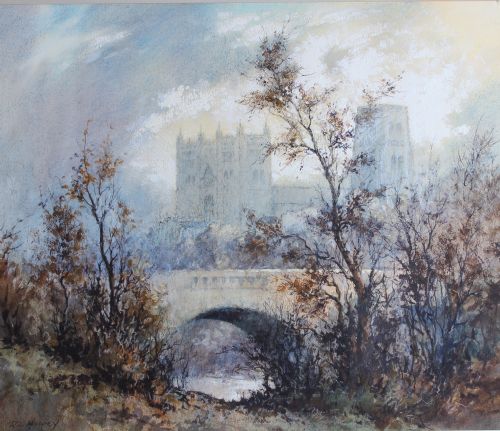


Antique Architectural Study
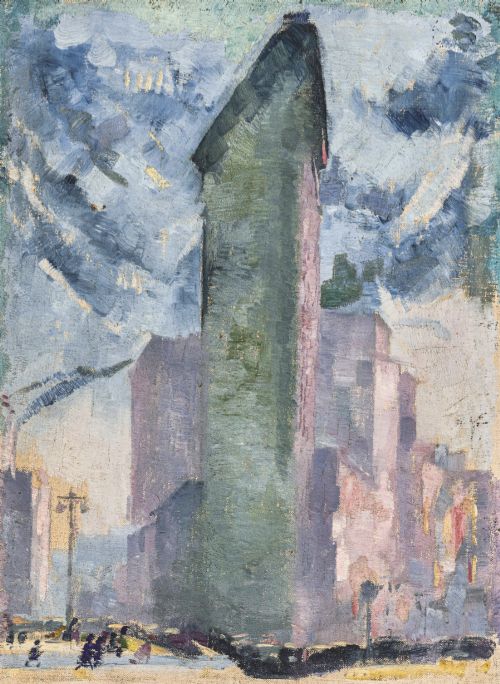
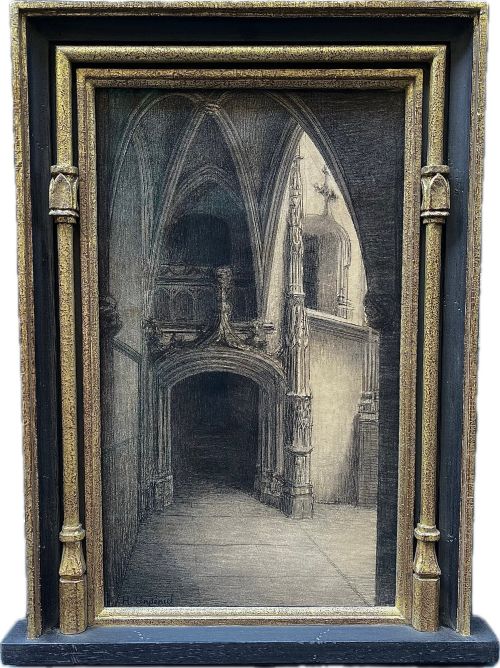
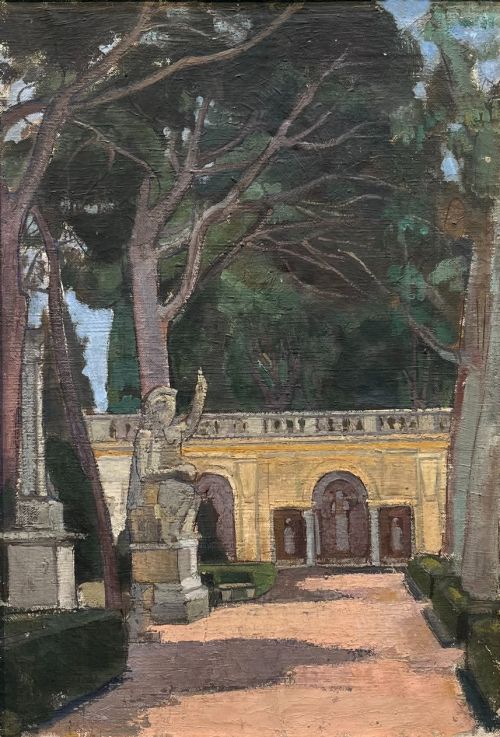
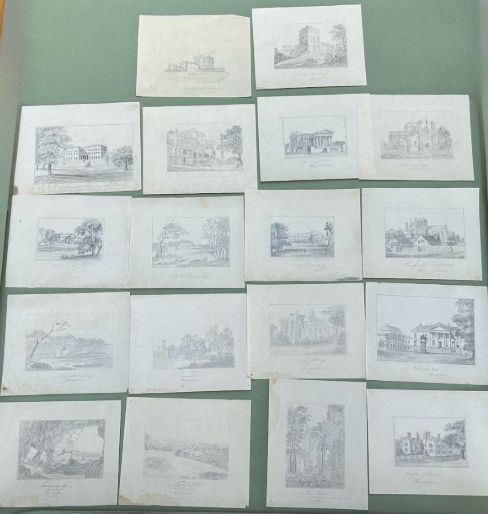
These framed watercolours, pencil drawings and oil paintings capture historic facades, interiors and structural details across centuries.
Antique Architectural Study
An antique architectural study records buildings, ruins, and interior spaces through media ranging from pencil and ink to watercolour and oil paint. These works encompass grand European cathedrals, classical orders, and domestic structures drawn on location or rendered as design plates.
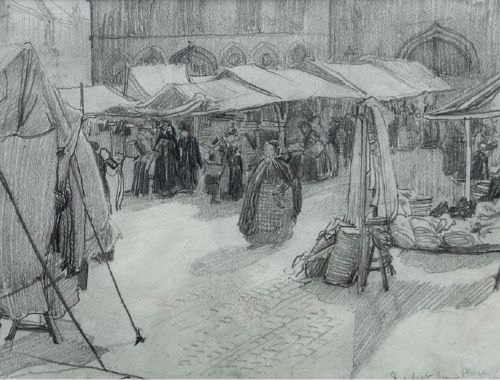
The material on this page frequently takes the form of nineteenth-century watercolours and early twentieth-century drawings. Buyers encounter detailed renderings of British abbeys, Italian ruins, and street scenes alongside bespoke cabinet and tile designs.
Grand Tour subjects and cathedral interiors dominate the selection, reflecting a historical fascination with classical and Gothic forms. Pieces vary from rapid academic sketches to highly finished paintings intended for exhibition.
Materials and Technique
Draftsmen and painters utilised paper, canvas, and wood panels as grounds for graphite, ink, watercolour, pastel, and oil paint. Watercolours often combined monochrome ink underdrawing with translucent washes to delineate stonework and shadow.
Pencil sketches and academic drawings rely on precise line work and hatching to establish perspective and masonry texture. Artists applied gold leaf or gouache selectively on certain plates to highlight architectural ornamentation and decorative schemes.
Several artists preferred to sketch damp cathedral vaults while shivering in unheated European chapels.
Assessing Quality
Draftsmanship and spatial accuracy distinguish superior examples from routine student exercises. The strongest works demonstrate a secure grasp of perspective, proportion, and the play of light across complex masonry or decorative surfaces.
Context and documentation elevate individual pieces. Signed works by recorded artists, sheets bearing contemporary inscriptions regarding specific buildings, and studies with clear provenance offer greater historical resonance.
Henry Percy Huggill·Thomas Ellison·Alfred Wolmark·Henri Charles Angéniol·Robert Leslie Howey·Pio Panfili·Sir Francis Leggatt Chantrey·Tom Dudley·Frank Moss Bennett·William James Boddy·Edwin Ridsdale Tate
The Antique Architectural Study Glossary
- Grand Tour
- A traditional cultural excursion of Europe undertaken by upper-class young European men of the eighteenth and nineteenth centuries to absorb classical antiquity and Renaissance art.
- Gothic Revival
- An architectural movement beginning in the mid-eighteenth century in England that drew inspiration from medieval forms rather than classical antiquity.
- Corinthian Order
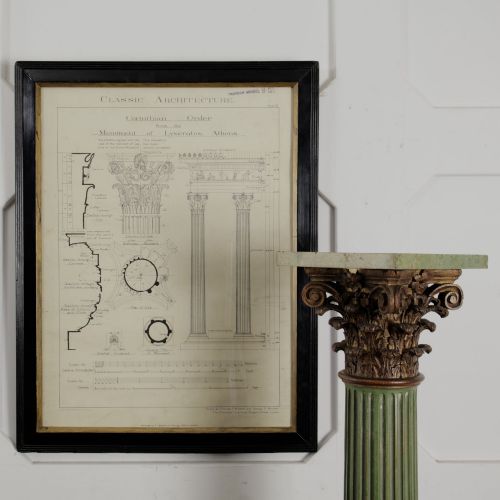
- The last and most ornate of the classical orders of architecture, characterised by slender fluted columns and ornate capitals decorated with acanthus leaves.
- Wash
- A thin, semi-transparent layer of watercolour paint or diluted ink applied to paper to create smooth areas of tone or sky.
- Monochrome
- Executed in a single colour or shades of a single colour, typically black or brown ink on paper.
Antique Architectural Study: Frequently Asked Questions
What is an architectural study?
An architectural study is a drawing, painting, or print executed by an artist to record the design, structure, or decorative details of a building. These works range from rapid on-site observations to finished topographical watercolours intended to document historic monuments.
Creators utilised these studies to understand historical styles, prepare larger canvases, or record foreign structures encountered during travels abroad.
How were these drawings used?
Artists, architects, and travellers produced these works for various purposes, including travel documentation, design preparation, and academic training. Many watercolours served as visual records of significant European cathedrals and classical ruins.
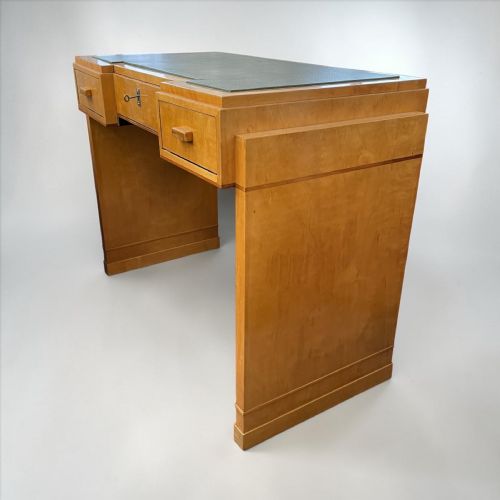
Others functioned as working drawings for interior decoration, tile layouts, or cabinetry before translation into physical materials.
How do I date an architectural drawing?
Dating relies upon stylistic evidence, artist signatures, framing materials, and contemporary inscriptions noted on the reverse or mount of the paper. Paper stocks, watermarks, and ink characteristics further assist in establishing the period of execution.
Comparative examples by the same hand or documentation relating to the depicted building provide additional chronological markers.
How should I frame and display them?
Works on paper require conservation mounting using acid-free materials to prevent discolouration and degradation over time. Glazing with UV-filtering glass protects delicate watercolour pigments and inks from fading under ambient light.
Placement away from direct sunlight and high humidity ensures the preservation of fragile paper grounds and painted surfaces.