

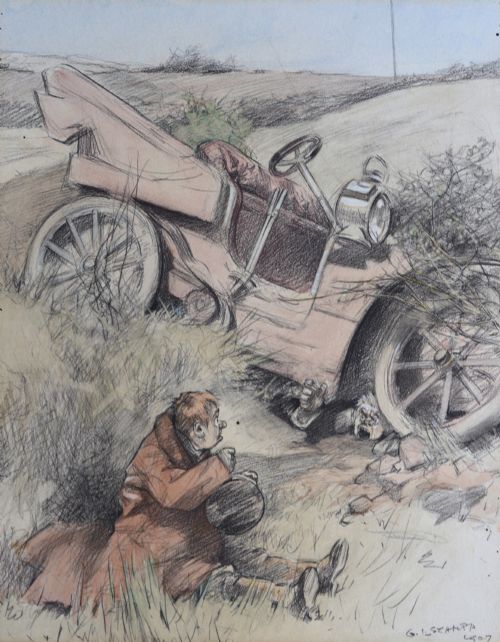
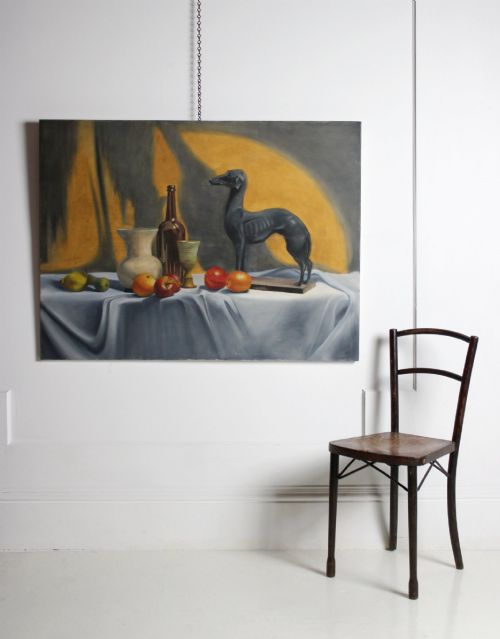
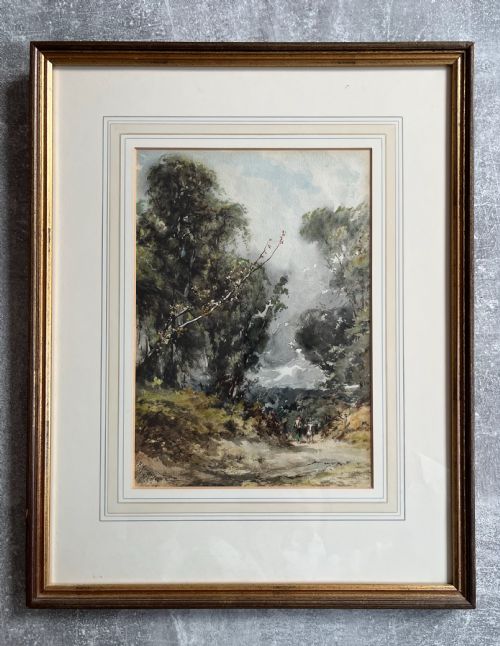
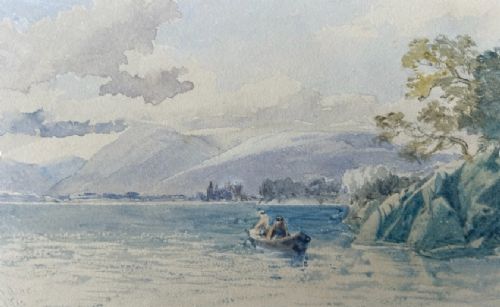

Original Artwork
Original antique artwork brings tangible history onto a wall, offering centuries of hand-rendered pigment, paper and canvas that collectors prize for authenticity and depth.
Understanding Original Antique Artwork
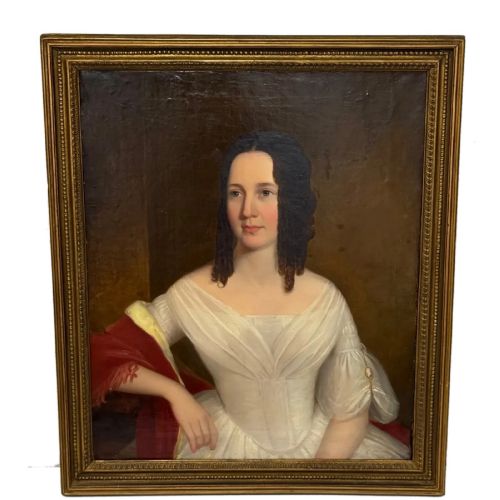
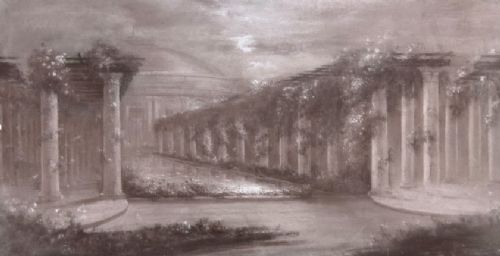
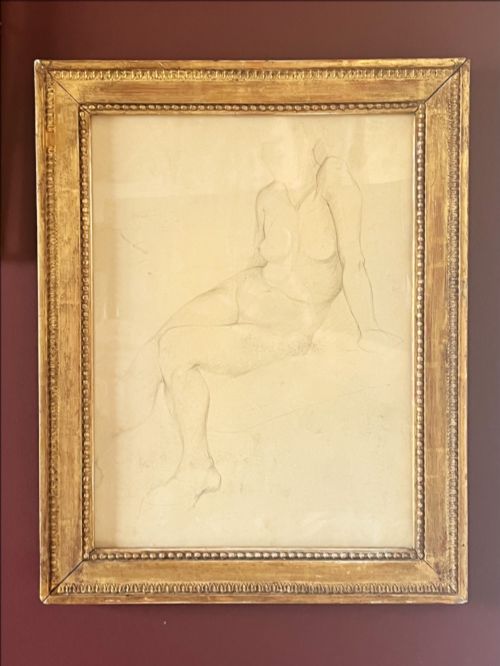
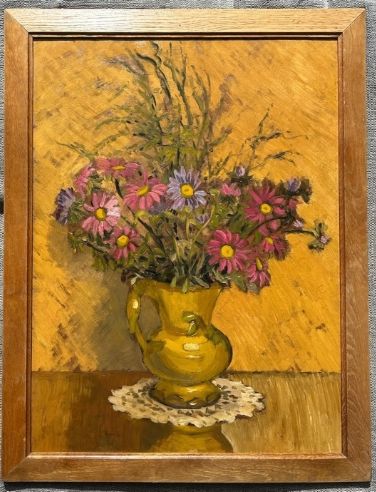
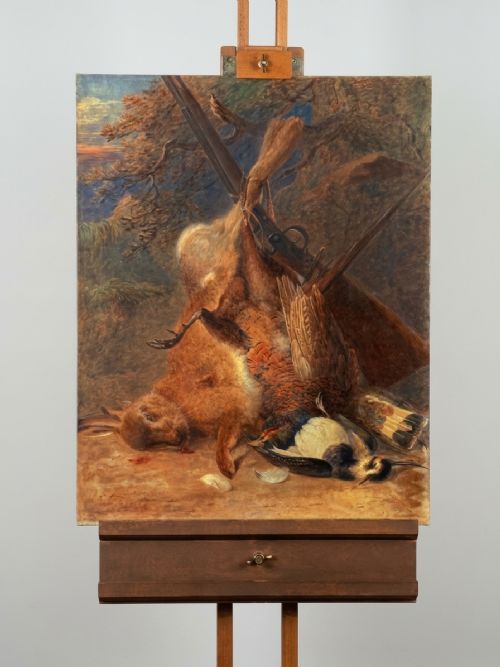
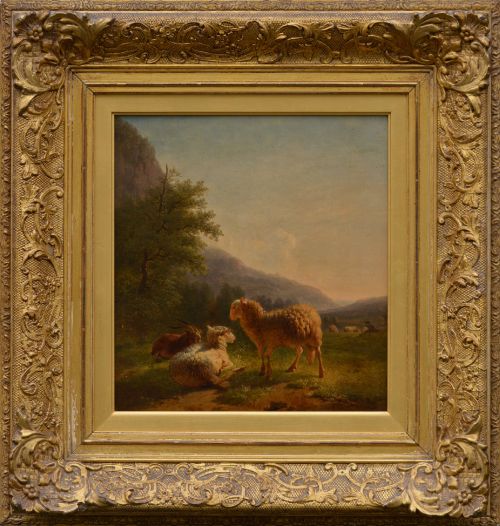
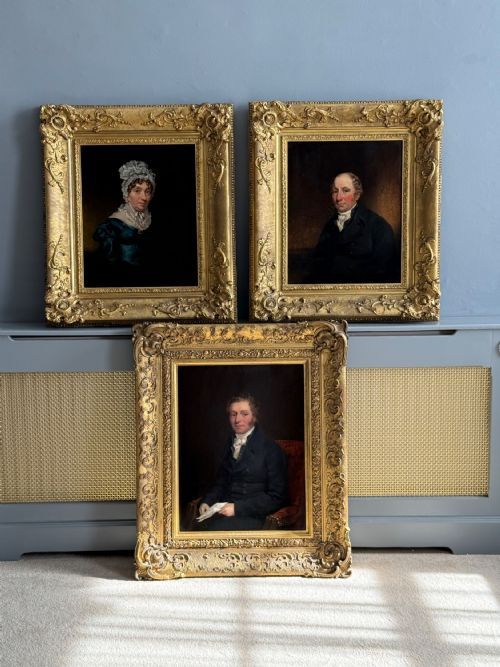
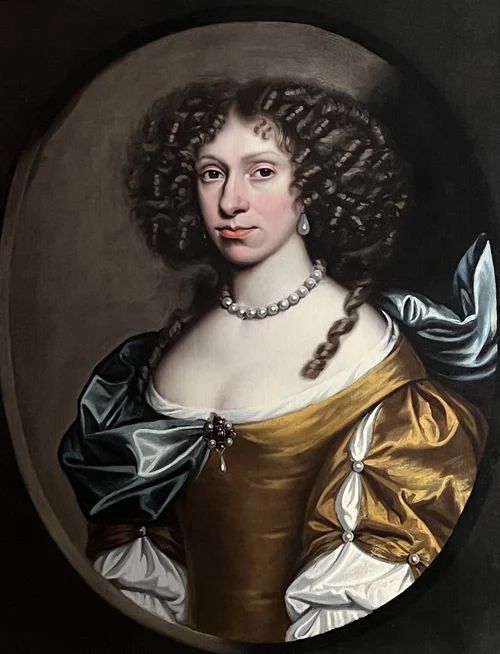
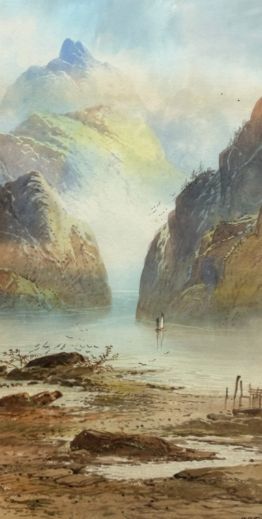
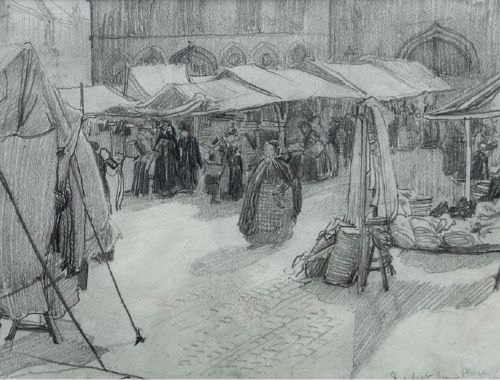
Original antique artwork encompasses historic paintings, watercolours and fine art pieces produced across the eighteenth, nineteenth and early twentieth centuries. When searching for original antique artwork, buyers encounter framed portraits, landscapes, still lifes and historical scenes executed by hand.
The nineteenth century represents the most frequently met period in these listings, capturing both Victorian realism and domestic subjects. Works range from intimate watercolours on paper to substantial oil paintings on canvas and wood panel.
Domestic settings, rural cottages, landscapes and individual portraits dominate the subject matter preserved from these past eras. Each piece retains the distinct marks of its maker, whether executed in watercolour, oil paint or mixed media.
Materials and Techniques
Makers utilised traditional mediums including oil paint and watercolour applied to prepared grounds such as paper, canvas and wood panel. These foundational supports frequently sit within period frames fashioned from giltwood, ebonised wood or solid timber.
Retail Price Guide 2026
Typical UK retail prices for original artwork, calculated from the Sellingantiques database of over a million retail prices indexed since 2003. This retail price guide relies exclusively on Sellingantiques data; no external sources or auction records are used, so the figures do not describe the wider market.
Listings feature works spanning the eighteenth, nineteenth and early twentieth centuries, executed in watercolour and oil paint.
Assessing Quality
Quality rests upon the confidence of the brushwork and the precision with which the subject is rendered, separating masterly composition from rigid execution. The handling of light, shadow and perspective dictates the visual power of an oil painting or watercolour.
The integrity of the original materials, including the preservation of the paper or panel and the matching period frame, elevates an individual piece. Finer works display an assured capture of human character or landscape atmosphere that lesser examples miss.
Walter Emsley·Samuel Hieronymus Grimm·Michela de Vito
The Original Artwork Glossary
- Watercolour
- A painting method where fine pigment is suspended in a water-based solution and applied to paper. This medium allows for transparent washes and delicate detail.
- Oil on Canvas
- A technique utilising pigments bound in a drying oil applied to stretched canvas. It provides rich colour saturation and longevity.
- Wood Panel
- A rigid flat support made from timber used by artists as a base for painting. Panels offer a firm surface that withstands warping when properly prepared.
- Giltwood
- Timber carved and coated with a thin layer of gold leaf. It frames numerous historical artworks from the Georgian and Victorian periods.
- Realism
- An artistic movement focusing on everyday subjects and scenes accurately without idealisation. Nineteenth century realism captures unvarnished human and natural environments.
Frequently Asked Questions
How do I care for antique watercolours?
Keep watercolours away from direct sunlight to prevent the fading of delicate pigments on paper. Framing under UV-protective glass further shields the work from environmental degradation.
Maintain stable room temperatures and low humidity to protect both the paper support and the historical frame from moisture damage.
How do I distinguish oil paintings from watercolours?
Oil paintings utilise heavy pigments bound in oil applied to canvas or wood panel, creating a textured and luminous surface. Watercolours employ translucent washes on paper, often requiring glass protection.
Examining the support under magnification reveals the woven texture of canvas or the absorbent fibres of antique paper.
What periods do these artworks cover?
The available selection spans from the mid-eighteenth century through the nineteenth century and into the early twentieth century. This encompasses Georgian, Victorian and realist aesthetic traditions.
Dates are attributed based on stylistic evidence, signatures and recorded histories associated with each specific artwork.