5,534  PAGES BROWSED TODAY PAGES TODAY 50 ANTIQUES UPLOADED TODAYNEW ARRIVALS
50 ITEMS ADDED TODAY
Sort Order
Items Per Page
Browse Categories
Sort order
Relevant Links
Items per page
ID #SA1234742
FOR SALE
£4,200
Email Phone Buy
Save
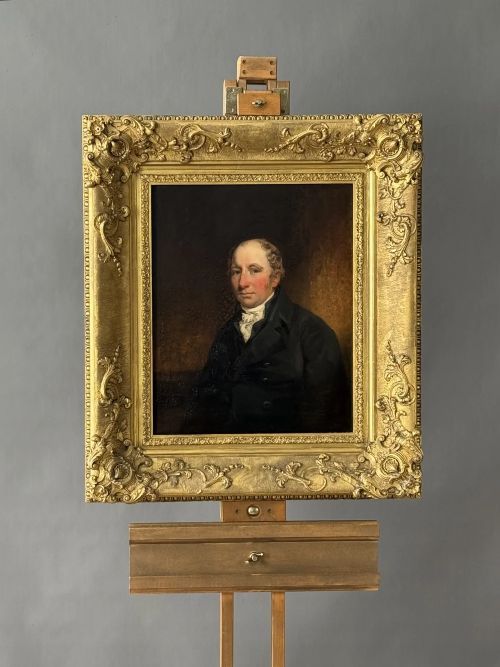
Mary Coleman, Henry Sayer and Arthur Coleman Set of Three Regency Oil Portraits on Panel by Joseph Clover Ra (1779-1853)
For sale by Period Portraits
for sale €4,914     $5,334
£4,200
Period Portraits

Period Portraits

Sellingantiques Verified Since Jan 2017
Browse dealers 46 items
  • About Us
    Specialist dealer in portraits from the 17th century to the 20th century. Our stock includes quality oil paintings, drawings, and mezzotints
Id #SA1234742
PDF SHARE
SAVE

Mary Coleman, Henry Sayer and Arthur Coleman Set of Three Regency Oil Portraits on Panel by Joseph Clover Ra (1779-1853)

19th century
For Sale by Period Portraits
Description

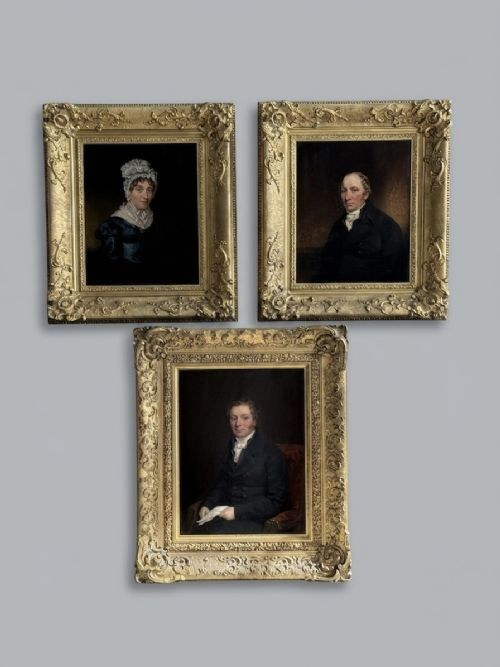
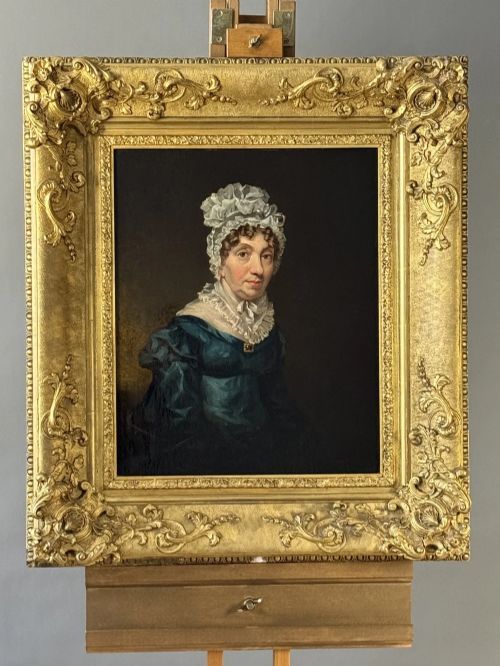
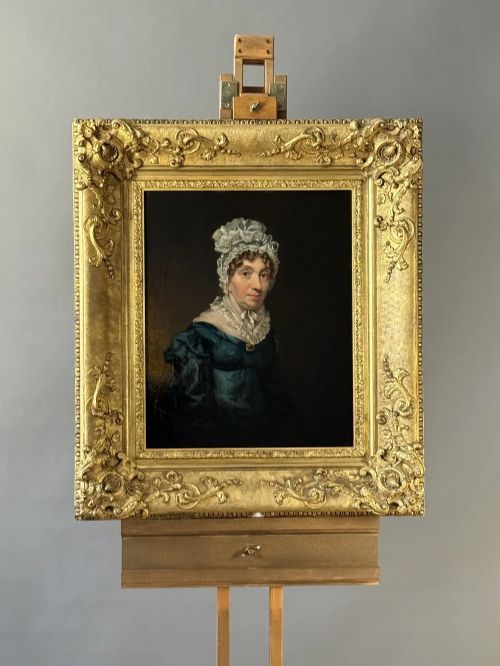
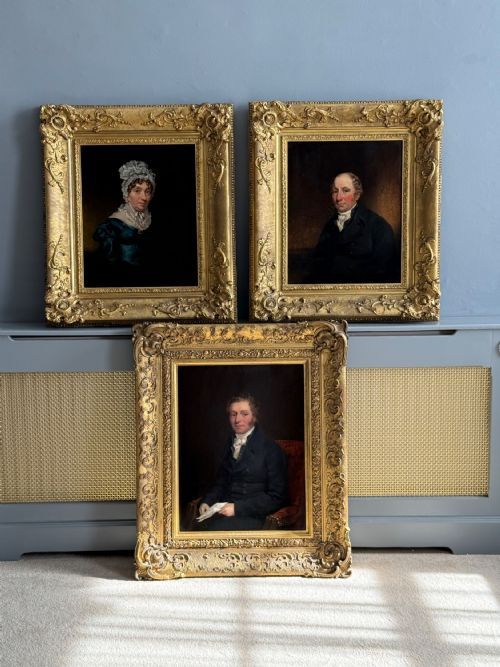
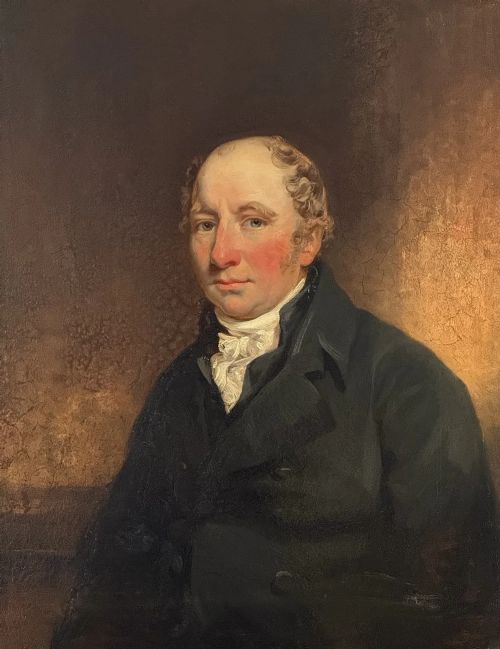
Three fine oil on panel portraits of Mary Coleman, Henry Sayer and Arthur Coleman by the celebrated Norwich school artist and Royal Academician Joseph Clover RA (1779-1853)

Mary Coleman came from a prosperous branch of Norfolk millers and landowners and she married Henry Sayer in Norfolk (circa 1815-1820) and this (slightly smaller) pair of oil paintings may have been commissioned after their wedding to permanently anchor their status as a newly unified, wealthy landowning family.
Subsequently when Mary’s father passed away, his will contained a strict ‘Name and Arms Clause’ which dictated that for their son, Arthur Sayer, to inherit his maternal family's extensive property, capital, and milling investments, he was legally required to drop his paternal surname.

Arthur filed a formal petition with the Crown for a Royal License for a Change of Name. Upon approval, he legally renounced the surname Sayer and became known for the rest of his life across all commercial banking and land registry logs as Arthur Coleman (Mr. A. Coleman). This specific legal inheritance split the names, leaving the parents ‘framed’ as the Sayers, while their son legally operated under the Coleman banner.
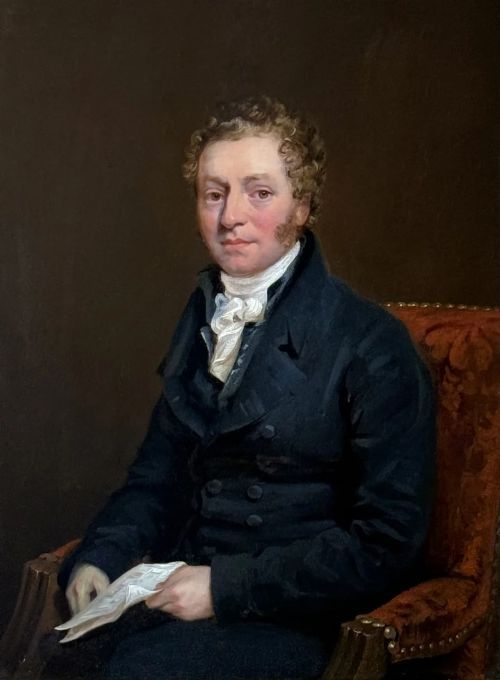
The composition of this painting provides a direct window into Arthur Colemans societal status and his connections to Norfolk industry as the folded paper that he holds (a letter, title deed, or legal charter) is a detail painted to underscore his literacy, civic authority, and wealth as a member of one of Norfolk's affluent agricultural and merchant families.
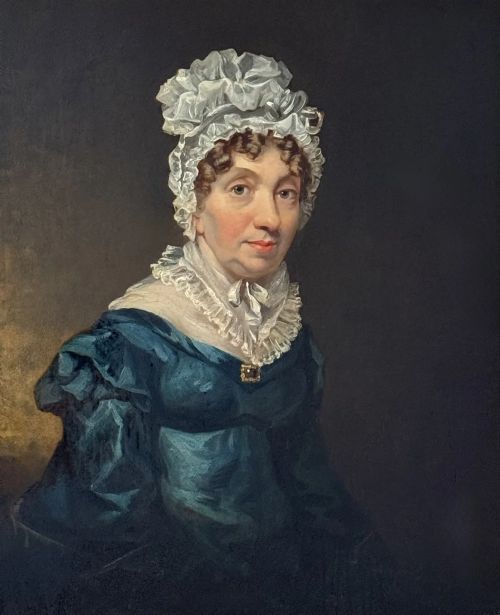
Joseph Clover (baptised 19 September 1779 – 28 April 1853) Joseph Clover was an English portrait painter and a member of the Norwich School of painters He was born in Aylsham, in the English county of Norfolk, one of the twelve children of Thomas and Ann Clover, who owned a drapery business in the town. Few details of his early years are known. He was engaged to be married, but his fiancée, a local girl, died in 1801. He started his career as an engraver but was inspired to turn to portrait painting when the artist John Opie painted one of his relatives, he became Opie's pupil, and studied under him for four years. His paintings often use a generous amount of paint, handled freely in a fashion that was also characteristic of Opie.
Clover inherited property and was paid well for his commissioned works. He lived an uneventful and comfortable life, mainly in London, where he was a prominent member of the Swedenborgian New Church. In 1809, he was selected to portray three of the mayors of Norwich, the decision based in part on his works exhibited at the Royal Academy that year. In 1811, he staged an exhibition of his works in Norwich. Although celebrated during his lifetime as a portrait painter, Clover also produced accomplished landscape paintings for his own pleasure.Provenance: Private collection Washington State.
Higher resolution images on request.

Worldwide shipping available.

Mary Coleman and Henry Sayer

Panels: 38cm x 46cm.

Framed: 63cm x 72cm.

Arthur Coleman

Panels: 41cm x 54 cm.

Framed: 67cm x 80cm.

Price: £4200

Physical Dimensions
Height
72cm (28.35")
Width
63cm (24.80")
Depth
4cm (1.57")
Declaration

Period Portraits has dated these Regency Oil Panel Portraits to the Regency era.

Reference Numbers
Sellingantiques Reference
SA1234742
Description
Three fine oil on panel portraits of Mary Coleman, Henry Sayer and Arthur Coleman by the celebrated Norwich school artist and Royal Academician Joseph Clover RA (1779-1853)

Mary Coleman came from a prosperous branch of Norfolk millers and landowners and she married Henry Sayer in Norfolk (circa 1815-1820) and this (slightly smaller) pair of oil paintings may have been commissioned after their wedding to permanently anchor their status as a newly unified, wealthy landowning family.

fig 1. A set of three 19th-century Regency oil portraits on wood panels housed in ornate gilded frames.
fig 1. Mary Coleman, Henry Sayer and Arthur Coleman Set of Three Regency Oil Portraits on Panel by Joseph Clover Ra (1779-1853)

Subsequently when Mary’s father passed away, his will contained a strict ‘Name and Arms Clause’ which dictated that for their son, Arthur Sayer, to inherit his maternal family's extensive property, capital, and milling investments, he was legally required to drop his paternal surname.

Arthur filed a formal petition with the Crown for a Royal License for a Change of Name.

Upon approval, he legally renounced the surname Sayer and became known for the rest of his life across all commercial banking and land registry logs as Arthur Coleman (Mr.
Period Portraits

A. Coleman). This specific legal inheritance split the names, leaving the parents ‘framed’ as the Sayers, while their son legally operated under the Coleman banner.

fig 2. A set of three 19th-century Regency oil portraits on wood panels housed in ornate gilded frames.
fig 2. Mary Coleman, Henry Sayer and Arthur Coleman Set of Three Regency Oil Portraits on Panel by Joseph Clover Ra (1779-1853)

The composition of this painting provides a direct window into Arthur Colemans societal status and his connections to Norfolk industry as the folded paper that he holds (a letter, title deed, or legal charter) is a detail painted to underscore his literacy, civic authority, and wealth as a member of one of Norfolk's affluent agricultural and merchant families.

fig 3. A set of three 19th-century Regency oil portraits on wood panels housed in ornate gilded frames.
fig 3. Mary Coleman, Henry Sayer and Arthur Coleman Set of Three Regency Oil Portraits on Panel by Joseph Clover Ra (1779-1853)

Joseph Clover (baptised 19 September 1779 – 28 April 1853) Joseph Clover was an English portrait painter and a member of the Norwich School of painters He was born in Aylsham, in the English county of Norfolk, one of the twelve children of Thomas and Ann Clover, who owned a drapery business in the town. Few details of his early years are known. He was engaged to be married, but his fiancée, a local girl, died in 1801. He started his career as an engraver but was inspired to turn to portrait painting when the artist John Opie painted one of his relatives, he became Opie's pupil, and studied under him for four years. His paintings often use a generous amount of paint, handled freely in a fashion that was also characteristic of Opie.

fig 4. A set of three 19th-century Regency oil portraits on wood panels housed in ornate gilded frames.
fig 4. Mary Coleman, Henry Sayer and Arthur Coleman Set of Three Regency Oil Portraits on Panel by Joseph Clover Ra (1779-1853)

Clover inherited property and was paid well for his commissioned works. He lived an uneventful and comfortable life, mainly in London, where he was a prominent member of the Swedenborgian New Church. In 1809, he was selected to portray three of the mayors of Norwich, the decision based in part on his works exhibited at the Royal Academy that year. In 1811, he staged an exhibition of his works in Norwich. Although celebrated during his lifetime as a portrait painter, Clover also produced accomplished landscape paintings for his own pleasure.Provenance: Private collection Washington State.

fig 5. A set of three 19th-century Regency oil portraits on wood panels housed in ornate gilded frames.
fig 5. Mary Coleman, Henry Sayer and Arthur Coleman Set of Three Regency Oil Portraits on Panel by Joseph Clover Ra (1779-1853)

Higher resolution images on request.

Worldwide shipping available.

Mary Coleman and Henry Sayer

Panels: 38cm x 46cm.

Framed: 63cm x 72cm.

Arthur Coleman

Panels: 41cm x 54 cm.

Framed: 67cm x 80cm.

Price: £4200

Height
72cm (28.35")
Width
63cm (24.80")
Depth
4cm (1.57")
Date of Manufacture

Period Portraits has dated these Regency Oil Panel Portraits to the Regency era.

Reference Numbers
Sellingantiques Ref
SA1234742
Period Portraits
Period Portraits
Sellingantiques verified Since Jan 2017

Specialist dealer in portraits from the 17th century to the 20th century. Our stock includes quality oil paintings, drawings, and mezzotints

Dealer Profile

You can view the stock and full dealer information on the Period Portraits Profile Page
PDF SHARE
SAVE
A set of three 19th-century Regency oil portraits on wood panels housed in ornate gilded frames.
1 / 9
Archive I A set of three 19th-century Regency oil portraits on wood panels housed in ornate gilded frames.

Mary Coleman, Henry Sayer and Arthur Coleman Set of Three Regency Oil Portraits on Panel by Joseph Clover Ra (1779-1853)
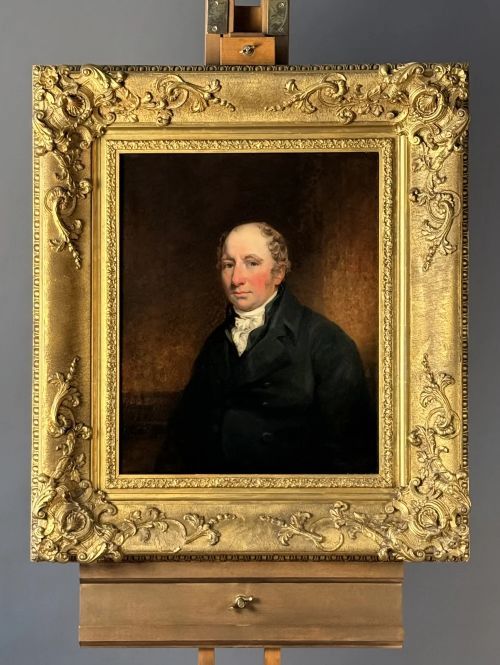
Archive II A set of three 19th-century Regency oil portraits on wood panels housed in ornate gilded frames. View II
Archive III A set of three 19th-century Regency oil portraits on wood panels housed in ornate gilded frames. View III
Archive IV A set of three 19th-century Regency oil portraits on wood panels housed in ornate gilded frames. View IV
Archive V A set of three 19th-century Regency oil portraits on wood panels housed in ornate gilded frames. View V
Archive VI A set of three 19th-century Regency oil portraits on wood panels housed in ornate gilded frames. View VI
Archive VII A set of three 19th-century Regency oil portraits on wood panels housed in ornate gilded frames. View VII
Archive VIII A set of three 19th-century Regency oil portraits on wood panels housed in ornate gilded frames. View VIII
Archive IX A set of three 19th-century Regency oil portraits on wood panels housed in ornate gilded frames. View IX
Enlarged Archival View
Telephone 07889 859729
Location
North Yorkshire
United Kingdom
Verified Since Jan 2017
Items For Sale 46
Items Sold 62
Period Portraits
Period Portraits
Verified Since Jan 2017
View Dealer Info
Location: North Yorkshire, United Kingdom
Verified
Jan 2017
For Sale
46
Sold
62
A set of three 19th-century Regency oil portraits on wood panels housed in ornate gilded frames.
MARY COLEMAN, HENRY SAYER AND ARTHUR COLEMAN SET OF THREE REGENCY OIL PORTRAITS ON PANEL BY JOSEPH CLOVER RA (1779-1853)
Ref: SA1234742
A set of three 19th-century Regency oil portraits on wood panels housed in ornate gilded frames.
Detail View 1
Detail View 2
Detail View 3
Detail View 4
Detail View 5
Detail View 6
Detail View 7
Detail View 8
Archival Detail
Every single antique dealer on our platform is individually approved by our internal team. We verify their professional trade history, ethical standards, and photographic quality to ensure a secure, high-standard buying environment. Upon joining, every dealer agrees to a strict 9-point code of conduct. While issues can occasionally arise, our dealers typically resolve them swiftly and directly with the buyer. In fact, since our founding in 2002, Sellingantiques has only had to step in to help resolve an issue on roughly five occasions—a true testament to the quality of our dealers and their dedication to your happiness.
Our dealers are highly experienced in packing and shipping fragile, high-value antiques. Because you are in direct contact with the dealer, you will be able to easily go through all available shipping and insurance options together to ensure your item arrives safely.
Antiques are the ultimate green purchase. By choosing historical pieces over newly manufactured goods, you completely eliminate the carbon footprint of modern mass production while preserving exceptional, timeless craftsmanship.

Regency portraiture originated in Britain during the early 19th century, noted for refined realism, dramatic lighting contrast, and detailed representation of period dress such as cravats and lace bonnets.

Artists during this era typically applied oil pigments onto wooden panels or linen canvas, framing the completed work in elaborate timber frames decorated with plaster composition details and water gilding.

Authentic period works display natural age-related craquelure across the paint surface, historic construction techniques on the reverse of the panel or canvas, and appropriate period attire.

A set of historical portraits creates a striking focal point when grouped together on a dark-painted wall or suspended above period cabinetry to contrast with clean modern furnishings.

Keep paintings away from direct sunlight, radiator heat, and fluctuating humidity, cleaning the painted surface and gilded frame exclusively with a soft, dry camel-hair brush.
items
Add keywords to the filter
Price
£100
£250000
Era
Movements
Material
Origin
Stock Location
Freshness
Online Payments
Categories