






Architectural Marble Sculpture
Architectural marble sculpture brings classical antiquity indoors, offering solid stone reminders of ancient temples and columns for the study or mantelpiece.
Architectural Marble Sculpture
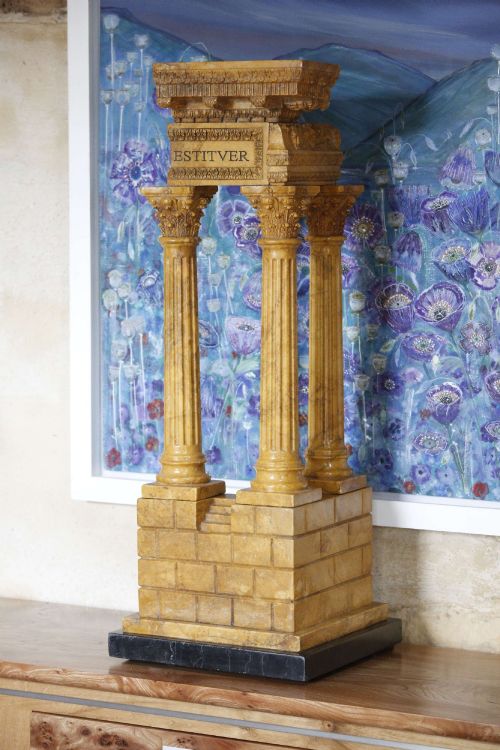
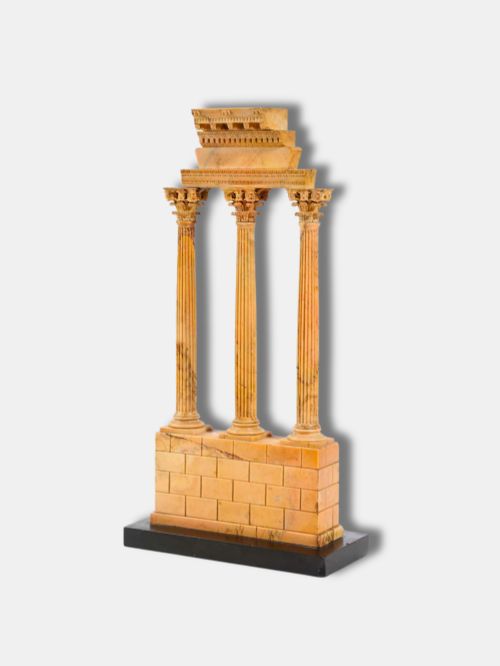
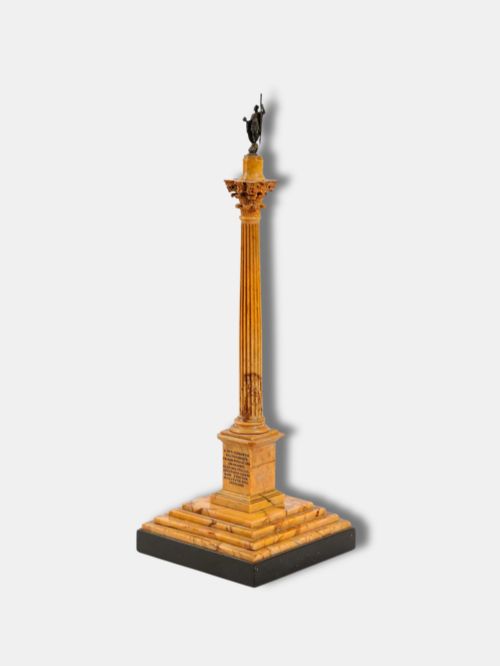
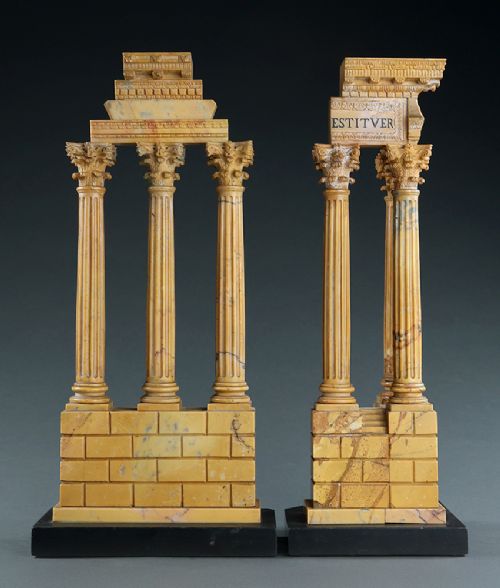
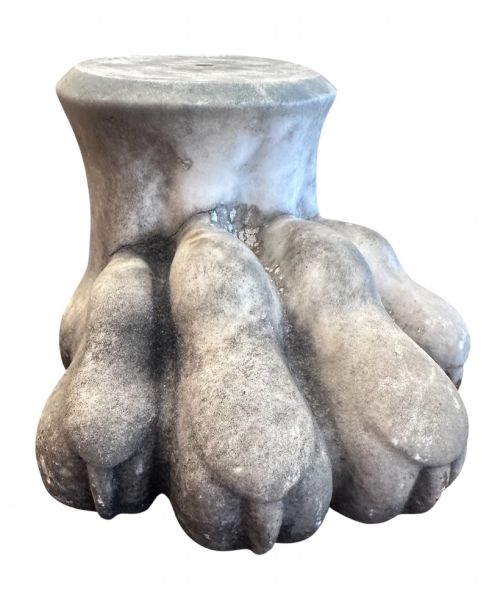
Architectural marble sculpture captures the enduring forms of classical buildings and monuments, translating large public structures into intimate objects. These pieces range from grand tour models of ancient temples and columns to carved wall panels and decorative lion paws.
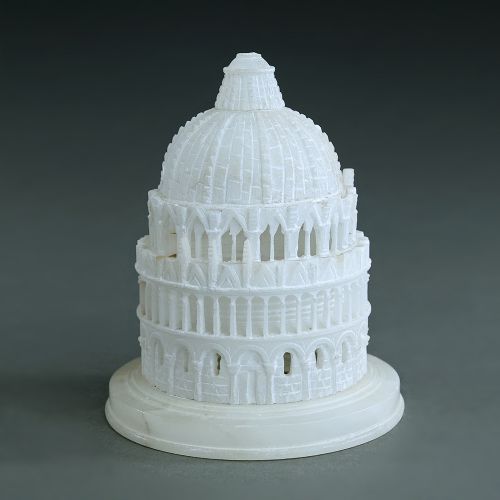
The versions most commonly found here originate from the nineteenth century, often reflecting the taste for classical antiquity through grand tour souvenirs. Alongside solid marble, makers utilised materials such as alabaster, bronze, and scagliola to replicate architectural stonework.
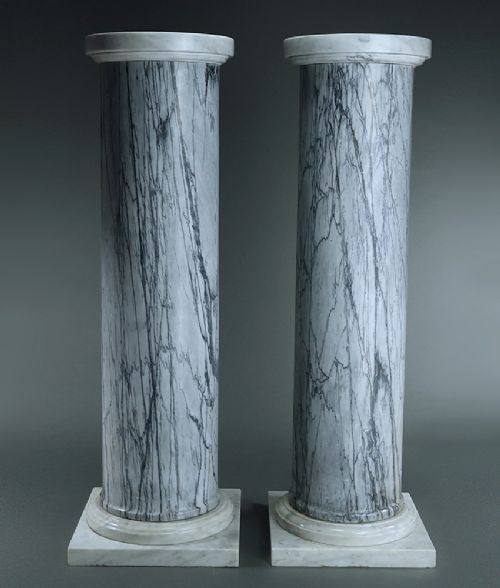
Forms extend beyond standalone models to include pedestals, columns, and relief plaques depicting subjects like the St Mark's lion or Hellenistic riders. Such objects served both decorative and educational purposes in European interiors, bringing tangible history into domestic spaces.
How they were made
Carvers shaped solid blocks of marble, black marble, sienna marble, and giallo antico into intricate columns, temples, and crests using traditional hand chisels and drills. These stones provided the dense, heavy weight and cool touch expected of genuine architectural fragments and desk models.
Alternative compositions involved marble dust and scagliola, a technique of embedding pigmented plasters to imitate complex multicolored stone grains. Plaster and faux marble painted finishes also appeared, offering lighter or more accessible options for decorative columns and pedestals.
Architectural Marble Sculpture Retail Price Guide 2026
Typical asking prices for architectural marble sculpture among the pieces listed under this phrase on Sellingantiques today, from the lower quarter to the upper quarter. They describe what is for sale here now, not the wider market.
Listings feature items spanning the seventeenth to the twentieth centuries, utilising materials from traditional marble and alabaster to scagliola and plaster.
What varies in quality
Quality rests upon the precision of the carving and the fidelity of the architectural proportions to their ancient originals. Finer nineteenth-century grand tour pieces display crisp column fluting and sharply defined capitals, whereas lesser examples blur these structural details.
The choice of stone heavily influences the character of the object, with select specimens utilising vibrant giallo antico or rich sienna marble rather than plain painted plaster. The integration of contrasting plinths, socle bases, and bronze mounts further distinguishes high-grade workshop production.
The Architectural Marble Sculpture Glossary
- Grand Tour
- A traditional trip through Europe undertaken by upper-class young men in the eighteenth and nineteenth centuries to study classical art and architecture. Souvenirs from these journeys included small-scale marble and alabaster models of famous Italian monuments.
- Giallo Antico
- A yellowish antique marble prized by the Romans and later nineteenth-century carvers for its warm golden tones and darker veins. It frequently appears in grand tour temple and column models.
- Scagliola
- A composite material made from pigmented selenite, glue, and plaster, applied to surfaces and polished to imitate true stone. It allowed artisans to create intricate multicolored architectural columns and pedestals.
- Bardiglio
- A bluish-grey Italian marble marked by darker grey or black veins, commonly used for classical columns and bases. Its distinct coloration offers a cooler contrast to white Carrara marble.
- Socle
- A short plain plinth or pedestal supporting a statue, column, or architectural model. It elevates the sculpture and provides a stable foundation for display.
Architectural Marble Sculpture: Frequently Asked Questions
What is an architectural marble sculpture?
These pieces are small-scale representations of ancient buildings, columns, and architectural fragments carved from stone or cast from composite materials. They were designed to capture the majesty of classical antiquity for private study.
Most examples date from the nineteenth century, reflecting the popularity of grand tour travel through Italy. They function today as decorative desktop objects or structural display pieces.
How were grand tour models used?
Travellers returning from Italy displayed these temple and column models in libraries, studies, and drawing rooms as tokens of their classical education and travels. They served as conversation pieces and tactile reminders of ancient architecture.
Collectors placed them on desks, cabinets, and dedicated pedestals to showcase both historical interest and refined interior taste.
What materials are common in these sculptures?
Carvers utilised various natural stones including white Carrara, sienna, giallo antico, and black marble. Alabaster and bronze also appear frequently in nineteenth-century models of columns and religious buildings.
Some objects incorporate marble dust or scagliola to achieve multicolored stone effects without carving solid blocks.
How do I date a marble architectural model?
Dating relies upon stylistic markers, material composition, and the specific historical context of the grand tour era during the nineteenth century. Earlier seventeenth-century pieces tend to show deeper hand-carved weathering and heavier relief work.
Twentieth-century versions often introduce modern composite materials like marble dust alongside traditional stone carving methods.