





Antique Architectural Miniature
These antique architectural miniature pieces are scale representations of famous buildings and ruins, offering collectors a tangible piece of history.
Antique Architectural Miniature
When searching for an antique architectural miniature, buyers encounter a diverse selection of models, ranging from Grand Tour ruins to folk art buildings. These objects scale down monumental architecture into portable forms designed for display on tables or desks.
Originating across various periods from the seventeenth century onward, these pieces reflect both classical revival interests and domestic vernacular craft. Each model captures the architectural ambitions of its era in miniature scale.
Materials and construction methods
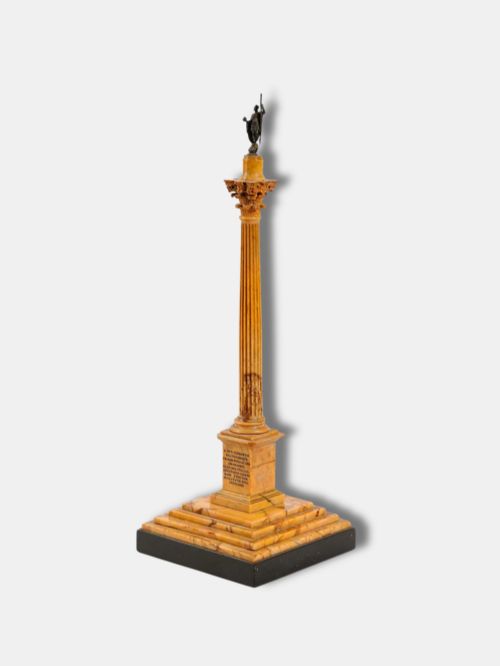
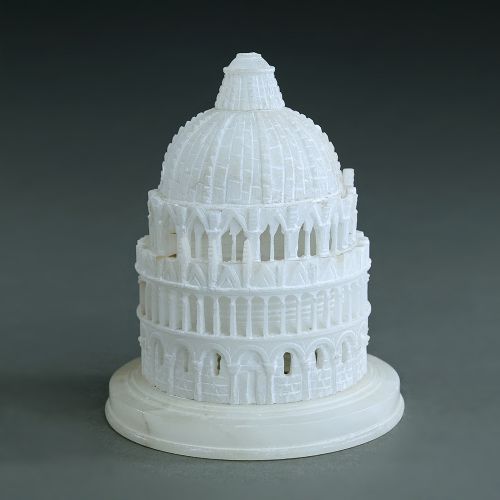
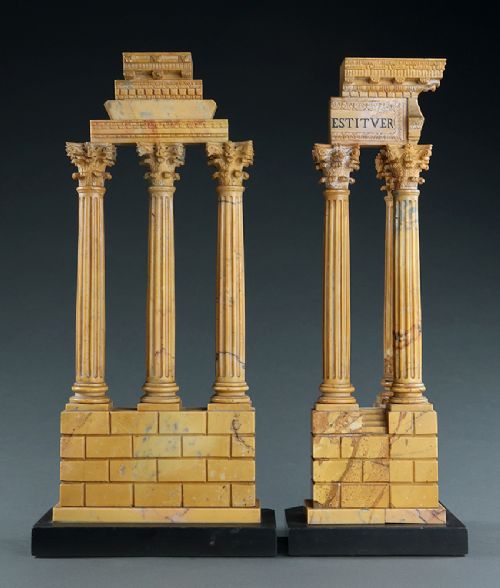
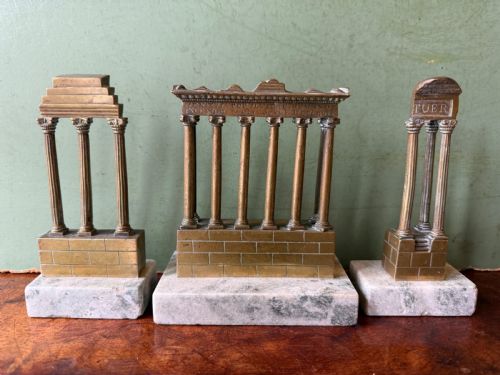
Maker workshops utilised natural stones such as marble, alabaster, and slate to carve precise replicas of classical columns and temple ruins. These stone models often combine different coloured marbles to distinguish bases, shafts, and capitals.
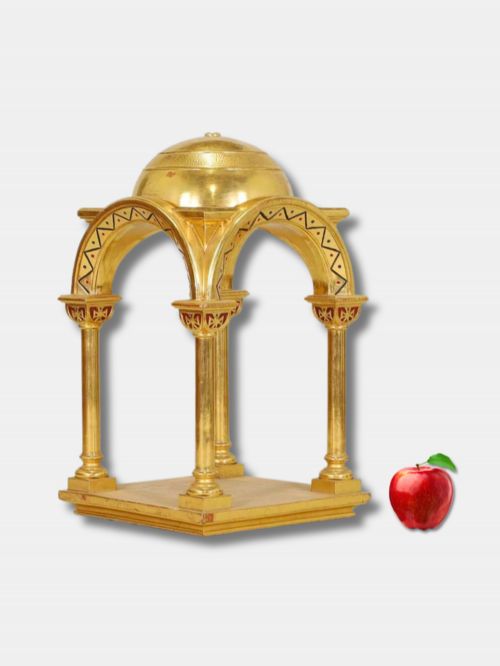
Metalworkers cast bronze to reproduce intricate architectural details on triumphal arches and commemorative columns, sometimes applying patination to simulate aged stone or verdigris. Woodworkers employed mahogany, ebony, walnut, and oak to construct cabinets and structural models, incorporating carved elements and giltwood finishes.
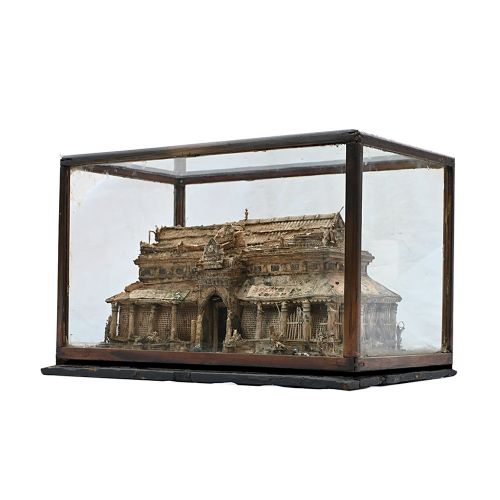
One meticulous maker constructed a detailed medieval house entirely from matchsticks around nineteen-ten.
Factors determining quality
The precision of the carving and the accuracy of the architectural proportions define the upper tier of these objects. Master makers captured the subtle entasis of columns and the fine relief of sculptural friezes with exacting detail.
Material selection and surface finish separate refined studio pieces from vernacular craft. Uniform veining in marble specimens and crisp, clean casting in bronze examples indicate superior workshop production.
The Antique Architectural Miniature Glossary
- Grand Tour
- A cultural journey undertaken by wealthy young Europeans through France and Italy to study classical antiquities. Souvenirs from these travels included miniature marble and bronze models of famous ruins.
- Giallo Antico
- A yellowish antique marble prized by Roman stonemasons and later utilised for Grand Tour architectural models. Its distinctive warm hue mimics ancient decorative stones.
- Tabernacle
- A small ornate enclosure or structure, often featuring a domed top and decorative columns. In miniature form, these display detailed woodwork and gilding.
- Patina
- The surface appearance acquired by bronze, wood, or stone through age and handling. A natural patina develops deep character over decades of exposure.
Antique Architectural Miniature: Frequently Asked Questions
What is an architectural miniature?
An architectural miniature is a small-scale model of a building, monument, or ruin.
These pieces were created as souvenirs, design studies, or decorative objects reflecting specific architectural styles.
How were Grand Tour models used?
Grand Tour models served as tangible records of travel for educated visitors to classical sites.
Collectors displayed them on library tables and cabinet tops to demonstrate their classical learning and sophisticated taste.
How do I identify marble types?
Identifying marble types involves examining the colouration, veining structure, and density of the stone.
Specimens such as Giallo Antico or Siena marble display characteristic tones that link them to specific Italian quarries.
Where should I display these models?
These models suit stable surfaces away from direct sunlight and excessive humidity.
Placing them on desks or open shelving allows for close inspection of the fine carving and material details.