





Grand Tour Stone Carving
These grand tour stone carving pieces are sculpted souvenirs of classical antiquity brought back by travellers, prized for bringing centuries of heritage into a home.
Grand Tour Stone Carving
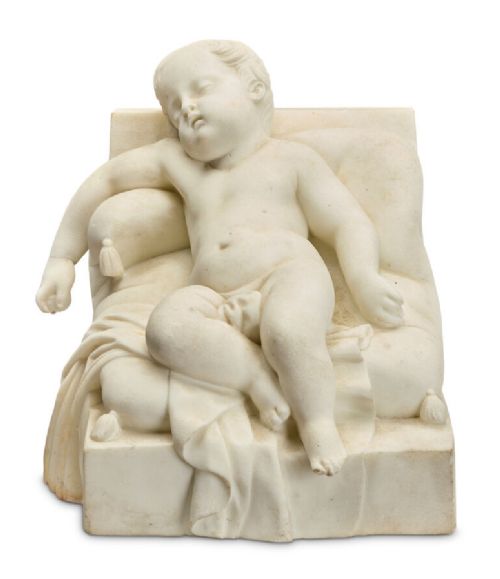
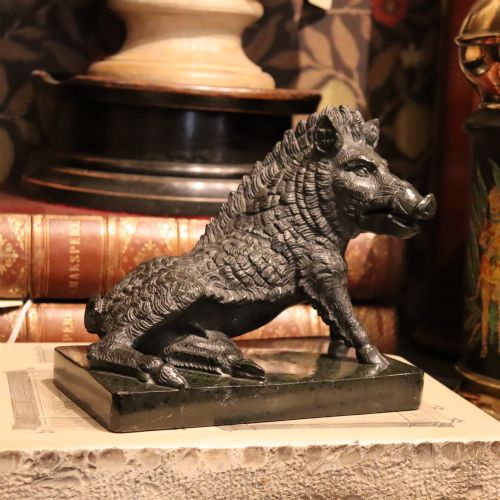
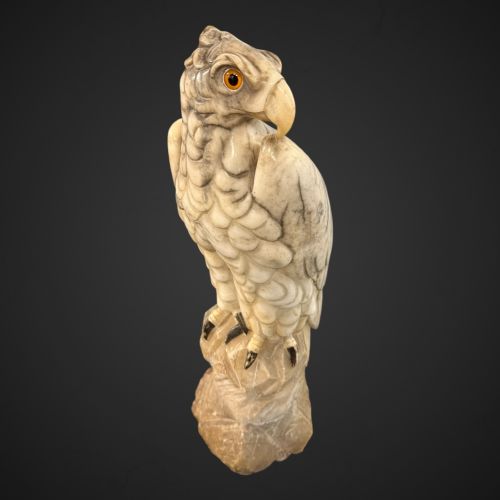
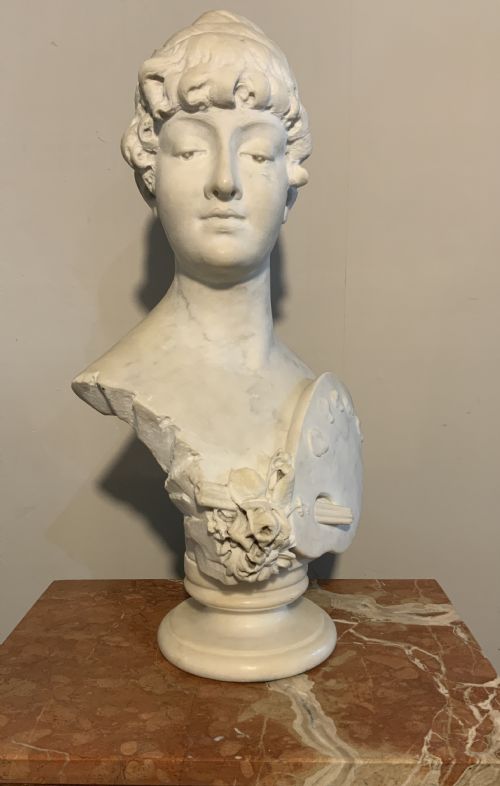
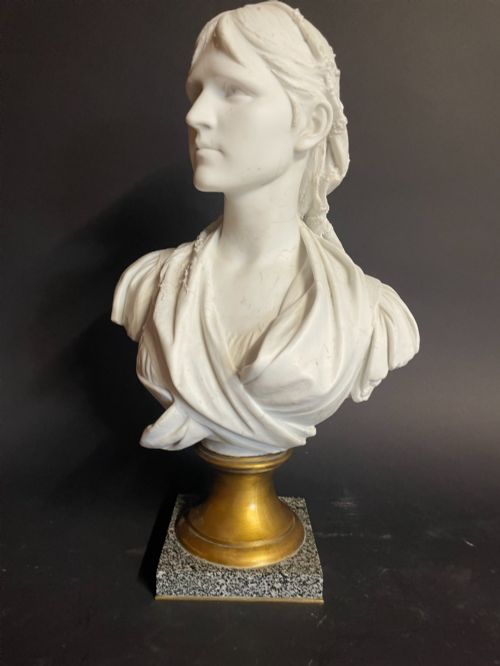
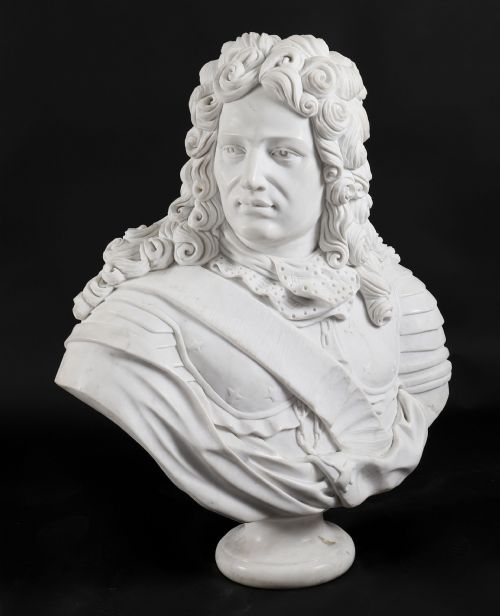
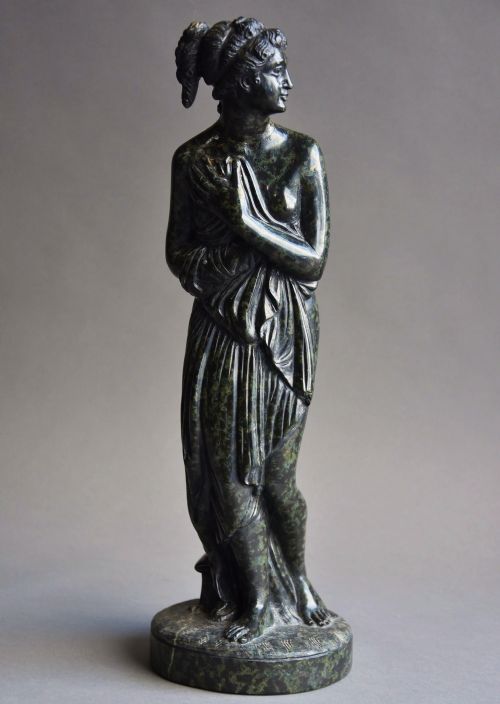
A grand tour stone carving represents the portable sculpture and architectural models that wealthy travellers collected across Italy and Europe during the eighteenth and nineteenth centuries. These objects typically take the form of miniature figures, portrait busts, animals, and decorative vessels modelled after classical antiquities and Renaissance masterpieces.
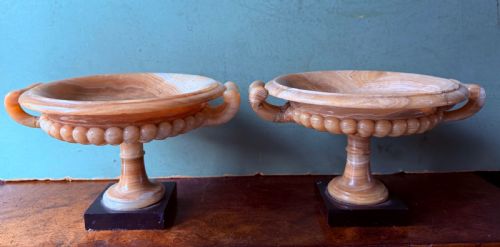
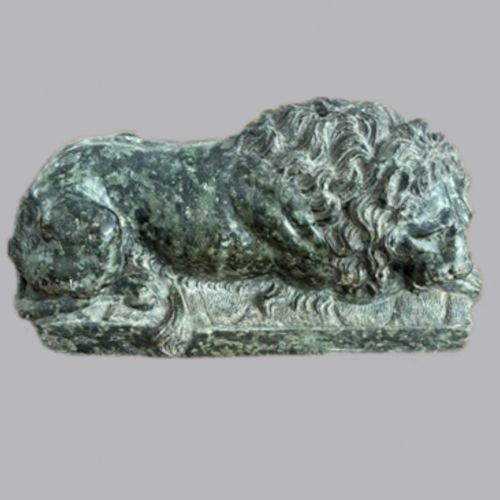
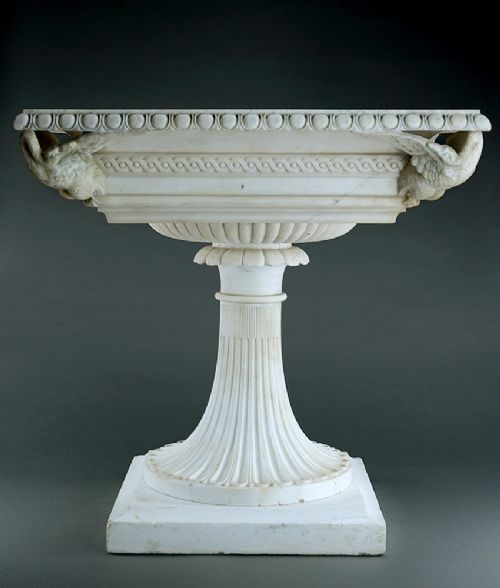
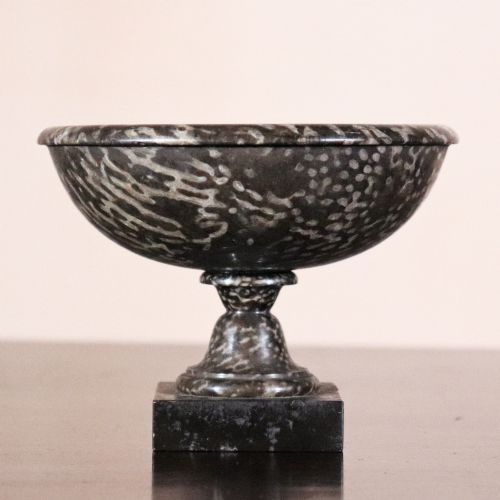
The pieces appearing on this page span several centuries, with nineteenth-century examples dominating alongside occasional seventeenth-century and twentieth-century items. Common forms include sculptural groups of lions and mythological figures, architectural fragments like columns and obelisks, and functional decorative objects such as tazzas and chambersticks.
Origins cluster firmly around Italian workshops catering to foreign visitors seeking tangible reminders of classical sites. Buyers encounter both white marble representations of famous statues and darker geological specimens carved from serpentine, alabaster, and lava stone.
How They Were Made
Carvers utilised a variety of stone and mineral materials, predominantly relying on Carrara marble, alabaster, and diverse marbles including serpentine, verde antico, and breccia. Workshops also employed volcanic materials such as lava stone for wearable items like carved bracelets and brooches.
Production combined traditional hand-chizzling with mechanical pointing machines to transfer proportions accurately from larger ancient sculptures down to cabinet scale. Surface finishing ranged from high polishes on white marble figures to matte textures highlighting the natural veining of coloured stones.
The inventory encompasses periods from the seventeenth century through the Victorian era and into the twentieth century.
What Varies in Quality
Quality rests upon the fidelity of the carving to the antique source and the anatomical precision achieved by the sculptor. Finer items display crisp detailing in musculature, drapery, and facial expression, whereas lesser examples remain simplified and stiff in execution.
The choice of raw material dictates the visual depth of the piece, with heavily figured marbles and unblemished alabasters elevating the status of the finished object. Furthermore, signed works by known makers command greater attention than anonymous tourist pieces.
Antonio Canova·R. Mattei
The Grand Tour Stone Carving Glossary
- Carrara marble
- A type of white or blue-grey marble quarried in the city of Carrara in Tuscany, widely utilised for classical sculpture.
- Serpentine
- A group of green silicate minerals often used as a decorative stone in carving due to its mottled, snake-like appearance.
- Tazza
- A shallow cup or bowl mounted on a stem and foot, frequently produced in marble or alabaster during the grand tour period.
- Scagliola
- A composite substance made from selenite, glue, and pigments, used to imitate inlay and decorative stonework.
- Obelisk
- A tall, four-sided, narrow tapering monument which ends in a pyramid-like shape at the top, often carved in marble or onyx.
Grand Tour Stone Carving: Frequently Asked Questions
What is a grand tour stone carving?
These pieces are miniature or reduced-scale sculptures and decorative objects carved from marble, alabaster, and stone by European artisans. Travellers purchased them during extended educational journeys across the continent to display their cultural literacy at home.
Subjects generally replicate famous classical statues, architectural ruins, or mythological figures housed in Italian galleries and excavations. They served as both desktop ornaments and cabinet displays of refined taste.
How were these stone carvings used historically?
Travellers used these carvings to decorate libraries, studies, and drawing rooms as tangible proof of their travels and classical education. They functioned as conversation pieces that demonstrated the owner's familiarity with ancient history and art.
Smaller items like lava stone cameos were mounted as jewellery such as bracelets and brooches for personal wear. Larger pieces including obelisks, tazzas, and columns anchored tables and mantelpieces.
How do I care for marble and alabaster?
Keep stone carvings away from direct sunlight and areas subject to sudden temperature fluctuations, which can cause cracking or discoloration. Dust the surfaces gently with a dry, soft cloth rather than using harsh chemical cleaners.
Alabaster is particularly soft and soluble in water, meaning moisture should be avoided entirely during cleaning. Marble tolerates slightly more robust dusting but remains vulnerable to acidic liquids that etch polished finishes.
How can I tell the period of a carving?
Dating relies on stylistic clues, tool marks visible beneath magnification, and the specific geological varieties of stone popular at different times. Nineteenth-century pieces often reflect contemporary revivals such as Neoclassical or Egyptian Revival tastes.
Signatures or registry marks can occasionally pinpoint an exact workshop or sculptor. Comparing the proportions and finishing techniques to known museum exemplars helps clarify the age.