

Nineteenth Century Figurines
Nineteenth century figurines bring domestic interiors the weight of cast bronze, the delicacy of painted ceramic and the permanence of carved stone.
Nineteenth Century Figurines
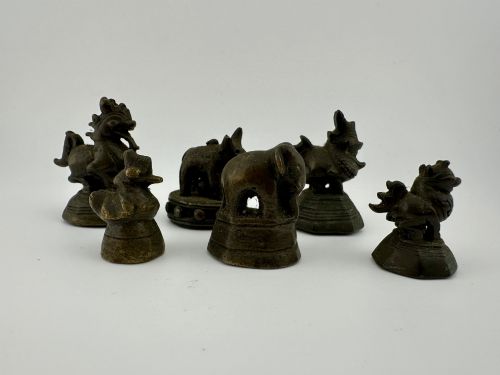
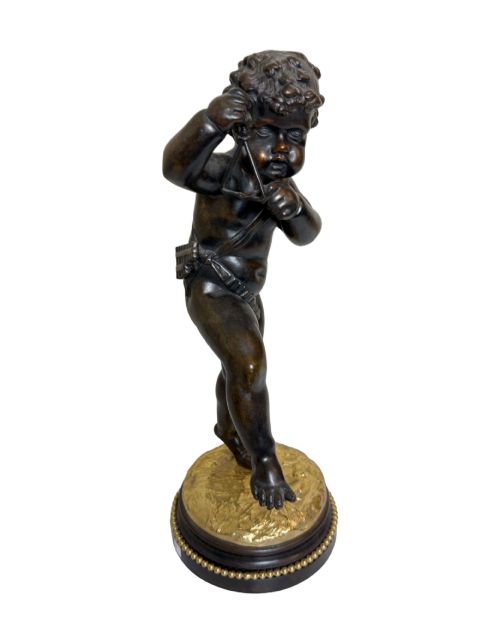
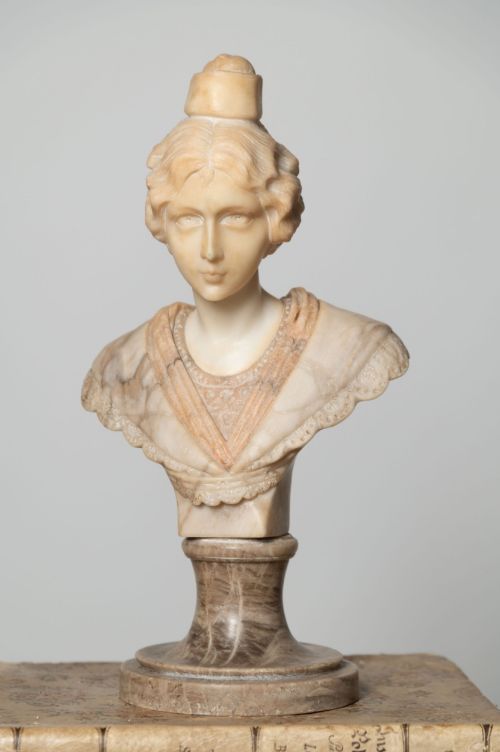
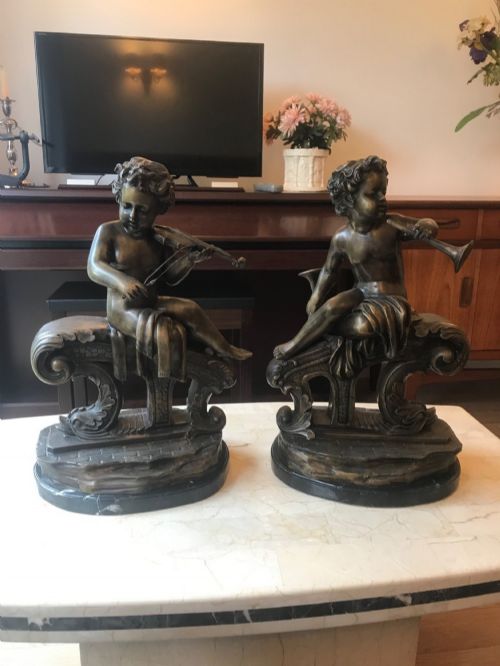
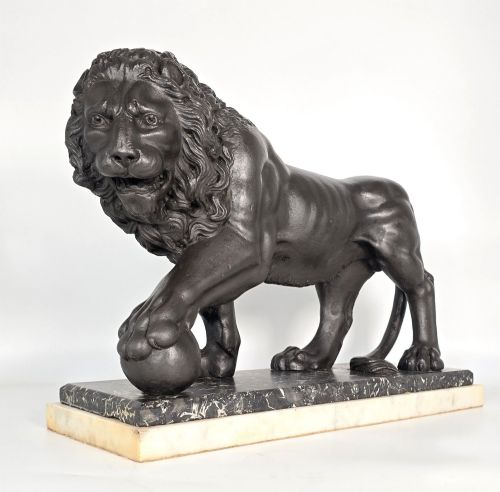
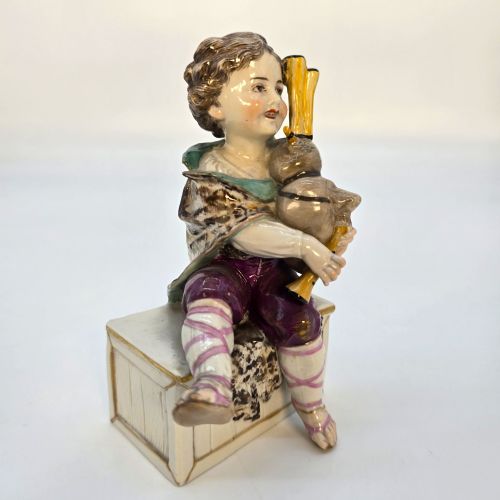
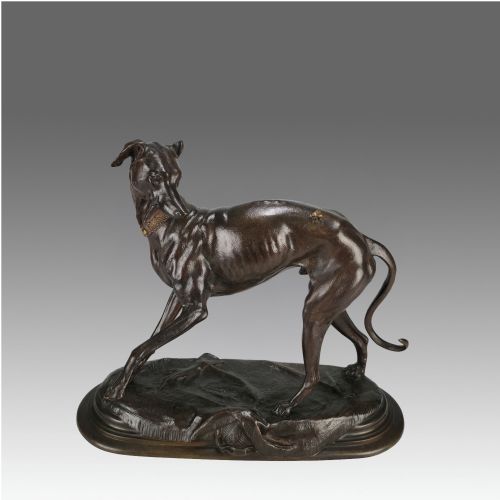
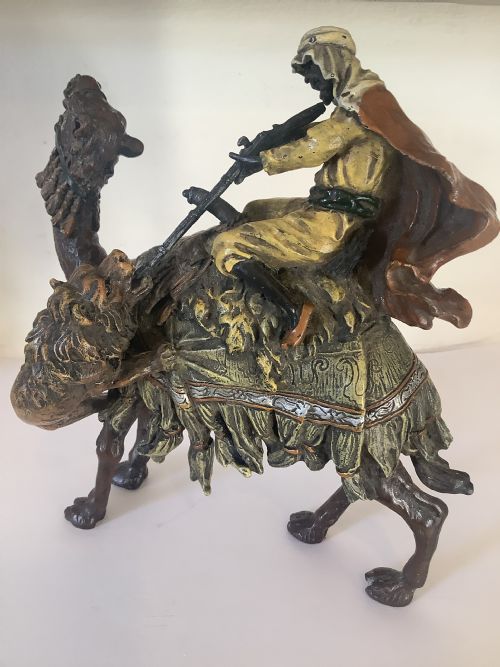
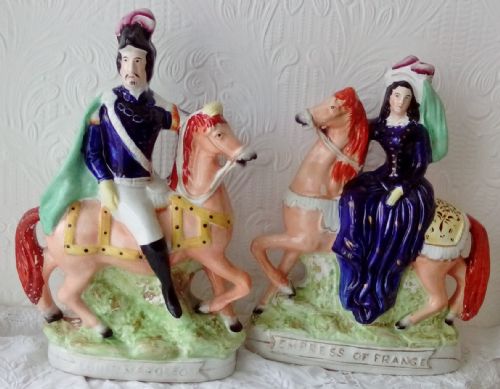
Nineteenth century figurines encompass a diverse range of sculptural objects spanning classical subjects, animal studies, and portrait busts produced across Europe and Asia. When exploring nineteenth century figurines, buyers frequently encounter bronze casts from French foundries, Staffordshire pottery figures from English workshops, and porcelain works from continental European factories.
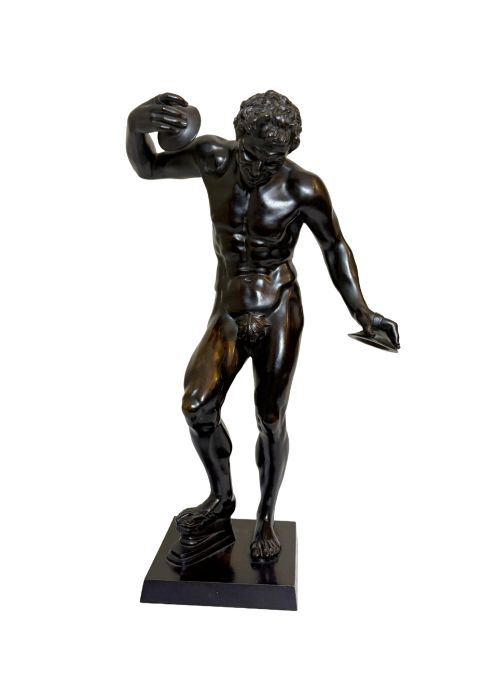
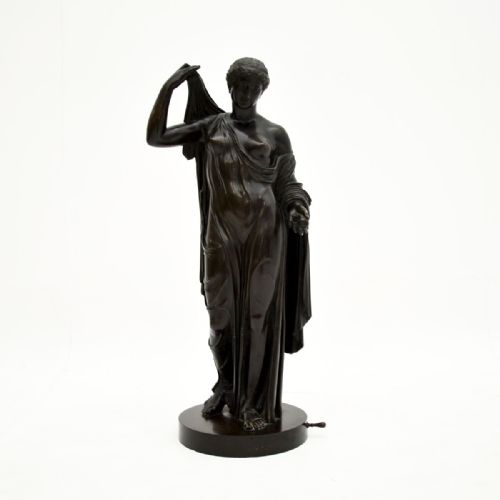
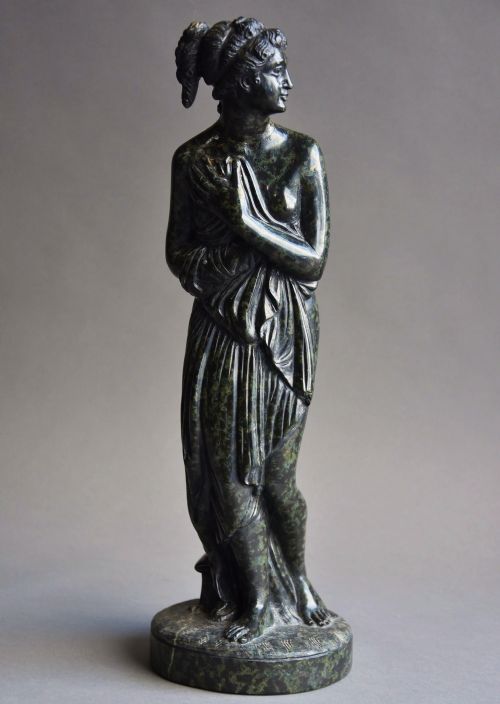
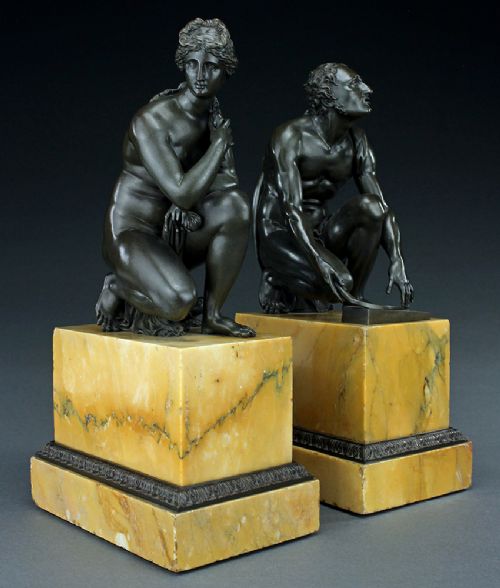
The selection ranges from small Grand Tour souvenirs representing classical antiquities to detailed animalier bronzes and theatrical pottery pairs made for Victorian mantelpieces. These pieces reflect the varied tastes of the period, moving between neoclassical severity, romantic sentiment, and naturalistic animal observation.
Materials and Making
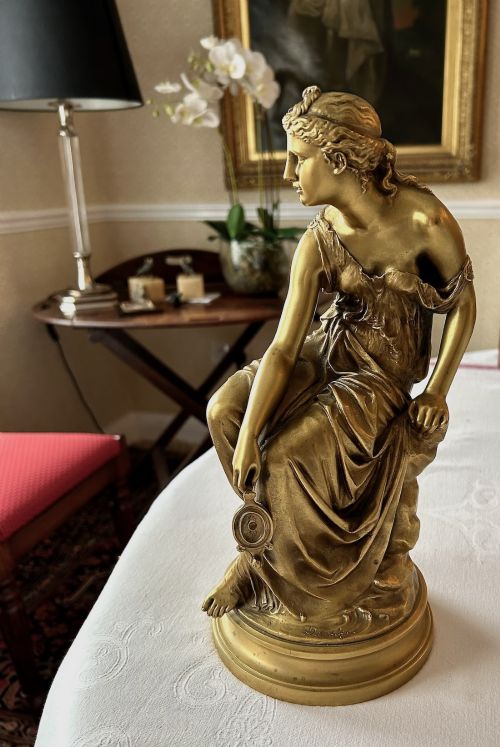
The physical character of these works relies heavily on metal casting, ceramic moulding, and stone carving. Bronze figures are typically cast using the lost-wax method, often finished with applied patinas or gilt layers, while ceramic pieces combine moulded earthenware and porcelain decorated with enamels and glazes.
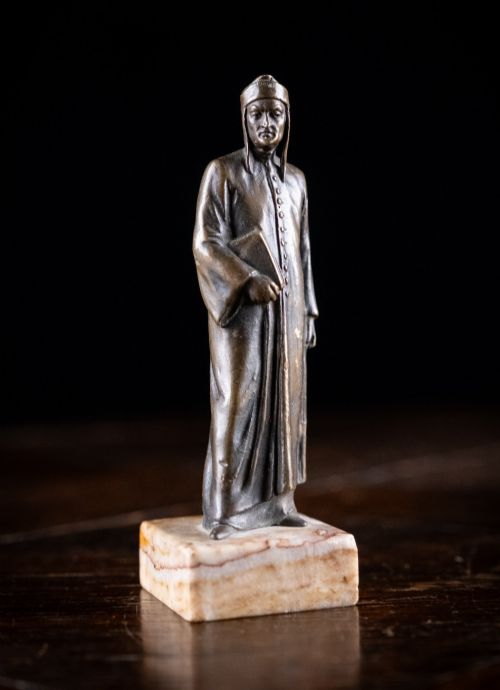
Many heavy bronze and marble sculptures incorporate dedicated plinths made from Siena marble or serpentine. Carved wood, Derbyshire alabaster, and terracotta also appear across the selection, showing the range of domestic sculptural techniques employed during the period.
Materials span cast bronze, glazed porcelain, terracotta, carved alabaster, and marble.
Judging Quality
The integrity of the materials also dictates the standard of the piece, particularly where metal patination remains undisturbed or where marble bases are fitted without structural replacement. The reputation of the maker or foundry provides an additional indicator of workshop standards.
Etienne-Henri Dumaige·Antonio Canova·Volkstedt Rudolstadt Factory·Alfred Barye·Emile Guillemin·Georges Van Der Straeten·Richard Avrilli·Victor Peter·Richard Eckert
The Nineteenth Century Figurines Glossary
- Grand Tour
- A traditional trip through Europe undertaken by upper-class young men to collect art and cultural artefacts. Grand Tour figurines typically replicate famous classical sculptures in miniature bronze or marble.
- Animalier
- A nineteenth-century artistic genre and style focused on the realistic depiction of animals, particularly wild beasts in motion or repose. French animalier sculptors achieved notable precision through careful observation.
- Spill vase
- A hollow ceramic figure designed to hold wooden tapers used for lighting candles or pipes. These dual-purpose objects were common on Victorian mantelpieces.
- Biscuit porcelain
- Unglazed white porcelain fired to a matte finish that resembles fine marble. This material was frequently utilised for nineteenth-century classical figures and portrait busts.
- Patina
- The surface sheen or colour acquired by metals and wood through age and handling, or applied chemically by founders. A deliberate bronze patina enhances the depth and detail of a casting.
Nineteenth Century Figurines: Frequently Asked Questions
What subjects are most common?
Classical deities, mythological figures, literary heroes, and historical personages dominate the metallic and marble sculptures from this era. Animals in naturalistic or dramatic poses also form a major category.
Domestic subjects and theatrical characters appear frequently among the earthenware pottery pieces intended for Victorian interiors. Many works directly reference classical antiquities encountered by travellers abroad.
How were bronze figures finished?
Foundries applied chemical treatments called patinas to bronze surfaces to create shades ranging from deep brown and black to green and golden hues. Gilt bronze was coated in a thin layer of gold or gold amalgam.
Chasing tools were used after casting to sharpen details in the metal before the final surface colour was fixed.
Where should figurines be placed?
These pieces suit mantelpieces, console tables, and bookcases where their materials can catch ambient light. Heavier items like marble-mounted bronzes require sturdy support due to their weight.
Direct sunlight and damp environments should be avoided to protect painted ceramic surfaces and metal patinas over time.
How do I spot a reproduction?
Authentic nineteenth-century pieces show period-appropriate wear, casting methods, and material composition consistent with workshop practices of the era. Modern copies often lack the crispness of early chasing and the natural ageing found on metal and stone.
Examining the underside and construction joints often reveals the manufacturing techniques characteristic of nineteenth-century production.